Oklahoma woman discovers husband faked his death 37 years ago in Canada


NEWYou can now listen to Fox News articles!

Deb Proctor was at work when her phone rang from an unknown number — a call that would shatter everything she thought she knew about her husband.

An investigator delivered the devastating truth to the Oklahoma woman: The man she knew as Jeff Walton was actually Ronald Stan, a Canadian man who disappeared 37 years earlier and was presumed dead after leaving behind a wife and two children.

“After gathering my composure, I went to my immediate executive and explained this bizarre phone call,” Proctor told Fox News Digital. “My colleagues were very concerned that my life was in danger, that maybe Jeff was in witness protection, and I had just blown it to some stranger who was not real, a so-called investigator.”
MASSACHUSETTS MAN’S DEATHBED CONFESSION RATTLES FAMILY AFTER DECADES ON THE RUN: ‘IT WASN’T A WEIRD DAD JOKE’

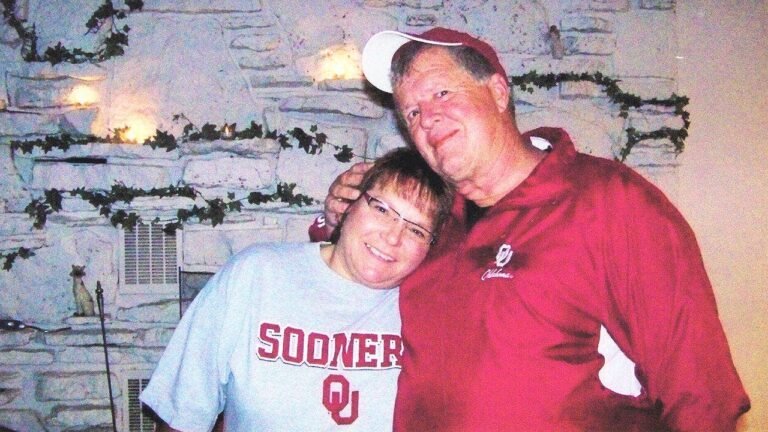
Deb Proctor in a grey college shirt being held by Jeff Walton in a red jacket.

Deb Proctor, who was married to Jeff Walton, also known as missing man Ronald Stan, is sharing her story on ABC’s “Betrayal: Secrets & Lies.” (Courtesy of Deb Proctor)

Proctor is coming forward with her story in the ABC true crime series “Betrayal: Secrets & Lies.” Inspired by the “Betrayal” podcast franchise, the series explores how people from across the country survive scandalous confessions, financial ruin and acts of violence, among other hardships.

“Deb Proctor’s story is an incredible exploration of what happens when the person closest to you is living a double life,” Andrea Gunning, host of the “Betrayal” podcast, told Fox News Digital. “What stayed with me the most while working on Deb’s story was not just the scale of Jeff’s deception, but the deeply human process of Deb rebuilding her life after the truth was exposed.”

It was 1998 when Proctor, a 41-year-old divorcee and mother of two sons, was ready to meet someone new. She decided to join a dating site, where she came across Walton, an Ohio State graduate and former football player who traveled and played golf — a passion of hers. She was intrigued.

WATCH: VANISHED: BEHIND THE STRING OF DEATHS AND DISAPPEARANCES OF SEVERAL AMERICAN SCIENTISTS

After a year of talking, they decided to meet in person. When Walton stepped off the plane and saw Proctor, he asked, “You will marry me, won’t you?”

Walton moved in a few months later. They married in 2000.

“I felt like this was a person that I loved very much,” Proctor said. “I could see us traveling together, creating a life together. I felt hopeful about the future.”
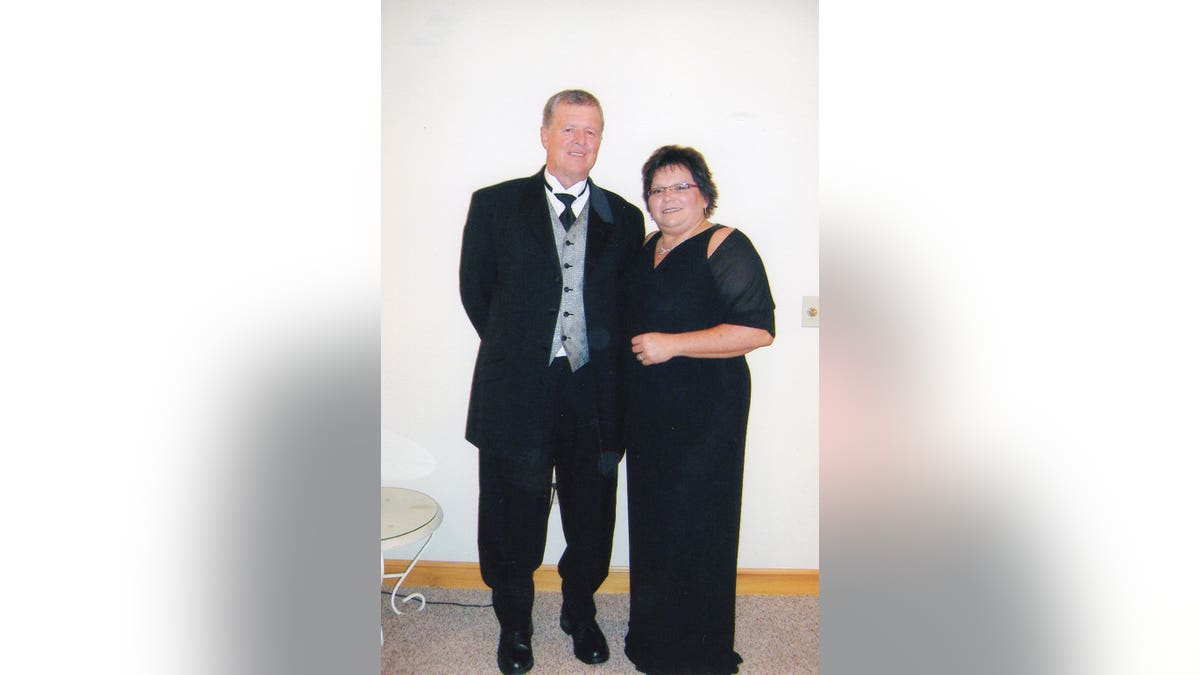
Jeff Walton and Deb Proctor wearing black formal attire against a white wall.

Jeff Walton and Deb Proctor married on April 23, 2000. (Courtesy of Deb Proctor)

But a year into their marriage, Walton was struggling to find work. That’s when he told her for the first time that he was a Vietnam War veteran. According to the podcast, Walton claimed that at age 18, he served in the Special Forces when he was captured and held prisoner. For months, he was tortured before eventually escaping by following a stream.

“[As a nurse] I had some experience working with Vietnam vets and PTSD,” Proctor said. “It really tugged at my heart. He had also uprooted his life, given up his job as a project manager at a large industrial construction company, given up everything just to be with me. He had given up everything for love.”

Proctor’s seemingly happily ever after was disrupted. Walton, who was unemployed, suffered a heart attack requiring ongoing care. The couple struggled to cover his medical expenses. Proctor, who had worked at the VA years earlier, tried to convince her husband to seek help as the bills piled up. But he refused to get healthcare, insisting he was dishonorably discharged and wouldn’t be listed.

FOLLOW THE FOX TRUE CRIME TEAM ON X

Poster for Betrayal: Secrets & Lies on ABC News.

“Betrayal: Secrets & Lies” airs Sundays at 10 p.m., with episodes streaming the next day on Disney+ and Hulu. (ABC News)

“I was dumbfounded,” Proctor admitted. “That’s the biggest moment when I thought, ‘Something’s not right here.’ I couldn’t put my finger on it. I just kept insisting on going to the VA so he could get healthcare. We were going to go broke. It was just a 30-minute drive to the nearest facility. But he looked at me strangely and said, ‘I’m not going. I was in Special Forces. Because of what I witnessed and what I reported, my actions were illegal and unethical. They won’t have me listed anywhere.’”

“I kept saying to him, ‘You’ve served your country. There are records somewhere,’” Proctor continued. “But he said, ‘I will not get government healthcare.’ He got up and walked away.”

Confused, Proctor considered hiring a private investigator. But after realizing she couldn’t afford one, she put her feelings aside.
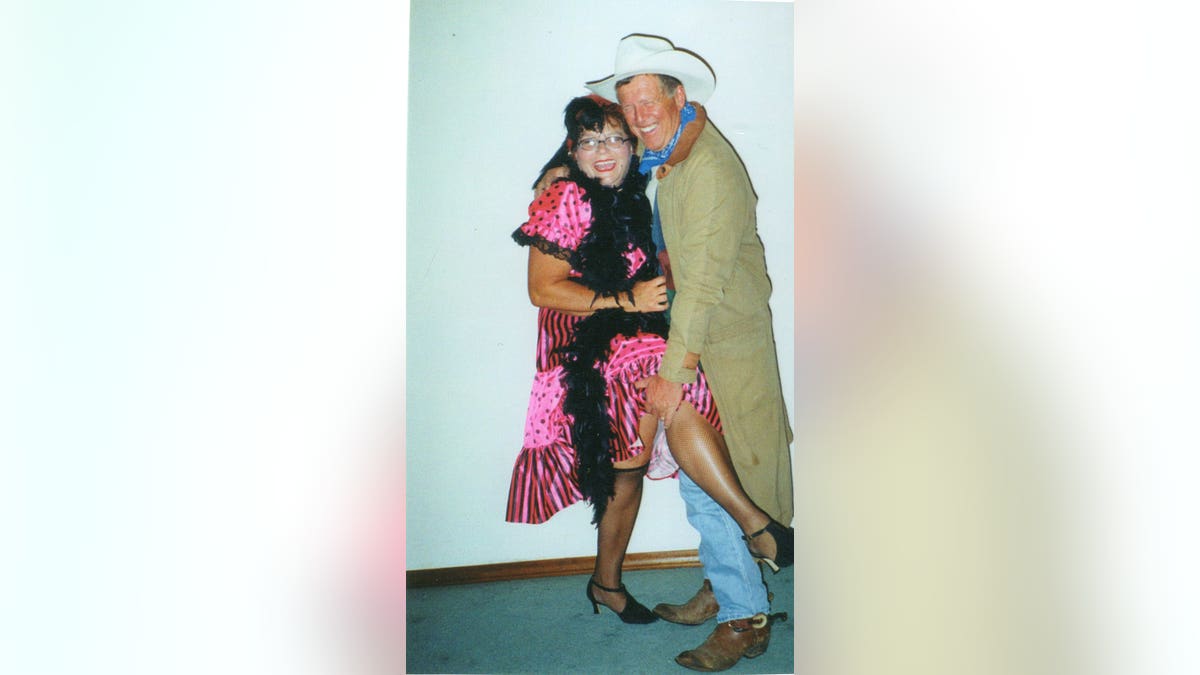
Deb Proctor and Jeff Walton in costume smiling and holding each other.

Despite Deb Proctor’s happiness, her friends became suspicious of Jeff Walton, who appeared too good to be true. Despite claiming to love golf, he struggled to play the game. (Courtesy of Deb Proctor)

Shortly after Walton’s heart attack, he had a stroke. Then he began exhibiting signs of dementia. The medical bills continued mounting into the thousands. Proctor was his primary caretaker while working full time as a nurse to make ends meet. She began drinking to cope with the stress. As Walton’s memory worsened, she was able to place him in a funded outpatient care facility.

In 2014, Proctor received a phone call from a detective in Canada. Investigators were probing the cold case of Ronald Stan and were able to track him down through social media, according to the podcast.

In September 1977, a barn fire killed several pigs. Stan, then 32, disappeared. Although human remains were never found, Stan was declared legally dead in 1986. However, the case was reopened in 2014. Using modern investigative technology, the Ontario Provincial Police discovered that Stan was alive and living in a rural part of the Cherokee Nation in Oklahoma under a new name, “Jeff Walton.” He later admitted the truth to police.

SIGN UP TO GET THE TRUE CRIME NEWSLETTER
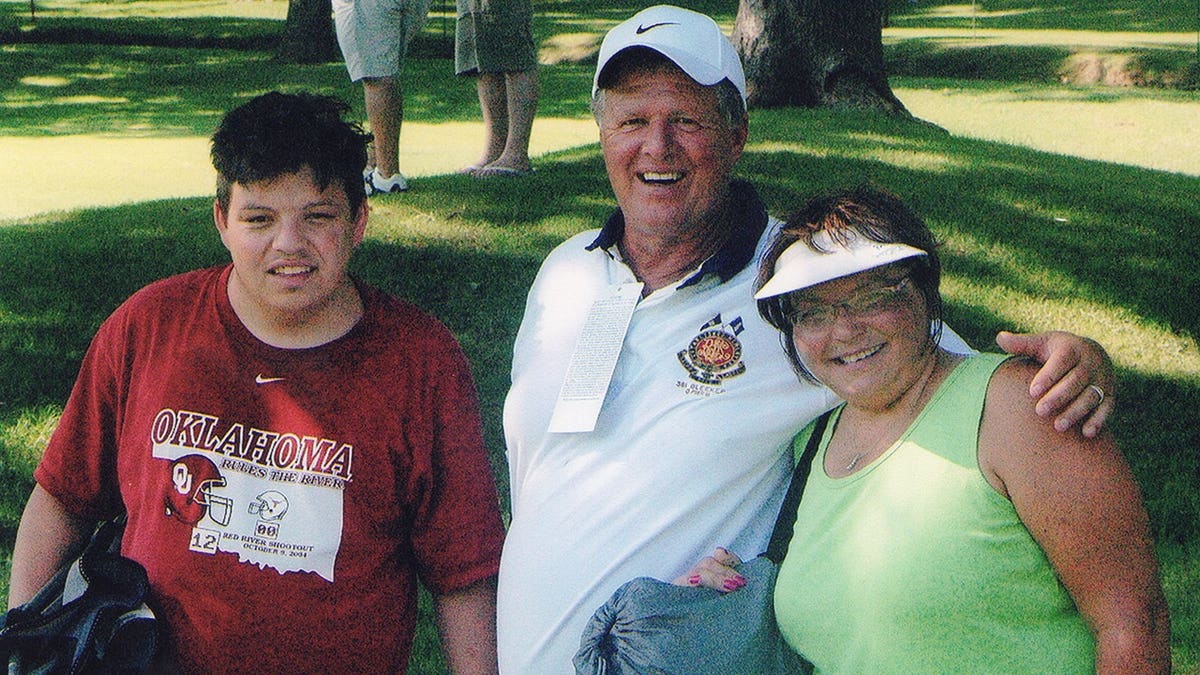
Jeff Walton and Deb Proctor smiling together in a gold field with a young man.

Jeff Walton, also known as Ronald Stan, had disappeared from Canada 37 years earlier when investigators discovered his identity. His previous wife and children believed he had died in a fire. (Courtesy of Deb Proctor)

“I thought to myself, ‘Oh my gosh, I’ve just spilled my guts, and now I’m in danger, he’s in danger,’” Proctor said about the phone call. “I felt like I was in somebody’s movie. I thought, ‘Who am I? Who was I married to this entire time?’ I was outside of my consciousness.”

Proctor immediately went to the Cherokee Nation Marshals Service. After an investigator made several phone calls, she confirmed that every detail was true. Stan had faked his death in a fire, abandoning his wife and two children.

Proctor stayed with a friend and immediately filed for divorce.
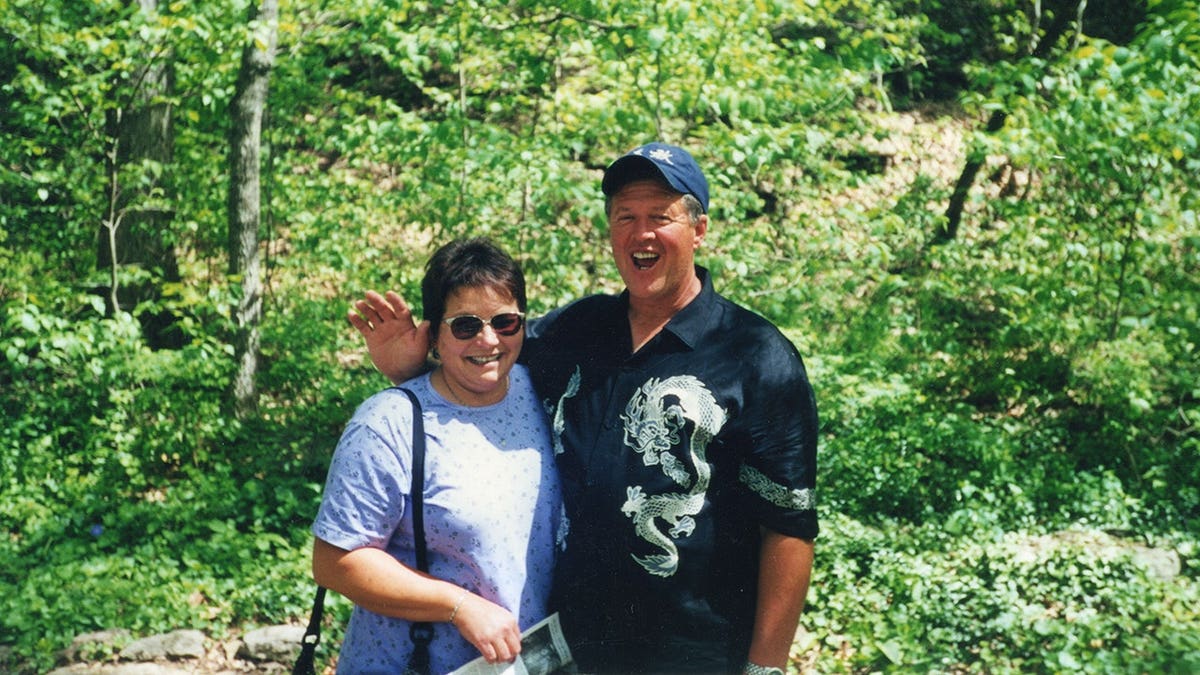
Deb Proctor and Jeff Walton standing in a forest and smiling together.

Jeff Walton took his name from his son and the classic American TV show “The Waltons.” (Courtesy of Deb Proctor)

“I did love him,” she admitted. “But it was all an illusion. He was not the man I thought I married. Nothing was real.”

Proctor said that Walton, now identified as Stan, made numerous calls to her and repeatedly tried to text her. She said that in one voicemail, Stan told her, “If you want to play hardball, then come on.” He also tried contacting one of her sons and emailed several of her friends and colleagues.

Jeff Walton wearing a white tank top leaning against a smiling Deb Proctor in a black tank top.

Jeff Walton, known as Ronald Stan, was discovered by investigators in a nursing home. (Courtesy of Deb Proctor)

“I had nothing else to say to him,” Proctor said. “But I was frightened. I remember walking out of my home and into the woods, where there was a worn-down pathway with a small seating area. I also noticed lots of cigarette butts. I don’t know. I just thought he was coming back to harm us. What if he was preparing to burn our home down because I knew about him burning down his place in Canada?”

GET REAL-TIME UPDATES DIRECTLY ON THE TRUE CRIME HUB
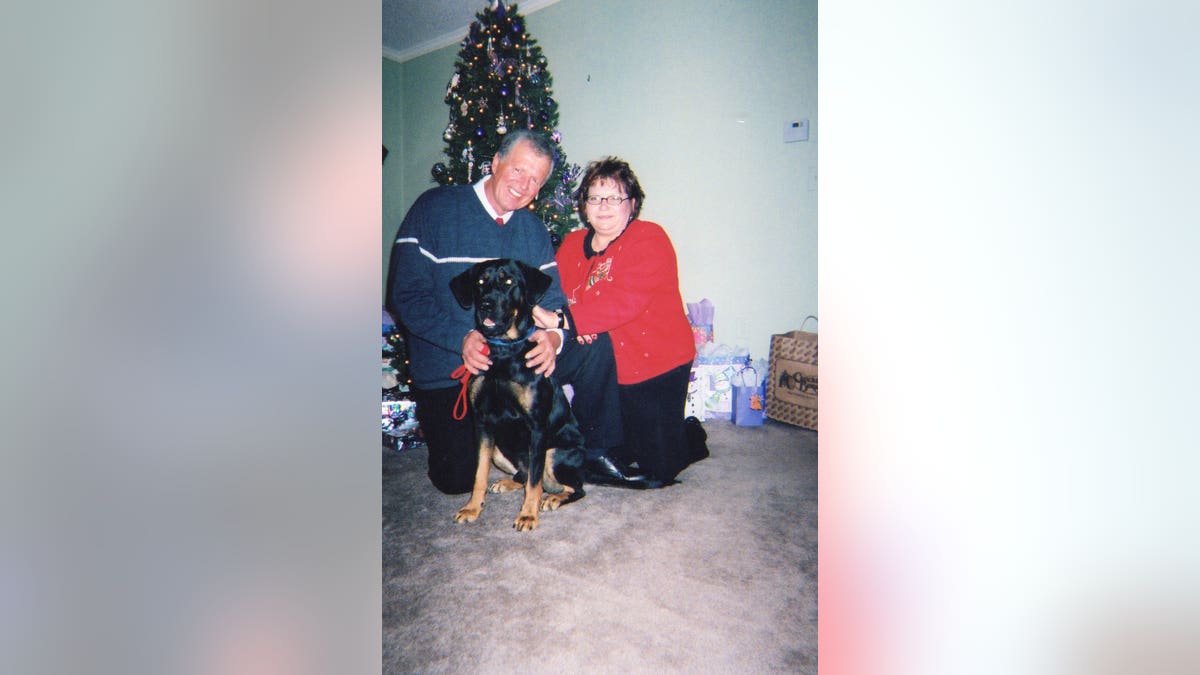
Jeff Walton and Deb Proctor smiling in front of a Christmas tree for a holiday portrait holding onto their dog.

Deb Proctor and Jeff Walton are seen here enjoying Christmas together. She had no idea of his past life. (Courtesy of Deb Proctor)

She also wondered whether he was planning another escape.

According to the podcast, the statute of limitations for arson had expired in Canada. It also noted that too much time had passed for Stan to face identity fraud charges in the U.S.

In the series, Proctor said that Stan never apologized. The calls stopped, and she never heard from him again. In 2019, Proctor said his son reached out to her to say that his father had died.
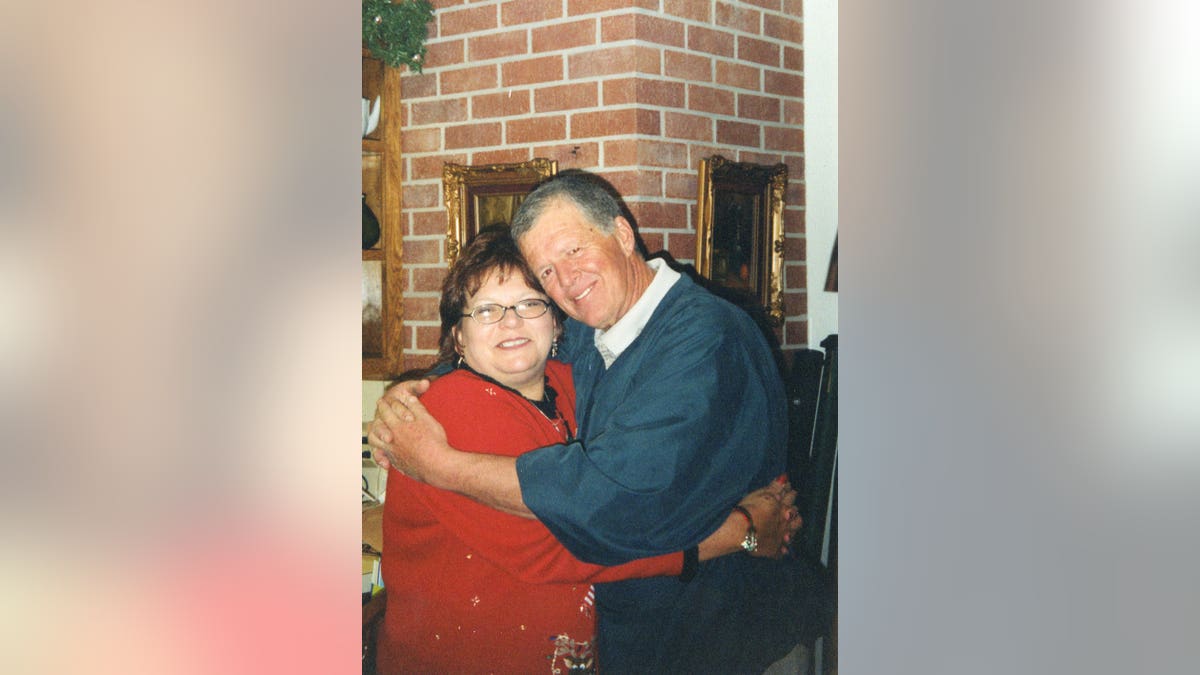
Deb Proctor in a red sweater holding onto Jeff Walton in a blue denim shirt.

Deb Proctor met Jeff Walton on a dating site and quickly fell for him. He left Kentucky to be with her. (Courtesy of Deb Proctor)

Today, Proctor supports victims of domestic violence in her community. She also remarried a longtime friend and fellow golf enthusiast.

“I never intended to do this again,” she said with a laugh. “But the gentleman I married, Richard, is absolutely the sweetest, kindest, most loving person I’ve ever known in my life. It’s a love that I’ve never experienced before. It’s genuine.”

If there’s one message Proctor hopes audiences take away, it’s this: Don’t ignore that nagging feeling.

CLICK HERE TO DOWNLOAD THE FOX NEWS APP
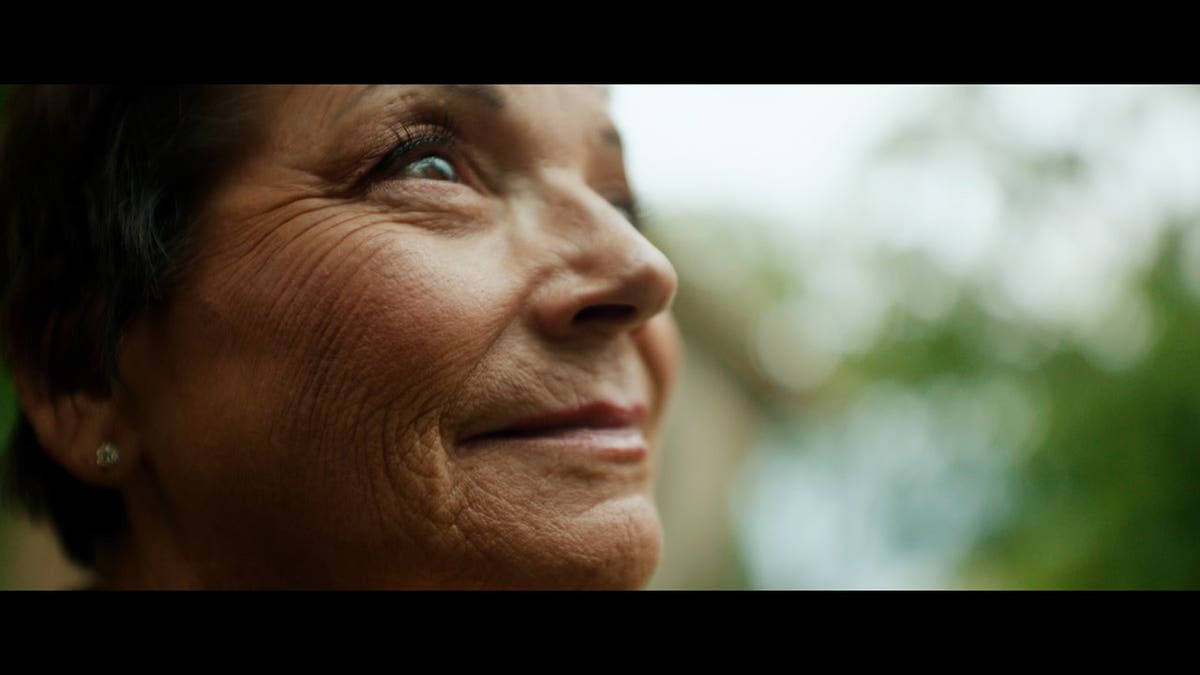
A close-up screenshot of Deb Proctor smiling away from the camera.

Deb Proctor is seen here today. She has since remarried. (ABC News)

“Pathological liars, they’re a dime a dozen,” she said. “They walk among us. Some people fall for them more than others, but it can happen to any one of us. If something doesn’t feel right, dig out the truth.”


Source link

Access Denied

0

Access Denied You don’t have permission to access “http://hindi.gadgets360.com/internet/xiaomi-mijia-refrigerator-400l-french-style-with-60-minute-automatic-ice-making-launched-price-2999-yuan-features-more-news-11504245” on this server.

Reference #18.4d560e17.1778926975.1e955295

https://errors.edgesuite.net/18.4d560e17.1778926975.1e955295

Access Denied

0

Access Denied You don’t have permission to access “http://hindi.news18.com/videos/ajab-gajab/the-cheapest-petrol-in-the-country-is-available-here-youll-be-surprised-to-know-the-price-watch-the-video-10482851.html” on this server.

Reference #18.2d4adc17.1778926263.273ad98

https://errors.edgesuite.net/18.2d4adc17.1778926263.273ad98

Access Denied

0

Access Denied You don’t have permission to access “http://hindi.news18.com/news/ajab-gajab/viral-husband-teases-wife-during-bp-check-funny-moment-tress-turns-into-laughter-10482480.html” on this server.

Reference #18.6e560e17.1778932227.146b0ef8

https://errors.edgesuite.net/18.6e560e17.1778932227.146b0ef8

Israeli settler blindfolds and detains Palestinian in occupied West Bank | Israel-Palestine conflict News

0

An armed Israeli settler blindfolded and detained a Palestinian man near the village of Beit Iksa in the occupied West Bank, dragging him onto a road as Israeli forces stood nearby. The Palestinian farmer was reportedly trying to reach his land before he was captured.


Source link

From the Nakba to Gaza’s ruins: One man’s lifetime of displacement | Israel-Palestine conflict News

0

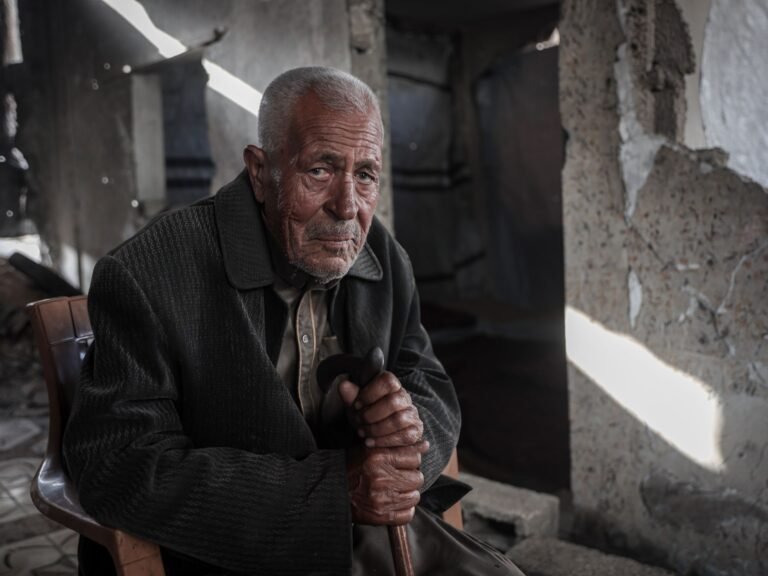
Jabalia, Gaza – Inside his partially destroyed home in the Jabalia refugee camp in northern Gaza, 85-year-old Abdel Mahdi al-Wuheidi sits beside a small fire brewing coffee, staring at what remains of a life, now surrounded by rubble.

Next to him sits his wife, Aziza, also in her 80s, whom he married six decades ago. Despite years of trying, the couple was never able to have children.

Recommended Stories

list of 3 itemsend of list

Today, they live together with the five sons of Abdel Mahdi’s late brother. They were children when their father died, and Abdel Mahdi raised them and helped them to marry and start families of their own.

Born in 1940, Abdel Mahdi was only a child when the 1948 Nakba – the mass expulsion of 750,000 Palestinians from their home at the founding of the state of Israel – unfolded. And yet, despite living through that pain and trauma, he says that what Palestinians are enduring today, brought on by Israel’s genocidal war on Gaza, surpasses anything he has ever witnessed.

“We are from Bir al-Saba [Beersheba] … that was our homeland,” he says in a tired voice. Bir al-Saba is the largest city in the Naqab Desert. It was captured by Israeli forces in 1948, forcing much of its Palestinian population out.

Abdel Mahdi al-Wuheidi and his wife Aziza
Abdel Mahdi al-Wuheidi and his wife Aziza [Abdelhakim Abu Riash/Al Jazeera]

The original Nakba

Abdel Mahdi’s sharp memory carries him back to his childhood, living with his parents on their land, among their livestock and property – a normal life, before everything changed.

Abdel Mahdi says he still remembers the heated discussions among families in Bir al-Saba when news first spread that Zionist Haganah militias were approaching, with some wanting to flee, and others insisting on staying.

The decision was eventually made to leave for Gaza, to the west, with the hope of returning in a few weeks.

And so Abdel Mahdi, along with his parents, three siblings, and the rest of his extended family, left, carrying whatever livestock, money and supplies they could manage.

“We all left … We walked for days. We would rest, then continue walking,” he says. “We carried some of our belongings with us. We never imagined it would become a permanent exile.”

The family initially settled in Gaza City’s Zeitoun neighbourhood before later moving to Jabalia refugee camp in northern Gaza, where the harsh realities of refugee life began.

“We lived in tents. The rain and wind would flood them, the cold was unbearable, then came the scorching heat,” he says. “There was hunger, exhaustion, long lines for food and water, shared toilets, lice, poor sanitation … painful memories.”

Abdel Mahdi al-Wuheidi holding his stick
Abdel Mahdi al-Wuheidi says the current war in Gaza has been more catastrophic than the 1948 Nakba [Abdelhakim Abu Riash/Al Jazeera]

Right of return

“I remember my father and grandfather always saying we would return, and they told their children and grandchildren to hold on to the right of return,” Abdel Mahdi says.

But the return never came. Instead, decades of exile, wars and repeated attempts to rebuild life followed.

Abdel Mahdi worked for years inside Israel in construction, during a period when Palestinian labourers were granted work permits.

Together with his brothers, he managed to build homes and buy land, only for the current war to erase everything once again.

“We worked, built homes and bought land,” he says. “We thought we were finally compensating for something after the displacement that destroyed our families and lives. We thought it was over.”

“But this war destroyed everything completely,” he adds. “At the end of our lives, it brought us all back to zero. Nothing is left – no stone, no trees.”

Abdel Mahdi acknowledges that life in Gaza was never truly stable – with several Israeli wars and a years-long blockade – but he says the scale of destruction during the latest war is unprecedented.

“A Nakba at the beginning of my life … and another Nakba at the end of it. What can we even say?” he murmurs while staring at the devastation surrounding him.

Abdel Mahdi al-Wuheidi
Abdel Mahdi al-Wuheidi says he has fallen over the rubble around his house in Jabalia, northern Gaza [Abdelhakim Abu Riash/Al Jazeera]

The war on Gaza

Abdel Mahdi recounts how his life was turned upside down during the latest Israeli war on Gaza, beginning in October 2023.

This time, he was forced to flee his home as an elderly man, struggling to walk alongside his ageing wife and the families of his nephews.

He was displaced multiple times – once to the Gaza seaport area in western Gaza City, another time to Deir el-Balah in central Gaza.

Before that, he had sought shelter in a United Nations-run school in Jabalia before Israeli forces stormed it.

He recalls the terrifying moments when Israeli tanks and soldiers entered the school during the early months of the war, as chaos, gunfire and screams erupted while loudspeakers ordered everyone to evacuate southwards.

“They forced us out of the school,” he says. “My elderly wife and I leaned on each other to walk. Some people couldn’t get out and were killed there.”

“We walked long distances until we reached western Gaza, together with what remained of our family, who had scattered in different places,” he adds.

“We were collapsing from exhaustion, but the shelling and fear forced us to keep moving.”

Abdel Mahdi says that he considered staying in his home and refusing to leave, unwilling to repeat what he called “the mistake of our ancestors” when they fled in 1948. But he says the danger eventually forced him to flee.

For the elderly man, displacement itself became one of the cruellest parts of the war.

“When a person leaves his home, he loses his dignity and worth,” he says quietly. “We lived in tents, in the sand, exposed to everything… We lived through famine and shortages of absolutely everything.”

“I wished for death with all my heart,” the octogenarian admits, his eyes filling with tears. “All I wanted was a concrete wall to lean my exhausted back against, but there was nothing. It was unbearable for both the young and the old.”

Abdel Mahdi al-Wuheidi
Despite everything, Abdel Mahdi al-Wuheidi is happy to be back at his home in Gaza’s Jabalia [Abdelhakim Abu Riash/Al Jazeera]

A taste of return

A small sense of hope came when residents were allowed to return to northern Gaza after the October 2025 ceasefire announcement.

Abdel Mahdi says he had lost hope of ever seeing his home again, but he managed to return to it even though it was heavily damaged.

“A deep pain took hold of me when I saw Jabalia, where I had lived for decades, turned into endless rubble and destroyed roads,” he says.

“Now I walk with great difficulty, trying to make my way through shattered streets with my cane,” he adds, recalling that he has fallen twice while trying to walk through the rubble left behind by Israeli attacks.

Abdel Mahdi insists that what Palestinians are experiencing today bears no resemblance to any previous period of his life.

He has lived through the Nakba, the 1956 war, the 1967 war, the Palestinian uprisings, and previous wars on Gaza, yet says none compare to the current devastation.

“Back then, the Israelis withdrew from our lands,” he says. “Today, more than half of Gaza’s land has been seized … every day we hear gunfire and Israeli military vehicles.

“Even the end of the war they talked about was a lie,” he adds. “We have been living in an ongoing catastrophe for three years.”

Watching events unfold, Abdel Mahdi expresses deep disappointment with the Arab and international response to Gaza, saying Palestinians have long been left alone to face war, hunger and siege.

“History is repeating itself,” he says. “We were abandoned at every stage and left alone against a ruthless military machine. We endured more than human beings can bear.”

That reality, he says, is also what prevents him from feeling hopeful that conditions in Gaza will improve any time soon.

“We hear endless promises about opening crossings and improving conditions,” he says. “But it is all lies … promises that stole years from our lives and souls.”

Yet despite the repeated displacement, loss and wars, Abdel Mahdi clings fiercely to the one thing he says the war could not take from him: his connection to the land.

“Even if they offered me a palace in New York in exchange for this destroyed house, I would refuse,” he says firmly.

What he is living through now, however painful, has not pushed him towards leaving. Instead, he says, it has only deepened his determination to remain.

“Those who left long ago never came back,” he says. “A person should never abandon his homeland. Here I will die, and here I will be buried.”


Source link

Access Denied

0

Access Denied You don’t have permission to access “http://hindi.gadgets360.com/science/spacex-falcon-9-debris-could-crash-into-the-moon-in-5-august-2026-astronomer-predicts-news-11504104” on this server.

Reference #18.480dde17.1778924344.459e58c4

https://errors.edgesuite.net/18.480dde17.1778924344.459e58c4

Britain is losing the ability to tell anti-Semitism from dissent | Protests

0

Sir Mark Rowley’s recent comments that some pro-Palestinian demonstrations in London send a message “that feels like anti-Semitism” are the latest sign of a dangerous trend in British public life: the conflation of anti-Semitism with criticism of the Israeli state.

The Metropolitan Police commissioner suggested that some protest organisers deliberately route marches near synagogues in ways that intimidate British Jews. Any genuine intimidation of Jewish communities should, of course, be treated seriously. Anti-Semitism is real, dangerous and rising in Britain and across parts of Europe. It must be confronted clearly wherever it appears.

But Britain is entering troubling territory when protests against the destruction of Gaza, opposition to Israeli state violence, or expressions of Palestinian grief are treated as inherently suspicious, even anti-Jewish, political acts.

The issue is no longer only how Britain combats anti-Semitism. It is whether the country can still distinguish between hatred of Jews and opposition to the policies of the Israeli government.

That distinction matters enormously, not only for Palestinians but for Jewish communities, too.

For Palestinians, there is something painfully familiar about this moment. Many grew up being told that their dispossession was tragic but necessary; that the destruction of their villages, the loss of their homes and their transformation into refugees were justified by somebody else’s need for safety and statehood.

Entire generations of Palestinians were raised inside this logic. Their catastrophe was acknowledged only insofar as it remained secondary to another historical trauma. In much of the Western imagination, Palestinian suffering occupied a different moral category: visible enough to be discussed, but rarely enough to disturb political comfort.

Now, as Gaza continues to be devastated before the eyes of the world, Palestinians in Britain and across the West are finding that even speaking about their grief, anger and loss is increasingly treated as a source of discomfort requiring management.

For more than two and a half years, the world has witnessed scenes from Gaza that many legal experts, human rights organisations and genocide scholars have described using words once reserved for history books: ethnic cleansing, collective punishment, extermination and genocide.

Entire neighbourhoods have been erased. Families wiped out. Hospitals bombed. Journalists killed. Civilians starved under siege. Children pulled lifeless from rubble in numbers so vast that the scale of the catastrophe defies comprehension.

And yet in Britain, much of the political and media conversation has focused less on the destruction itself than on the supposed threat posed by those protesting against it.

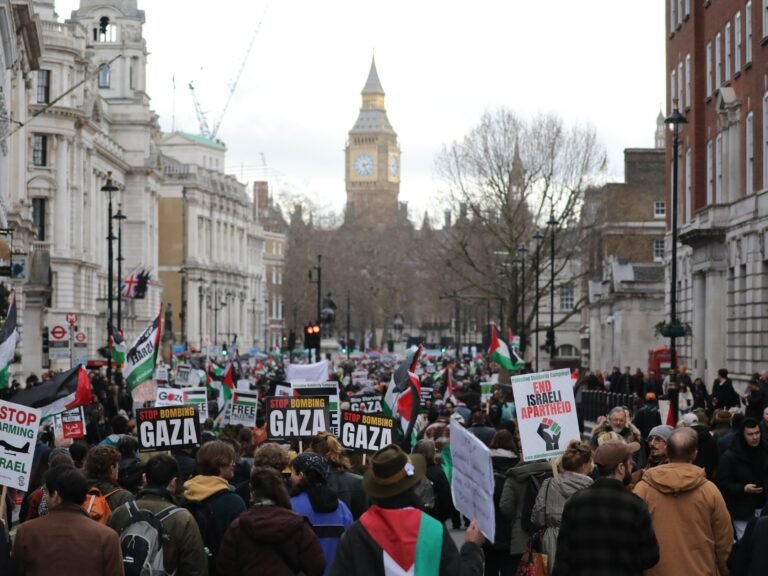
Hundreds of thousands of people have marched to demand a ceasefire, an end to British military and political support for Israel, and accountability for what many around the world increasingly regard as crimes against humanity unfolding in plain sight.

Those demonstrations have included Jews, Muslims, Christians, atheists, students, pensioners, trade unionists, Holocaust survivors and people of conscience with no personal connection to the region at all. Yet large sections of Britain’s political and media establishment continue to frame these marches as uniquely menacing, morally suspect and inherently anti-Semitic.

The implication is difficult to ignore: pro-Palestinian speech and protest are to be treated as dangerous regardless of content or context, and therefore as something to be contained, managed or silenced.

There is, of course, a legitimate debate to be had about public order, policing and community tensions. Jewish communities have every right to feel safe and protected, particularly at a time when anti-Semitic incidents have risen. No civilised society should tolerate threats against Jews, just as it should not tolerate anti-Muslim hatred or racism directed at any other community.

But there is a profound difference between anti-Semitism and discomfort. There is a difference between hatred and political dissent. And there is a difference between threatening a community and protesting against a state accused by international organisations and legal experts of carrying out war crimes, crimes against humanity and genocide.

That distinction has become increasingly blurred in British public discourse.

Perhaps most dangerously, the constant framing of pro-Palestinian demonstrations as inherently anti-Semitic risks reinforcing precisely the conflation that political leaders claim to oppose.

To automatically treat protests against Israeli military actions as hostility towards Jews implies that Jewish identity itself is inseparable from the conduct of the Israeli state. That is neither fair nor accurate.

Many Jewish people in Britain and around the world have publicly opposed Israel’s war on Gaza. Many have marched alongside Palestinians. Many are horrified by the scale of destruction and civilian suffering. They understand something fundamental that sections of Britain’s political and media class increasingly struggle to grasp: criticising a state is not the same as hating a people.

Britain ordinarily understands this distinction perfectly well. Criticism of Russia is not treated as hatred towards Russians. Opposition to American wars is not automatically framed as hostility towards Americans as a people. Protest against the Chinese government is not assumed to be anti-Chinese racism.

Only when it comes to Israel does this distinction repeatedly collapse.

That collapse carries consequences.

If people are constantly told that protests against Israeli actions are inherently anti-Semitic, some will inevitably begin associating Jewish people collectively with those actions. Far from protecting Jewish communities, this risks deepening tensions and confusion at precisely the moment clarity is most needed.

Political leaders, police authorities and media institutions therefore carry a particular responsibility to draw careful distinctions, not erase them.

They should confront anti-Semitism directly and unapologetically wherever it appears. But they should also defend the democratic right of people to oppose war crimes, protest mass civilian slaughter and speak openly about Palestinian suffering without automatically being viewed through the lens of suspicion.

Suppressing pro-Palestinian protests will not reduce tensions in Britain. Nor will portraying anti-war demonstrations as uniquely threatening simply because they centre on Palestinian humanity.

What Britain is witnessing on its streets is not simply anger. Much of it is moral horror.

Millions of people across the world have now spent months watching what they believe to be a genocide unfold in real time.

A healthy democracy should be capable of recognising the difference between hatred and the refusal to stay silent in the face of it.

The views expressed in this article are the author’s own and do not necessarily reflect Al Jazeera’s editorial stance.


Source link

A third of Britons believe they have changed social class, survey finds | Class issues

0

More than a third of Britons say they have changed social class, with upper-middle and upper-class people most likely to identify as belonging to more than one class, according to a survey.

Working-class people were the least likely to say they had changed class or identified with more than one, with 70% saying they were in the same social category they were born into, the study by research firm Attest found.

Researchers coined the term “polyclass” to describe the equivalent of 6 million British people who identified as belonging to more than one class at once.

The survey of 2,000 people also found an entrenched sensitivity about the topic, with nearly half of respondents saying they had felt judged for their class, and most ranking social class above age, gender, ethnicity and sexual orientation in terms of how they think others see them.

Dominic Abrams, a professor of social psychology and director of the Centre for the Study of Group Processes at the University of Kent, said he thought the term “polyclass” was useful at a time when class boundaries were far more blurred than in previous generations.

Traditional categorisations such as ABC1, denoting the middle classes, were no longer necessarily signals of belief or attitude, and not even necessarily signs of class.

“The supposed class alignment with different political parties seems to be breaking down. So [traditional categorisations are] not terribly helpful any more,” Abrams said. “I think the broader perception now is that if you want to move around, and you have the resources to do so, you can. A lot of people say they have moved class.”

This viewpoint is particularly apparent among millennials, according to the survey, with almost half saying they had become a different class or identified as belonging to more than one. Working-class people were the least likely to have moved class.

Abrams said: “Working-class people tend to have more enduring and stable cultural roots because they can be rooted more in place. It’s a value they’re more likely to reinforce. The question is whether they can use it as a tool in their armoury for negotiating the environments that they’re entering into or whether it becomes a burden because they feel judged because of it.”

Working-class people were more likely to say they changed how they behaved or spoke to fit in with other social or professional groups, but a significant third of working-class people said they had never felt the need to change to fit in with another group.

Separate research from the Sutton Trust has found there is a “happiness gap” between social classes and that working-class people who went on to get good jobs never caught up with their middle or upper-class peers in the happiness stakes.

People from working-class backgrounds were a third more likely to experience low wellbeing than those from professional backgrounds, the report said.

Those who moved into higher status jobs did become happier, but the research found that those who came from more affluent backgrounds still enjoyed the highest levels of wellbeing. They were also protected from the effects of moving downwards, probably because they had a financial safety net, researchers said.

Nick Harrison, the chief executive of the Sutton Trust, said social mobility “hugely improves people’s lives, but it doesn’t always guarantee happiness”.

He added: “Even when people climb the social ladder, their long-term wellbeing is still shaped by where they started. Opportunity and life satisfaction are about far more than just pay, promotions and property. Family and friends, education levels, community ties and work-life balance all play their part.

“Where you come from shouldn’t determine how happy your life turns out. To break this link, we need to tackle inequality in education, open up access to careers and invest in communities. Opportunities to get on in life and enjoy greater levels of wellbeing should be genuinely open to everyone.”


Source link

Extra 4,000 officers in London as police brace for far-right and pro-Palestine marches – live | London

0

Key events

4,000 officers on duty in London for large scale far-right and pro-Palestine protests

The Metropolitan police is preparing for what it described as potentially “one of the busiest days for policing in recent years” as tens of thousands of people are expected to descend on central London for two major demonstrations.

Armoured vehicles, horses, dogs, drones and helicopters will be deployed along with 4,000 officers to police the far-right Unite the Kingdom (UTK) rally organised by Stephen Yaxley Lennon, otherwise known as Tommy Robinson.

The Guardian understands officers will be granted extra powers to carry out a stop and search without requiring suspicion of an offence, which will also apply to the pro-Palestine Nakba Day rally taking place in a separate location to the UTK march.

Clashes erupted between police and protesters as thousands of people marched through central London for the ‘Unite the Kingdom’ rally last September. Photograph: Anadolu/Getty Images

At the same time, tens of thousands of football fans are expected at Wembley stadium for the FA Cup final.

For the first time at a demonstration, police will use live recognition cameras and organisers will be held personally responsible for the behaviour of the speakers they invite.

Deputy assistant commissioner James Harman said the “unprecedented” operation could cost the force £4.5m, adding that today “has the potential to be one of the busiest days for policing in London in recent years”.

Police estimate that about 50,000 people will attend the UTK rally, while the pro-Palestine march is expected to draw between 15,000 and 40,000 peope. The UTK rally last September overwhelmed expectations after more than 150,000 people flooded Parliament Square in Westminster.

Prime minister Keir Starmer said the rise of the far right represents “a fight for the soul of this country”, adding: “The Unite the Kingdom march this weekend is a stark reminder of exactly what we are up against. Its organisers are peddling hatred and division, plain and simple.”

The Guardian’s police and crime correspondent, Vikram Dodd, has the full report here:

Share

Updated at 


Source link