GOP state lawmaker rips Dems’ push to put tampons in men’s bathrooms as deficit grows

0

NEWYou can now listen to Fox News articles!

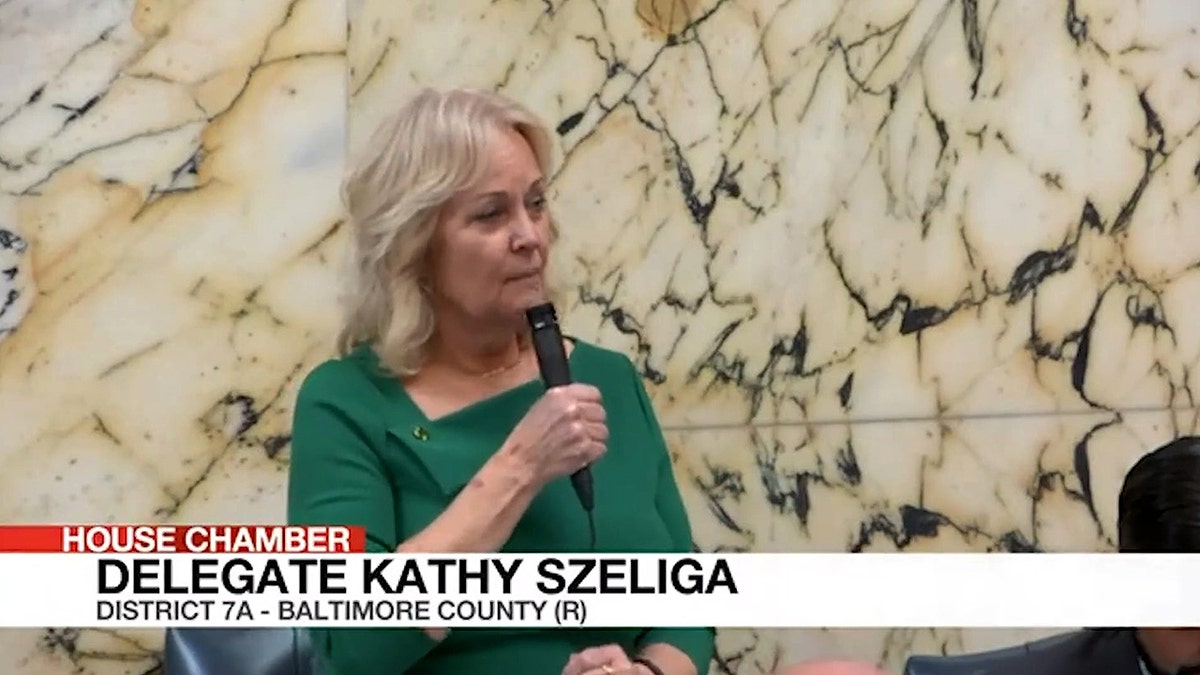
Maryland Del. Kathy Szeliga, R-Baltimore County, is calling out Maryland Democrats for backing a bill that would stock tampons in men’s bathrooms in state-owned buildings — an idea she says is emblematic of Annapolis’ misplaced priorities.

Szeliga said that after she was made aware of HB 941, she took to the House floor to question which public buildings would be impacted. In particular, she wanted to know if the state’s professional sports facilities, such as where the Ravens and Orioles play, would be impacted. During her remarks, the GOP Maryland lawmaker also questioned language in the bill ordering “appropriately sized tampons” be placed in all public restrooms in all public buildings.

“What are appropriately sized tampons?” Szeliga asked, earning laughter from parts of the House. “I’ve never heard of such a thing. What do you consider appropriate?”  

MARYLAND GOVERNOR RESPONDS TO ALLEGATION THAT HE EMBELLISHED STORY ABOUT HIS FAMILY FLEEING FROM KKK

Maryland GOP Del. Kathy Szeliga

Maryland Del. Kathy Szeliga is slamming Democrats for pushing tampons in men’s bathrooms in state buildings while lawmakers struggle with a major budget deficit. (Maryland General Assembly)

In response, Del. Ken Kerr, D-Fredrick County, said that the language “just means that tampons are offered, there’s no specific size.” Szeliga shot back, arguing that if that is the case, it should say so, and not talk about sizing.

Meanwhile, Szeliga then pivoted to inquire with Democrats about which public buildings would be impacted, with emphasis on the football stadium where the NFL franchise Baltimore Ravens play and the baseball stadium, Camden Yards, where the Baltimore Orioles play. According to Szeliga, both are owned by the Maryland Stadium Authority. 

“If it is a state-owned building, then yes, it would go in – it’s a public building,” Kerr said when asked about the football stadium, even though he refused to answer the question in any certain terms. “If Raven stadium is a state building, then yes, it would apply …  If it applies to the Raven Stadium it would also apply to Oriole Park.”

In an interview with Fox News Digital, Szeliga pointed out that this latest legislative proposal is not the first time Maryland Democrats have tried to put tampons in men’s bathrooms. She questioned whether it was a priority being pushed from out-of-state. 

NJ SENATE VOTES 38-0 TO REQUIRE FREE MENSTRUAL PRODUCTS AT PUBLIC COLLEGES UNDER ‘MENSTRUAL EQUITY’ BILL

“There seems to be an obsession with feminine hygiene products in Maryland, in Annapolis, in the legislature. It must be coming from some national movement, but they have tried in the past to make sure that there was adequate, as they would say, or, you know, feminine hygiene products, but this is now taking it to a whole new level,” Szeliga said. 

fem-higiene-dispenser

Period products in a bathroom. (Martin Schutt/picture alliance via Getty Images)

The previous bill, Szeliga pointed out, focused on colleges and universities in the state. She also noted that Republicans were able to amend it, eventually whittling down the bill so that it applied only to health centers at colleges or universities that house students on campus, which she said was already occurring when the law passed. 

Szeliga said that with Democrats’ latest bill trying to put tampons in all public bathrooms in all public buildings, including male ones, the move will encompass a wider swath of infrastructure, including M&T Bank Stadium, where the Ravens play, and Camden Yards, where the Orioles play, since they are operated by the Maryland Stadium Authority. She also pointed out that the Baltimore/Washington International Thurgood Marshall Airport, will likely have to begin putting tampons in men’s bathrooms as well, if the bill is ultimately passed. 

“The fiscal note on the bill said ‘undetermined’ because there are so many state-owned public buildings,” the GOP Maryland lawmaker said. “And they wanted it to be paid for by taxpayers.”

Szeliga lamented that while Democrats were prioritizing putting tampons in men’s bathrooms at an unknown cost to taxpayers, little has been done to rein in the state’s “massive” budget deficit.

“Even if they determine to shift some of the cost to the consumer, this still creates hundreds-of-thousands of dollars worth of administrative costs to put tampons in men’s bathrooms – just
for the administrative costs,” Szeliga pointed out, noting Democrats “couldn’t even determine how many state buildings this would apply to.”

CLICK HERE TO DOWNLOAD THE FOX NEWS APP

WBAL-TV 11 News reported that “Several state agencies, without officially opposing the bill, expressed concern about the cost of carrying it out,” and highlighted that the Maryland Department of Natural Resources projected that the upfront costs would be about $400,000.

Annapolis_MD

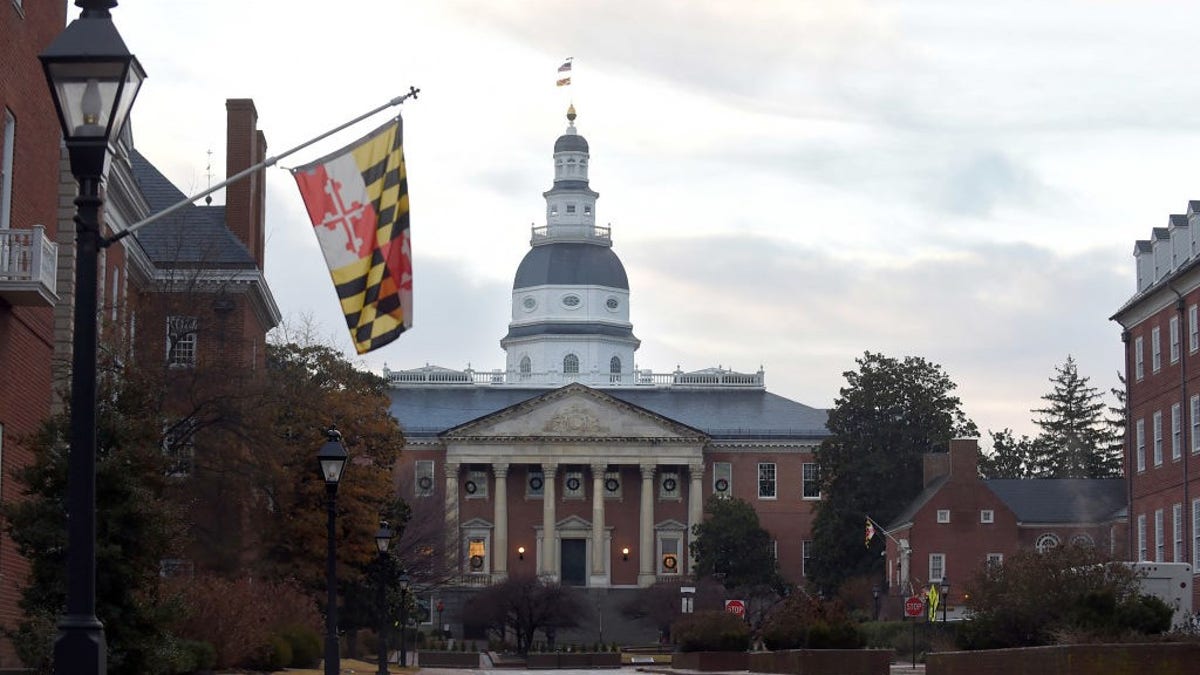
The Maryland State Capitol in Annapolis.

“This is the kind of thing that we see happening in radical Democrat states with super majorities, where they’ve run out of ideas,” Szeliga concluded. “Instead of tackling actual problems like out of control spending and other real problems, electric bills that people cannot afford, they pivot to nonsense like putting tampons in men’s bathrooms.”

The legislation to bring tampons to public men’s bathrooms was sponsored by more than 10 Democratic delegates and was introduced on Feb. 5. The bill has yet to pass either chamber in the state legislature. 

Fox News Digital’s Rachel del Guidice contributed to this report.


Source link

US-Iran mediation: What are each side’s demands – and is a deal possible? | Energy News

0

United States President Donald Trump has issued a 15-point plan containing US-Israeli demands and offers for ending the ongoing war on Iran, Al Jazeera has confirmed.

The plan has been delivered to Iran through Pakistan, which stated this week that it is ready to host peace talks.

Trump has said that Washington and Tehran have had “very good and productive conversations” aimed at ending the war this week. However, Iran has consistently denied it is holding talks with the US. In response to Trump’s claim, Iranian leaders said the US is “negotiating with itself“.

The war, which the US and Israel launched on February 28 as negotiations with Iran were ongoing, has had a high cost, roiling energy and stock markets worldwide, disrupting shipping and resulting in casualties across the Middle East.

As of Tuesday, 1,500 people have been killed in Iran alone and 18,551 have been injured, according to official figures from the Iranian Health Ministry.

Days after the US and Israel began strikes on Iran, the country’s Islamic Revolutionary Guard Corps (IRGC) announced that the Strait of Hormuz was closed to shipping. It has since begun allowing a small number of approved ships – mainly Indian, Pakistani and Chinese-flagged – to pass.

This, combined with Iranian attacks on US military assets and energy infrastructure in the Gulf region, sent oil prices soaring above $100 a barrel, compared with the pre-war Brent crude price – the international benchmark – of about $65.

After reports of the Trump administration’s 15-point ceasefire plan surfaced on Wednesday, global stock prices rose slightly while oil prices nudged down. But observers say it is far from clear that talks are happening at all and – if they are – whether the two sides could successfully negotiate when their demands for ending the war remain so far apart.

Here is what we know about what each party wants.

What’s in the US’s 15-point plan?

Al Jazeera, as well as American and Israeli news outlets, has reported that the US sent Iran a 15-point peace plan, which includes a one-month ceasefire while the two sides negotiate terms to end the war, via Pakistan.

It is understood that Pakistan, Egypt and Turkiye have been pressing for a peace meeting between the US and Iran in Pakistan’s capital Islamabad, to be held by Thursday, Al Jazeera’s John Hendren reported from Washington, DC.

“As the US administration is preparing for peace talks, it’s also preparing for war,” Hendren said, referring to the expected deployment of as many as 3,000 US troops from the 82nd Airborne Division to the Middle East.

None of the parties involved — the US, Iran, Israel or the mediating countries — have confirmed the details of the 15-point plan. But Israel’s Channel 12 released what it said were the components of the plan. Many of the proposals match what the Trump administration has spoken of previously.

Some key elements reportedly include:

  • A 30-day ceasefire.
  • The dismantling of Iran’s nuclear facilities in Natanz, Isfahan and Fordow.
  • A permanent commitment from Iran to never develop nuclear weapons.
  • The handover of Iran’s stockpile of already enriched uranium to the International Atomic Energy Agency (IAEA), and a commitment from Iran to allow the IAEA to monitor all elements of the country’s remaining nuclear infrastructure. Iran must also no longher enrich uranium within the country.
  • Limits on the range and number of Iran’s missiles.
  • Ending Iran’s support for regional proxies.
  • Ending Iranian strikes on regional energy facilities.
  • Reopening of the Strait of Hormuz.
  • A removal of all sanctions imposed on Iran, alongside the ending of the UN mechanism that allows sanctions to be reimposed.
  • The provision of US support for electricity generation at Iran’s Bushehr civil nuclear plant.

It is unclear to what extent Israel approves US talks with Iran. On Wednesday, Al Jazeera’s Nida Ibrahim said that “behind closed doors”, Israel agrees with the 15 points laid out by the US but it “worries how much President Trump will compromise to get it”.

“They fear that these 15 points could be served as a framework for a potential negotiation and that a month-long ceasefire could precede that… so President Trump could accept that some of his points will be agreed upon [but] not all of them,” Ibrahim reported.

How have US demands shifted since the start of the war?

Some – such as those relating to Iran’s nuclear programme – are the same.

During the 12-day war between Iran and Israel in June 2025, the US attacked the Natanz, Isfahan and Fordow nuclear sites. These are enrichment facilities, where uranium can be enriched to levels capable – in theory – of manufacturing atomic bombs.

Under the terms of the Joint Comprehensive Plan of Action (JCPOA), which Iran agreed with other nations in 2015, it had already committed not to enrich uranium beyond civilian use levels and was subject to periodic inspections. However, Trump unilaterally pulled the US out of that agreement three years later.

Bushehr, the power plant the US says it would provide assistance to in its 15-point plan – is located about 750km (465 miles) south of Tehran. It is Iran’s only commercial nuclear power plant. It is run with uranium produced in Russia.

Other US aims appear to have changed during the course of the war. While the US and Israel focused on Iran’s nuclear programme during the 12-day war last year, they have pushed for regime change in Iran during the current war.

On the first day of the ongoing war on February 28, Iranian state media confirmed that Supreme Leader Ayatollah Ali Khamenei had been killed at his office in Tehran.

A week later, Mojtaba Khamenei, the second son of Khamenei, was selected as Iran’s new supreme leader, a decision Washington was unhappy with.

After the new supreme leader was appointed, Trump told NBC News, “I think they made a big mistake. I don’t know if it’s going to last. I think they made a mistake.”

However, there is no reference to regime change in the reported 15-point plan.

How has Iran reacted?

Iranian leaders have maintained that there are no negotiations taking place between Washington and Tehran at all.

Iran’s military leadership says it cannot negotiate with the US, which has attacked Iran twice during ongoing negotiations over the past two years.

“Has the level of your inner struggle reached the stage of you [Trump] negotiating with yourself?” Ebrahim Zolfaqari, the top spokesperson for Iran’s joint military command, said on Wednesday on Iranian state TV, mocking the US president.

“People like us can never get along with people like you.”

“As we have always said … no one like us will make a deal with you. Not now. Not ever.”

Iran and Israel continued to trade strikes on Wednesday.

What are Iran’s demands for ending the war?

While Iran’s IRGC has made clear that it does not wish to negotiate with the US, Iran does have some conditions for peace. On March 11, Iranian President Masoud Pezeshkian laid out the Iranian terms for ending the war.

In an X post, Pezeshkian wrote that he had spoken to his counterparts in Russia and Pakistan, and had reaffirmed “Iran’s commitment to peace”.

Pezeshkian wrote: “The only way to end this war – ignited by the Zionist regime & US – is recognizing Iran’s legitimate rights, payment of reparations, and firm int’l guarantees against future aggression.”

It is understood that Iran would also want all sanctions against it to be lifted.

Additionally, Iran’s state-owned Press TV quoted an Iranian official as saying over the weekend that Tehran was seeking the closure of all US military bases in the region, and a new legal mechanism to control transit through the Strait of Hormuz that formalises its de facto dominance over the waterway.

However, the war has highlighted some differences between the IRGC and Iran’s political leadership, Zeidon Alkinani of Qatar’s Georgetown University told Al Jazeera earlier this month.

Under economic and political pressure, Pezeshkian has shown some readiness to negotiate an end to the war if Iran’s demands are met, Alkinani said. However, he added, this is an existential war for the IRGC, and the force appears willing to fight until the end to ensure the US and Israel never attack Iran again.

“These differences and divisions [between IRGC and political leaders] always existed even prior to this war but we may notice it now more, given the fact that the IRGC believes that it has the right to take the front seat in leading this regional war, which is why a lot of the statements and positions are contradicting with the official ones from Pezeshkian,” Alkinani said.

Could negotiations take place, and what would they focus on?

Some observers believe Iran may be willing to talk on a limited level.

Citing an unnamed Iranian source, US broadcaster CNN reported on Tuesday that there had been “outreach” between the US and Iran rather than “full negotiations”.

The source added that Iran was willing to listen to “sustainable” proposals to bring an end to the conflict.

“Iran is ready to provide all the necessary guarantees that it will never develop nuclear weapons but is entitled to peaceful use of nuclear technology,” CNN quoted the source, who also added that sanctions must be lifted from Iran.

Iran is one of the most heavily sanctioned countries in the world.

In 1979, after Iran’s US-backed shah was overthrown in an Islamic revolution led by returning exile Ayatollah Ruhollah Khomeini, the country became an Islamic republic after a referendum, and the US imposed its first sanctions following the Tehran embassy hostage crisis.

This has affected incomes, oil revenue and aviation in the country.

Experts think negotiations are plausible, therefore, as pressure is building on Trump to end the war. However, they are cautious about making predictions about whether they might succeed.

“I would assess the likelihood of talks at 60 percent for several reasons,” Iranian-American economist Nader Habibi told Al Jazeera on Tuesday.

Habibi explained that the costs of the war have been high for all parties. Trump faces pressure to contain the war from Gulf countries, which have suffered Iranian strikes and from major economic partners because of the effect on energy prices and stock markets.

He also faces pressure from voters, whom he will have to placate ahead of US midterm elections in November this year. Opinion polls have consistently suggested that most Americans do not support the war on Iran.

As well as suffering casualties and major disruption at home, Iranian leaders are also facing pressure from their neighbours to stop attacks on territory and energy infrastructure in the region.

Habibi added that several mediating countries, such as Egypt, Saudi Arabia, Pakistan and Turkiye, have been able to establish communication channels with Iranian officials. This paves the way for negotiations, he said.

“Israel and the United States were expecting a short war with a path to regime collapse. Now they are revising their expectations and are aware of the high cost of a prolonged war in which Iran is able to hit targets in Israel.”


Source link

How data brokers quietly build detailed profiles from your personal data

0

NEWYou can now listen to Fox News articles!

Every spring, many of us follow the same routine. We replace the batteries in our smoke detectors, clean out the garage and organize paperwork while reviewing finances. These habits exist for a reason. Regular maintenance helps prevent small risks from turning into bigger problems.

However, there is one area most people rarely check: their digital exposure. Just like a home, your online presence collects clutter over time. If you do not clean it up regularly, it becomes much easier for strangers to find and use your personal information.

Sign up for my FREE CyberGuy Report
Get my best tech tips, urgent security alerts and exclusive deals delivered straight to your inbox. Plus, you’ll get instant access to my Ultimate Scam Survival Guide – free when you join my CYBERGUY.COM newsletter.

DO YOU KNOW THE TRUE COST OF IDENTITY THEFT?

A pile of notebooks next to a computer keyboard

Your personal information can quietly spread across dozens of people-search and data broker websites without you realizing it. (Kurt “CyberGuy” Knutsson)

Where your personal information appears online

Think about how many places your personal information exists today:

  • Public property records
  • Utility and service databases
  • Marketing lists
  • People-search websites
  • Data broker profiles

Each time you move, sign up for a service or update a subscription, that information may get copied and resold across multiple databases.

Over time, dozens, sometimes hundreds, of websites may end up listing details such as:

  • Your home address
  • Phone numbers
  • Past addresses
  • Names of relatives
  • Property ownership records.

For retirees and homeowners, these details can make you particularly visible online. And unfortunately, scammers know exactly where to look.

Why does tax season increase personal data exposure

Spring is a major data collection season. During tax season, financial institutions, service provider, and government agencies process enormous amounts of information.

That includes:

  • Address confirmations
  • Income reporting
  • Property and mortgage updates
  • Retirement account activity.

Much of this data eventually becomes part of public records or commercial databases. Data brokers actively monitor these updates. When new information appears, they refresh and rebuild personal profiles. That means your digital footprint can quietly grow—even if you haven’t shared anything new online.

How data brokers update your personal profile

The first quarter of the year is one of the busiest periods for data brokers. Why? Because many major databases update around the same time:

  • Property records are updated after year-end filings
  • Utility and service provider records refresh
  • Marketing databases ingest new consumer lists
  • Public records from courts and local governments get indexed.
  • Data brokers purchase or scrape this information and add it to existing profiles. In other words, your profile isn’t static. It’s constantly evolving.

THE EMAIL TRICK THAT REVEALS YOUR HIDDEN ONLINE ACCOUNTS

Each move, subscription or public record update can add new details to your growing digital footprint.

Each move, subscription or public record update can add new details to your growing digital footprint. (Kurt “CyberGuy” Knutsson)

Why data broker opt-outs often don’t last

Many people start the year with good intentions. They search their name online, find a few people-search websites and submit opt-out requests. That is a great first step. However, many people later discover a frustrating reality. Manual opt-outs often do not last.

There are three main reasons.

Data brokers continuously collect new records: Even if a broker removes your information today, new public records may appear next month when their system refreshes, and your profile can be rebuilt automatically.

Multiple brokers share and resell data: If one company deletes your listing, another broker may still have it—and may resell it back into the ecosystem. Your information spreads like copies of a document.

Some opt-outs expire: Certain websites only remove data temporarily. Months later, listings quietly reappear. Unless you check regularly, you may never notice.

Why retirees are especially visible online

Retirees often have several characteristics that make their information easier to locate:

  • Long address histories
  • Property ownership records
  • Public professional biographies
  • Retirement community listings
  • Estate and probate filings.

None of this is inherently unsafe. But when it’s aggregated across dozens of data broker platforms, it becomes a detailed personal profile.

Scammers use these profiles to identify potential targets for:

  • Investment scams
  • Fake government calls
  • Medicare or benefits fraud
  • Home repair schemes
  • Identity theft attempts

The more complete the profile, the easier it is to craft a convincing story.

Why protecting your online privacy requires ongoing cleanup

Just like home safety, privacy protection works best as an ongoing habit.

Think of it this way: You wouldn’t replace smoke detector batteries once and assume they’ll work forever. The same logic applies to your online data.

Information gets copied, refreshed, and redistributed constantly. That means protecting your digital footprint requires regular monitoring and cleanup.

How to reduce your online exposure

A few simple habits can help reduce your risk:

  • Periodically search for your name online
  • Limit sharing of personal details on social media
  • Be cautious with unsolicited calls or investment offers
  • Remove your information from people-search sites when possible.
A person holding an iPhone

Regularly cleaning up exposed data helps reduce the personal information scammers can use against you. (Kurt “CyberGuy” Knutsson)

How data removal services help clean up your online data

The challenge is that there are hundreds of data brokers, and each has its own removal process. Doing it manually can take hours, and the process often has to be repeated. That is why many people turn to automated data removal services.

These services help by submitting opt-out and deletion requests to hundreds of data brokers and people-search websites on your behalf. Instead of contacting each company individually, the service handles the process and continues monitoring databases for new listings that may appear over time.

While no service can guarantee the complete removal of your data from the internet, a data removal service is really a smart choice. They aren’t cheap, and neither is your privacy. These services do all the work for you by actively monitoring and systematically erasing your personal information from hundreds of websites. It’s what gives me peace of mind and has proven to be the most effective way to erase your personal data from the internet. By limiting the information available, you reduce the risk of scammers cross-referencing data from breaches with information they might find on the dark web, making it harder for them to target you.

Check out my top picks for data removal services and get a free scan to find out if your personal information is already out on the web by visiting Cyberguy.com.

Get a free scan to find out if your personal information is already out on the web: Cyberguy.com.

Kurt’s key takeaways

Spring-cleaning usually focuses on physical spaces. We organize garages, review paperwork and replace smoke detector batteries. But your digital footprint deserves the same attention. Personal information spreads quietly across public records, marketing databases and data broker websites. Over time, these pieces of information can form detailed profiles that strangers can easily find online. For retirees and homeowners, those records often go back decades. Property filings, address histories and public records can make it easier for scammers to identify potential targets. The good news is that protecting your digital footprint does not require advanced technical skills. Simple habits like checking what appears about you online, limiting what you share publicly and regularly removing your information from data broker sites can significantly reduce your exposure. Just like maintaining your home, digital privacy works best as an ongoing habit. A little attention today can prevent much bigger problems tomorrow.

Have you ever searched your name online and been surprised by how much personal information appeared? What steps have you taken to protect your digital footprint?  Let us know by writing to us at Cyberguy.com.

CLICK HERE TO DOWNLOAD THE FOX NEWS APP

Sign up for my FREE CyberGuy Report
Get my best tech tips, urgent security alerts and exclusive deals delivered straight to your inbox. Plus, you’ll get instant access to my Ultimate Scam Survival Guide – free when you join my CYBERGUY.COM newsletter.

Copyright 2026 CyberGuy.com. All rights reserved.


Source link

Access Denied

0

Access Denied You don’t have permission to access “http://hindi.gadgets360.com/entertainment/avatar-fire-and-ash-ott-release-date-revealed-march-31-when-where-to-watch-online-revenue-cost-details-inside-news-11265048” on this server.

Reference #18.50200117.1774440140.266d27fc

https://errors.edgesuite.net/18.50200117.1774440140.266d27fc

Illegal digging of 60 feet near the tunnel being built for Pune Metro, created a 6 inch hole

0

Show Quick Read

Key points generated by AI, verified by newsroom

A shocking incident has come to light in the underground line being built between Shivajinagar and Swargate in Pune. A 6-inch hole was created in the metro tunnel due to a borewell being dug illegally. On the complaint of the Metro administration, the police have registered a case against the landlord and the contractor in this matter.

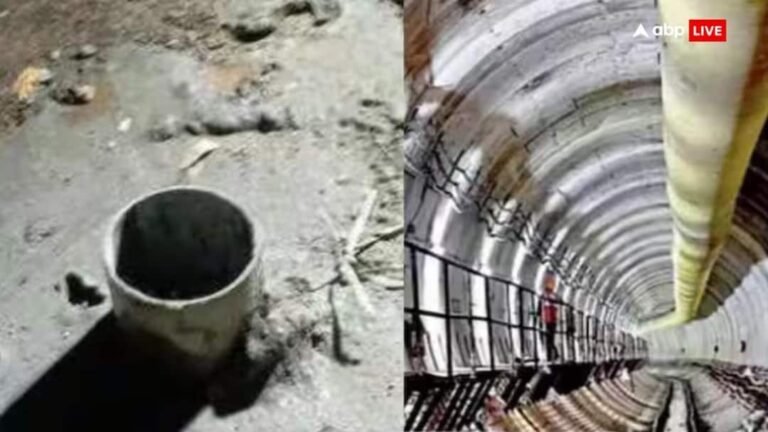
According to Maharashtra Metro Rail Corporation (Maha-Metro), the incident took place on March 14 near house number 415, located in front of Kharak police post on Shivaji Road in Shukrawar Peth area of ​​Pune. Here an old building was being demolished and a new building was being constructed. During construction, the borewell was being dug, during which the drill reached the metro tunnel located about 60 to 100 feet below and a hole was created in the concrete lining of the tunnel.

Metro operator Bhushan Baringe was the first to know about water filling in the tunnel. He noticed that suddenly water started accumulating in the tunnel between Swargate and Mandai station. After this he immediately informed the control room. When the technical team reached the spot and investigated, it was found that there was a hole of about 6 inches near tunnel line number 15/56 and ring number 471, from where a large amount of water was coming inside the tunnel.

Borewell dug up to 60 feet

According to metro rules, it is mandatory to take special permission for any kind of excavation or borewell around the metro route. However, the landlord Dhananjay Mote and the concerned contractor dug the borewell for about 60 feet without any permission. Due to this, the metro suffered a loss of about Rs 2.5 lakh and questions were also raised regarding the safety of the passengers.

In this matter, Joint General Manager of Metro Shantanu Gauratra lodged a complaint at Kharak Police Station. Senior Police Inspector Shashikant Chavan said that based on the complaint of the Metro administration, a case has been registered against the landlord and the contractor for damaging metro property and endangering the lives of passengers. Two people have been arrested in this case.

However, the Metro administration stopped the leakage and filled the hole with cement-concrete. Maha Metro has warned that such illegal digging can lead to a major accident.

Samsung’s Galaxy S26 Ultra still glued to bad habits • The Register

0

Samsung’s Galaxy S26 Ultra has once again scored a middling 5/10 from iFixit, suggesting that while the company knows how to build a repairable phone, it still won’t quite follow through.

In its teardown, iFixit describes a device that shows flashes of progress but remains weighed down by the same old problems that keep repairs harder and more expensive than they need to be.

“Parts of this phone suggest Samsung understands what repair-friendly hardware looks like,” iFixit concludes. “The company just keeps stopping short of fully committing to it.”

The biggest offender, again, is the display. As with previous Galaxy flagships, the screen is tightly integrated and heavily glued into the chassis, meaning even routine repairs can quickly turn into delicate, failure-prone operations. iFixit’s broader scoring criteria also take aim at factors beyond the hardware itself, including parts availability, documentation, and repair logistics – all of which continue to drag Samsung’s score down.

There are some improvements. iFixit notes that the internal layout is more considered, and certain components are easier to access than in older models, which shows Samsung isn’t ignoring right-to-repair pressure altogether.

However, the overall experience still reflects a company hedging its bets, offering just enough progress to point at without fully letting go of the glue-heavy, tightly sealed design philosophy that makes independent repairs painful.

A 5/10 score might have looked like progress a couple of years ago, but repeating it a generation later suggests Samsung has plateaued. For a device positioned at the very top of the Android market, that’s a hard sell, especially when repairability is increasingly being used as a competitive differentiator.

And competitors are starting to lean into that. The teardown lands just weeks after Apple’s budget-friendly MacBook Neo was dubbed its most repairable laptop yet, a rare moment where Cupertino made a point of improving access rather than locking things down further.

Samsung, by contrast, seems stuck in a loop: demonstrating it knows how to design more repairable hardware, then backing off before fully committing. The result is a mobile device that’s still not good enough to prevent a cracked screen from becoming an expensive ordeal. ®


Source link

Amer Fakhoury’s rescue anniversary exposes Hezbollah’s hold on Lebanon

0

NEWYou can now listen to Fox News articles!

This last week marked the anniversary of the rescue of my late father, Amer Fakhoury, a Lebanese-born Christian, by our government from Beirut, where he had been unlawfully detained for seven months by Hezbollah. His case was not an isolated incident, but rather a revealing moment that exposed a deeper and more troubling reality within Lebanon’s political and security landscape.

For decades, Hezbollah, backed by the Islamic Republic of Iran, has exercised significant influence over Lebanon’s institutions. While this influence has long been understood by observers, the events of 2019 brought it into sharp focus. The detention of an American citizen, and the circumstances surrounding it, demonstrated how non-state actors could operate with impunity, effectively overriding the authority of the Lebanese state.

AS IRAN’S LEADERSHIP SHIFTS AMID WAR, HEZBOLLAH MOVES TO RESET THE BALANCE: EXPERT

IDF striking Hezbollah targets in Beirut.

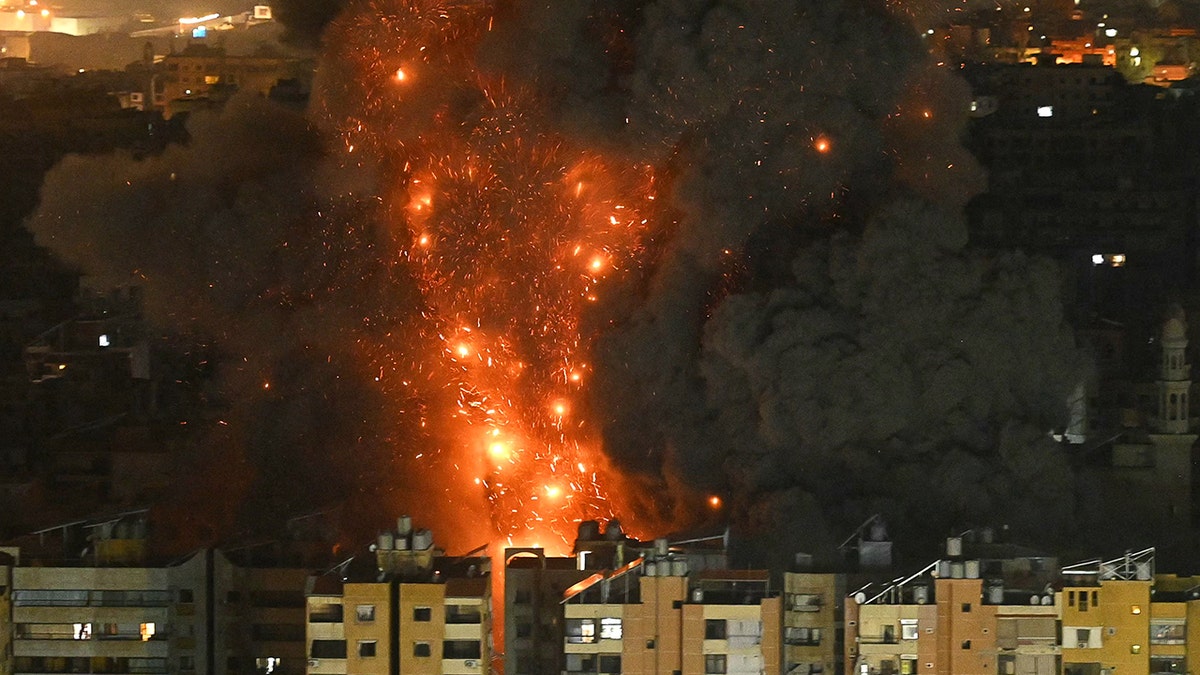
A fireball rises from the site of an Israeli airstrike that targeted an area in Beirut’s southern suburbs overnight March 10 to 11, 2026. (Fadel itani / AFP via Getty Images)

That reality was further reinforced in 2025, when a United States federal court ruled in favor of Amer Fakhoury, holding Iran responsible for its role in his unlawful detention through its support of Hezbollah. 

This landmark judgment affirmed what many had warned for years: that such detentions are not random incidents, but part of a broader, coordinated system backed by a foreign power and executed through Hezbollah’s entrenched presence in Lebanon. Today, the consequences of that system are once again unfolding in a far more devastating way.

For decades, Iranian-backed militias in Lebanon, most notably Hezbollah, have acted on behalf of the Islamic Republic of Iran. In 2006, Hezbollah dragged Lebanon into a war with Israel after launching a cross-border raid, killing and capturing Israeli soldiers, which triggered a full-scale conflict that caused widespread devastation across Lebanon.

Amer Fakhoury

Amer Fakhoury after getting U.S. citizenship. (Courtesy of the Fakhoury family)

We saw this pattern repeat following the Oct. 7 attacks in Israel, when Hezbollah began launching missiles into northern Israel in support of Hamas the very next day. And we see it once again today, as Hezbollah has initiated further attacks against Israel in response to the killing of the supreme leader of the Islamic Republic of Iran.

Lebanon once again finds itself in a destructive conflict with Israel. This escalation did not arise from the collective will of the Lebanese people or through the formal institutions of the Lebanese government, it was instead triggered by unilateral actions taken by Hezbollah. The result has been catastrophic. 

Lebanese civilians are bearing the brunt of the violence, with widespread destruction, mass displacement and an economy pushed even further toward collapse. Families who have already endured years of political instability, financial crisis and institutional failure are now facing yet another layer of hardship.

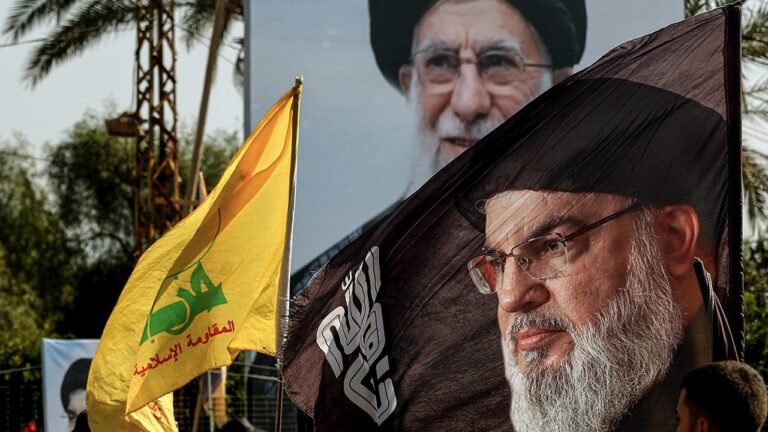
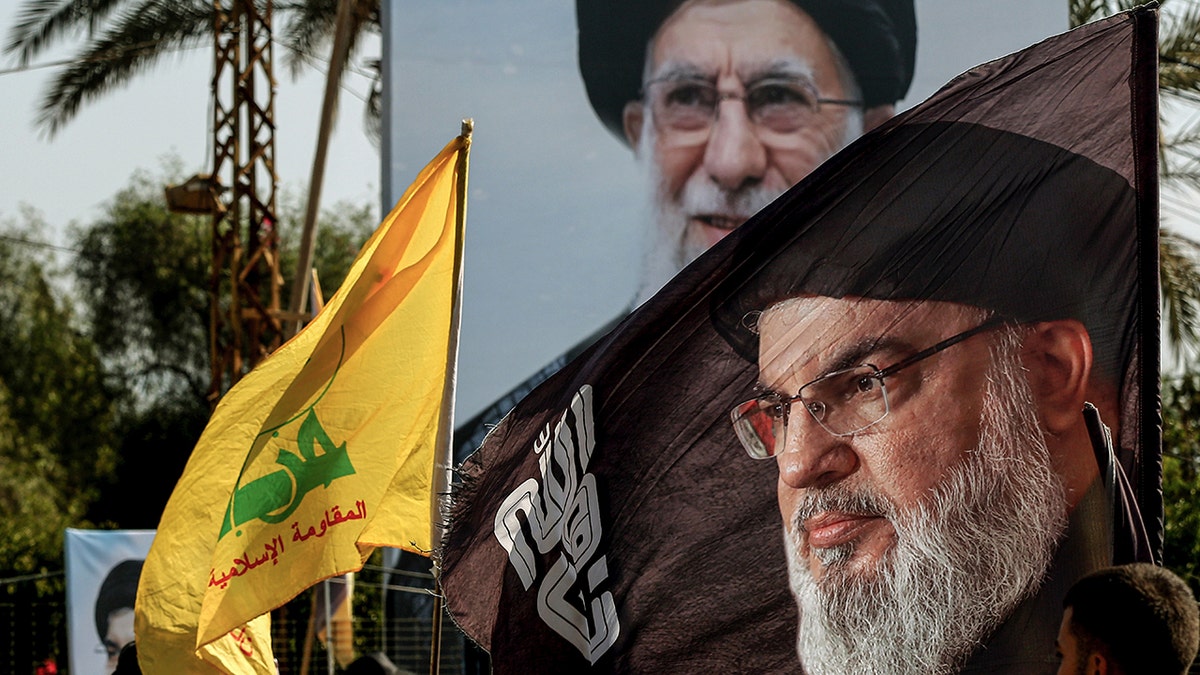
A poster showing Iranian Supreme Leader Ali Khamenei is displayed in Beirut, below a flag bearing the image of assassinated Hezbollah leader Hassan Nasrallah.

A flag bearing the picture of assassinated pro-Iranian Hezbollah leader Hassan Nasrallah flutters in front of a picture of Iranian Supreme Leader Ali Khamenei during a ceremony marking the first anniversary of Nasrallah’s assassination in an Israeli airstrike at his grave in Beirut. Beirut, Lebanon, Sept. 27, 2025. (Marwan Naamani/picture-alliance/dpa/AP Images)

CLICK HERE FOR MORE FOX NEWS OPINION

This moment underscores a fundamental and urgent truth: Lebanon is not fully in control of its own sovereignty.

Decisions of war and peace, which should rest with a nation’s government and its people, are instead being made by an armed group operating outside state authority. The same dynamics that enabled the unlawful detention of Amer Fakhoury are now dragging an entire country into conflict.

It is important to be clear. The people of Lebanon are not the architects of this war. They are its victims. Many have consistently voiced their desire for stability, sovereignty and a future free from external domination and internal coercion.

amer fakhoury and trump

During President Trump’s first term, his administration helped secure the release of New Hampshire businessman Amer Fakhoury. (Fakhoury Family)

Yet even those that speak out often face intimidation and threats. In recent days, MTV Lebanon, one of the few media outlets willing to openly criticize Hezbollah, has been targeted by cyberattacks. At the same time, Hezbollah’s leadership has issued threats of a civil war breaking out within Lebanon.

CLICK HERE TO DOWNLOAD THE FOX NEWS APP

The conditions that led to Amer Fakhoury’s detention were not resolved, and today, those same conditions are producing consequences on a much larger and more devastating scale.

Until Lebanon can reclaim full sovereignty over its institutions and decisions, incidents like Fakhoury’s detention, and crises like the current war, will continue to define its trajectory.


Source link

Ayodhya News: ‘Those who forget Ram and the country are enemies’, Bitta gave a big statement on terrorism and Khalistan

0

There is big news from Ayodhya, where President of All India Anti-Terrorism Morcha and former Punjab Government Minister Maninderjit Singh Bitta reached Ramnagari. During this, he visited Hanumangarhi and Ramlala’s court and prayed for the safety and peace of the country. While talking to the media, Bitta openly expressed his views on terrorism, Khalistan, international situation and politics.

‘Those who forget Ram and the country are the enemies of the country’- Bitta

Maninderjit Singh Bitta, who reached Ramnagari, said that he comes to Ayodhya not for any selfishness but to wish for the security and prosperity of the country. He prayed to Lord Shri Ram for the security of the country’s borders, the safety of the soldiers and the strength of India. Also the Prime Minister Narendra Modi and Chief Minister Yogi Adityanath Also wished for long life. Bitta said that the country has become stronger due to the removal of Article 370 and strict action against terrorism. He clearly said that those who forget Ram and the country are the enemies of the country and Mother India is supreme.

Speaking on the Iran-Israel war, Bitta said that war is not the solution to any problem and it is affecting the entire world. He said that in India also the impact of things like gas and petrol is visible, in such a time the countrymen need to remain united. Referring to Prime Minister Modi’s message, he said that just as people supported during the Corona period, similarly cooperation is necessary even now.

‘If you try to create Khalistan, you will have to go through our dead bodies’

On the question asked about the film ‘Dhurandhar 2’, Bitta said that such films should be made which bring out the truth of those who support terrorism. He also took a very strict stand on the Khalistan issue and said that Khalistan has never been created, will never be created and will not be allowed to be created. If anyone makes such an attempt, he will have to pass through our dead bodies. He appealed to the Sikh community to openly oppose such elements and remain united in the national interest.

Bitta said that our guru was from India and we are all Indians. Talking about the respect for the tricolor, he said that if someone insults it then there should be protest against it. In the end he said that his identity is first of all that of an Indian and this should be the identity of everyone.

Access Denied

0

Access Denied You don’t have permission to access “http://hindi.gadgets360.com/mobiles/redmi-15a-5g-to-launch-on-27-march-in-india-know-specs-news-11265005” on this server.

Reference #18.4d560e17.1774480113.18531f61

https://errors.edgesuite.net/18.4d560e17.1774480113.18531f61

Puravankara plans ₹55,000 crore project pipeline across South India and Mumbai

0

The company said the pipeline is expected to generate approximately 8 million man-days of direct employment annually and support over 250 ancillary industries.

The company said the pipeline is expected to generate approximately 8 million man-days of direct employment annually and support over 250 ancillary industries.

Puravankara Ltd announced on Wednesday a portfolio of 30 projects to be launched over the next 24 months, spanning south India and Mumbai, with a combined gross development value (GDV) exceeding ₹55,000 crore. The stock responded sharply, closing 5.55 per cent higher at ₹181.69 on the NSE, touching an intraday high of ₹187.

The planned pipeline covers nearly 51.14 million sq ft of developable area. The company said a significant number of the 30 projects are already in the approvals stage, with the remainder in design and set for approvals shortly.

Managing Director Ashish Puravankara framed the announcement as the company’s “next leap”, citing stronger organizational capabilities and confidence in India’s structural housing demand. CEO – South, Mallanna Sasalu, described the projects as “integrated communities” rather than standalone developments.

For the nine months ended December 2025 (9M FY26), the Bengaluru-headquartered developer reported pre-sales of ₹3,859 crore and customer collections of ₹3,045 crore. The company said the pipeline is expected to generate approximately 8 million man-days of direct employment annually and support over 250 ancillary industries.

10k run

Puravankara also used the announcement to reinforce its sustainability agenda. The company, in its Golden Jubilee year, reiterated a pledge to plant one million trees by 2030 under the World Economic Forum’s 1t.org initiative. A 10k run on March 29, 2026 will accompany the planting of 10,000 trees.

As of December 31, 2025, the company has completed over 93 projects totaling approximately 56 million sq ft across nine cities. Its total land bank stands at roughly 38 million sq ft, with ongoing projects at 34 million sq ft.

Published on March 25, 2026