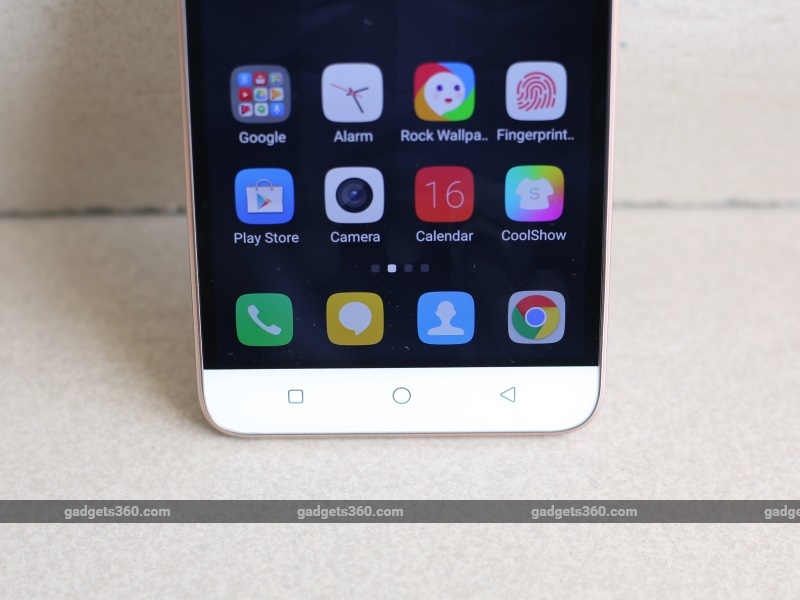
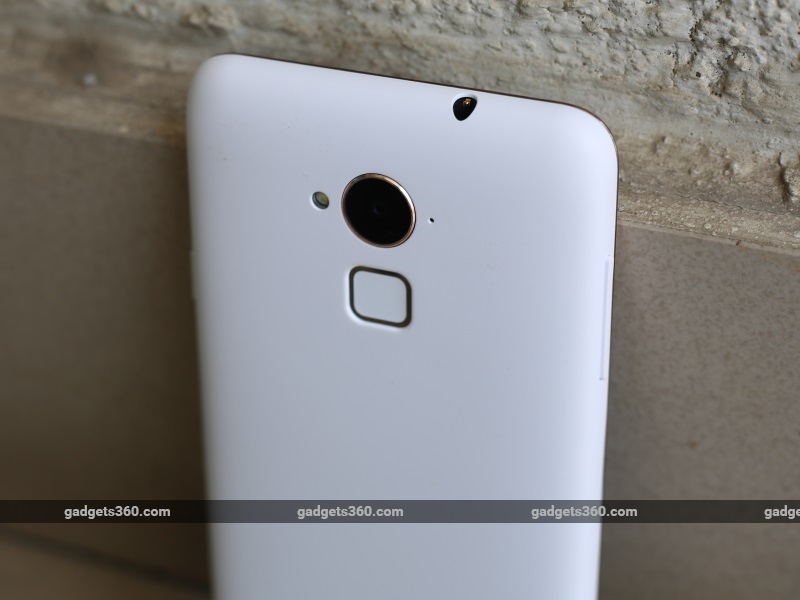
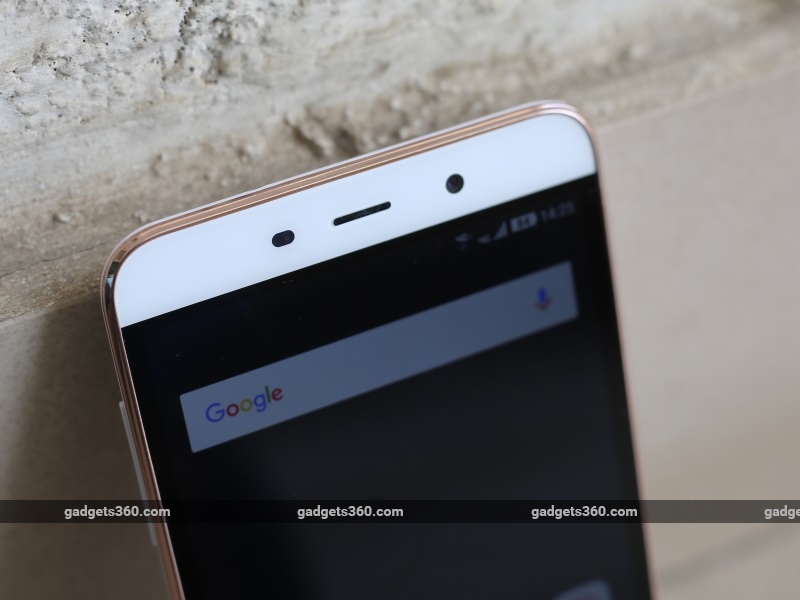
Review of Asus Zenfone Max (2016)

0

In Asus’s most popular smartphone Asus Zenfone Max ,Review) It is counted. Launched in January this year, this smartphone relieves battery problems like many other smartphones. Although most of the other specifications of the phone were good, but in terms of battery, this smartphone proved to be much better than expected.

Now the company has made a new variant of this phone at a price of Rs 9,999 Asus Zenfone Max (2016) Has launched Like the biggest feature of your previous smartphone (battery life), this phone is expected to have a great battery life. Apart from this, the second specification has also been upgraded in the phone. Asus has also launched this new smartphone at the original price of original Zenfone Max. So now it will be interesting to see if Asus’s Zenfone series benefits from the new Zenfone Max. Today we will review the new Zenfone Max (2016) and know all the features and shortcomings of this phone.

Look and design
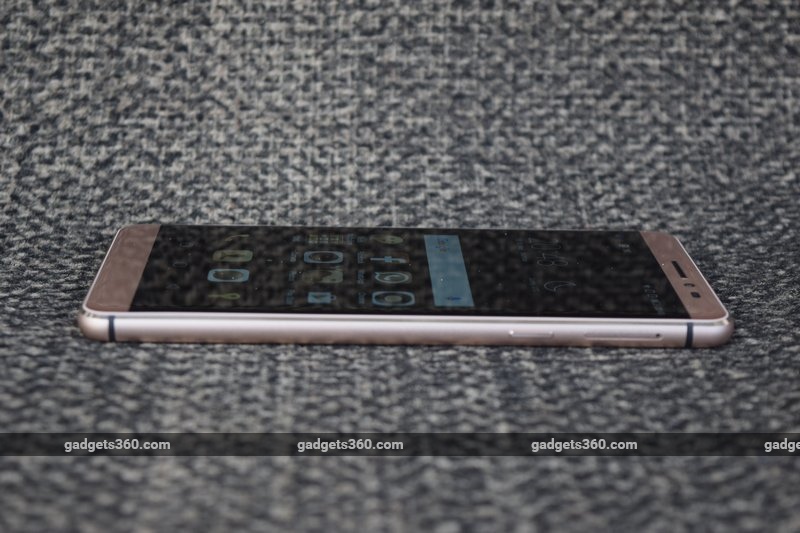
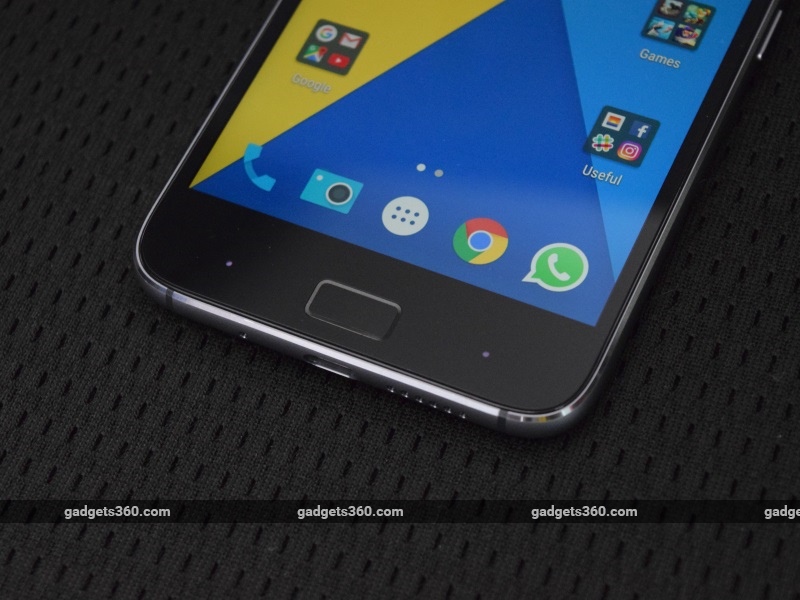
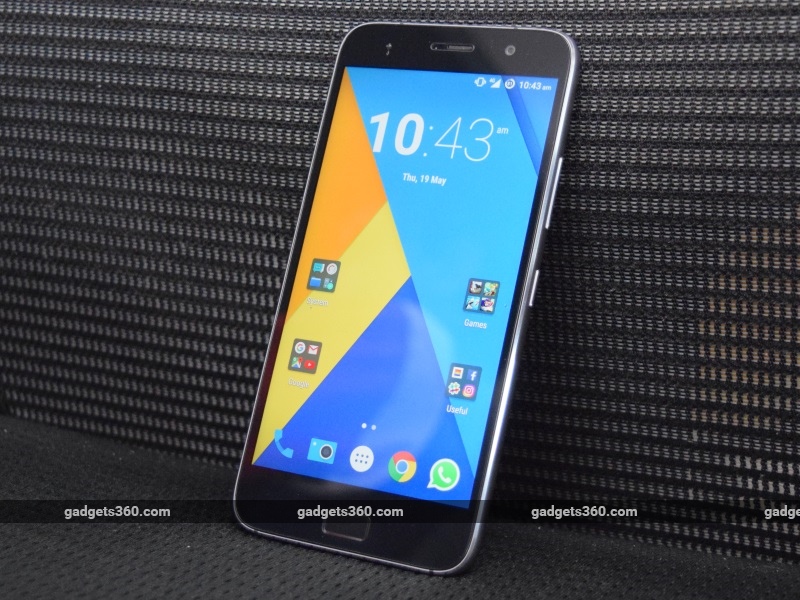
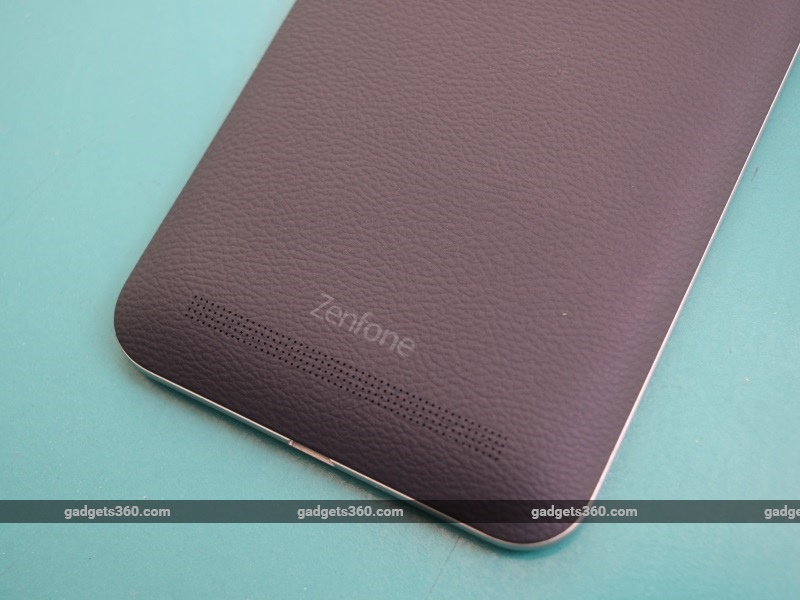
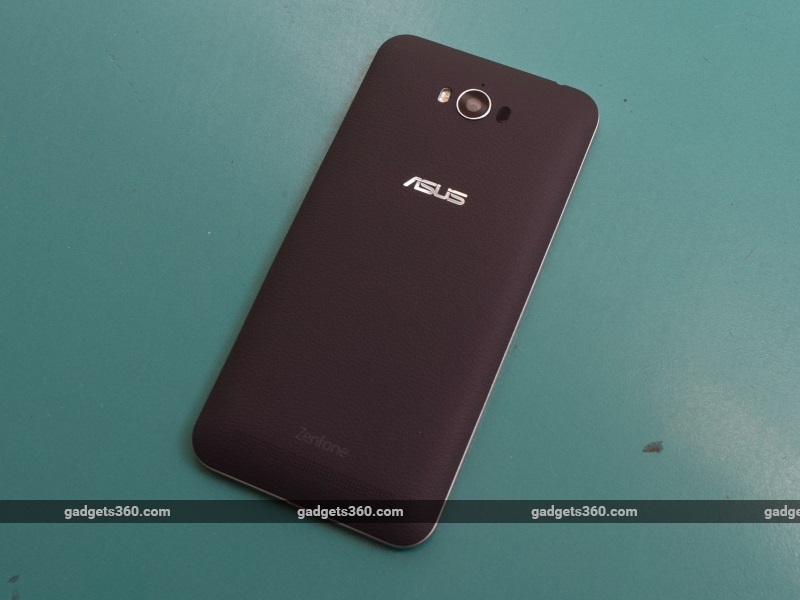
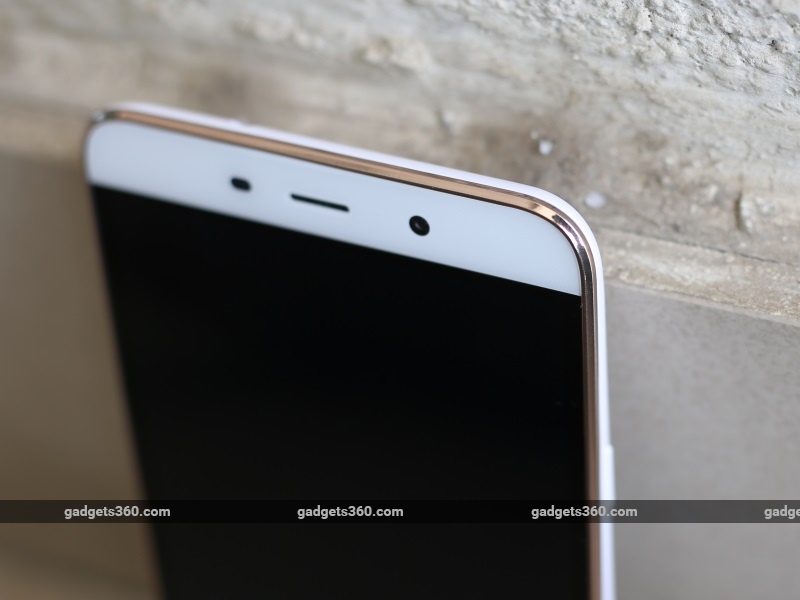
The look, body, design and texture of Zenfone Max (2016) is also similar to the previous Zenfone Max. This includes detachable rear covers, gold trim along the edges, and the dislikes of Asus. The 2016 variants will also be found in two new color variants Blue and Orange. If you take a black or white color variant, then you may not be able to differentiate between new and old Zenfone Max.

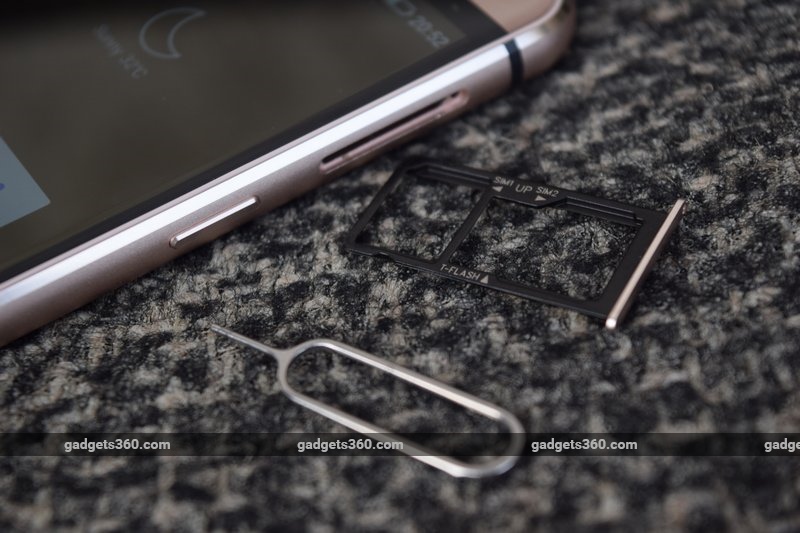
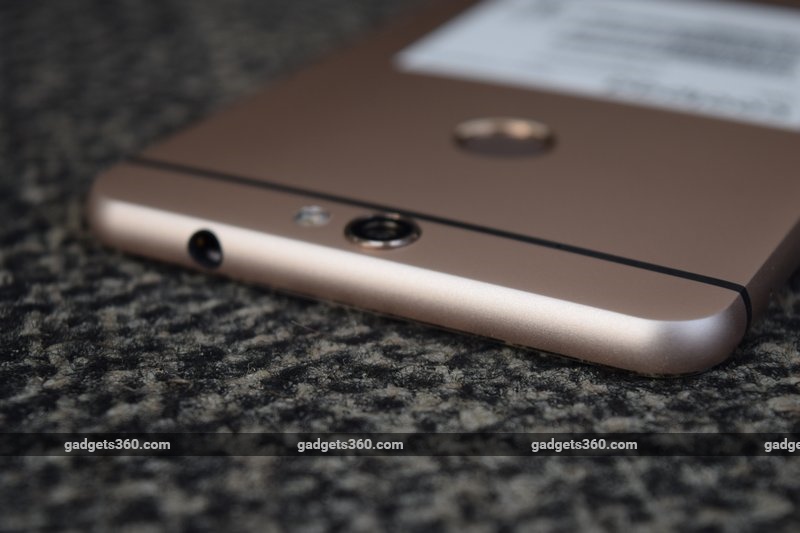
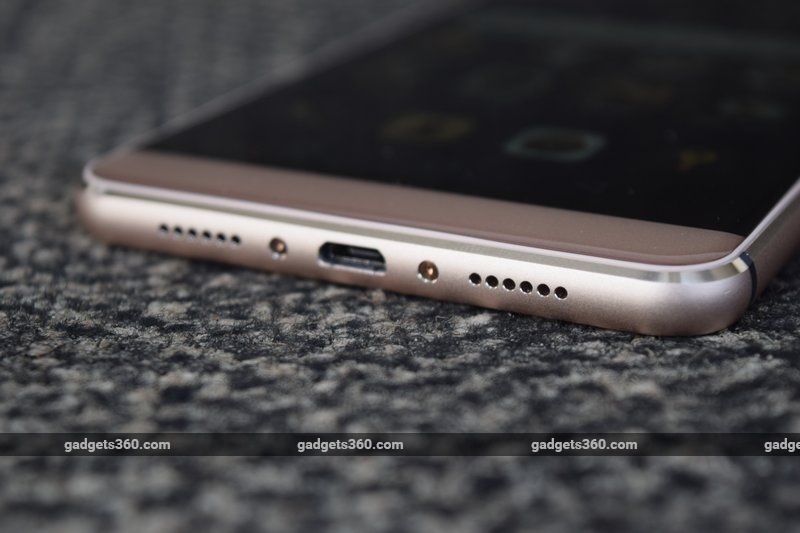
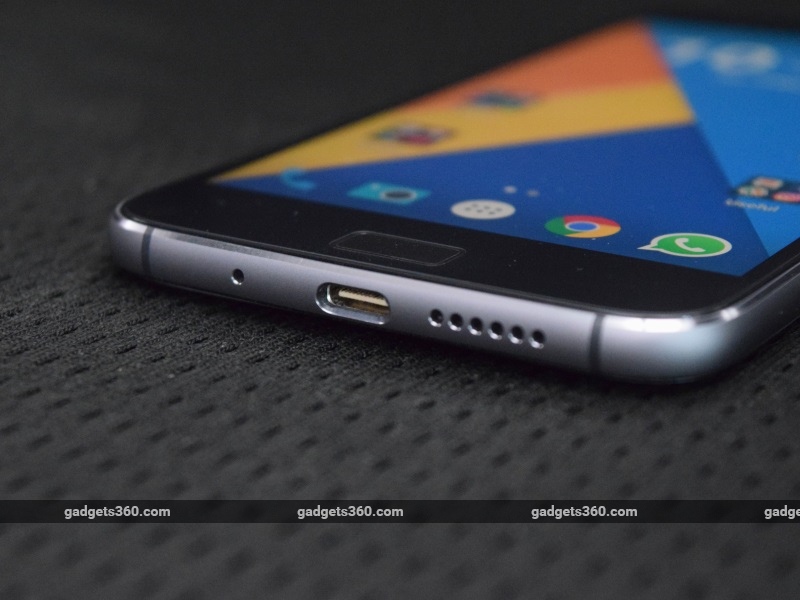
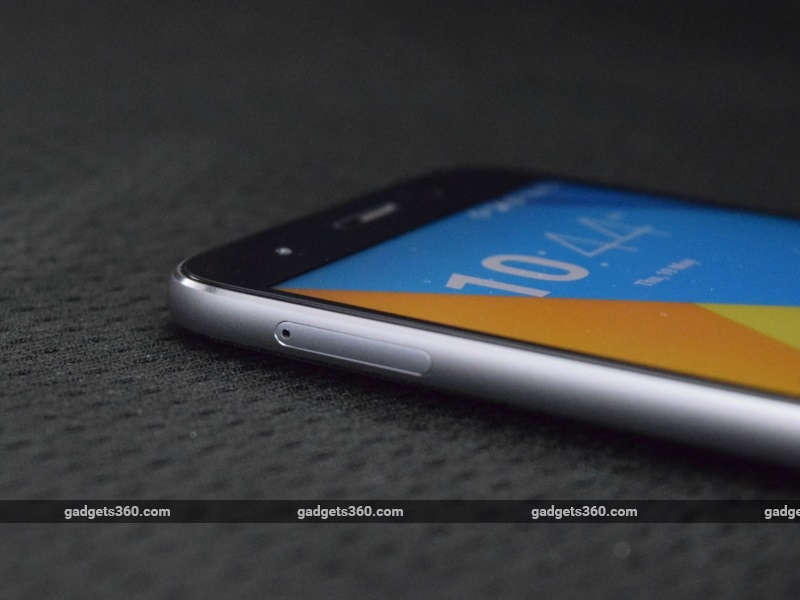
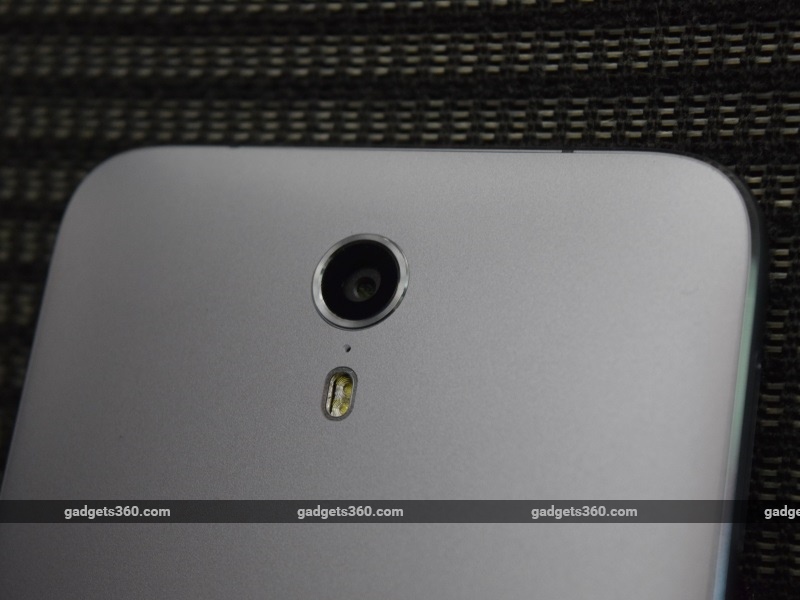
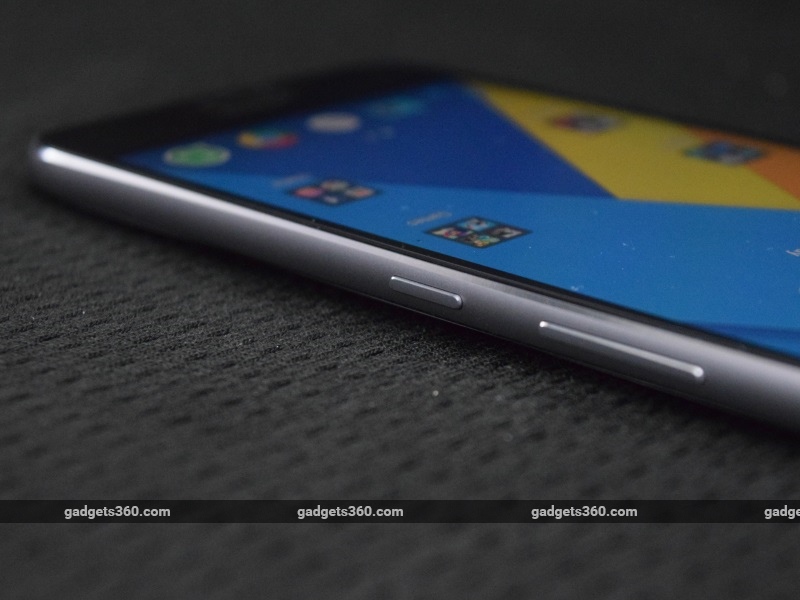
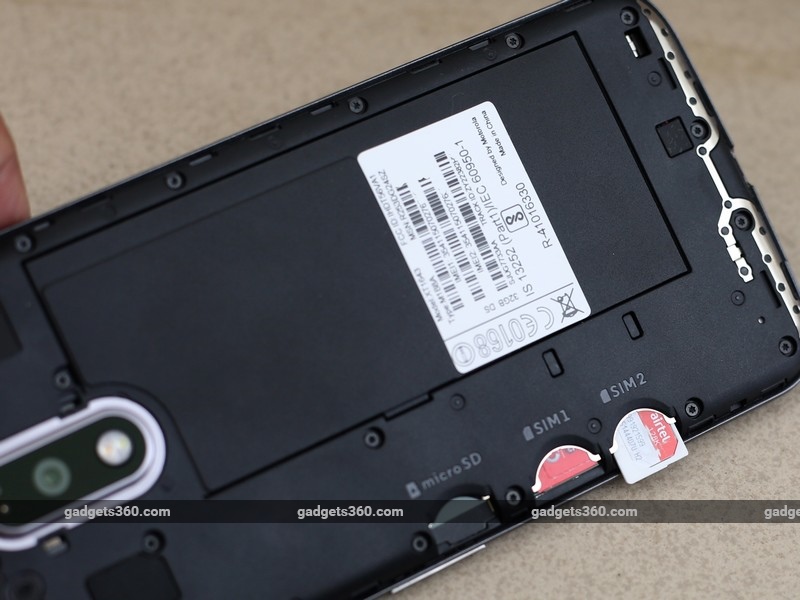
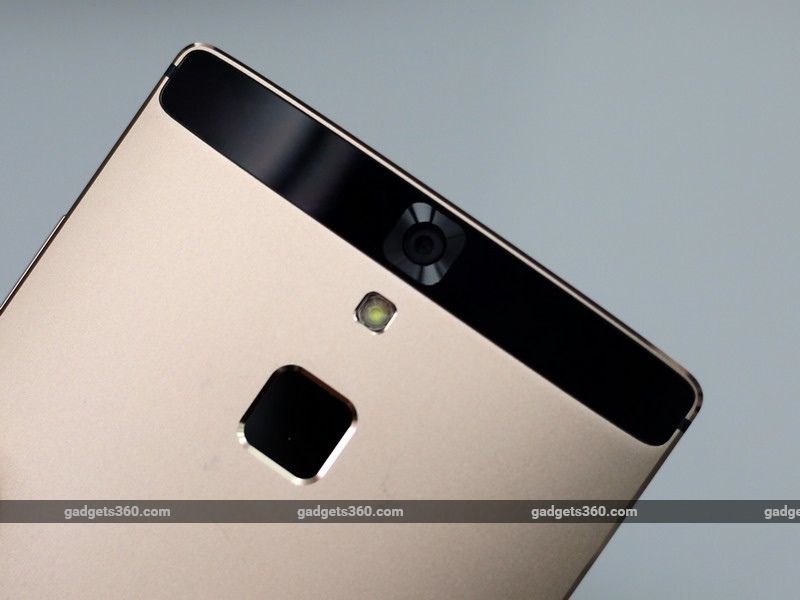
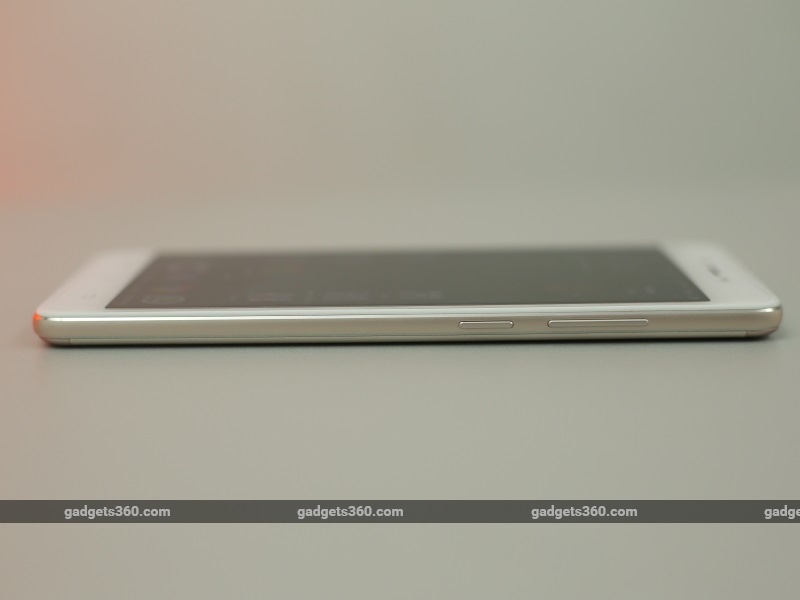
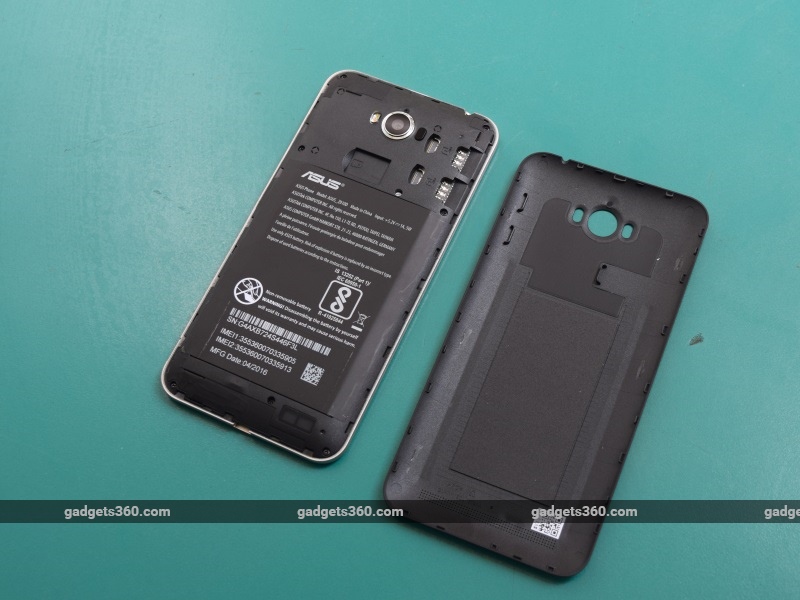
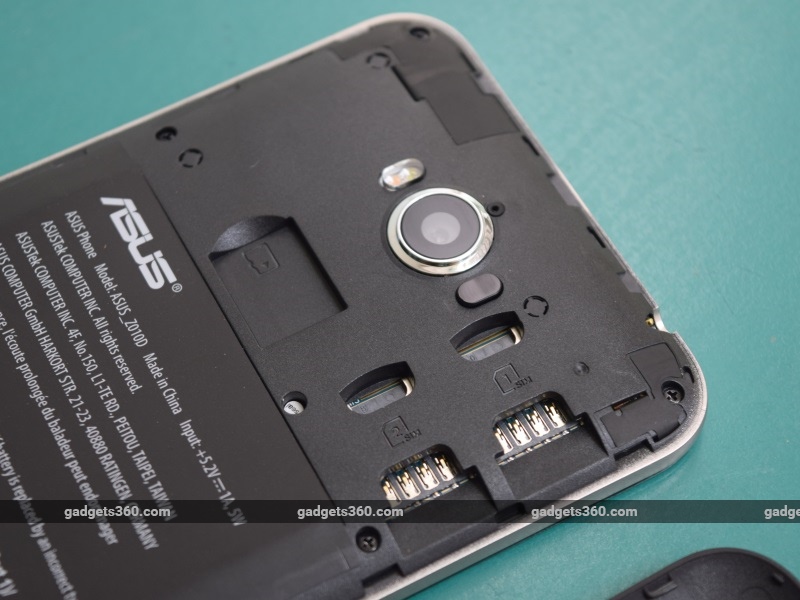
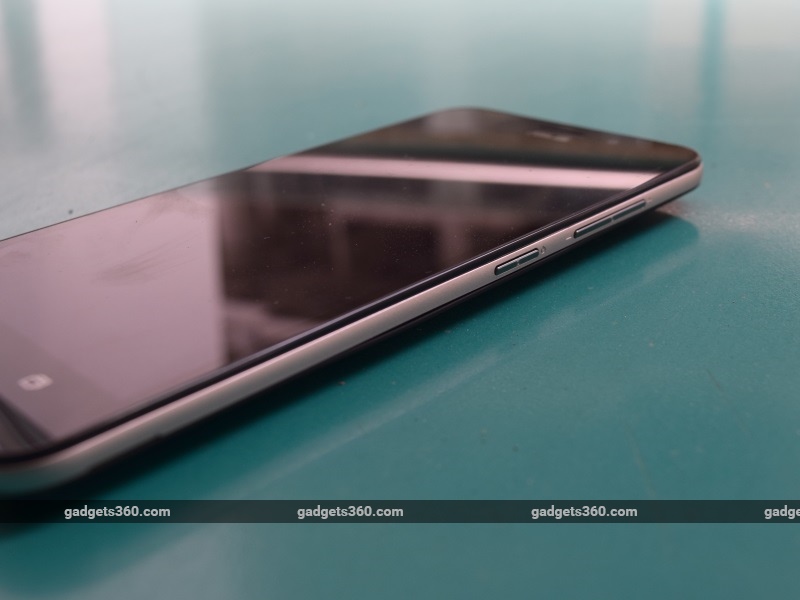
Talk about design and layout, then Zenfone Max (2016) has all the basic features. Power and volume buttons are on the right side. At the bottom, there is a micro-USB port and upward 3.5mm audio shock. The rear panel can be removing that on removal shows two SIM slots and an expandable storage slot. The battery is non-removable. Asus has not converted his well-known design in this phone in 2016.
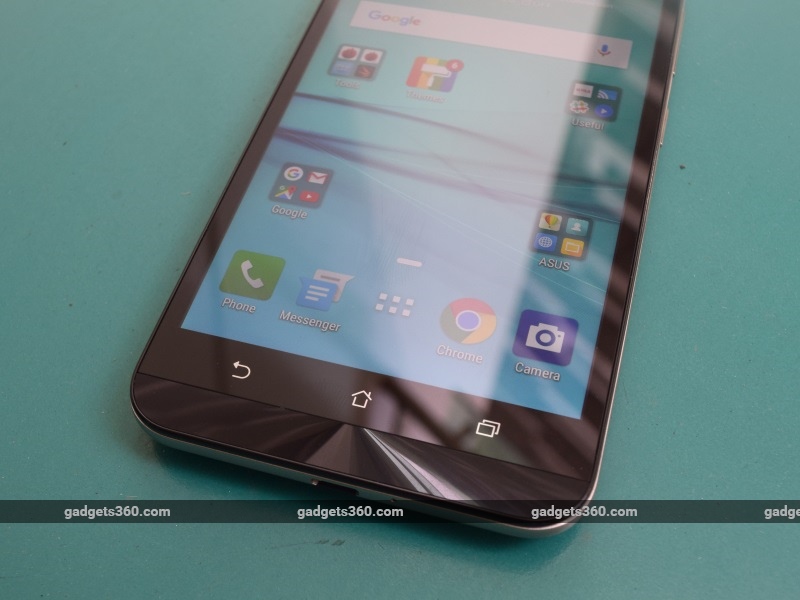

The 5.5 -inch IPA screen of 720×1280 pixels resolution given in the phone could be improved more. Despite the price of Rs 9,999 (price of 3 GB RAM variant at Rs 12,999) Asus has not given a good high-government screen in this phone. Other phones like Coolpad Note 3 Plus ,Review) It is disappointed when compared with full-HD display and 3 GB RAM at a low price. Apart from this, Zenfone Max (2016) also does not have a fingerprint sensor. The absence of a tough competition in the market also disappoints it.

The screen is the same as before and due to low resolution, battery life is definitely better. If the battery life matters the most for you, then low resolution and low detail screens may not be troublesome for you.

Specification and software
Asus can see a big difference as a specification on both generations of Asus Zenfone Max. The new Asus Zenfone Max (2016) has a more powerful Qualcomm Snapdragon 615 processor. However, now more new processors are also available, but Snapdragon 615 is definitely upgraded and better than Snapdragon 410 given in Old Zenfone Max. Apart from this, the second biggest difference is to increase from 16 GB of inbuilt storage to 32 GB. In a variant of the new Zenfone Max (2016), RAM is 2 GB but you can buy 3 GB RAM variants for a price of Rs 12,999. It is worth noting that you get only 1 GB RAM more than giving a higher price of Rs 3000 because apart from this there is no other difference between the two variants.

The new phone also has a 5000 mAh battery like the old Zenfone Max. However, the power adapter is better than before and it is 5.2 watts. But it is extremely low to charge a 5000 mAh battery. It takes 5 hours to make the phone full-charged with this charger. If you buy Zenfone Max (2016), then you will definitely want to buy another better charger.

The 2016 variant has Android Marshmallow. Asus had issued a list that the old Zenfone Max would get Android Marshmallow updates. All the main features of Android M are present in this phone including ‘Do not disturb mode’, ‘Dose mode’, ‘Now on tap’ and new design of app permission.

However, the user interface is still Asus ZenuI. For the first time, about 50 apps need to be updated immediately. Apart from this, app and service continuously gives notifications to activate the battery saver mode, such as an account setup, for some things. However, despite some problems, this interface also has some benefits.

Camera
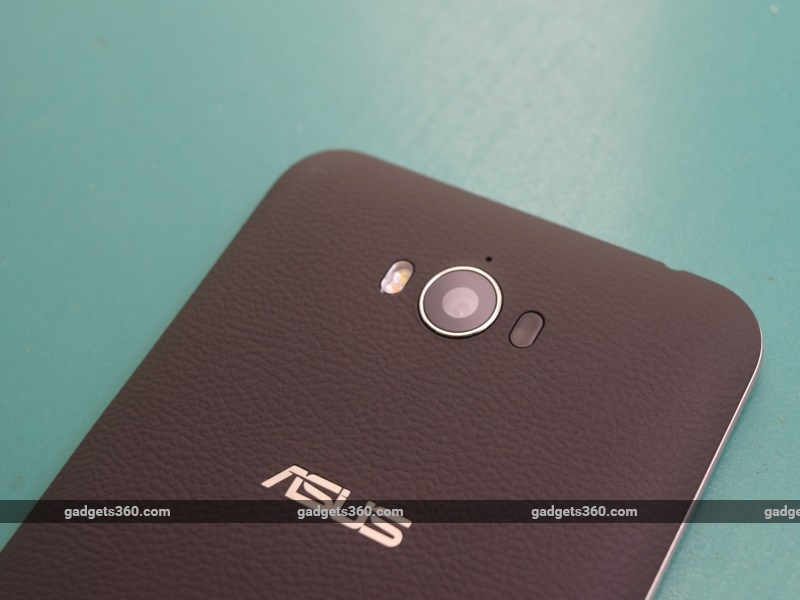
In the old Zenfone Max, the same camera with a laser autofocus system was given as the Asus Zenfone laser. The price of the company was to give the best camera performance at the time of its launch. Now the 2016 variant has also been launched with the same camera. The Zenfone Max (2016) has a 13 -megapixel rear camera and a 5 -megapixel front camera. Dual-tone LED flash and laser autofocus have been given on the rear itself. A video of 1080 pixels -30 frame/second resolution can be recorded from both cameras.

The camera app in the new Zenfone has improved a bit than before. The setting menu has improved compared to earlier but most apps are the same as before. The phone has a lot of photography modes and the focus is very fast and accurate due to the lazor system.


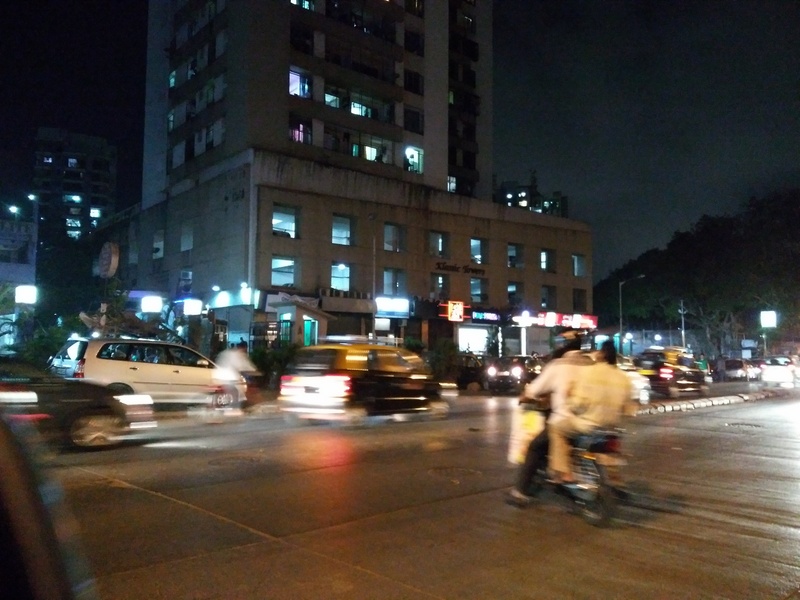
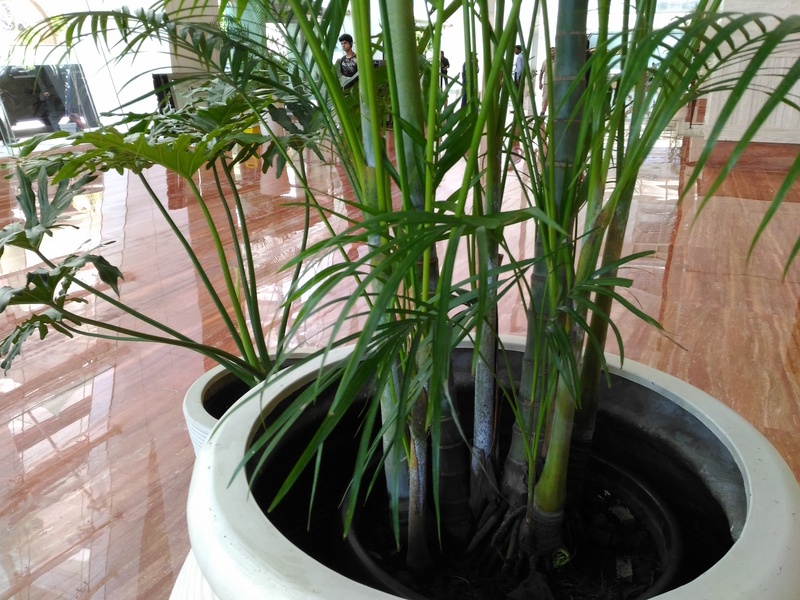
The camera performance in this phone with the camera and focus system given in the previous two Asus phones is the same as before. Indoor and close-up shots are very spectacular. The outdoor shots are a little washed out but can be said to be better. Videos and photos with front cameras come fantastic, especially during recording on 1080 pixels -30 frames/seconds.
Performance
The biggest difference in the old Asus Zenfone Max and 2016 variants is the performance of the phone. While the old device runs on the budget Snapdragon 410 processor, the new device has a more powerful upgraded Snapdragon 615 processor. Snapdragon 615 processor has proved to be a better performance in the mid-range smartphone earlier this year and earlier this year. However, at present, this price phone is being given a much better and powerful options and many users may not like an old processor.

Asus in the benchmarking test from Asus Zenfone Max (2016) got good as expected. Most of the tasks can be done easily from playing games in the phone. The new phone figures were better than the old Asus Zenfone Max.

The phone provides good call quality. Apart from this, along with 4G connectivity, the phone works excellent on Wi-Fi and mobile networks. The single speaker given in the phone is a bit weak but the sound quality found while using the headphone is good.

Talk about battery life, Asus Zenfone Max (2016) meets our expectations. In our video loop test, the phone’s battery lasted for 18 hours, 4 minutes while Original Zenfone Max’s battery life lasted for 25 hours. This is probably due to Snapdragon 410 having more energy efficient of Snapdragon 615. But, the phone’s battery is still very good and the phone lasts for two days when charged once during normal use.

Our decision
Through the Asus Zenfone Max (2016), the company definitely try to collect more customers than its best-selling product. The performance in the new phone has improved than before, while the battery life and cameras do the same work as before. Although the battery life is little less than the original phone, it is still enough to attract customers.

However, Asus has not improved many other important features. The phone has not given a fingerprint sensor, with this feature, this phone could have given a tough competition to many other phones in this price. 3 GB RAM could be given at a price of Rs 9,999, but it disappoints no other difference other than 1 GB RAM by paying Rs 3,000 more. ZenuI is worse than being better. This could be improved further by giving full-HD display in the phone.

Despite all this, if the battery life matters to you, then Asus Zenfone Max (2016) is a great phone at a price of Rs 10,000. Despite the second improvement in the phone and lack of features, the performance of the phone is good. So if you are looking for a phone with a price of less than Rs 10,000, then Asus’s new Zenfone cannot ignore Max.
Coolpad Note 3 Plus Review

0

Launched in October last year Coolpad Note 3 (Review) attracted our attention. This phone, which came with the perfect fingerprint sensor for Rs 8,499, attracted everyone’s attention. Soon after Coolpad Note 3 Lite ,Review) Good specifications were also given with fingerprint sensor in the launched Coolpad Note 3 Lite.

Now Coolpad has a third variant Coolpad Note 3 Plus Launch Has done This smartphone has been launched by the company at a price of Rs 8,999. Before the price cut The original price of Coolpad Note 3 was the same. This phone has little difference from the previous cooling note that makes it different from the old phone. Today we Coolpad Note 3 Plus Will review and learn about its merits and shortcomings.


Look and design
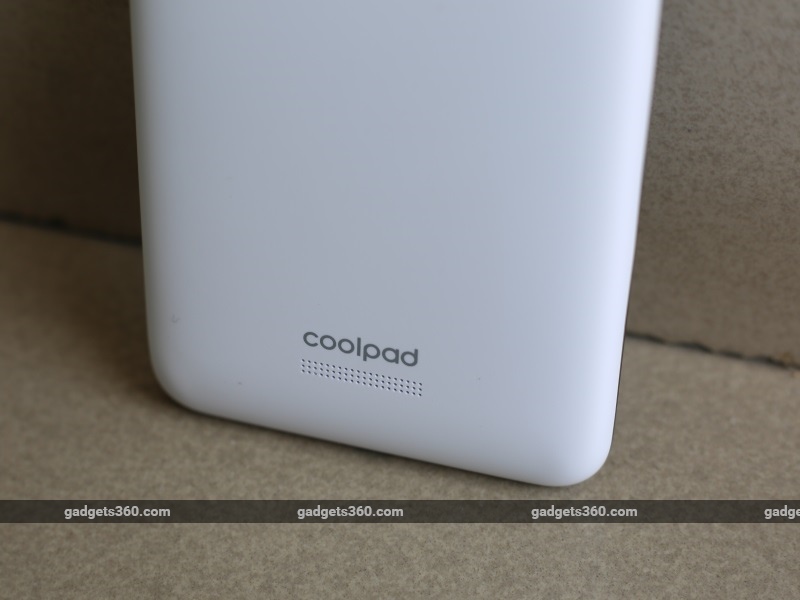
Two big differences can be clearly seen in Coolpad Note 3 and Note 3 Plus. The new Coolpad Note 3 Plus is slightly more heavy and has a full-HD screen while the Coolpad Note 3 had a 720×1280 pixel resolution screen. Apart from this, the Coolpad Note 3 Plus comes with new logo of coolpad but does not affect the second specification or feature of the phone. Apart from this, there is also no difference between Coolpad Note 3 Plus and Note 3.

The coolpad Note 3 Plus available at a price of Rs 8,999 is a great phone. The front of the phone looks quite good due to the edge-to-edge screen. However, a black border can be seen on both sides when viewed closely, but it does not have much effect. Additionally, the metallic strip (Champagne Gold in our review unit) present in the next part makes the phone more sharp and better.


Despite being made of plastic, the coolpad note 3 feels heavily felt when caught in the hand. Due to coming with a 5.5 inch screen, this phone is already in the phablet category but its extra weight also includes the phone in the phablet category. If you are fond of big screen then it is not bad to happen. Apart from this, the layout is similar to the previous phone, the power button on the right side, the volume button on the left, the top of the 3.5mm shock and the micro-USB port at the bottom. The rear has camera, flash and fingerprint sensors and speakers. Capacitive button is not backlit and it would have been better if these buttons were on-screen.

The biggest improvement in this new note of coolpad has been in the display. The Note 3 Plus has a 5.5-inch full-HD IPS screen, making it more sharp than the previous phone. Things like photos, videos and games can be seen with great experience in this display. However, it is not as bright and vibrant as we want. The color is slightly dull. But most of the devices in this price do not have a full-HD screen, so the screen of Note 3 Plus can be said to be much better.


Specification and software
Equality in Note 3 Plus and Note 3 continues here. The new device has exactly the same specifications as old phones. But, at the time of the review of Note 3, launched in October, this hardware could be called good, but now it seems a bit old. Most of the smartphones coming nowadays no longer the MediaTek MT6753 processor. Rather, smartphone makers are using new and more powerful MediaTek and Qualcomm processors instead.

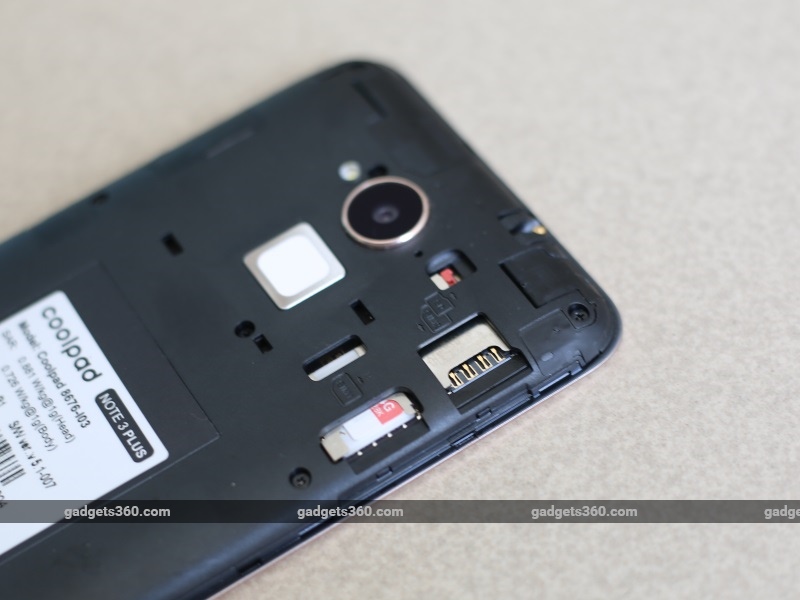
As before, the coolpad Note 3 Plus has 3 GB RAM and 16 GB internal storage. In this smartphone coming with dual SIM support, storage can be increased (up to 64 GB) with the help of microSD card. The phone has a 3000 mAh battery. FDD-Band 3 and TDD-Band 40 support on 4G connectivity on both SIM slots. Specifications in this smartphone coming at a price of Rs 8,999 are quite good.


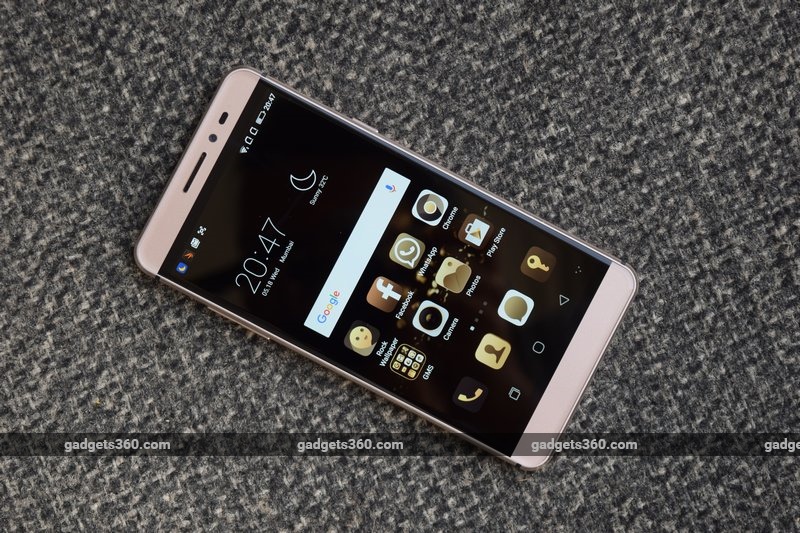
Coolpad Note 3 Plus runs on Android 5.1 Lollipop on which CooluI 6.0 is given. The phone uses exactly the same UI which was in Note 3. Due to poor translation from Chinese to English language, many words in the system are very strange and overall we found the entire interface cartoon. The interface is sing-lyrical but you can activate a ‘traditional’ mode that the interface switchs into a dual layer with a deadly app drawer. The interface works without any problem, but the skin does not appear polished.

Setting apps and testipation sheds also show chronicness. This phone also has a coolpad explore keyboard with Yahoo search and tracking integrated. If you are in the desire of a phone whose interface is very clear then the coolpad note 3 plus is not for you.

The fingerprint sensor is very accurate and works at just once on most occasions. You will be able to unlock the handset by placing your finger in any angle. Five fingerprint scanners can be stored in the handset. And it can also decide which fingerprints have to open the app, call and take photos.


Camera
Coolpad Note 3 Plus has a camera like the previous phone. The camera performance is also as expected. A 13-megapixel rear camera with a single-tone LED flash takes pictures of landscape and macrose with details in natural light. However, we realized that sharpness was low in the closeup shot. Pictures taken in indoor and low lights were high. Panorama is easily stitch and their quality is also good.

In good light, good pictures come from the camera. Looking on the phone, the photos look vibrant and sharp. But the pictures look scattered on the big screen and the color also gets dalled. But according to the price, the camera is good and the user who buy this price phone will like it. The 5 megapixel front camera is effective in taking selfies, but only in daylight.


You will be able to record 1080 pixels videos and their quality is fine. The camera app is the same as before and not very good and there is no option to change it. However, its interface is simple and easy to use.

Performance
However, this phone runs on the old MediaTek MT6753 processor, but the performance of the phone is fine. The phone runs well due to 3 GB RAM.

You will easily play games like Ski Safari 2 on it. The phone did not even have difficulty in running games like Dead Tiger 2. We did not have much problem in multitasking. 1.8 GB RAM is available all the time. While playing the game and working for a long time, the phone gets slightly hot but does not look uncomfortable to use. There is no problem while watching the video in the phone.

Note 3 Light Plus gave the same results in the benchmark test just like its previous phone. But the graphic figures were slightly bad due to high-government screens.


The battery capacity in the phone is low after upgrade on the full-HD screen. The 3000 mAh battery lasted 10 hours 12 minutes in our video loop test. During normal use, we were able to easily run the phone throughout the day. Call quality is good and we did not have any problem in 4G networks. The single speaker also brings good quality.

Our decision
There is nothing in the Coolpad Note 3 Plus smartphone to say that some new features have been included in the coolpad note series. It seems that the company has launched this product with the intention of introducing just a new product. This smartphone, which comes with a high-government screen and fingerprint sensor, will compete with a category less than Rs 10,000. But some customers may be disappointed with its peculiar interface.

Coolpad Note 3 Plus is a great package that has good features according to the price. The phone has a fine screen, magnificent camera and instant and accurate fingerprint sensor. However, despite all this, it is not the best handset in its segment. In such a situation, you have to decide which features and specifications you need more.

Coolpad Max Review

0

Coolpad had an entry in India about a year ago with Daizen. But this partnership broke down a month later. After this, the routes of the two Chinese companies separated. Today, the company we know by the name of coolpad has noticed the market with only Rs 10,000 less segment. Coolpad Note 3 And its two variants have been introduced in the market. At a high price of Rs 24,999 Launch Hua coolpad can be called an ambitious project of Max Company and it is also a step in the link to introduce a premium phone.

note 3 All of Variant Like it Coolpad Max The best effort is to prove to be a premium smartphone. What are the features of coolpad Max smartphones coming in the beautiful box with metal body, curved-ease glass, spectacular specification and accessory? Today we will review this new smartphone of coolpad.


Look and design
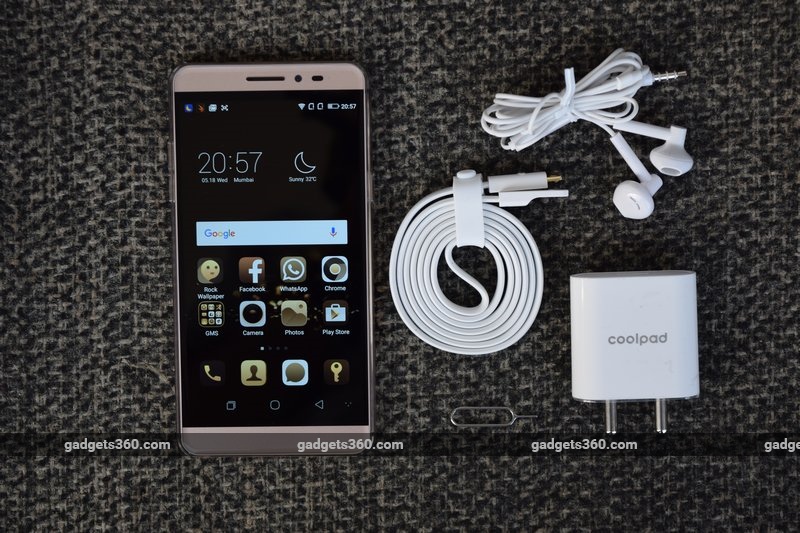
Coolpad Max comes in a beautiful box printed from golden letters. Sliding the box, but you can remove this phone from its tray. Below this you will find accessories in many black boxes. With the phone you will get a quick-charge support charger, a flat USB cable, a wired headset, a plastic case, a screen protector and a SIM Ejector PIN. The phone has been introduced with the box in such a way that customers should be attracted and take it home as a premium smartphone.

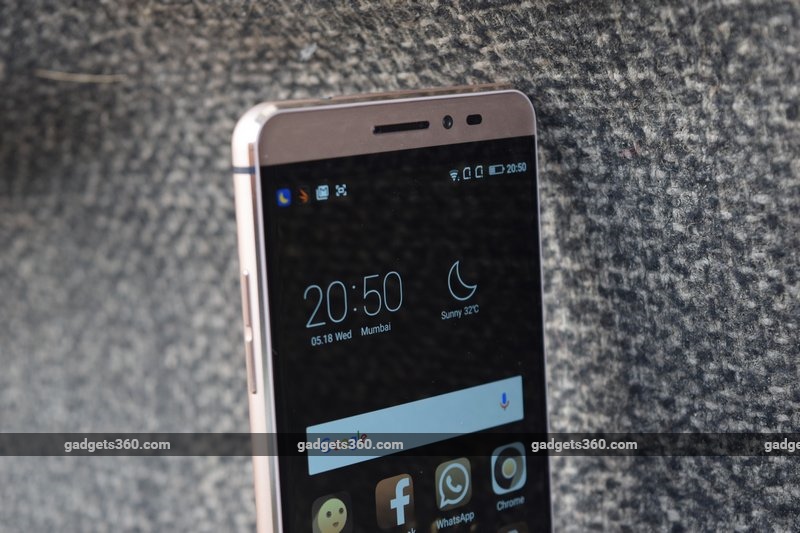
The impact of the recently introduced Apple and HTC smartphones in this device of coolpad can be clearly seen. Our review unit was Royal Gold color. Apart from this, this phone is also available in Rose Gold color variants. But its natural gray variants have not been launched in India, which may cause some customers disappointed. This design is being used nowadays in most Android smartphones at low -priced Android smartphones. The next part of the phone has a gorilla glass 4 for safety. The glass is quite reflex and every time the phone moves on the side of the phone, which can be a bit disturbing. Above the screen is the earpiece grill, front camera and sensor window while the bottom space is empty. The navigation button is onscreen.


On the right side of the phone has a papar button and hybrid SIM/MicroSD tray. The phone will have to choose one SIM and one SIM or MicroSD card. Volume buttons are given on the left side. At the top is the 3.5mm audio shock and at the bottom is a micro-USB port surrounded by two grills. Of which there is only one speaker.

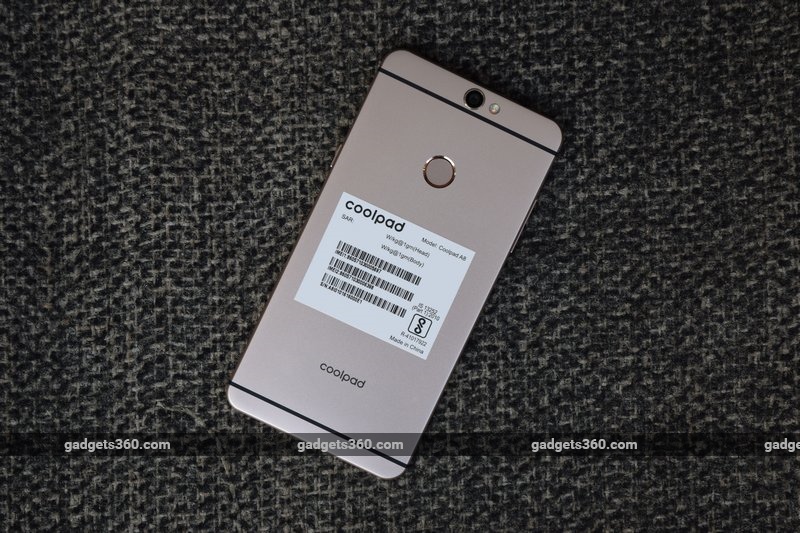
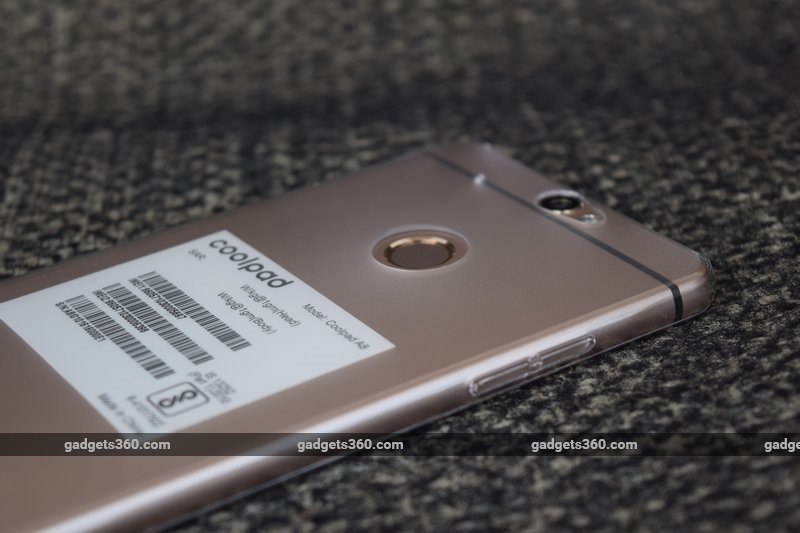
The rear panel of the phone is made of matte metal which gives a good feeling but it is affixed to a large white sticker on which the regulator information is given. Our review unit was turned, which spoiled the entire look of the phone. A round fingerprint sensor is given above the sticker, around which there is a shiny ring. The rear has a camera on the top right side with a two-tone flash on one side and a hole for the mic on the other side.


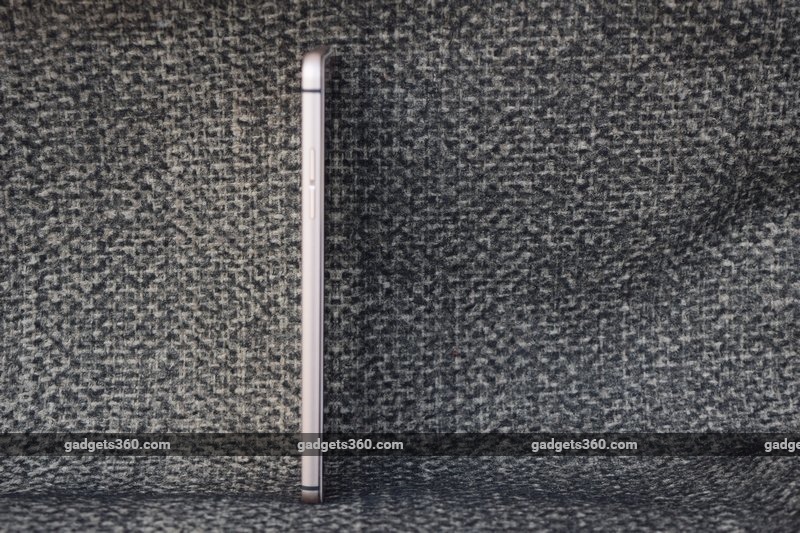
It is very convenient to catch the phone, although the edges could be improved by making it a little more round. The phone is slightly heavy and weighs 170 grams. The rear of the phone is slightly slipper. With the plastic protective case, we found it very better to catch the phone. Overall, Coolpad Max is definitely a smartphone with a premium look but not the most attractive phone to come at this price.

Specification
Coolpad Max is also called Coolpad A8. This phone is available in different countries with different hardware. Our Review Unit was a variant launched in India with a 1.5 GHz octa-core Qualcomm Snapdragon 617 processor, 4 GB RAM and 64 GB of internal storage. At this price, the processor can be called a little weak but storage and RAM are better than expected.


The phone has a 5.5 -inch screen with 1080×1920 pixels resolution, which is good according to this price phone these days. Coolpad Max has a 13-megapixel rear camera with dual-tone flash and phase-detection autofocus. The front camera is 5 megapixels. Both cameras can record up to 1080 pixels. The phone has a 2800 mAh battery which is non-removable. Battery supports Qualcomm’s Qual Charge 3.0 technology and the company promises that up to 3 hours of talk time can be found from the phone in 5 minutes of charging.

The phone provides Indian band 3 and 40 LTE support on both SIMs. Wi-Fi AC, Bluetooth 4.0, A-GPS, FM radio and USB OTG have been provided for connectivity. Only 64 GB storage can be increased with microSD card in the phone. The NFC and infrared support found in the second phone are not in Coolpad Max.

Overall, coolpad Max has strong specifications except the processor. The processor given in Coolpad Max is being given in a low price phone today. This phone of coolpad can give a tough competition to the more than Rs 40,000, the more than Rs 40,000, the flagship smartphone. Coolpad is full hopes that Max’s software will attract feach, texture and design customers. However, if you are looking for 4K video recording and 3D game feature, then you have to find another option for that.

Software
Cool UI of Coolpad above Android 5.1 Lollipop can be quite well customized. There are some very good features in it and some strange features have also been given. Initially the default skin is completely based on sepia-tone which is very similar to the gold body but it makes it very difficult to identify the app icon. We did not like this look of the phone and had to go to the theme app to get much better. All app icons and wizuts are given under the homescreen and like the second device of the coolpad, this phone does not have any ‘traditional mode’ with the app drawer. Apart from this, there are some confusing text labels due to translation from Chinese to English.


The phone’s dialer, contact list and messaging Fern with a tab interface have been merged in a single app. This is not a big problem, but it is a bit strange to use for the first time. The phone default keyboard TouchPal 2015 has been given which has all the preset Fraz, a full-screen mode and an optional T9 layout. Apart from this, Google’s Hindi/Hinglish keyboard will also be available.

There are also some pre-install apps in the phone. Work can be done such as vacating RAM from the cool manager, detection of data usage, monitoring power consumption and app permits twice. Apart from this, select collar can also be blocked. You can lock the app from the fingerprint and search the Autorized Service Center from the Map with an app called Cool Service.


The setting app has some other small fun features. By enabling split-screen mode, you can run one app in two independent frames. Apart from this, the color and layout of the onscreen navigation button can also be changed. If you feel that the screen is far away from your finger to reach at one time, then you can enable the floating button that leads to a circular menu which provides many control options. Zen mode has a ‘do not disturb’ feature schedule that can be removed for the necessary contacts or alerts.

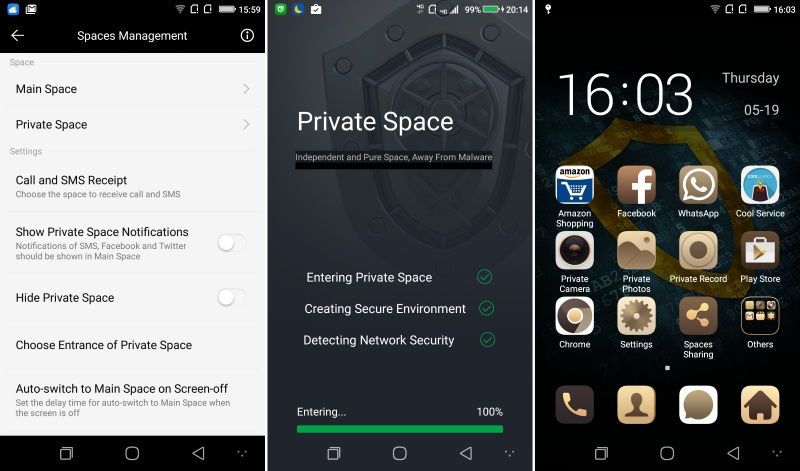
One thing that bothers a little is that you cannot easily protect private things from an passcode or fingerprint. The space management section of the setting app is protected and you can hide the dock icon and quick setting bar. After this, you can register your fingerprint by going to the fingerprint management app.


Talk about Samsung, Blackberry and Nokia, they have used such features to keep the user work and personal data forward. It seems that this feature implemented by coolpad has been brought for more private data security than corporate data security. This feature is based on the secure space of graphite software developer. But it does not include all the features.

Performance
Coolpad Max mostly responds brilliantly but it becomes very hot when used for a long time. Even after normal use, the phone starts to heat up after some time. Everything goes on in a spectacular way in the phone but does not seem convenient to catch the phone while playing the game. Apart from this, the phone works better everywhere.

The screen of the phone is sharp and shiny and the color looks very effective. The game and movie can be enjoyed better except the reflection of the screen. For simple use, the speaker is quite loud and the headset (which looks like Apple’s earpod) can be said to be right according to the music.

The fingerprint reader in the phone works quite fast but every time it does not respond to the right. It works for a second time more than the first time. Switching between the spactions takes about 10 seconds and the company that has licensed the coolpad says that it has a little impact on the performance. With private space, we did not see any special difference in the performance of the phone.


In the benchmarking test, we got a good data from the phone. The graphics score was slightly weak. Apart from this, recently launched low price Lenovo Zook Z1 ,Review) And Moto G4 Plus ,Review) Equal figures were found.

Coolpad Max’s camera is very good, women are clean and without noys. Along with this, texture is also good. Field effects in close-up shot also come with depth. But there is trouble while locking the focus, which also brought pictures taken in good light. Good pictures can be taken from the phone even in low light. But there is also a problem of lewdness of photographs here. The video recorded at 1080 pixels is fine but looks a little bit.


In our video loop test, the phone battery supported for 8 hours 41 minutes. During general use, we were able to run the phone for a day and the quick charge feature is very useful. You do not need to charge the phone throughout the day and in just a few minutes the entire phone is charged.

Our decision
Coolpad definitely wants to strengthen its penetration in India. Coolpad Max is a good phone but it is very hot and its high price is a big problem. Perhaps the price of the phone is high due to private space features and design.


Private space feature is good but the phone does not have a separate privacy solution so that when IT administrator manages sensitive information and policy in your office, you can manage your personal data.

Talking about the feature, in this phone you have the same price Samsung Galaxy A5 (2016) ,Review) There are better features from better features. The biggest problem is that You also get the same features in another low price phone Even if his look is not premium. If you want to spend great features and good money, then you can choose Coolpad Max but if you feel that you can live without a unique feature of Coolpad Max, then you can save your little money.

Lenovo Zook Z1 Review

0

The Lenovo Group already has two well-known brands Lenovo and Motorola. The company worldwide sells in large numbers on the basis of its strong and various magnificent products. However, like other companies, the company launched its new brand Zook for online products only.

Today we, Lenvo zook z 1 Will review Although Globally this phone has been introduced as Zook Z1, Lenovo launched it in India under the name Lenovo Zook Z1 with the intention of maintaining its parent name. It is worth noting that Zook Z1 was first launched in China in September last year. Therefore, reviewing this phone today is a little outdated. Today we will know in our investigation, Lenovo Zook Z1 features and shortcomings.


Look and design
It was a few years ago, when a phone with a 5.5 -inch screen was considered oversize. With this, the discussion started on seeing a big phone in your hand. But today, the size is an essential condition due to more media consumption in the smartphone. Lenovo Zook Z1 comes with this size, although it definitely feels a bit heavy.

There are two main reasons for this smartphone being heavy, metal frame and 4100 mAh battery, which leads to 175 grams weight of the phone. However, the phone does not have a unibody case and the rear panel is of plastic. Users cannot access the battery. Along with the frame, there is a dual sim tray on the left side. The phone does not support expandable storage, so microSD card slot has not been given.


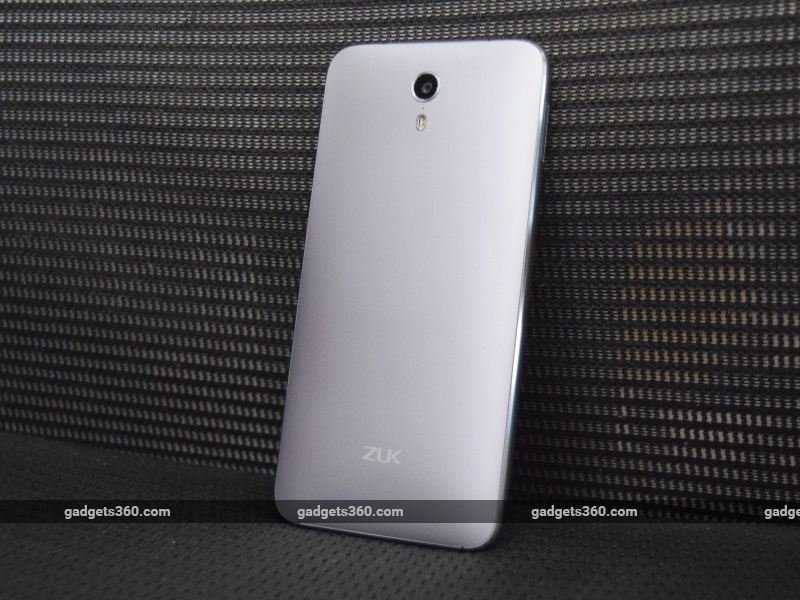
In India, Lenovo Zook Z1 is available in white and space gray color variants. Our review unit was gray which we felt a little better than white. The rear dull of the phone is of metallic finish. The phone does not have any kind of Lenovo branding but the rear has only zook logo at the bottom. The camera and flash have been given on the rear upwards. Overall, we liked the phone’s look, design and styling.

The Lenovo Zook Z1 has a microphone, speaker and USB Type-C port for charging and data transfer at the bottom. The user will get a 13 watt power adapter in the box with the phone and a USB 3.0 cable (one side Type-A plug and Type-C on the other side). The phone has a power and volume button on the right side while the upward 3.5mm headphone shock. About 70 percent of the phone is occupied by the screen, while it has a camera, earpiece and proximity sensor above it. At the bottom is the physical home button in which the fingerprint sensor is integrated. Below the display is the capacitive Android navigation button.


We have seen many such smartphones in which fingerprint sensor is built in the home button itself. Samsung Galaxy A8 And HTC One A9 (Review) The phone is unlocked only by touching many phones (even in standby mode) but it does not happen in Zook Z1. This phone has to be activated by pressing the home button and the button has to be pressed till the fingerprint is identified.

This is not only a problem in itself, but one has to try a little more to press the button. The sensor works quite quickly and properly to unlock the phone. But like this other device, this process is not as easy. Earlier the sensor used to act like a capacitive back button but now it has been disabled through a software update.

The Lenovo Zook Z1 has a screen of 1080×1920 pixels resolution with a Dancer 401 PPI. The screen is fantastic and meets almost all the needs. The IPS-LCD screen given in the phone is not as shiny as we expected and it does not give as much glow even when we have the most bright level. However, the polerized coating on the screen helps to use the phone easily in sunlight, so the phone does not require much brightness.


In addition, the phone also has a livedisplay, with the help of this setting, the color tone of the screen can be optimized according to the day.

Specification
Today, when smartphones priced at Rs 15,000 run on the latest MediaTek Helio or Snapdragon 600 Series processor, Lenovo Zook Z1 has a premium but an old 2.5 GHz 32-bit quad-core Qualcomm Snapdragon 801 processor. Snapdragon 801 smartphones were introduced for the first time in the market about two years ago, so choosing Lenovo’s processor is under question. Especially 32-bit processor while practically all hardware has come on 63-bit processor.


The Zook Z1 has 3 GB RAM and the phone supports both SIM 4G connectivity (with Indian band support), Wi-Fi AC connectivity. A 4100 mAh battery has been given to make the smartphone strong. The phone has 64 GB of inbuilt storage but the phone does not support expandable storage, so you have to work with a limited storage.

Software
The Lenovo Zook Z1 smartphone runs on Cyanogen OS 12.1 based on Android 5.1.1. Although the phone is being talked about upgrading on the cynogen OS 13 based on Android 6.0, but this update is not available in the OTA software update system of the Philhat phone. Cyanogen gives OS phone the option to customize the phone at its convenience.

In many ways, the cyanogen OS stock works like Android and you can also change the theme that looks like stock Android. The identity of the system is to be customized in every way and we saw it in Lenovo Zook Z1. Home screen and app drawer can be converted into different layouts. Apart from this, grid size, scroll effect and icon label can also be changed and togle. There is much more to do in the phone. Apart from this, you can also control the user interface at a large extent at the basic level.


Apart from this, there are many different options when going to the setting app, so that you can control the device in a better way. Many options are also available on charging the phone on or off the light, the color of the notification light for battery alert, custom action for home and recent button, status bar and separate elements for notification drawers. Cyanogen OS is the best system for those advanced users who want more control over their phones. We liked using this phone.

Camera
Lenovo Zook Z1 has a 13 -megapixel rear camera that runs on Sony’s IMX 214 sensor. The camera has optical image stabilization and dual-LED flash. The phone has an 8 megapixel front camera. Videos of up to 1080 pixels can be recorded from both cameras. Apart from this, there is also 60 FPS video recording from the rear camera.

Camera app Sineogen has its own camera Next, which comes with a very good option in using and working. The togle used to be used can be easily accessed from the viewfinder screen which includes flash, camera and timer settings. Sirp can be recorded with a touch as well as a video. Panorama mode can also be easily togarted. Additionally, resolution settings, manual control and codec selection can be done by going to the setting menu. These options also provide the option to make pictures and videos better.


The camera of the phone is very good and it brings photos with sharp and details. The color tone also comes in the pictures. The pictures are good in good light, while even in low light, we managed to take good pictures with a little nois and scatter. Pictures in the indoor are not as good as compared to natural light, but they can be called right according to details and color.

In good light, the video is made of much better quality, but the quality deteriorates in low light.


Performance
Despite the two -year Puna processor, the performance of Lenovo Zukak Z1 is quite good. However, you will get better performance in the new Qualcomm 650 and 652 processors, which is getting in another device with this price. Apart from this, it is also to be remembered that the Adreno 330 GPU is also quite old and it does not support OpenGL ES 3.1 and 3.2, so that some new grfix intensive games cannot be played in the phone.

The normal performance of the phone was very good. Along with this, we did not even see any heating, shutter trouble in the phone. The credit of this certainly goes to the Cyanogen OS which decides that the Zook Z1 is easily run without any trouble.


We found great figures in the phone’s benchmarking test, especially in the graphics benchmark.

In the video loop test of Zook Z1, its battery supported us up to 13 hours 40 minutes, which is a big specialty of the phone. At the same time, once charged during common use, we could run Zook Z1 for more than a day. Y-pie, cellular connectivity and call quality are also very good. But the phone’s speaker (which gives extremely bad sound) disappoints. However, the headphones provide a good sound to watch music players and videos.


Our decision
Lenovo has introduced a great device as Zook Z1. The design of the phone is fantastic, the software works well, the display is good and the storage is also Barpur. Connectivity and battery life is also fantastic. Apart from this, the screen is also sharp and the phone can be customized according to its own. Above all, the company has kept the price of the phone such that it will definitely be attracted to this phone. Especially those advanced users who know a little bit about Cyanogen OS.

However, the phone also has some attention drawing drawbacks. However, we did not see any decrease in its performance at the time of using the phone. The phone runs on the old 32-bit processor and GPU which can cause problems in some new games and apps. Apart from this, Cyanogen is an old version of OS and Android and no information has been received about the new software update. Apart from this, it will not be easy to buy Z1 as this phone will be sold through flash cell.

Given the price of Lenovo Zook Z1, this is a great option that comes with the best feature. If the old hardware is not an issue for you, then you want to use it as a secondary phone, then the Zook Z1 is sure better than the other smartphone coming in this price.

Moto G4 Plus Review in Hindi, Moto G4 Plus Review

0

It is not hidden from anyone that Motorola’s Moto Series smartphones are very much liked in India. Tremendous sale of Moto G and Moto E series smartphones The hold of Motorola (Moto by Lenovo) in the Indian market has strongly strengthened. The Moto G series has become the most popular among all the smartphones of the Moto brand. In our view, Moto G has always been a good balance phone in terms of smartphone feature and price.

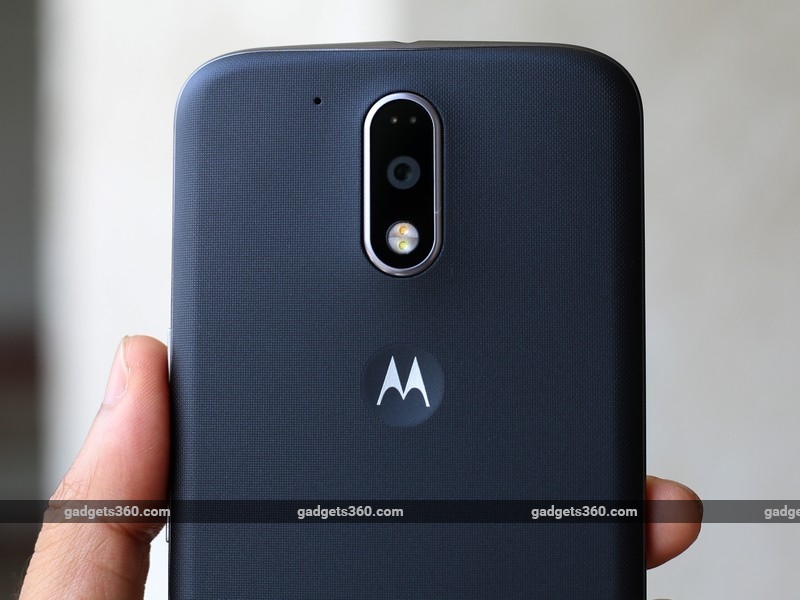
After the acquisition of Motorola by Lenovo Moto ji Fourth generation smartphone Lenovo is branding in. The classic Motorola logo can still be seen in the handset but it is clear that Lenovo wants to introduce Moto as its sub-brand. Especially the company plans to replace its Vibe series with Moto smartphones.

Moto G (Jane 3) ,Review) And Moto G (Turbo Edition) ,Review) The smartphone was successful but we had a complaint about the camera performance in these phones. But Motorola has faced this problem in all its smartphones. Moto G4 Plus smartphone, Moto G4 There is a slightly better specified phone than in which more better features are given as camera and software. Today we will review this new smartphone of Moto G4 Plus and see how this smartphone of Moto is.


Look and design
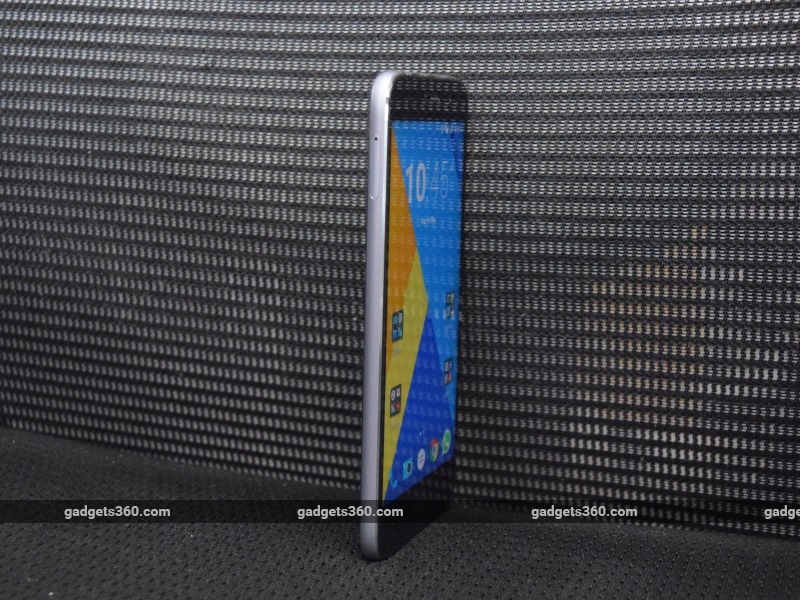
Motorola’s well-known design can also be seen in G4 Plus. However, this is not completely as before, but it can definitely be identified as a moto product. Rubber’s rear cover with spherical metal frame gives a good grip to the phone. This phone is slightly larger than the previous Moto G smartphone, which is due to the 5.5-inch full-HD TFT screen given in it. Even in sunlight, the smartphone can be run very easily and brilliant colors can be seen in the display. Corning Gorilla Glass has been given for protection. The G4 Plus is quite thin and its thickness is 7.9 mm. But taking the phone in hand does not make it heavy.

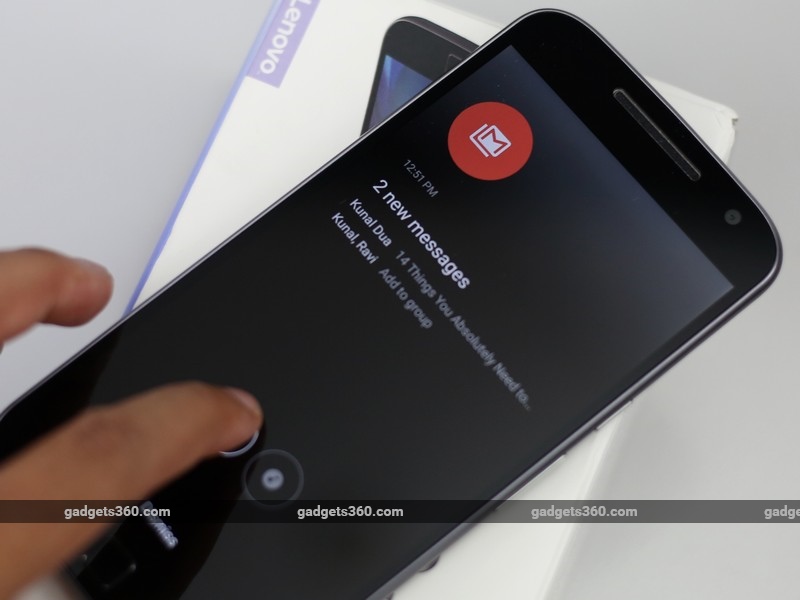
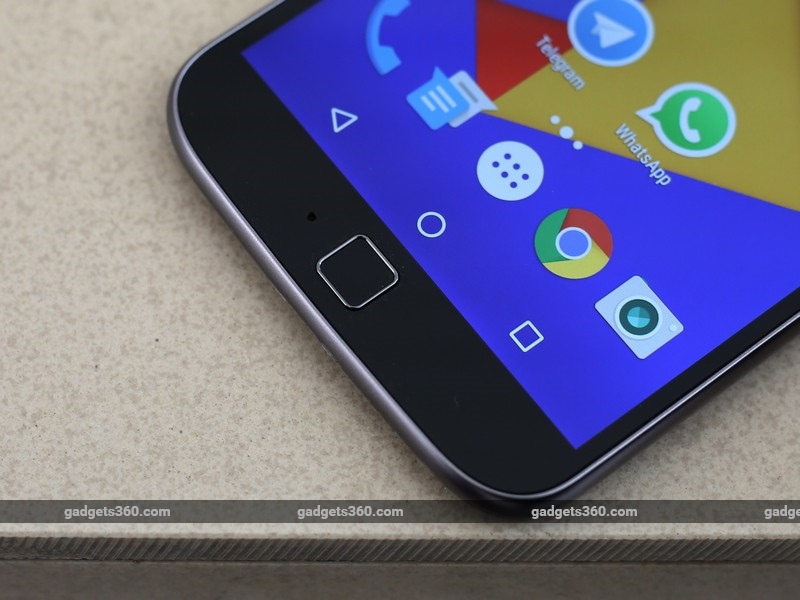
The Moto G4 Plus does not have a trademark grille given in the Moto G smartphone. But this new smartphone of Moto has given place to fingerprint sensor. It works not only on touching as a physical button. The fingerprint sensor can identify the fingerprint from any angle and in addition to sometimes, it works very well.

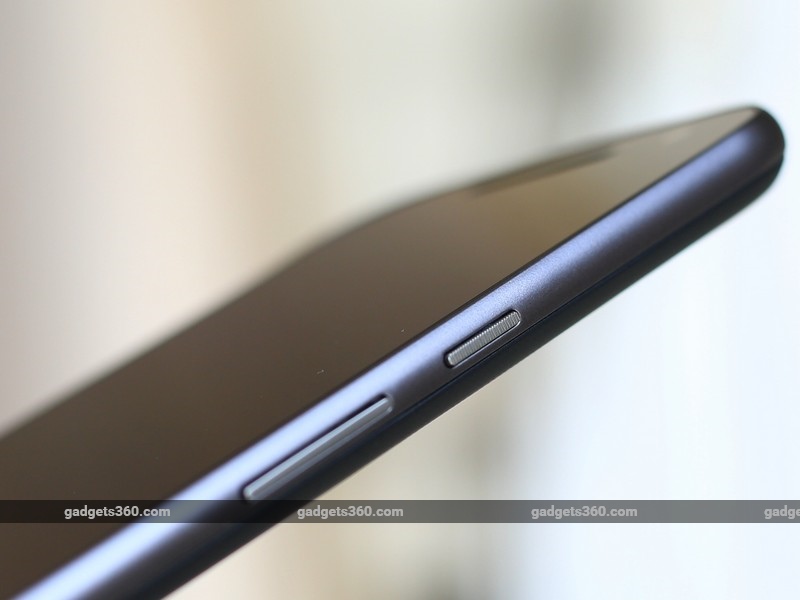
All the buttons have been well appointed in the phone, so that they easily reach the user. The headphone shock is upwards while the micro-USB port is given at the bottom.

In the previous smartphone of the Moto G model, instead of the curved design of the rear, this phone has a flat rear. The phone has a 16-megapixel camera with dual-tone LED flash and laser autofocus system which can be called a good upgrade.


On removing the rear panel, a non -removable 3000 mAh battery can be seen in the phone. At the same time, microSD card (132 GB support) and two micro-SIM slots are given on the edge. The Moto G4 Plus comes with Nano-to-Micro SIM card adapter. But this phone does not have an IP67 certification (water resistant) like the previous variant.

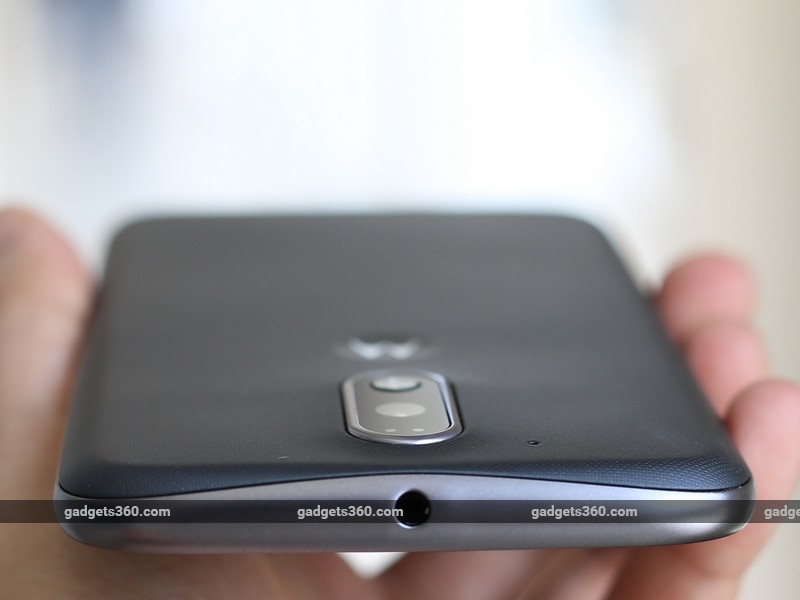
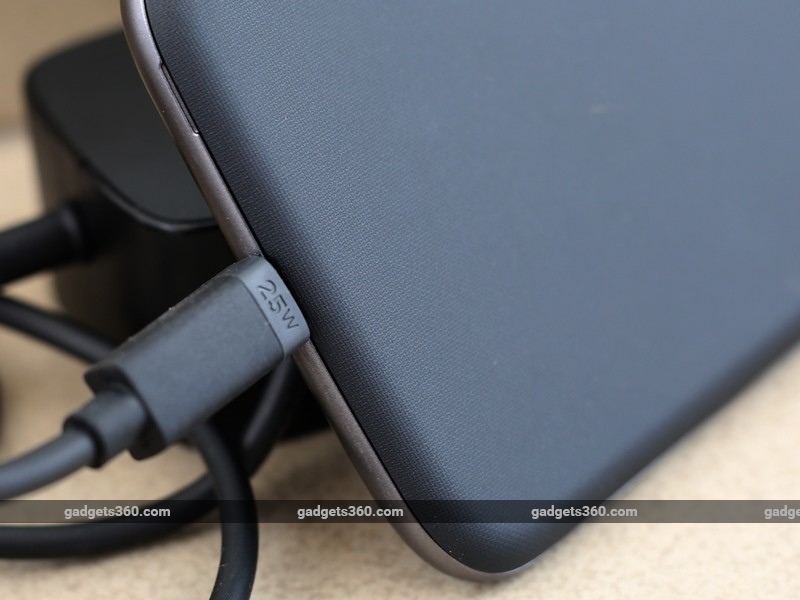
A turbopower charger (25 watt) and a headset are found in the phone’s retail box. But the wall charger is not a modular, so you will need a separate USB cable to transfer data. The quality of the headset is a bit bad and it did not fit properly in our ears.

Specification and feature
Moto G4 Plus has Qualcomm’s Snapdragon 617 processor that runs on a 1.5 GHz octa-core chip. Use of this processor HTC One A9 ,ReviewIt was also done in. This phone will get the option of 3 GB RAM and 32 GB storage and 2 GB RAM and 16 GB storage. For connectivity, options like 4G LTE (category 4), Bluetooth 4.11 low energy, dual band Wi-Fi B/G/N, GPS, Glonas, USB-OTG and FM radio have been given. You will not get the feature of NFC in this phone.


Like all Moto’s smartphones, the G4 Plus runs on the Near-Stock version of Android but this time Android Marshmallow 6.0.1.

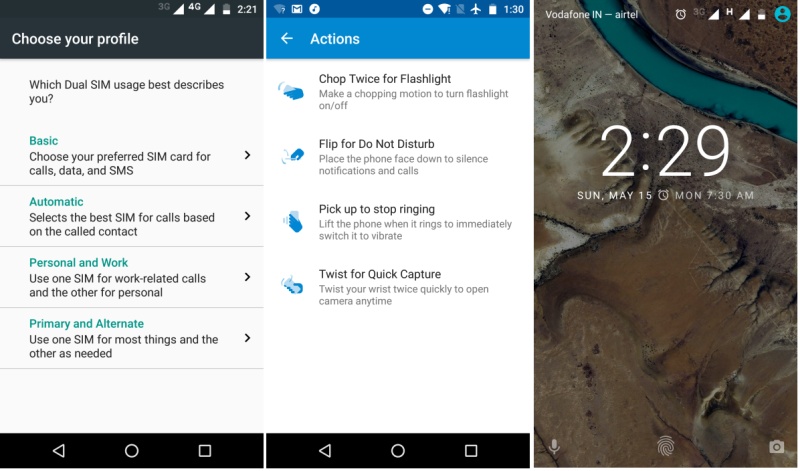
The Moto G4 Plus has an LED of the fingerprint sensor, but we saw that it works quite well during charging. Apart from this, other motion-based gestures work easily. The phone does not have a lot of pre-loaded apps but the file manager and Google’s standard apps have been given.

Performance
The Moto G4 Plus is a good performance in which hardly anything makes it bad. In the phone, the user gets 1.2 GB RAM for use. We did not see any problem in this phone during animation and app switching. Playing the phone game is hot at the time of Samay or Data-GPS on, but not so much that it cannot be used. During the heat of the phone, you may have some problems in the camera app, which may also be due to controlling the CPU speed of the system to protect the phone from overheating. We got good benchmark figures of the phone.


Google’s photo app has replaced the gallery app, which we did not like it but it works. Full-HD videos are easily played in the phone. In the photo app, photos can be edited and video can be trimmed. Play music app has been given for music but FLAC files do not support. Equalizers for wired headphones and speakers are also provided. A single speaker gets good sound for alert in general media playback and earpiece.

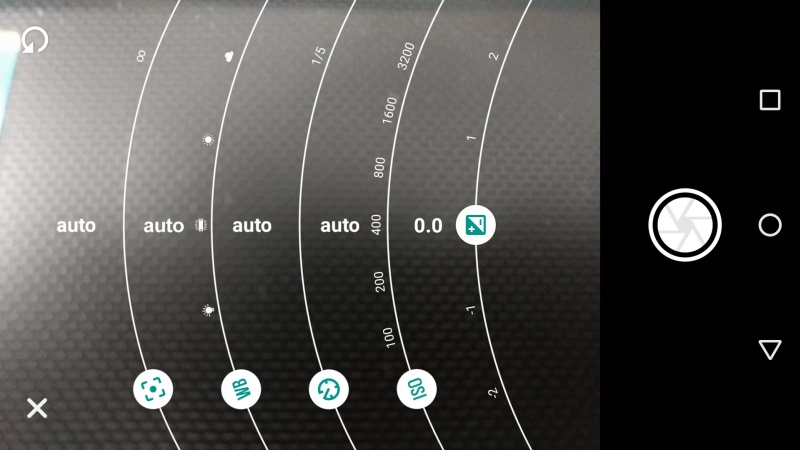
One of the biggest feature of G4 Plus is the G4 Plus camera. The 16 -megapixel rear camera comes with aperture F/2.0, Phase Detection Autofocus (PDAF). The phone has a laser autofocus system to imprison the object quickly. Slider can be used to adjust tap-to-focus and exposure to focus the subject. Long tapping on the subject makes the focus locked which helps a lot. Apart from this, the camera app has slow-motion video, panorama and a professional mode. The camera app looks quite a handy when you can agreed focus, white balance, shutter speed, ISO and exposure agent in low light.

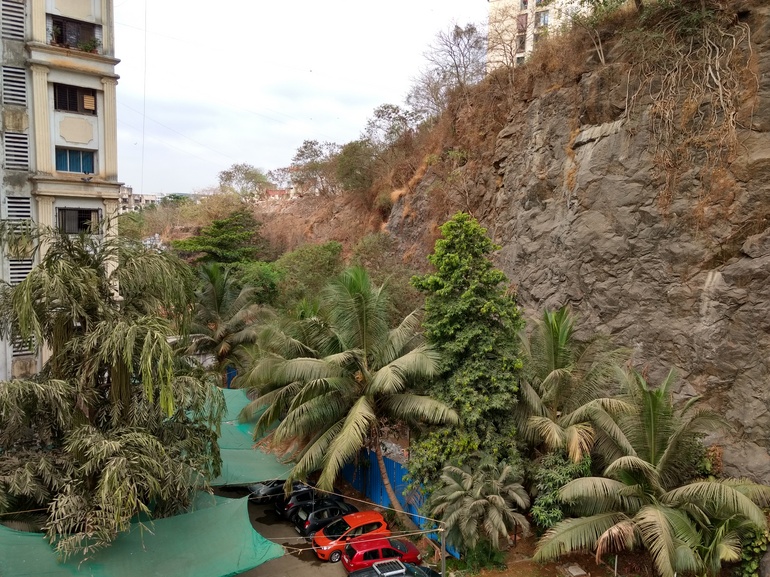
Landscape and macro photographs in daylight provide photos of good quality than before. Detailing is quite good and cameras can be taken with good color pictures. We would recommend that the HDR set an auto set as it helps in making the photos extremely good. At the same time, the pictures taken in the indoor looks right to see, but on zoom, detailing and colors look scattered. A maximum of 1080 pixels video recording can be done and photos are good in daylight and low light. A good detail selfie can be taken from the front camera in good light. Apart from this, barcode and QRCode can be read directly from the camera app itself.

battery life
In the video loop test of the Moto G4 Plus battery, Bataru supported us for 12 hours and 4 minutes, which is quite good. At the same time, we were able to run this smartphone of Moto for about one and a half days with full charge with both SIM cards in general use. The phone supports turbopower or fast charging, which causes the battery to charge quickly.


Our decision
The new smartphone of the Moto G series Moto G4 Plus can be called a welcome option that comes with performance and feature upgrade. The phone has a processor according to the need, so that Android works easily. A good fingerprint sensit, good camera and the best battery life makes the phone fantastic. Moto G4 Plus is a very good option in this price range.

The collision has become quite tight, but in our eyes, Moto G4 Plus has everything from which it makes its own place. Its most special feature is the release of Android updates on time. The G4 Plus could have been better if like the previous smartphone, it would have been given water and dust protection features. At the same time, the poor performance of the camera could also be improved in low light.

If you are looking for a phone that comes with a great feature at a low price, then Moto G4 Plus is a good option.

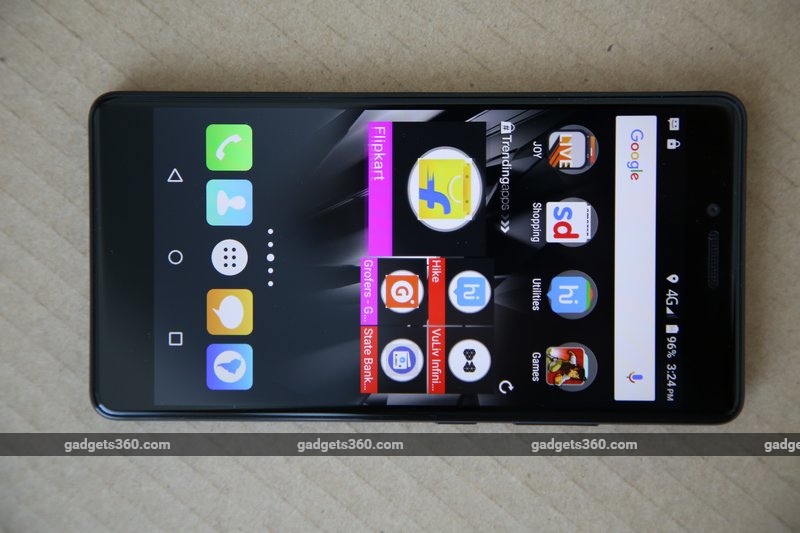
Review of Micromax Canvas 6

0

Recently we Micromax Canvas 6 Pro Of Review Did and now is the time of Micromax Canvas 6 review. The price of this smartphone is almost as much as Canvas Pro. The company aims to attract two different users from both these smartphones.

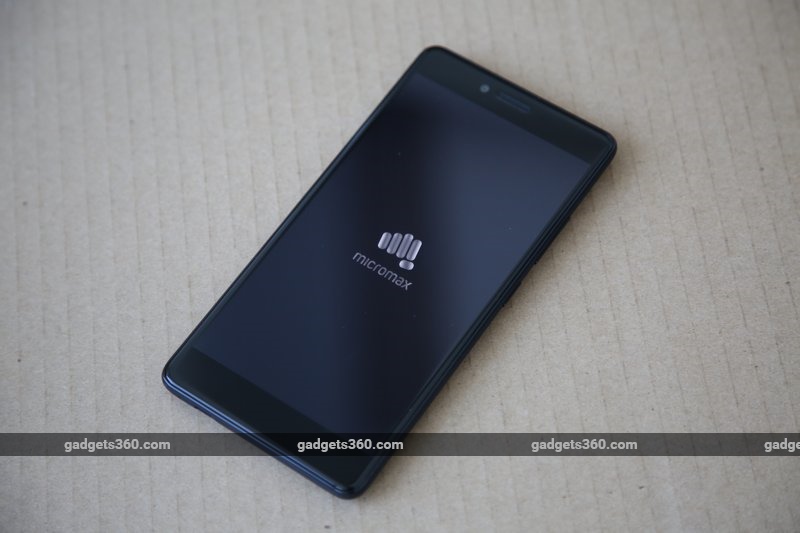
New Micromax Canvas 6 The specifications of the canvas are similar to the 6 Pro but it is completely different in the design, look and other features. Therefore, according to the name, this phone is not like a Canvas Pro at all. But does this phone have everything that can bring back the golden days of Micromax? Learn the features and shortcomings of this smartphone in our detailed review.

Look and design
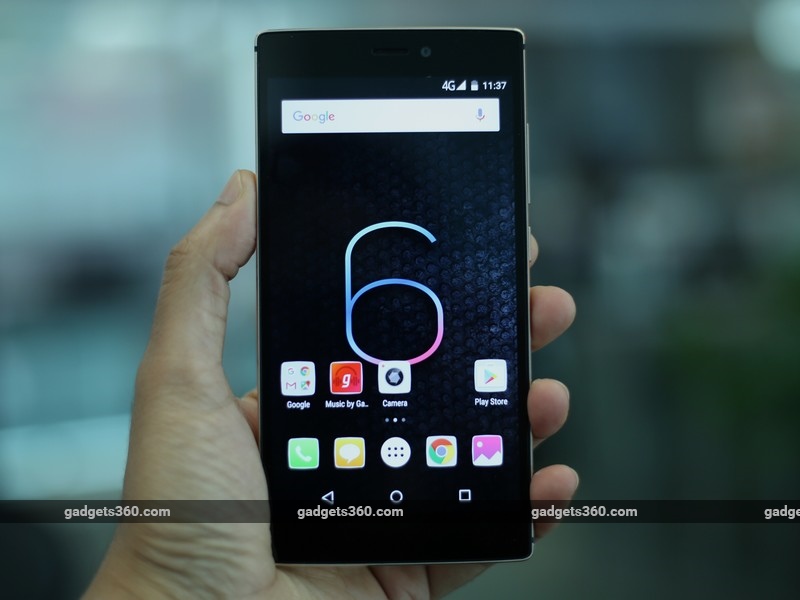
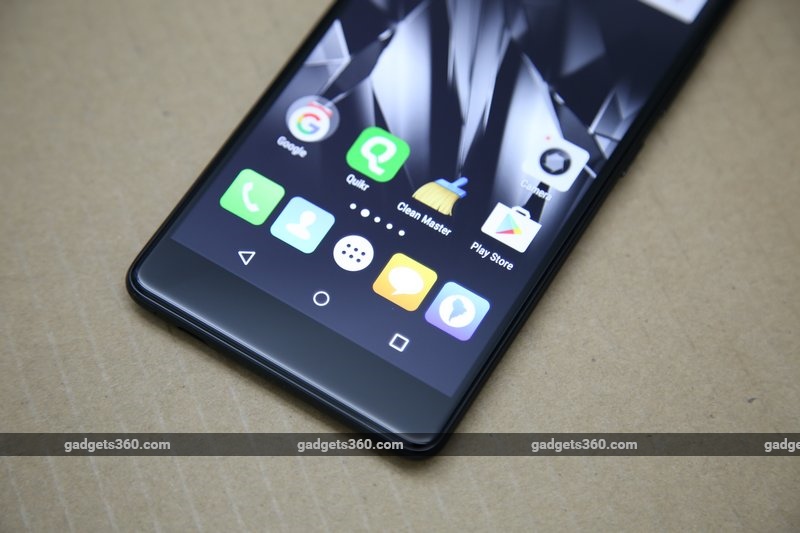
The biggest feature of Micromax Canvas 6 is its metal body which looks very beautiful especially in Champagne Gold. The texture and finish of the phone is very good and its chamford edge makes it classy. The design of the phone is not very special in itself and anyone can easily forget it to understand it as a gionee or Honor smartphone if the logo is not given on its rear.


Sharp line is given on the phone along the edges. The phone is convenient to catch but the metal body makes it a little heavy. For good grip, the side of the phone is quite thick, but its smooth texture is afraid of slipping from the phone’s hand. The back of the phone is hole, so the phone does not feel like a block when it is holding it in hand.

The 5.5 inch IPS display given in the smartphone is of full-HD resolution which means photos look sharp. The phone can also be read easily in sunlight. There is no gorilla glass for protection that is probably removed due to the expensive metal body. The notification is not LED with an 8 -megapixus front camera at the top.


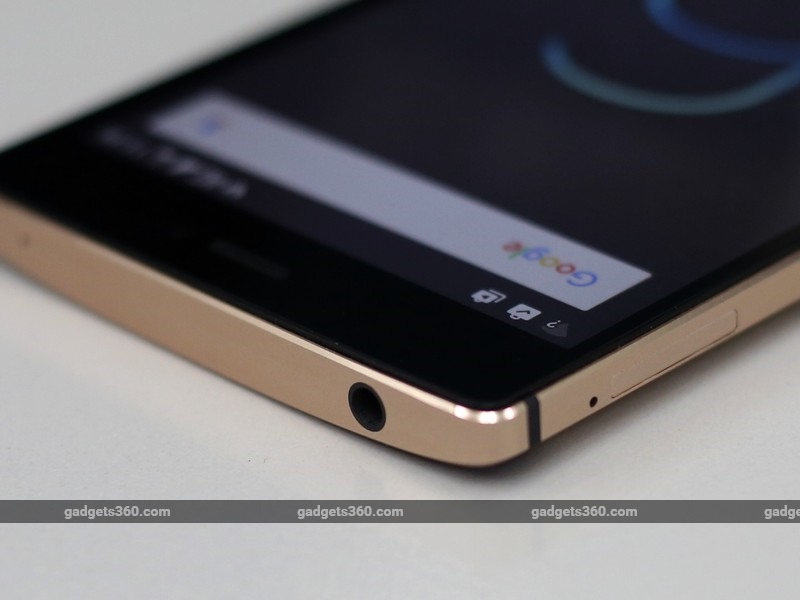
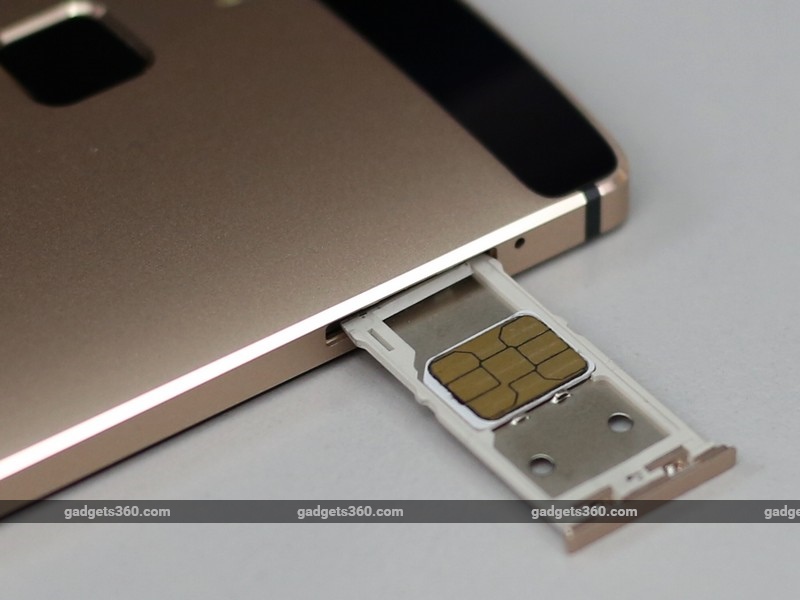
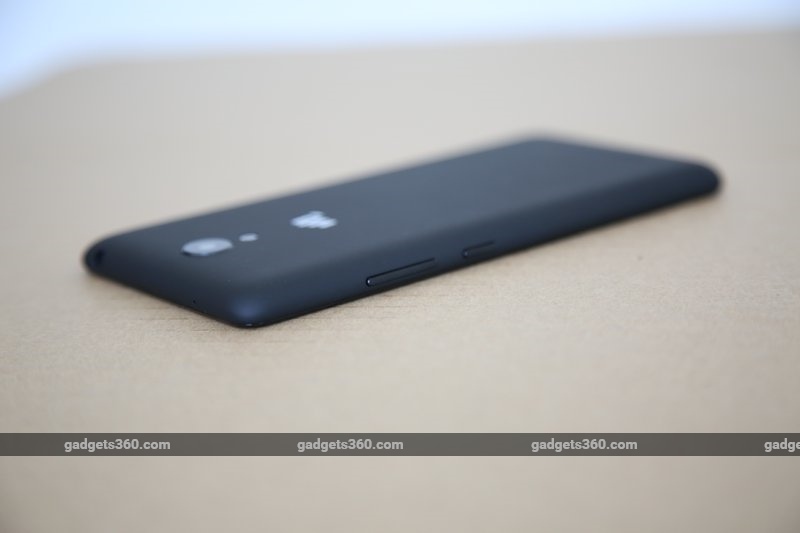
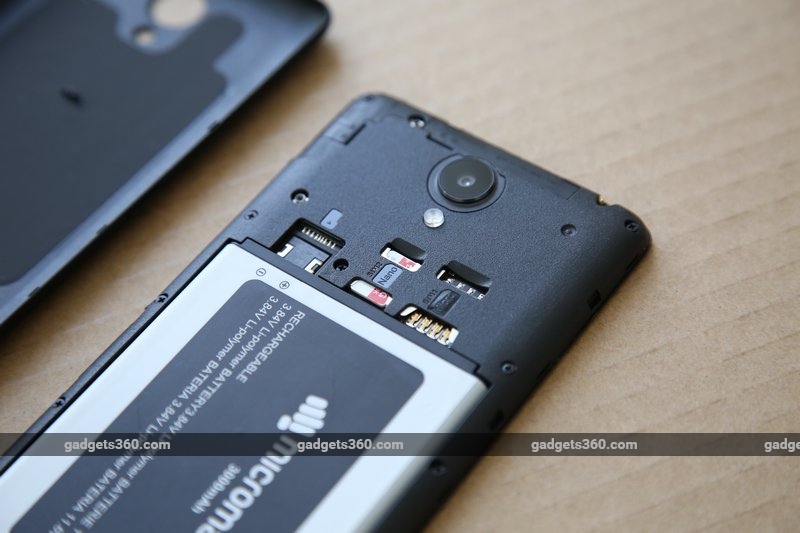
The phone has a hybrid sim tray on the left side which means either two nano-sim or a single SIM and a microSD card can be used at once. There are volume and power buttons on the right side that can be easily operated. The bottom is a micro-USB port and speaker grill while the headphone shock at the top is given.

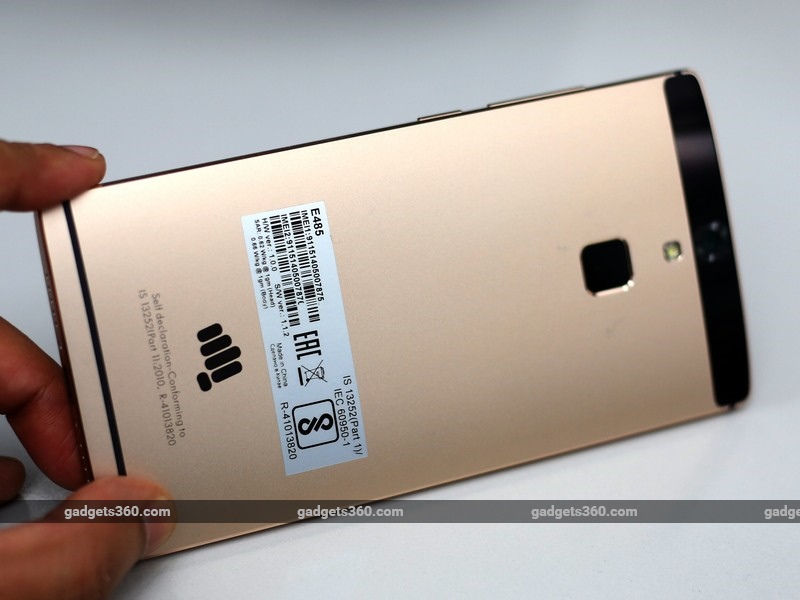
On the rear, a 13 -megapixel camera is given with LED flash and fingerprint sensor. The sensor does not identify the fingerprint very fast but works well. We had some trouble in using the fingerprint sensor but no major problems were revealed.


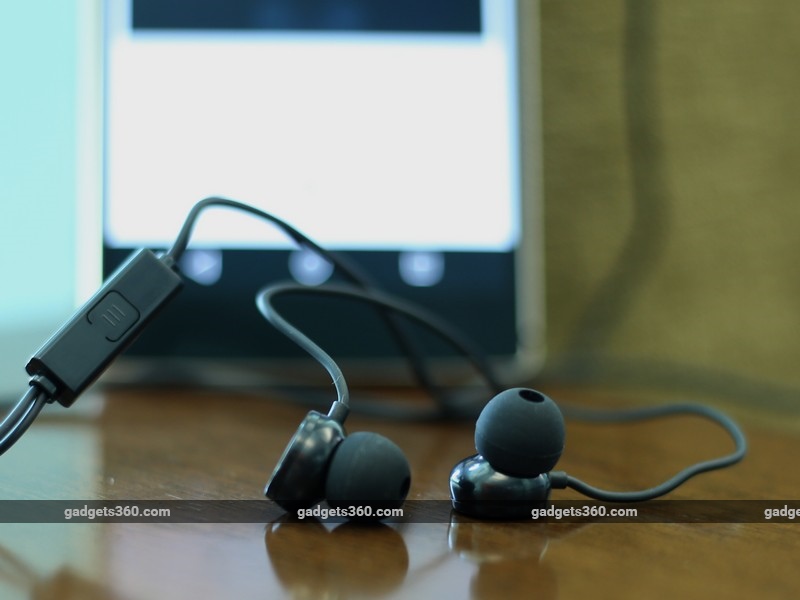
On buying Micromax Canvas 6, you will get a 7.5 watt charger, data cable, screen guard, SIM tray ejector tool and an in-age headset. Overall, Canvas 6 is good to see and managed to compete with today’s smartphone. Micromax’s smartphone surely disappoints the necessary features like Gorilla Glass in this smartphone.

Specification and software
Since Canvas 6 is designed keeping in mind the lifestyle, its specification has not been given much attention. This Micromax smartphone has a MediaTek (MT6753 T) octa-core processor and 3 GB RAM. The phone has an inbuilt storage 32 GB which can be increased to 128 GB via microSD card. For connectivity, the phone has standard features like Bluetooth 4.0, Wi-Fi B/G/N, USB OTG, GPS, FM radio and 4G LTE on both SIMs.


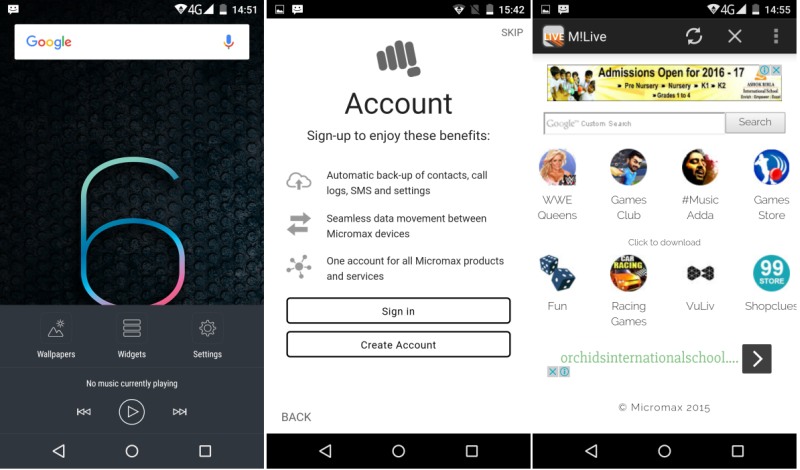
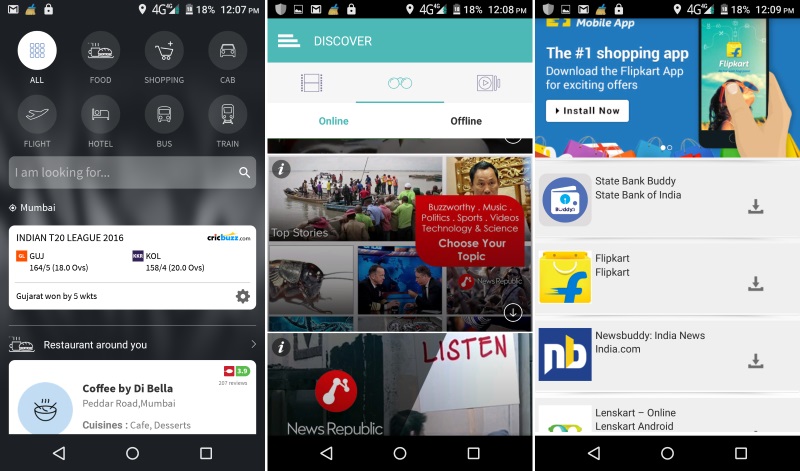
Talk about software, the phone has a close-to-stock version of Android Lilpop with a custom icon pack and second feature. On swiping the right side on the home screen, the user goes to the Around Service of Micromax to allow those services that have partnership with Micromax. These include ordering food, cab booking, flight booking and services like mobile, data and DTH. Apart from this, in Micromax Canvas 6, the user has also been given a cloud backup feature of Micromax, so that users can backup their contacts, call logs, SMS and other data on the cloud. Apart from this, many free apps and games are also available, whose information we Review of Canvas 6 Pro Was given in

Performance
Looking at the entire size of the phone, it can be said that it is convenient to use the phone, but its sharp edge does not give a pleasant feeling after a certain time. Apart from the metal body, we did not see any overheating problem in the phone. The phone is also hot as expected while charging and playing games for a long time.

The phone’s app performance is fine. In the benchmarking test, we got better figures than Canvas 6 Pro for Canvas 6.


The song app has been given in this phone to streaming and play the local music file. Mono speaker provides good audio quality and the coming headset brings good quality. Full-HD videos can be played from the video player. The video can also be loop or trim in the player itself.

Talk about the camera, PDAF (Phase Detection Autofocus) and focus speed is quite fantastic. However, the camera has a shutter problem which worsens in low light. Detailing in landscap photos is not bad but pictures also seem ugly in daylight. HDR mode solves this problem to a great extent and also makes photos some sharp. Macro photos come with good detailing. Pictures in low light are less than average.

A good selfie can be taken from the front camera. The camera app is not much different from Micromax’s second budget smartphone. Shooting modes are given in the app on the left side which have features like face beauty, panorama, multi-angle view, motion track and live photo. The shortcut above can lead to HDR, smile shutter and flash. By swiping upwards, many other filters can be used.

Features like face detection, voice capture, anti -shake, zero shutter delay, EIS (stabilization) can be tweeted in the camera and video settings. Apart from this, exposure and white balance can be set manually but there is no ‘pro’ mode. Videos of up to 1080 pixels can be recorded but the quality is fine.

battery life
The 3000 mAh battery in Micromax Canvas 6 lasted for 8 hours and 37 minutes in our video loop test. At the same time, during normal use, we were able to run the phone for more than a day on full charge.


Our decision
Micromax’s policy of attracting users of different fields is understood by presenting two smartphones at one price. However, the company has not been able to implement this policy properly. After seeing both the phones, the user will definitely choose Canvas 6. If Micromax had given better CPU and camera in the pro variants, one of the phones could have difficulty in the choice. Currently, Canvas 6 is a better option. This phone has a better texture, fingerprint sensor, double onboard storage and better battery life.

Micromax could make this phone better. We did not understand why the company did not give gorilla glass in this phone. Nowadays, while buying the phone, people make the most mother’s mother. Apart from this, the camera could also be better. VoLTE support or sharp Wi-Fi could also be given.

Review of Micromax Canvas 6 Pro

0

Micromax recently has its new flagship smartphone Canvas 6 And Canvas 6 Pro Was introduced. Last month, a big launch event held in Gurgaon, along with these two smartphones, was also informed about the company’s new logo and branding. Budget smartphone manufacturer Micromax has made a tremendous lead in India’s smartphone market. Now the company wants to beat its Chinese rivals like Xiaomi and LEECO, who have created a lot of upheaval in the budget segment on the basis of features, textures and prices.

The second companies are launching smartphones equipped with high-employment screen, top CPU, fingerprint sensor and metal body at a very low price. At the same time, Micromax has introduced 4 GB RAM as its trump card. Almost all the phones with a category less than Rs 10,000 have 2 GB of RAM. Today we will review Micromax’s 4 GB RAM Micromax Canvas 6 Pro and know whether this feature of Micromax really makes the phone special or proves the company wrong?


Look and design
The Canvas 6 Pro can be called Micromax’s best -looking phone so far. Instead of the cheap material used in the company’s old product, this phone has used good material. Matt on the rear is plastic rock and the edges do not give too much premium feeling. But the Black Glass is convenient to hold the phone along the side of the front. Overall, the phone looks good and you will look happy about this phone.

The front of the phone is strict but gives relief on-screen buttons. The phone has Corning Gorilla Glass 3, front camera and notification LEDs on the front. The right side has power and volume buttons. The bottom is a micro-USB port. The top is a 3.5 mm audio jack at the top.


The phone’s rear looks like HTC’s old Windows phone 8 model. Textile rear cover can be removed. There is a rear camera and flash in the middle upwards. Micromax is a recently designed new logo under it and a speaker grill at the bottom.

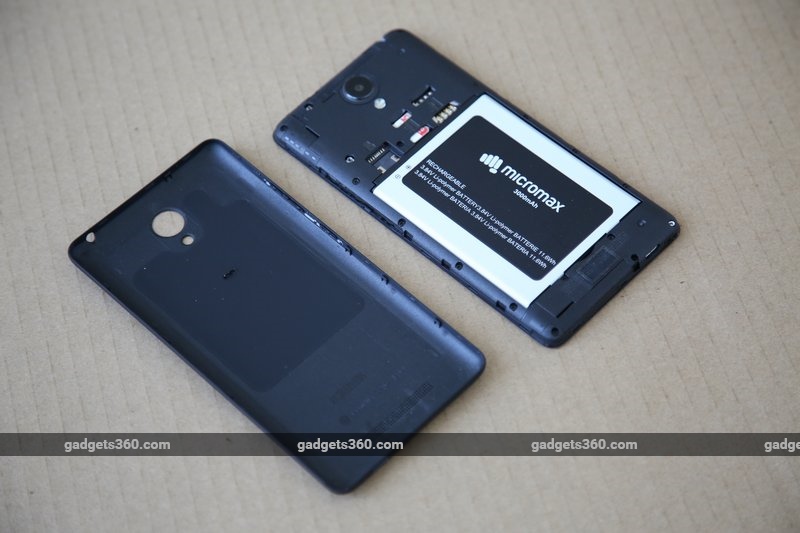
The battery can be separated from the phone by removing the rear cover. MicroSD card and a Nano-SIM and a micro-SIM card slot can be seen by removing the battery. On purchasing Micromax Canvas 6 Pro, you will get a charger, cable, headset, screen protector and microfiber textile box.


Specification and software
Micromax has given the MediaTek Helio X10 processor (MT6795M) running at 2 GHz in its new smartphone at a price less than Rs 15,000. Apart from this, this phone is in the headlines with 4 4 GB RAM. The phone has 16 GB storage and can be increased to 64 GB via microSD card.

Micromax Canvas 6 Pro has a 5.5 inch screen with 1080×1920 pixels resolution which can be said to be good according to this price. The phone has a 13 -megapixel rear camera and a 5 -megapixel front camera. The phone supports LTE in both SIMs. For connectivity, Wi-Fi supports 802.11 b/g/n, Bluetooth 4.1 and USB-OTG. The phone has a 3000 mAh battery.


This phone does not have features like fingerprint sensor, quick charging, infrared, NFC. While other smartphones of this price now come with these features. It seems that the company is considering 4 GB RAM as a unique feature for Canvas 6 Pro. Perhaps that’s why the company has signed a little compromise as a second specification.

Talk about the software, there is a lot of special in the phone. The Canvas 6 Pro runs on Android 5.1 with eapper custom skin which looks largely like stock Android. All icons look different but are not useless to look. Swift’s pre-install arrives and is set as a default keyboard. Apart from this, more than 20 apps like Clean Master, CM Security, CM Locker, Multiple Shopping Apps and Browser and some trial games come pre-loaded. All other apps can be uninstalling except Micromax’s own app center, M! Live and M!


The most special is the Around feature of Micromax. First of all U utopia ,Review) This feature seen in the launcher is not like an app. You will be able to see the around screen when swipe the homescreen on the left side. There are many category icons and search bars on the top while Google Now-Styel Cards at the bottom.

Performance
Like the second Micromax smartphone, the software of this phone does not cause much problem. The hardware of the phone also does not have any problem while doing most of the work. Although it is not that it is the most powerful hardware ever, but today mid-range smartphones are also very powerful. It cannot be said whether there is a big difference in the phone with 4 GB RAM. But we did not have any kind of problem in the phone and there was no problem in switching and opening in many apps.

The screen is shiny and crisp but the glass reflects too much which sometimes looks very bad. Colors can be called good and brightness is also good for use in daylight. Micromax Canvas 6 Pro gives a good feeling while using. But the phone camera is slightly hot during using and gaming.


The performance of the phone in our benchmarking test was good. However, it cannot be called a flagship-killer. In our video loop test, the battery lasted for 6 hours 41 minutes, which is disappointed according to today’s standard. During simple use, we were able to run the phone for a full day after charging once. But if you play games, browse a lot and record videos, then you will need to charge the phone till evening.

The phone camera is not good at all. Even in the good light of the sun, pictures come without detailing and scattered. The pictures look absolutely artificial and sometimes there is no focus, which does not make the pictures worth using. Even at night, pictures are blurred and good pictures require a lot of light. The front camera is fine for a selfie taken closely.

Our decision
Micromax has introduced the new brand with Canvas 6 Pro. Canvas 6 Pro is the first phone in the line of smartphones that strengthens the company’s grip in the Indian smartphone market. After the company’s first smartphone, this smartphone is completely different. Say in clear terms, this phone of Micromax has changed everything and texture everything compared to before. Micromax is thinking about the user.

The performance of the phone is good but it cannot be called fantastic. The phone has shortcomings like bad battery life and warmth. The bad camera disappoints the most. Overall, Micromax has introduced 4 GB RAM in the mid range as the specialty of the phone. This feature will definitely attract customers. Personally, we will have any problem in buying a 2 GB RAM phone with good battery life and other features.

HTC Desire 626 Dual SIM review

0

HTC Design 626 Dual SIM smartphone was launched globally about a year ago. But this smartphone entered India in February this year with a separate processor and dual SIM support. HTC smartphone mid range smartphone priced at Rs 13,990 Xiaomi Redmi Note 3 ,Review) And Lenovo Vibe’s 4 Note ,Review) It is expected to get a tough competition.

Today we HTC Desire 626 Dual SIM Will review the smartphone and know what this HTC smartphone is worth buying? Also, you will know, what are the features and shortcomings of this smartphone.


Look and design
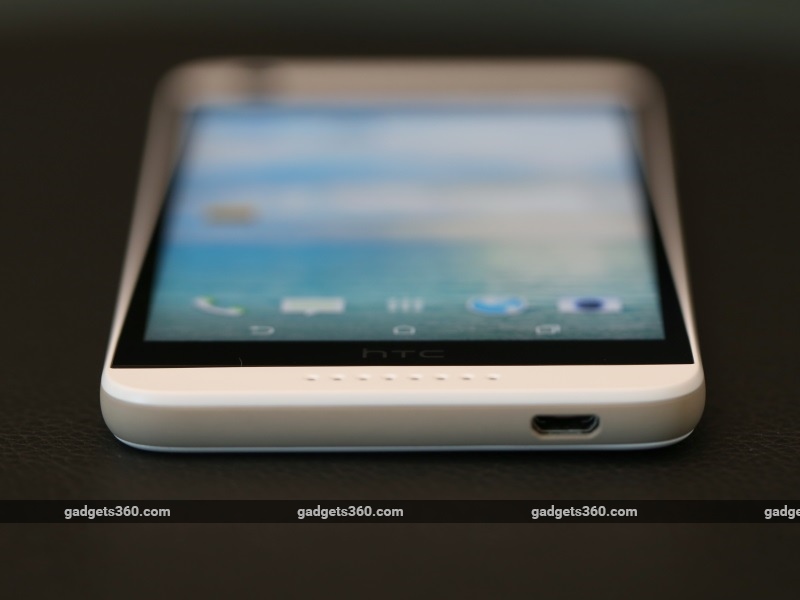
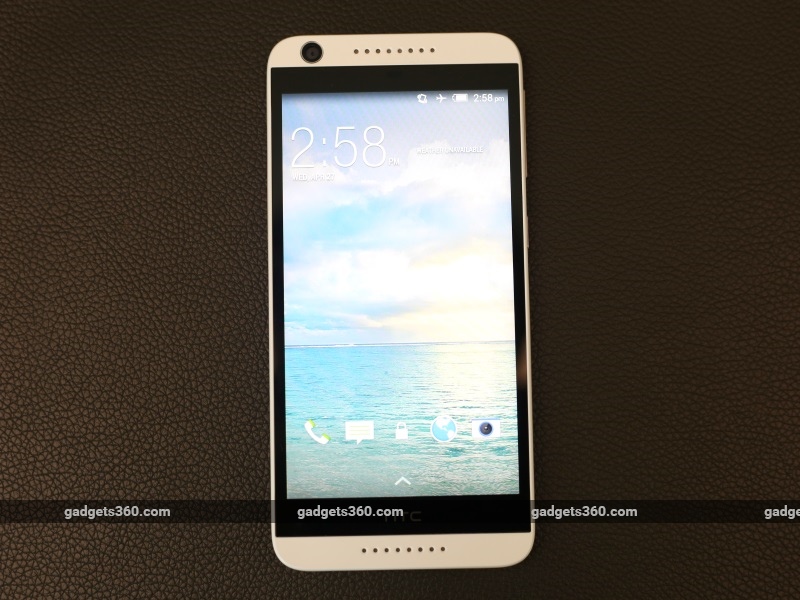
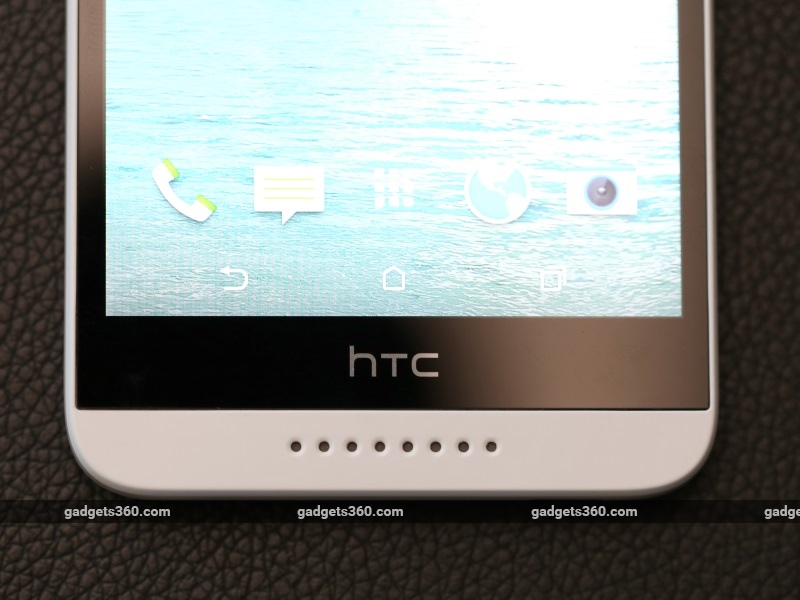
The design of Dzire 626 dual SIM is similar to the second smartphone of HTC’s Desire range. The phone is made of plastic body and comes with dual tone color scheme. This phone is HTC’s popular smartphone HTC Desire 820 It is very similar to But its screen is small. The phone is convenient to catch and use. The phone is good to see and gives a pleasant feeling.

The front of the phone has a front camera and the earpiece grill at the top. There is a speaker and microphone at the bottom. However, the plastic rear panel is removable but the battery cannot be separated from the phone. The phone has a papar and volume button on the right side, upwards 3.5 mm audio shock. The bottom is a micro-USB port and a flap with two nano-sim slots and a separate microSD slot.

The rear panel has a camera, single-tone LED flash and a small hole for a microphone. Our review unit was of white color, which we needed to clean up. Overall, the layout of Dzire 626 dual SIM is new and the design of this smartphone is good according to the price.


HTC Dzire 626 Dual SIM has a 5 -inch screen with 720×1280 pixels resolution. The screen of the screen is 294 PPI. The screen is sharp and readable but color and brightness are slightly less. The color looks slightly ugly and artificial while brightness looks different in different parts of the same picture.

Specification and software
According to the specification, the Dzire 626 smartphone will be called the 2015 smartphone. This phone has an octa-core MediaTek MT 6752 running at 1.8 GHz. This processor was released in 2014 and today it is an old processor compared to the processor given in the second device available at this price. The phone has 16 GB internal storage which can be extended to (up to 32 GB) via microSD card. The phone has 2 GB RAM. The battery is 2000 mAh. The phone supports 4G (FDD band 3 and TDD band 40) in both SIM slots. Qualcomm’s Snapdragon 410 processor has been given in some global variants of the phone but this variant is not available in India.

Apart from this, the phone seems to be outdated in the case of software. HTC Dzire 626 Dual SIM runs on Android 4.4.4 and the latest version is behind the entire generation. This is really strange whereas today there are other phones available on Android 6.0 in the market for less than Dzire 626.


Apart from this, the same thing applies to the sense of HTC. The skin is old and equipped with less features than the new version. From notification sheds to app switcher seems to be old.

It is obvious that HTC Dzire 626 is lagged behind those smartphones in dual SIM hardware and software which are present in the market for less than Rs 15,000 in the market today. The phone also does not have a fingerprint sensor. Many options are also not available due to old software. These include app permission. In addition, Lenovo Vibe’s 4 notes and Redmi Note 3 have more resolution screens, RAM, better speakers, audio enhances and more powerful processors.


Camera
HTC Dzire 626 Dual SIM has a 13-megapixel rear camera with single-tone LED flash. The phone has a 5 megapixel front camera. Both cameras can record up to 1080 pixels. The rear camera can shoot multi-angle, panorama, motion tracking, HDR and slow-motion videos.

The camera app in Dzire 626 is not like HTC’s typical camera app but many recent budget smartphones are similar. The disappointing thing is that HTC Sense is a good userinterface skin as its camera app is excellent. However, the app given in this phone is also not bad. All work can be done easily in the app and photos can also be quickly taken.


However, the camera of this phone disappoints. The photos look blurred and means that there is a lot of sharpness in the photos. Despite the object appearing clean, it is difficult to capture photos in motion. Shiny views over over saturated while Dal photos come dark and scattered.

The same problem is seen in low light and close-up shot. Close-up shots are also blurred, scattered and were washed out. In clear terms, the photos come from HTC Dzire 626 of less than average quality. No phone camera in this price range cannot be compared.


Performance
According to today’s standard, the performance of HTC Dzire 626 Dual SIM is not very bad. But it cannot be called very good. The phone is sometimes hanging but easy to run the phone. Old software caused difficulty in running a huge app. The apps are suddenly closed but the phone is convenient for general use. However, the phone has nothing that is offering other phones with this price.

In our benchmarking test, we had to compare HTC Dzire 626 to Lenovo Vibi S1 with this processor. Graphic benchmark figures were excellent but this phone elsewhere Lenovo Vibe S1 ,Review) Also could not compete. It is worth noting the price of Vibe S1 now Reduced to Rs 12,999 It is left which is less than Dzire 626.

HTC Dzire 626 Dual SIM has a 2000 mAh battery which lasted 6 hours 5 minutes in our video loop test. Battery life is much less than the battery life of other devices nowadays. The battery of the phone is also spent very quickly in normal uses. We could not run the phone even for a day with a full charge battery. The mono speaker of the phone is also bad and gives a very slow sound. However, Wi-Fi and cellular network antenna work very well in the phone and we are able to work well on our network.


Our decision
This is a period when a premium smartphone takes a few months to become old. There is no reason for HTC launching one year old smartphone at this price. Customers also know that today there are other options in this price in the market or with higher latest specification at a lower price. The fantastic design of the phone is also like another device (according to the price range), we do not understand any reason to buy this smartphone.

HTC Dzire 626 Dual SIM is not built for 2016 at all. This is a useless effort in an attempt by the company to maintain its hold in the Indian market. The phone runs on older hardware and software. Battery life is poor and features are less than expected. We would advise you not to buy HTC Dzire 626 dual SIM and instead choose an option like Xiaomi Redmi Note 3 or 4 Note of Lenovo Vibe.

Review of Vivo V3 Max

0

Vivo has now become part of the world’s top 5 smartphone vendor list. It would not be wrong to call this journey amazing. This Chinese smartphone manufacturer has traveled a long way from opening a shop in 2009. She has also managed to create a special place in the Indian market through her premium image.
vivo_v3max_main2_ndtv

The company recently introduced handsets Vivo V3 and V3 Max. Their price is Rs 17,980 and 23,980 respectively. It would not be wrong to consider V3 as part of the ‘Value for Money’ segment. At the same time, expensive V3 is fantastic in terms of Max performance and specification. Today we Vivo V3 Max Will review to Most of its features are mid-range smartphones, but it is equipped with powerful chipset. Let’s know in detail about Vivo V3 Max.
vivo_v3max_main_ndtv

Look and design
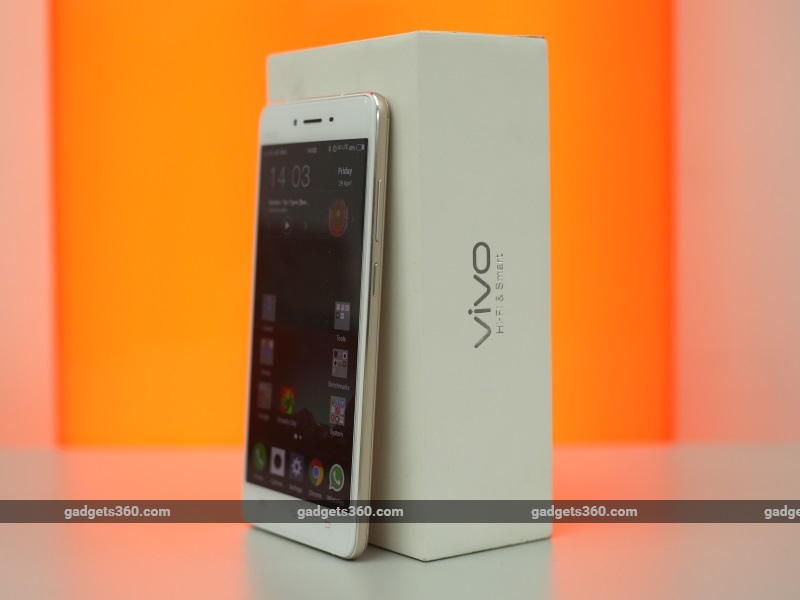
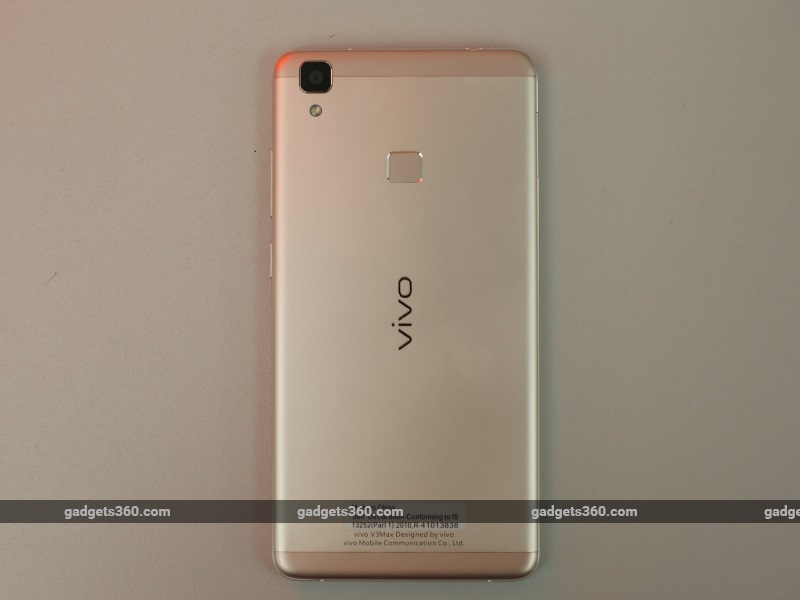
Vivo V3 Max is not a small phone than anywhere. It has a 5.5 -inch screen and weighs 168 grams. It would not be wrong to call it a phablet, it is not at all for those who want to handle the phone easily. Its body is of metal. However the finish is a bit indifferent.

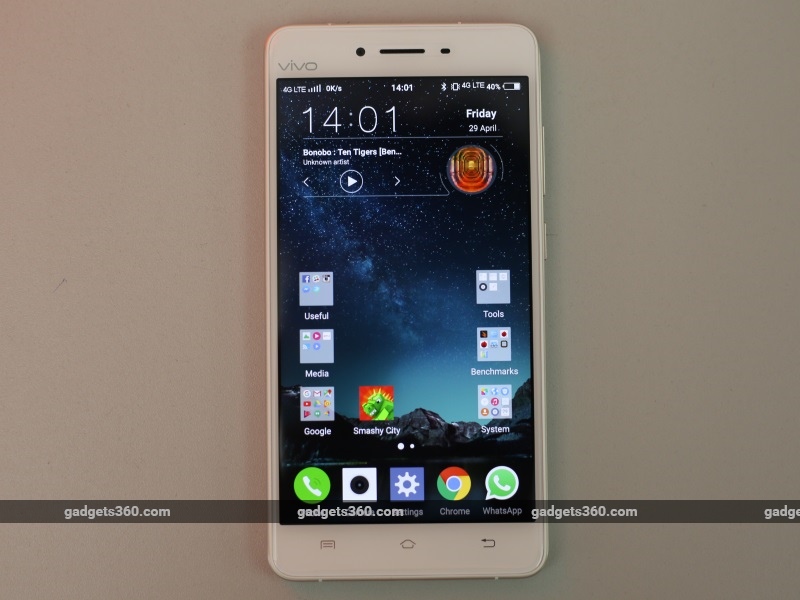
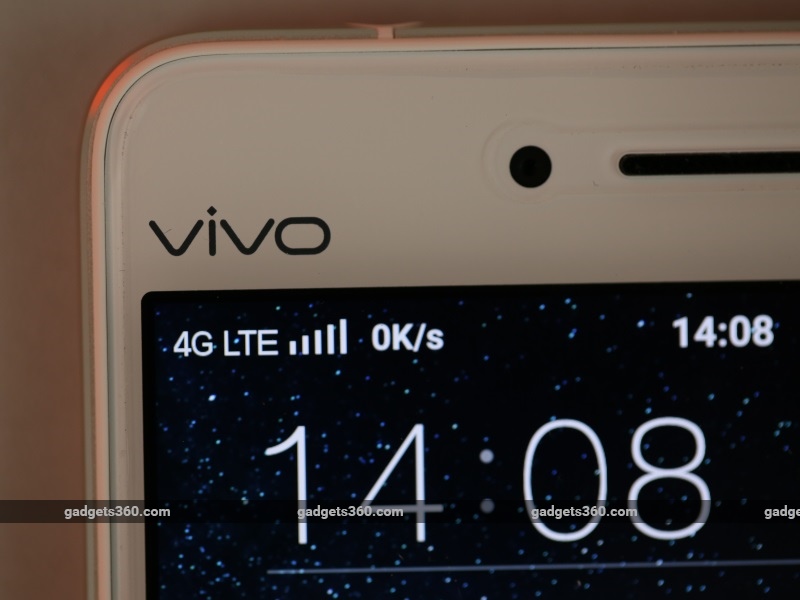
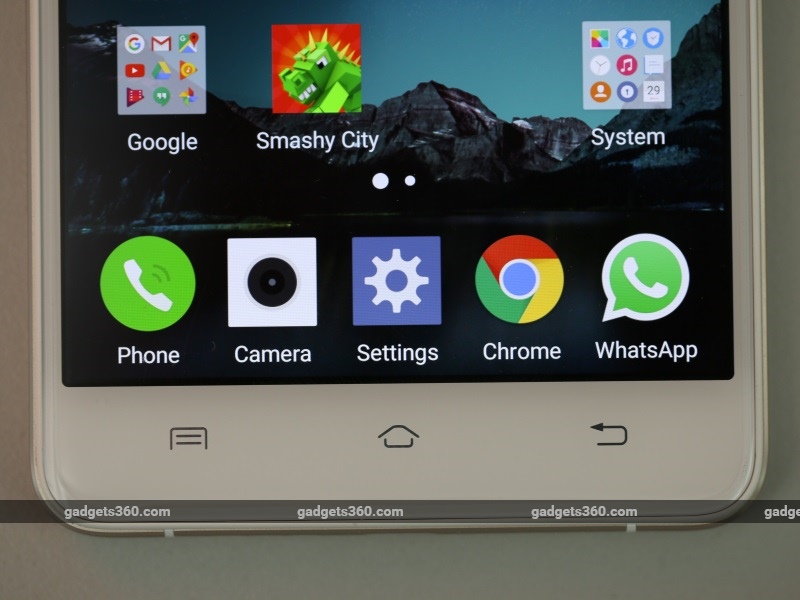
In the front of the phone, a small Vivo logo will be seen in the top. Apart from this, the front camera and proximity sensors are also on top. Capacitive buttons are downwards. Sadly, they are not backlit. In such a situation, it is not as easy to use them in darkness.

vivo_v3max_logo

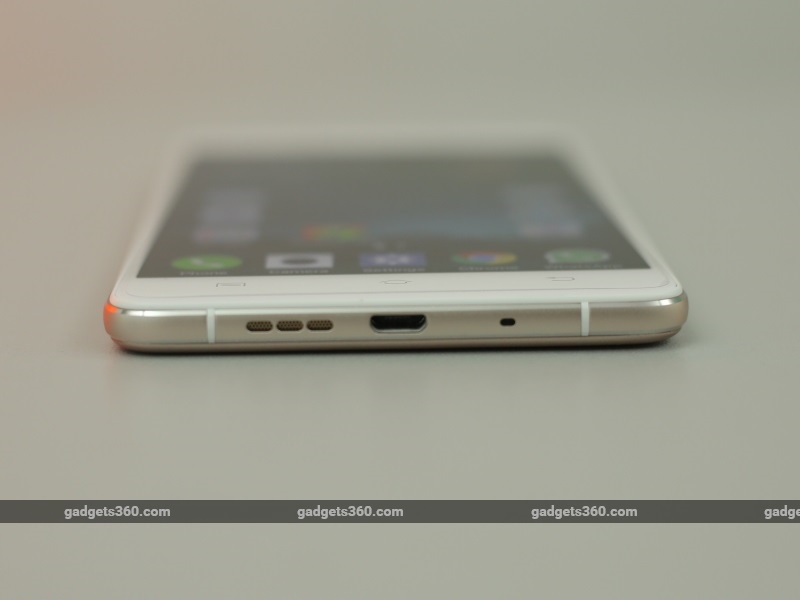
The phone has power and volume buttons on the right side and hybrid sim tray on the left. The top has a 3.5 mm socket and the lower back has micro-USB ports, microphones and speakers.

The camera, flash, vivo logo and fingerprint sensor are present on the back of the phone. The sensor does its work well. You will be able to store only up to 5 fingerprints in the sensor. It is possible to unlock the phone without active.

The screen of the phone is full-HD. It is very sharp and in high light, there is not much difficulty in reading anything on the screen. Color is vibrant and suitable.

vivo_v3max_back_ndtv

Specification and software
The new octa-core Qualcomm Snapdragon 652 chipset has been used in Vivo V3 Max. Snapdragon 652 is a very capable mid-range chipset. Qualcomm claims that its performance is with flagship grade. It has 4 GB RAM which will work to further strengthen the performance. Inbuilt storage is 32 GB which can be increased through microSD card (up to 128 GB).
The phone has a 3000 mAh battery and also has support for USB OTG. It is a pity that you will be able to use only two SIM cards or a SIM card and microSD card at one time. The dual-engine charging feature has been given in the phone to quickly charge the battery.

vivo_v3max_chin_ndtv

The V3 Max smartphone runs on Android 5.1, above which Vivo’s custom Funtch OS 2.5 has been used. It is very different from other Android smartphones. Because Funtch has been designed like this, give it a feeling of iOS. Settings app especially the settings of other Android phones are very different.

There is no doubt that it is an Android phone. But on most occasions it seems that an attempt has been made to copy the iOS. If you are accustomed to using Android, then it will take time for you to meet Vivo V3 Max’s OS.

vivo_v3max_bottom_ndtv

Camera
The Vivo V3 Max has a 13 -megapixel primary camera and a single tone LED flash. It also has an 8 megapixel front camera. With both cameras you will be able to record 1080 pixels videos. Apart from this, they are also equipped with popular videos and photo mode like Panorama, Slow Motion and HDR.

The camera app has a special care of simplicity. Apart from this, it is a feeling of freshness in using it. There is not much difficulty in accessing important control. It has no settings menu. Manual mode is also present, which gives you more control of photography.

vivo_v3max_camerashot

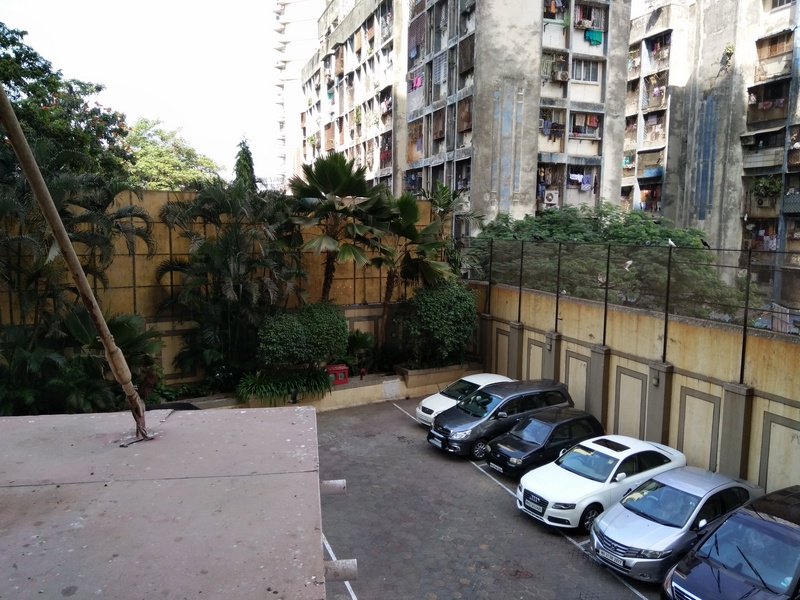
Photos taken from Vivo V3 Max came very sharp and bright. But the color looked a bit sad and excited. There was no shortage of details in the pictures. They do not break even when they zoom.

The camera has a digit in capturing the moving object. It blurred on most occasions. The video recorded exactly. Overall, pictures came sharp on most occasions, but they cannot be called fantastic.

vivo_v3max_camerashot

Performance
In terms of performance, Vivo V3 Max manages to win heart. It is far ahead of most phones of this price range. This phone easily completes difficult tasks. Playing the game on it is even more fun. This was possible due to having 4 GB RAM. With its help, many apps continue to run at a time but the effect does not fall on the performance. The benchmark test results of the handset are also excellent. The funny thing is that this type of midrange smartphones are able to beat the flagship phone very easily in terms of performance.

The phone’s battery video loop lasted for 11 hours 36 minutes. It will easily last for a day on common use.

vivo_v3max_right

This phone becomes a little hot at the time of playing games and charging. 4G and Wi-Fi connectivity features do excellent work. The phone does not have difficulty in staying connected to the network.

Our decision
Vivo V3 Max is a very capable mid-range smartphone that manages to win all departments. Its texture is good. The fingerprint sensor works fast and accurate. The screen is good and performance is also excellent. Battery life is also satisfactory. If some shortcomings of the camera department are ignored, then this phone passes with good marks in every department. Just … our complaint is with the price of Vivo V3 Max. It does not match the product at all.

The most correct comparison of V3 Max Xiaomi Redmi Note 3 Which will be available at half the price. If you want to spend Rs 25,000 for the phone, then Xiaomi Mi 5 ,Review) There is a better package.

Apart from this, there are many phones in the market that give similar experiences in less money, such as Lenovo Vibe X3, Google Nexus 5X and OnePlus 2. However, if you are looking for an Android phone that gives a feeling of using iOS and its performance is also good then it would not be wrong to consider Vivo V3 Max.

LG’s 7 LTE review

0

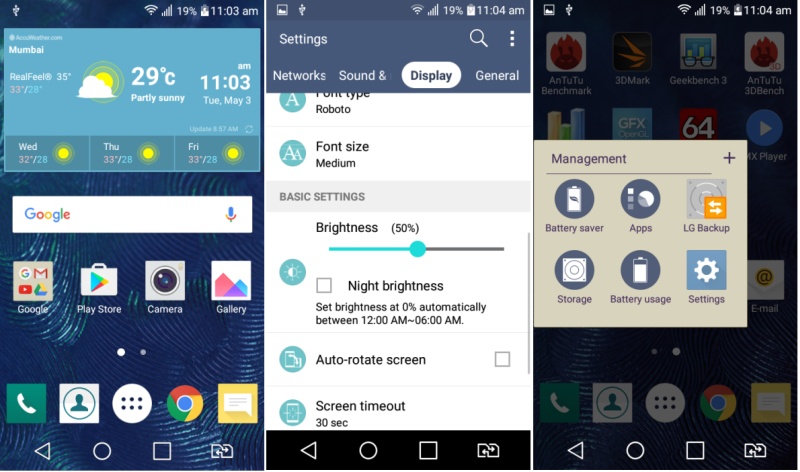
LG recently K10 LTE And K7 LTE Smartphone in India LaunchedThese smartphones of LG’s new ‘budget series’ were first introduced in CES 2016. K10 of LTE Review After now, 7 LTE of Bari Ha was investigated.

The 7 LTE smartphone has more affordable than 10 LTE but its effect appears in feature and specifications. 7 LTE collision of Rs 9,500 Lenovo Vibe’s 5 Plus ,Review, Coolpad Note 3 And Xiaomi Redmi Note 3 ,ReviewIt is from the base model of. Know what shortcomings and qualities we saw in the review of 7 LTE reviews.


Design and look
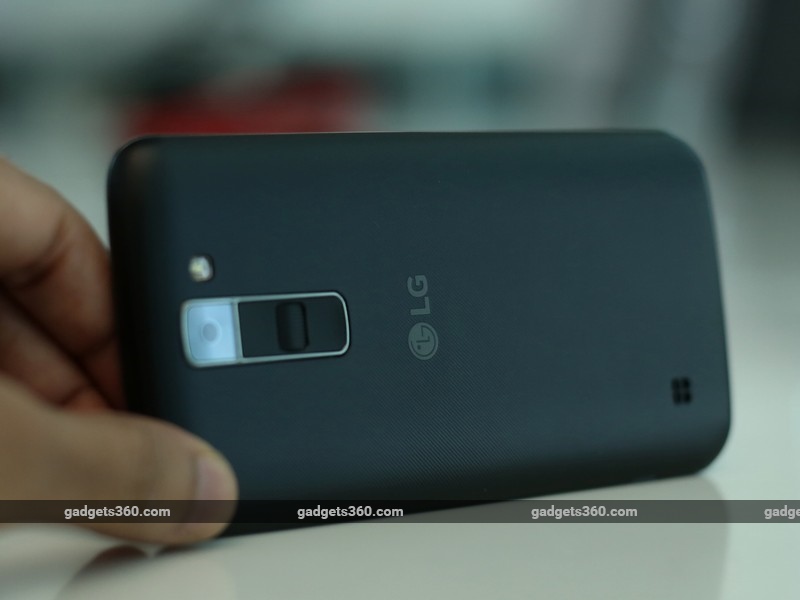
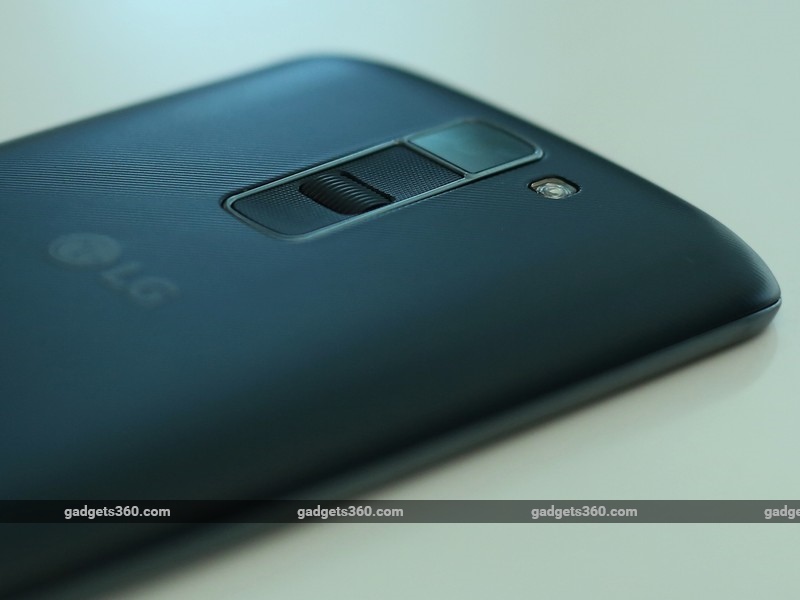
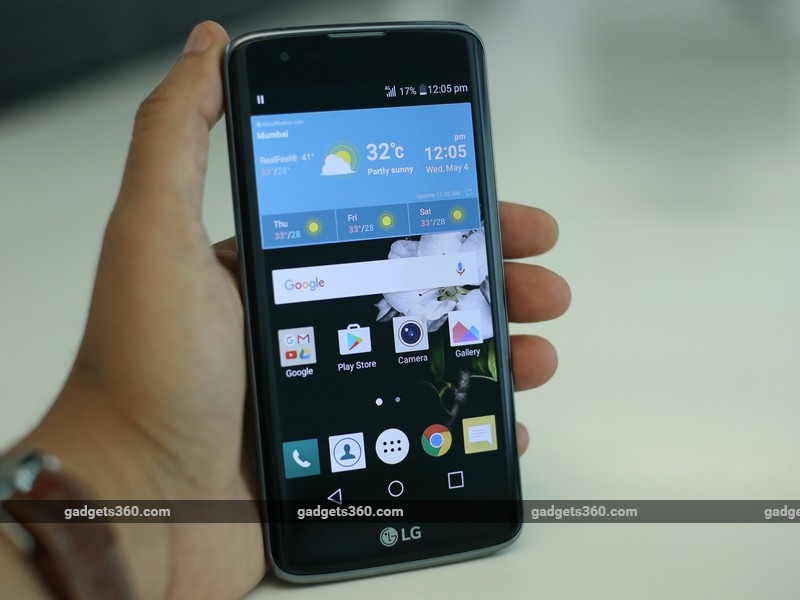
The 7 LTE is designed in peble finish just like K10 LTE. It is very difficult to differentiate between the two phones. Curved edges are given in the display that makes the phone beautiful. The rear cover of the phone is textured but the 7 LTE grip is good. The phone has a 5 -megapixel front camera with a proximity sensor. Don’t know why, but LG has removed the ambient light sensor from this phone, which means you will have to adjust the screen brightness manually. According to the plastic phone, the design of the phone cannot be said to be bad.

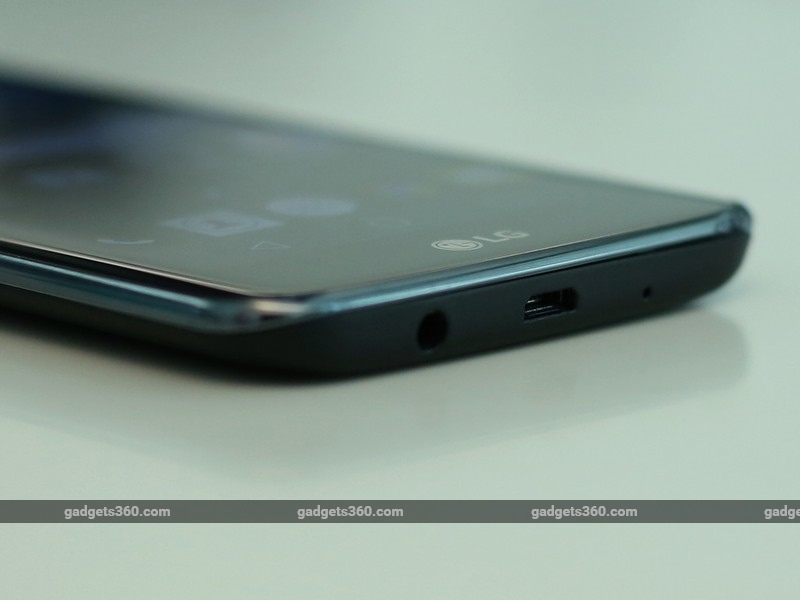
One of the biggest flaws of 7 LTE is its 5-inch in-cell touch display with just 480×854 pixels resolution. The density of the screen is 195 PPI that makes the text and photos look rough. The viewing angle is still fantastic and the phone can be used in sunlight. The charging port and headphone shock are given at the bottom while the rest of the buttons are given on the rear.

On purchasing 7 LTE, you will get one charger, data cable, headset and instruction manual. Like 10 LTE, you will not get a flip cover with this phone. The quality of accessory coming with K7 LTE is good. But K7 LTE does not feel like 10 LTE at all, but its price is also low. The phone has an agreement with low resolution display which is not good for this screen size phone. Despite the price of around 10,000, we did not understand the reason for the removal of light ambient sensor by the company. Notification LED has not been given in 7 LTEs like K10 LTE.

Software and specifications
LG’s 7 LTE has Qualcomm Snapdragon 210 quad-core processor and 1.5 GB RAM. In the benchmarking test, we launched this phone hall in this phone hall, only figures like Infocus Bingo 10, which were priced below Rs 5,000. The general performance of the phone can be called well.


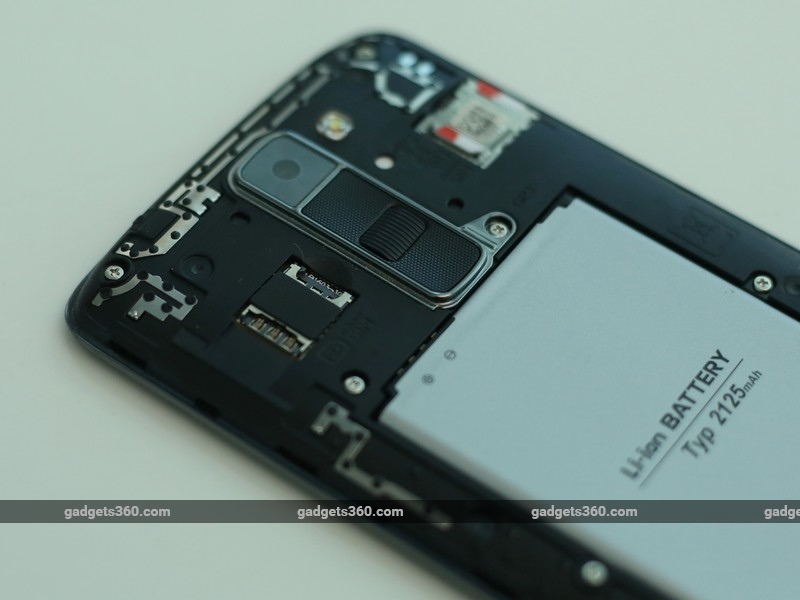
Talk about the second specification, then 8 GB of inbuilt storage can be increased to 32 GB via microSD card. The phone supports Bluetooth 4.0, Wi-Fi B/G/N, FM radio and GPS. LG’s 7 LTE has not been given NFC or OSB OTG support. K7 LTE has two Nano SIM card slots. The phone supports 3G on both SIMs. Apart from this, VoLTE and VoY-Fi support is also present but only in the first SIM. The phone has a 2125 mAh removable battery.

The software of the phone is similar to the 10 LTE of the lag. LG has given a customized version of Android 5.1.1 Lollipop in K7 LTE. The phone has no other apps other than LG backup and smartworld. Theme, font, ringtone etc. can be downloaded to customize the phone. At the bottom navigation bar can be legally toes to the notification shed. Apart from changing the lock screen effect, quick launch shortcuts for the app can also be edited.

Performance
Despite the low-end processor, multitasking and apps can be easily run from 7 LTEs. However, the phone has a attention to a attention, but this cannot be called the phone completely bad. Heavy apps, especially the game, take some time to load and the performance is also not very good. Photos and texts are not as sharp as we expected. The phone is not very hot during normal use, but the phone becomes very hot at the time of gaming and charging. 4G works well and we did not see any problem in call quality.


Full-HD video is easily played in the phone. But there is no AC3 support like some audio Codex. The music player supports Flack Audio File. The audio quality of the phone with the headset coming with K7 LTE can be said to be good. Out of 8 GB storage, only 3.4 GB is available for use, so the user will need a microSD card.

The 5 megapixel rear camera brings fine pictures in daylight. Landskap photos do not come with a lot of details and the colors are slightly pressed. In motion, we also took some great sharp photos. Camera shutter has a lot of trouble which increases in low light. Photos are not good from the camera in low light. Close up shots are very good from the phone, but once again do not get good colors. Recording 720 pixels from both rear and front cameras can be recorded from the camera. The video quality is fine but if you do not keep your hands stable and the video may cause a lot of flicker.

The camera app has very few features. Like K10 LTE, you will not get features like HDR, Panorama, Filter in this phone.


battery life
Due to the low-regulation display and low-power processor, this phone is able to give good battery life. Good battery life is the most special feature of this phone. In our video loop test, we were able to playback from LG’s 7 LTE for 11 hours 37 minutes. At the same time, during normal use, we were able to run the phone without charging the whole day. Quick does not support the phone.

Our decision
Today, in the budget smartphone segment with tremendous feature in the market, 7 LTE of LG is not known anywhere. Except for a good battery life and design, the phone looks backward everywhere. The phone is very expensive with a price of Rs 9,500. There are phones like Lenovo Vibe’s 5 Plus, Coolpad Note 3 and Xiaomi Redmi Note 3 with lower price and better performance in the market.

Like K10 LTE, LG needs to improve the price of K7 LTE. According to the features provided in the phone, it fits in the category of a phone in India with less than 5,000. LG needs to take the right steps.