Iran war has put the US in a situation where ‘it’s not in control but can’t walk away’, argues economist Richard Wolff.
When the United States threatens to take over countries and destroy civilisations, “these are the wild gesticulations of a sinking enterprise”, argues Richard Wolff, professor emeritus of economics at the University of Massachusetts.
Wolff tells host Steve Clemons that US leaders refuse to face the reality that the US empire is in decline. Around the world, he adds, people are “deeply internalising” the lessons from the US’s inability to defeat Iran.
The people in the US are becoming “bitterly angry” at their situation, where the richest 10 percent of Americans own 80 percent of corporate stocks, making the stock market “utterly irrelevant” to the masses.
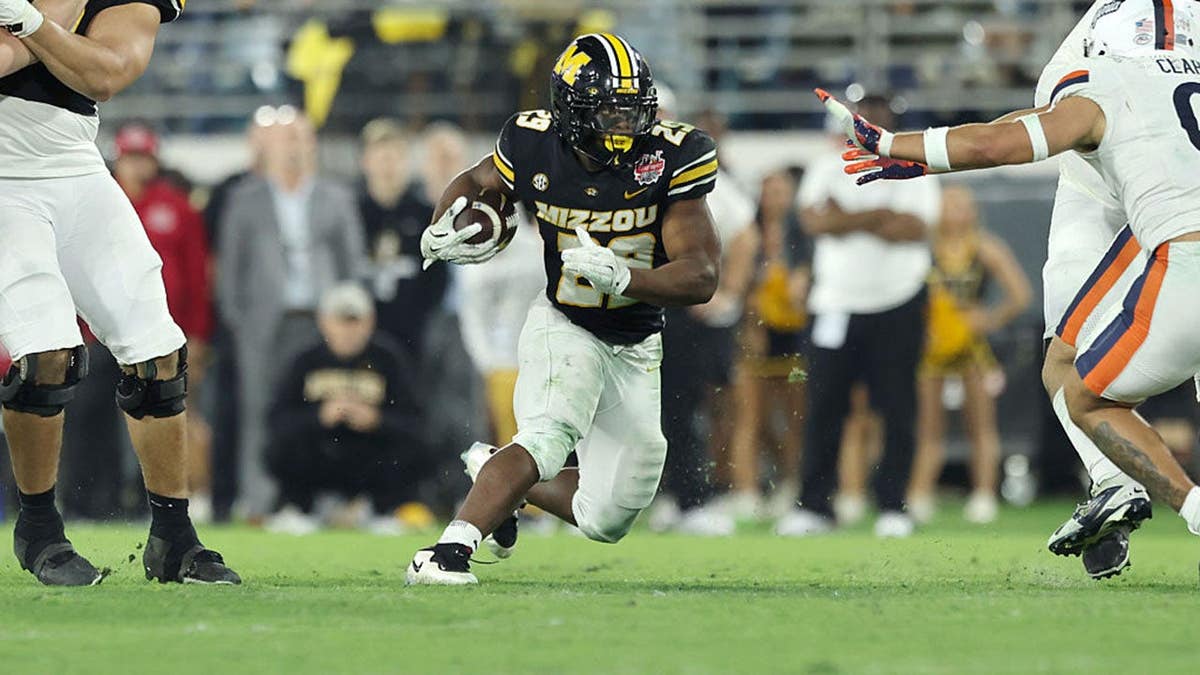
Missouri has announced that running back Ahmad Hardy was shot this past weekend at a concert in Mississippi.
The SEC’s leading rusher in 2025 is currently listed in stable condition after the shooting, though a timeline for his return is unknown at this time.
Ahmad Hardy of the Missouri Tigers runs the ball during the 2025 TaxSlayer Gator Bowl against the Virginia Cavaliers at EverBank Stadium in Jacksonville, Fla., on Dec. 27, 2025.(Dustin Markland/Getty Images)
On Monday morning, the athletic department released a statement regarding the incident, along with the status of running back Ahmad Hardy.
“Mizzou Football student-athlete Ahmad Hardy was a victim of a shooting at a concert in Mississippi early Sunday morning and sustained a gunshot wound”, the school announced. “Ahmad underwent surgery Sunday in Mississippi and is in stable condition. Ahmad is deeply loved by his teammate, coaches, friends, family and fans. We will continue to stand beside him and his family through this difficult time, offering our love, prayers, strength and support.
“A timeline for his return to football activities is unknown at this time. Mizzou Athletics will provide more information on his status when it becomes available.”
Running back Ahmad Hardy of the Missouri Tigers runs for a touchdown against the Louisiana Ragin Cajuns at Faurot Field at Memorial Stadium in Columbia, Mo., on Sept. 13, 2025.(Ed Zurga/Getty Images)
Right now, there is no further information regarding the incident.
The Missouri running back turned down multiple offers from other schools this past offseason to enter the transfer portal, deciding to stay in Columbia and continue building his legacy with the Tigers.
What happens next is still left to be determined about the status of Hardy, but Missouri athletics will continue updating the public when it’s necessary.
Trey Wallace is the Sr. College Sports Reporter for OutKick.
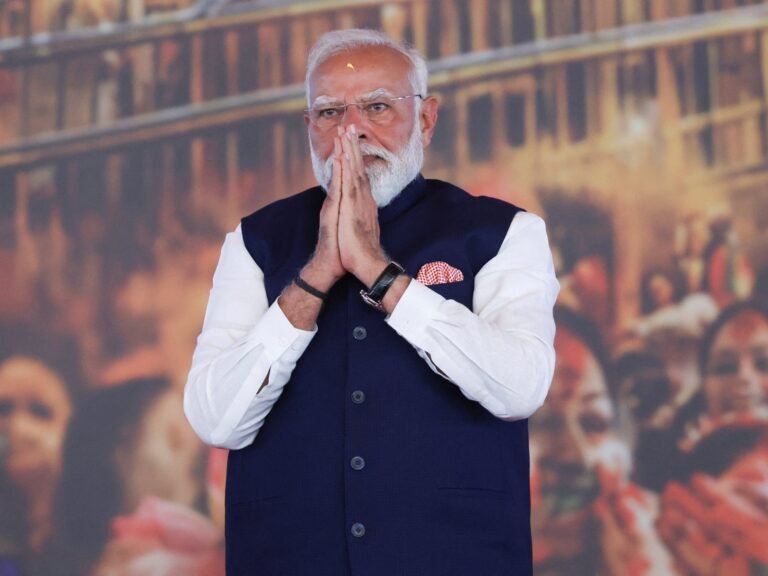
Prime Minister Narendra Modi has urged Indians to work from home, avoid international trips and not buy gold during the United States-Israeli war on Iran, which has caused global energy prices to surge, adding pressure on India’s foreign exchange reserves.
Modi made his plea during a public event in the southern city of Hyderabad on Sunday.
Recommended Stories
list of 4 itemsend of list
Here is more about what Modi said, what’s behind the Indian government’s concerns and how they’re linked to the war on Iran.
What did Modi say?
Modi said people should move to online meetings instead of physical gatherings and use the work-from-home model that was adopted globally during the COVID-19 pandemic. He explained that such practices would cut down the use of fuel.
Additionally, Modi urged people to use public transport and carpooling to save fuel. He called on families to reduce their cooking oil consumption, describing that move as both healthy and patriotic.
Modi also asked Indians to avoid buying gold and to cut nonessential overseas travel for at least a year. The prime minister asked farmers to cut their fertiliser use by as much as half.
And he explained his justification for asking the people of India to make these changes in their lifestyles and plans: “In the current situation, we must place great emphasis on saving foreign exchange.”
What’s the ‘current situation’ Modi was talking about?
Simply put, Modi was referring to the war on Iran and its far-reaching economic consequences, especially for India.
Early in the war too, Modi had compared the economic crisis spawned by the conflict to the situation during the COVID-19 pandemic. On Sunday, he extended that parallel to also ask Indians to adopt some of the restrictive measures forced upon the world by the coronavirus crisis.
Oil prices have climbed due to the war on Iran, which started on February 28. A barrel of Brent crude, the international benchmark, was worth $72.87 on February 27. As of Monday, a barrel of Brent crude was worth $105.45, an almost 50 percent increase.
Iranian attacks on oil and gas facilities in the Gulf in the early weeks of the war impacted energy supplies. Since early March, Iran has also restricted passage through the Strait of Hormuz, the narrow waterway through which 20 percent of the world’s oil and liquefied natural gas supplies passed before the war. Iran has allowed passage by vessels from select countries that need to negotiate their transit with the Islamic Revolutionary Guard Corps.
In April, the US announced a naval blockade on ships entering or leaving Iranian ports, further adding to the disruption of global oil and gas supplies.
With rising fuel costs, airlines have hiked ticket prices. According to the travel search site Kayak, the average international airfare from the US to all destinations was $1,101 in the last week of April, a 16 percent increase from the same period a year earlier.
Nearly half of the world’s traded urea, the most widely used fertiliser, and large volumes of other fertilisers are exported from Gulf countries through the Strait of Hormuz. Those supplies have now been dramatically disrupted.
“Patriotism is not only about the willingness to sacrifice one’s life on the border. In these times, it is about living responsibly and fulfilling our duties to the nation in our daily lives,” Modi said.
And those duties and responsibilities, per Modi’s comments, centre on India’s foreign exchange reserves.
What are India’s foreign exchange reserves?
India’s foreign exchange reserves as of May 1 were $690.69bn, down $7.79bn, or about 1.12 percent, from the end of March, according to the Reserve Bank of India, the central bank.
Compared with where India’s reserves stood before the war, the fall is more precipitous. As of February 27, India’s foreign exchange reserves stood at $728.5bn.
The International Monetary Fund projected that India’s current account deficit (CAD) will be $84bn in 2026. A negative CAD means that it is effectively overdrawn – it has spent more money than it has.
What do oil, gold, foreign travel and fertilisers have to do with all of this?
India is the world’s third largest oil importer after China and the US.
From April 2025 to March, the last Indian financial year, the country imported crude oil worth $123bn. That is the single largest contributor to India’s import budget.
At second spot? Gold. Indians imported gold worth $72bn in the 2025-2026 fiscal year, second in the world only to China.
According to the travel insurance firm ACKO, Indians travelling abroad spent $31.7bn in 2023-2024. In 2024, about 30.9 million Indian nationals departed India, according to data from the Bureau of Immigration. This was up from about 27.9 million Indian nationals in 2023.
India is also the world’s largest importer of urea – it imported about 10 million tonnes of the fertiliser last year, according to analysis from S&P Global.
Why is this worrying for India right now?
India’s foreign exchange reserves are depleted by large volumes of imports of oil, gold, fertilisers and by Indians spending abroad.
However, of these expenses, oil and fertilisers are hard for India to cut back on. Energy imports are essential to drive India’s economy, and fertilisers are critical both for the country’s agrarian economy – more than half of the country’s families depend on agriculture – and for food supplies.
That leaves gold and foreign travel. Whether Indians will take up Modi’s call, though, is unclear.
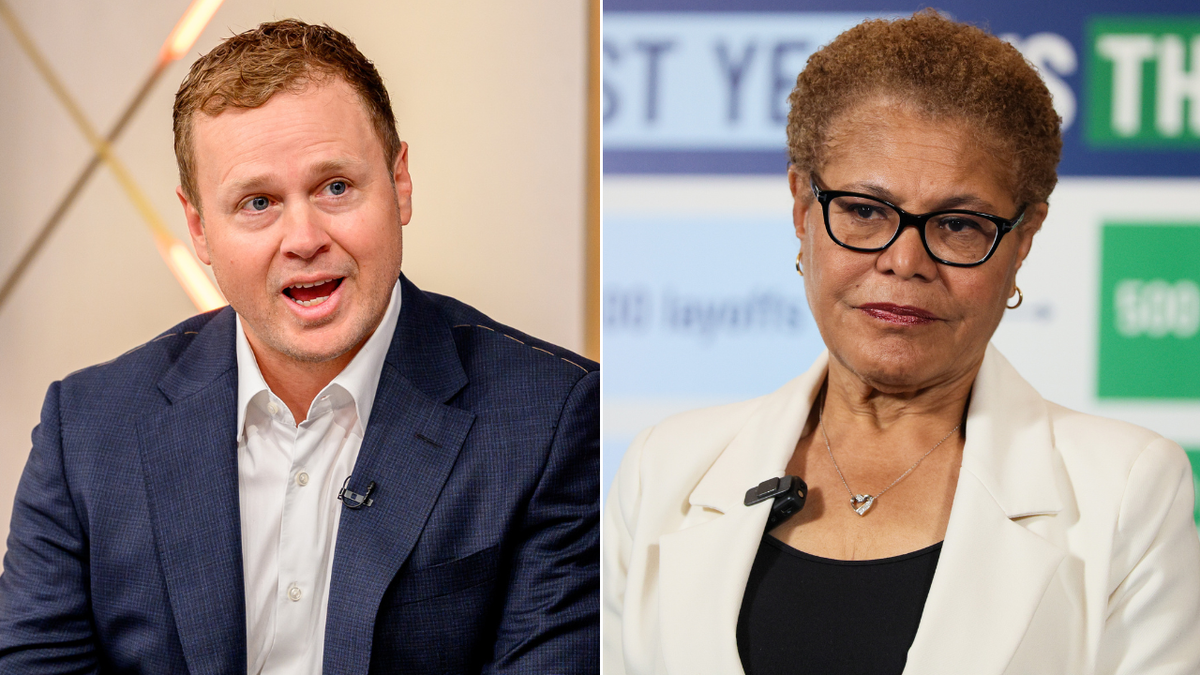
After Los Angeles wildfires devastated his home, mayoral candidate Spencer Pratt released a powerful Mother’s Day video that has gone viral. Samantha Ettus, an activist who also lost her home in the Palisades fires, explains why she’s backing Pratt against incumbent Mayor Karen Bass. Ettus critiques Bass’s management of the city’s escalating homelessness crisis and slow rebuild efforts, with only 30 of 16,000 structures reconstructed.
NEWYou can now listen to Fox News articles!
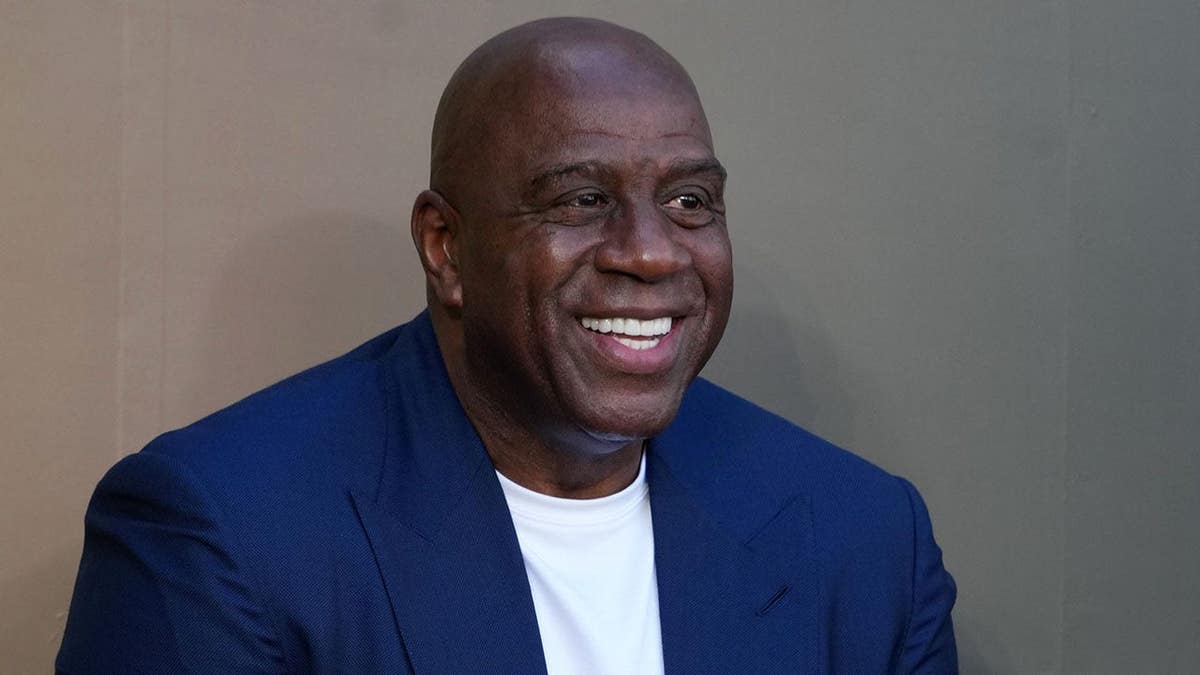
Magic Johnson broke away from his former Los Angeles Lakers boss on Monday and endorsed Karen Bass in the Los Angeles mayoral race.
Bass posted a video of Johnson’s endorsement on her social media. Johnson’s support of Bass came after Jeanie Buss appeared to back Spencer Pratt in the race.
Magic Johnson attends the unveiling of a statue honoring former Los Angeles Lakers coach Pat Riley at the Crypto.com Arena in Los Angeles on Feb. 22, 2026.(Kirby Lee/Imagn Images)
Johnson said his 30-year friendship with Bass and her actions on homelessness and lowering the homicide rates were part of the reasons why he endorsed her.
“She’s doing a tremendous job. Mayor Bass has to have a second term and I’m excited to say that,” Johnson said. “Listen, you took on a tough job here and you’ve done a fabulous job and all of us appreciate your effort and what you’re doing and we look forward to helping you continue your mission and the things that you have in store – your vision for the city.”
Jeanie Buss, CEO and co-owner of the Los Angeles Lakers, holds a new Lakers jersey during a 2021 event.(Allen J. Schaben/LA Times via Getty Images)
Johnson didn’t mention one of the sticking points that has allowed Pratt to gain support in the race – her handling of the 2025 wildfires that led to at least a dozen deaths and billions in damage.
Pratt has continued to needle Bass over her response to the wildfires.
Buss appeared to show support for Pratt last month when she donated 1,800 to his mayoral campaign, according to FOX 11 in Los Angeles. It’s the maximum donation allowed by law.
Former reality television star Spencer Pratt is running against Los Angeles Mayor Karen Bass in the race to lead the second-largest city in the country.(Roy Rochlin/Getty Images and Ronaldo Bolaños/Los Angeles Times/Getty Images)
Customers urged to keep an eye out for phisherfolk
BWH Hotels is informing customers about a third-party data breach that gave cybercriminals access to six months’ worth of data.
The notification email stated that BWH Hotels, which owns the WorldHotels, Best Western Hotels & Resorts, and Sure Hotels brands, identified the intrusion on April 22, but the affected data goes back to October 14, 2025.
BWH Hotels CTO Bill Ryan, who penned the notification email, said names, email addresses, telephone numbers, and/or home addresses belonging to “certain guests” were accessed by an unauthorized third party.
The intruders also accessed reservation details, such as reservation numbers, dates of stay, and any special requests.
It confirmed that the attack targeted one of its “web applications that houses certain guest reservation data.” No payment or bank details were involved.
The Register asked BWH Hotels whether the intrusion began in October and went undetected until April, or whether a later breach exposed data dating back to October.
We also asked if this was related to information we were sent in March about BWH Hotel customer booking data being stolen and used for phishing campaigns. At the time, the company neither confirmed nor denied the information seen by The Register.
BWH Hotels did not immediately respond to our request for comment on Monday.
“Upon discovering the incident, we immediately took the application offline and revoked the unauthorized access,” said Ryan. “We have engaged leading external cybersecurity experts to support our incident response efforts and to assist with the further strengthening of existing safeguards.”
“We advise guests to be extra vigilant when viewing any unexpected or suspicious communications about hotel stays. If you receive a suspicious communication such as an unexpected email, text, WhatsApp message, or telephone call that asks for payment, codes, logins, or ‘verification,’ even if they reference a BWH Hotels property or an upcoming reservation, do not engage. Navigate to sites directly rather than clicking links.” ®
It is “inconceivable” that reparatory justice from Britain for the transatlantic trade of enslaved Africans will not be “front and centre” of the next Commonwealth leaders meeting, the former prime minister of St Vincent and the Grenadines has said.
Ralph Gonsalves was in Jamaica to discuss the next steps of the “alive and growing” movement to advocate for reparations for hundreds of years of chattel slavery.
The opposition leader was recently appointed an elder and adviser for the Repair Campaign, a social movement for reparatory justice founded by the Irish telecoms tycoon Denis O’Brien.
Gonsalves was instrumental in setting up the Caribbean Community’s (Caricom) reparations commission to support Caribbean governments’ call for recognition of the lasting legacy of colonialism and enslavement, and for reparative justice from former colonisers.
He said that the leaders of the 56-country Commonwealth grouping, which includes 33 Caribbean and African nations, cannot ignore the strong momentum towards a reparations resolution.
Between the 15th and the 19th century, more than 12.5 million Africans were kidnapped, forcibly transported to the Americas and sold into slavery.
The issue dominated headlines during the last Commonwealth heads of government meeting (Chogm), held in October 2024, when the British prime minister, Keir Starmer, resisted pressure from member states to include reparations in the summit’s agenda.
Gonsalves said: “In the light of what transpired last time at Chogm, and the progress which has been made since then, and the activist agenda for the reparations movement, both in the Caribbean and Africa … it would be absolutely inconceivable that you wouldn’t have this being front and centre of the summit.”
In March this year, the UK was one of several European countries that abstained from voting for a UN general assembly landmark resolution that described chattel slavery as the gravest crime against humanity. The resolution was passed after an overwhelming majority of 123 nations voted in its favour, with only the US, Israel and Argentina voting against it.
Before the Commonwealth meeting in Antigua and Barbuda in November, a series of milestone events will be held across the Caribbean, Africa and the UK, Gonsalves said.
Ghana, which led the March UN resolution, will host a reparations conference in June to agree coordinated next steps for the global movement.
He added that, in the run-up to a Caribbean leaders meeting in St Lucia in July, the prime ministerial reparations subcommittee, chaired by the prime minister of Barbados, Mia Amor Mottley, is likely to meet to agree updates to Caricom’s 10-point plan for reparatory justice.
Gonsalves said that across the region there was a strong commitment to addressing the legacies of colonialism.
On Saturday, the prime minister of Trinidad and Tobago, Kamla Persad-Bissessar, who also played a key role in setting up Caricom’s reparatory commission, announced that she would rename Nelson Island in honour of indentured immigrants from India, who were sent there by Britain between 1866 and 1917, in what she described as an “unjust and inhumane system” of human trafficking.
Gonsalves said Persad-Bissessar had done “very good work” during her first term.
“She was then chair of Caricom when I took the matter of reparatory justice to heads in 2013, 2014, and she supported it fully,” he said.
“I expect her to continue that support in her second term because it’s a matter on which she has spoken, not just with passion, but more importantly with commitment, and I don’t think that that commitment has waned.”
During his visit to Jamaica, Gonsalves met the country’s culture and gender minister, Olivia “Babsy” Grange, who is leading its reparation movement.
Last year Caricom backed Jamaica’s decision to petition King Charles – its head of state – to request legal advice on reparations from the judicial committee of the privy council, the final court of appeal for UK overseas territories and some Commonwealth nations.
Gonsalves said he hoped King Charles would support the Caribbean and Africa.
He said: “To quote the current head of the Commonwealth, King Charles, this issue, reparations, is one whose time has come for a serious conversation.
“Now, I don’t know what side of the conversation he would end up on. Knowing him, I am satisfied that he would come [down] on the side of the conversation which is in the interest of the bulk of the people in the Commonwealth, and which will be a progressive direction.”
Legal experts have warned that legislation being pushed through the Israeli parliament could result in Palestinians detained around the time of the October 7, 2023, attacks face publicly broadcast “show trials” and the death penalty.
The proposed bill, which has gained rare bipartisan support from both the governing coalition and the opposition, recently entered the parliament, known as the Knesset, for its final readings and would create a special military tribunal to try Palestinians accused of playing a role in the 7 October attacks, when Hamas-led fighters stormed communities along southern Israel’s fence with Gaza.
Co-sponsored by Simcha Rothman of the far-right Religious Zionism Party and Yulia Malinovsky of Yisrael Beytenu, and strongly backed by Justice Minister Yariv Levin, the legislation proposes a dedicated military headquarters and court in Jerusalem to handle the mass prosecution of Palestinians seized by Israeli forces on or around October 7.
At least 1,139 people, mostly civilians, were killed in the attacks, according to an Al Jazeera tally based on official Israeli statistics. About 240 others were seized as captives. Israel’s subsequent war on Gaza killed at least 72,500 Palestinians and destroyed the territory.
Crucially, the bill authorises the court to deviate from standard rules around evidence, legal procedures and detention, as well as granting judges the full authority to issue the death penalty against Palestinians implicated by prosecutors in the attacks.
While some members of the Knesset have championed the bill, the international community and rights groups argue the law could become a political weapon designed to strip detainees of fundamental legal protections.
It follows the Knesset’s approval of a one-sided bill that will instruct military courts to impose the death penalty on Palestinians convicted of killing Israelis in acts of “terror”, but will not impose the same penalty on Jewish Israelis convicted of killing Palestinians.
Torture-tainted evidence and ‘show trials’
To handle the scale of the mass arrests following October 7, the legislation permits sweeping exemptions in standard legal procedures during the trials of Palestinian suspects.
Muna Haddad, an attorney with Adalah, the Legal Center for Arab Minority Rights in Israel, has submitted a formal objection to the bill. She told Al Jazeera it intentionally lowers legal protections to guarantee fair trials in order to secure the mass conviction of Palestinians.
“The bill explicitly permits mass trials that deviate from standard rules of evidence, including broad judicial discretion to admit evidence obtained under coercive conditions that may amount to torture or ill-treatment,” Haddad said. “This constitutes a severe violation of fair trial guarantees that falls well short of international law requirements.”
In a departure from standard Israeli judicial practice, which typically prohibits courtroom cameras, the bill mandates the filming and public broadcasting of key moments in the trials on a dedicated website, including opening hearings, verdicts and sentencing.
Malinovsky, one of the bill’s sponsors, said that “the entire world will witness” the proceedings.
Haddad warned that this provision effectively “transforms proceedings into show trials at the expense of the accused’s rights.”
“The provisions governing public hearings… violate the presumption of innocence, the right to a fair trial, and the right to dignity,” Haddad explained. “The framework effectively treats indictment as a finding of guilt, before any judicial examination has begun.”
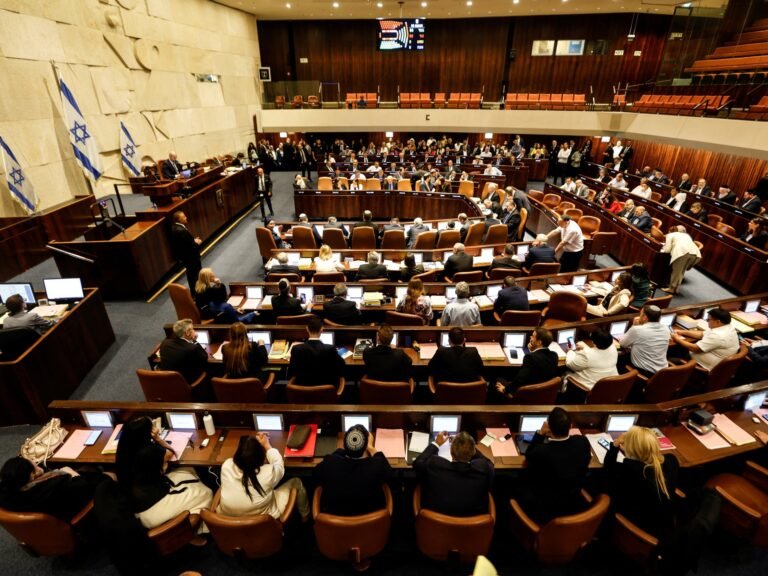
A session of the Knesset, Israel’s parliament, in Jerusalem, July 14, 2025 [Ohad Zwigenberg/AP Photo]
Weaponising the Genocide Law
Because newly passed capital punishment laws cannot be applied retroactively, the new framework seeks to transplant existing Israeli criminal codes – such as treason, assisting an enemy in wartime and the 1950 Law for Preventing and Punishing the Crime of Genocide – into an entirely new legal construct with substantially lower standards of due process.
Israeli legislators have repeatedly compared the upcoming proceedings to the 1961 trial of Adolf Eichmann, a chief architect of the Nazi Holocaust, however, Haddad pointed out glaring historical and legal discrepancies in drawing parallels.
“Adolf Eichmann was not, in fact, tried under the Genocide Law but the Nazi and Nazi Collaborators (Punishment) Law,” she clarified.
Haddad warned that the bill seeks to apply the crime of genocide in an “expansive and exceptional manner, despite it being one of the most serious, complex and narrowly defined offences in international law, one whose adjudication demands particularly rigorous evidentiary and legal scrutiny”.
An ‘arbitrary deprivation of life’
Israel strictly limits the death penalty under civil law and has only carried out executions twice in its history. However, the domestic political climate has shifted drastically in recent years. The internal security agency, the Shin Bet, has publicly supported the potential use of the death penalty for October 7 attackers in what it describes as an act of deterrence.
When asked if the push for executions was merely domestic political theatre, Haddad was unequivocal.
“This is not political theatre,” she told Al Jazeera. “Lawmakers have clearly and explicitly stated their expectation that the death penalty will be applied. Taken together with the recent passage of the March 2026 death penalty law, we are witnessing a deliberate move toward ending Israel’s long-standing moratorium on the death penalty and operationalising it in practice.”
Under international law, imposing the death penalty through a compromised judicial process is illegal. “Any death sentence imposed in the absence of strict fair trial guarantees constitutes an arbitrary deprivation of life and is absolutely prohibited under international law,” Haddad said, citing the International Covenant on Civil and Political Rights (ICCPR).
The risk of unchecked judicial authority is compounded by the fact that the minister of defence – a political actor – would be granted overarching authority over the law’s implementation, requiring only periodic written reports to a Knesset committee rather than independent civilian or judicial oversight.
Historically, Israel has operated two parallel legal systems in the occupied territories: civil law for Israeli settlers and military law for Palestinians.
According to data cited by Israeli rights groups, Palestinians tried in Israeli military courts face a conviction rate of 99.74 percent. In contrast, the conviction rate for Israelis tried in civilian courts for crimes committed against Palestinians is just around three percent.
Prominent international rights organisations, including Amnesty International and Human Rights Watch (HRW), have previously described Israel’s legislative manoeuvres regarding the death penalty for Palestinians as a “discriminatory tool” that entrenches a “system of apartheid“.
Philadelphia 76ers star Tyrese Maxey was downcast after falling to the New York Knicks in Game 4 on Sunday night, leading to an early second-round playoff exit.
Maxey appeared to be more upset with the fan support.
Philadelphia 76ers’ Tyrese Maxey tries to get past New York Knicks’ Landry Shamet during the second half of Game 3 in a second-round NBA playoff series in Philadelphia on May 8, 2026.(Matt Slocum/AP)
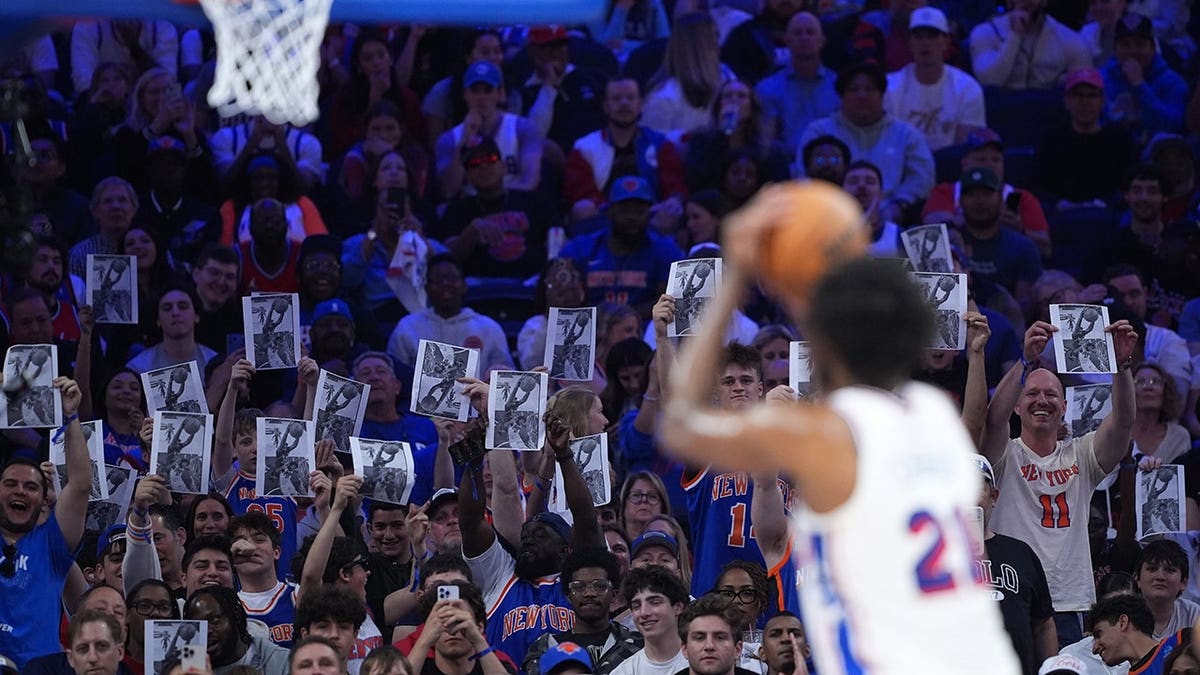
Knicks fans swarmed the Xfinity Mobile Arena in Philadelphia for both Games 3 and 4. They got a front-row seat to watch their team sweep their Atlantic Division rival. Knicks fans even went as far as infiltrating local news broadcasts in celebration.
Maxey spoke about the fans in his postgame press conference.
“It absolutely sucks, if I’m being honest. It just sucks,” he said, via SNY TV. “That’s really all I can say about it, man. It’s hard. It’s definitely difficult. It’s only one way to put a stop to it and it’s, we have to go out there and win these games.
Joel Embiid of the Philadelphia 76ers shoots a free throw during the first half of Game 4 against the New York Knicks in the second round of the NBA playoffs in Philadelphia on May 10, 2026.(Matt Slocum/AP)
“Just being completely honest, we were better when we played them in the Garden this entire season. I know we lost Game 2 and 1, but Game 2 was better. The regular season was better. I was telling them, it felt louder here for them than it did in the Garden.”
He said it was up to the team to drown out the noise.
“We got to put a stop to it as a team,” Maxey added. “Winning these games, that’s gonna make our fans louder than theirs or whatever. I don’t know how to keep them out. I don’t know the logistics of it, but it does suck. I can’t even lie. It definitely does suck.”
New York blew the doors off Philadelphia in Game 4 with a 144-114 win.
Tyrese Maxey of the Philadelphia 76ers defends Mikal Bridges of the New York Knicks during the first half of Game 4 in the second-round NBA playoffs in Philadelphia on May 10, 2026.(Matt Slocum/AP)
It was the eighth time in the last nine playoff appearances that the 76ers haven’t at least made it to the Eastern Conference Finals. Philadelphia hasn’t gotten that far in the postseason since making the 2001 NBA Finals.
Ryan Gaydos is a senior editor for Fox News Digital.
Access Denied
You don’t have permission to access “http://hindi.news18.com/photogallery/sports/cricket-priyansh-arya-becomes-first-batter-in-world-to-hit-six-on-1st-ball-of-an-ipl-match-twice-creates-history-on-mitchell-starc-ball-10466332.html” on this server.
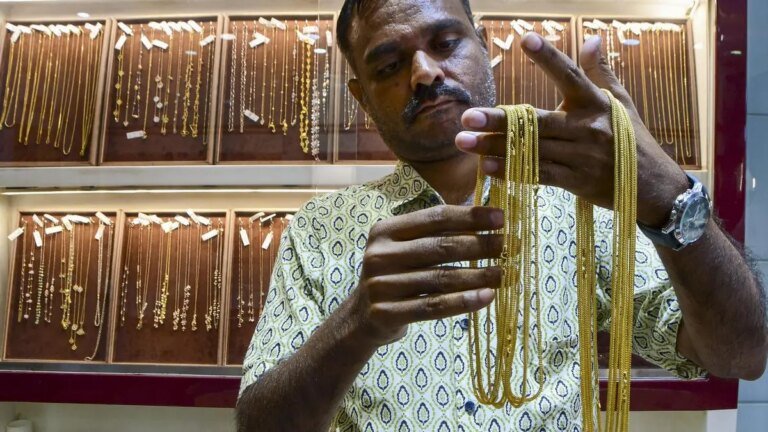
Jewellers’ associations across the country are planning to approach the Prime Minister’s Office (PMO) to express concern over Prime Minister Narendra Modi’s remarks urging consumers to go slow on gold jewelery purchases over the next year in order to help reduce India’s import bill amid growing global uncertainty.
Rajesh Rokde, chairman of the All India Gem and Jewelery Domestic Council, said the council is seeking an appointment with the PMO to discuss the issue in detail.
“Our objective is to present long-term solutions that can make India truly self-reliant by channeling idle household gold into the formal economy, rather than depending heavily on imports. This dialogue will be crucial in aligning industry practices with national priorities while safeguarding livelihoods and consumer trust,” he said.
Sharp reactions
Modi made the remarks at a rally in Secunderabad on Sunday, where he suggested a range of measures to curb foreign exchange outgoings, including reducing fuel consumption by using public transport, opting to work from home and limiting foreign travel.
The comments triggered sharp reactions from jewellers, particularly in Lucknow, where traders called for a market shutdown. The Lucknow Mahanagar Sarafa Association announced a one-day shutdown on Monday, warning that the remarks could severely hurt artisans and traders during the crucial wedding season.
India’s jewelery demand is already hovering near a 30-year low due to elevated gold prices and weak consumer sentiment. Industry estimates suggest that any slowdown in gold jewelery sales could affect more than one crore people employed in the sector.
Dr C Vinod Hayagriv, managing director of C Krishniah Chetty Group, said structural reforms could help address the import issue more effectively.
Not short-term measures
“A simple structural reform permitting the sale of raw bullion only to GST-registered buyers can immediately reduce unnecessary imports, improve transparency and strengthen the organized jewelery ecosystem,” he said.
“This is not a short-term measure but a long-term economic safeguard that can benefit the country for years to come. India must encourage value-added consumption of gold rather than idle locker-based investments that do not support the broader economy,” he said.
Gold is India’s second-largest imported commodity after crude oil. Higher demand for gold jewelery leads manufacturers to import more bullion, increasing pressure on the rupee and widening the current account deficit (CAD), which tends to rise sharply when both crude and gold imports surge. The CAD reflects the gap between foreign exchange inflows into India and money spent on imports.
The market reaction was swift, with jewelery stocks tumbling amid fears of weaker consumer demand. Shares of Titan Company fell 7 per cent, while Kalyan Jewelers and PNG Jewelers declined 9 per cent and 8 per cent respectively. Senco Gold & Diamonds dropped 11 per cent. The decline came despite most jewelery companies reporting stronger earnings for the March quarter.