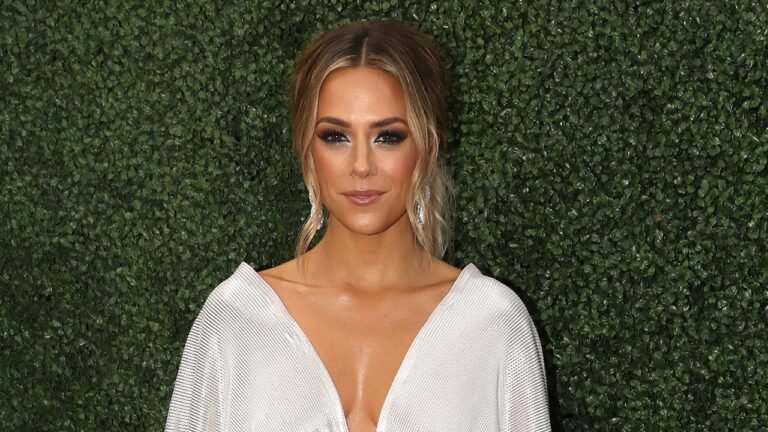
Jana Kramer drops sultry cowgirl photos in daring denim cutoffs, cowboy boots


NEWYou can now listen to Fox News articles!

Jana Kramer is turning up the heat out West.

The country singer and actress dropped a new batch of photos from her “April adventures,” showing off cowgirl glam, rugged ranch vibes and a daring denim look that immediately grabbed fans’ attention.

One standout snap featured the “One Tree Hill” alum posing in front of a mirror. Kramer rocked a gray sports bra, ultra-short denim cutoff shorts and knee-high brown boots while wearing her hair in loose waves.

“Such a fun shoot with my Eby family!” Kramer wrote in text over the mirror selfie as she showed off her fit physique.

JANA KRAMER AVOIDS NEW YEAR’S RESOLUTIONS, PREFERS THIS TECHNIQUE FOR SELF IMPROVEMENT

Split photos of Jana Kramer in denim shorts and beside a pickup truck.

Jana Kramer shared a variety of photos from what she called her “April adventures.” (Jana Kramer/Instagram)

Another sultry photo showed Kramer perched on a vintage yellow Ford pickup truck with the driver’s door swung open. Leaning fully into the Western aesthetic, she paired a black cowboy hat with a bikini-style top and chaps as barn buildings stretched across the background.

“April adventure… Great way to wrap up the month but excited to get home to my babies this week!” Kramer wrote alongside the Instagram carousel.

Kramer has been channeling her inner cowgirl lately – she’s been involved in several projects, including an upcoming movie she’s starring in with Ryan Rottman.

LIKE WHAT YOU’RE READING? CLICK HERE FOR MORE ENTERTAINMENT NEWS

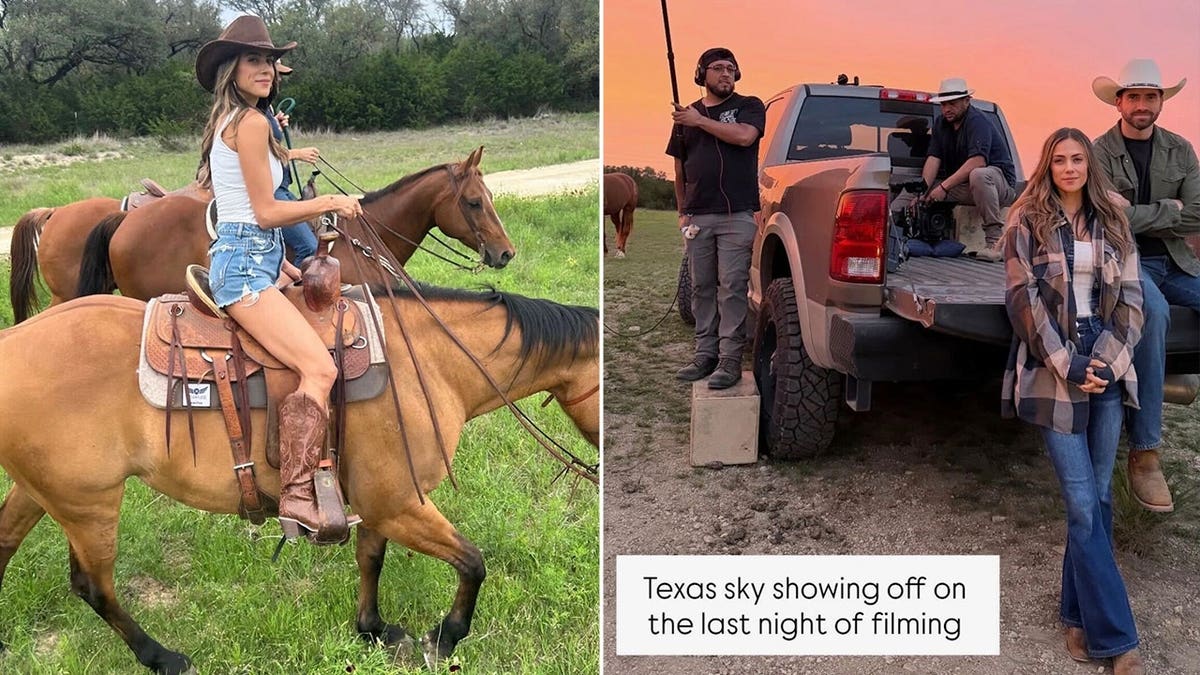
Split photo of Jana Kramer horseback riding and a film crew at sunset by a truck.

Jana Kramer shared several Western-inspired moments on Instagram. (Jana Kramer/Instagram)

On her Instagram Story, she posted a scenic horseback riding photo showing her riding through an open grassy field in denim shorts, a fitted white tank top and cowboy boots while glancing back toward the camera.

JANA KRAMER HAS TAKEN JOBS THAT CHALLENGED HER ‘MORAL COMPASS’ TO PAY FOR CHILD SUPPORT

Kramer also gave fans a peek behind the scenes of a production set during what appeared to be the final night of filming. 

Standing beside a pickup truck underneath a dramatic pink-and-orange sunset, she posed near a small film crew and a horse while text across the image read, “Texas sky showing off on the last night of filming.”

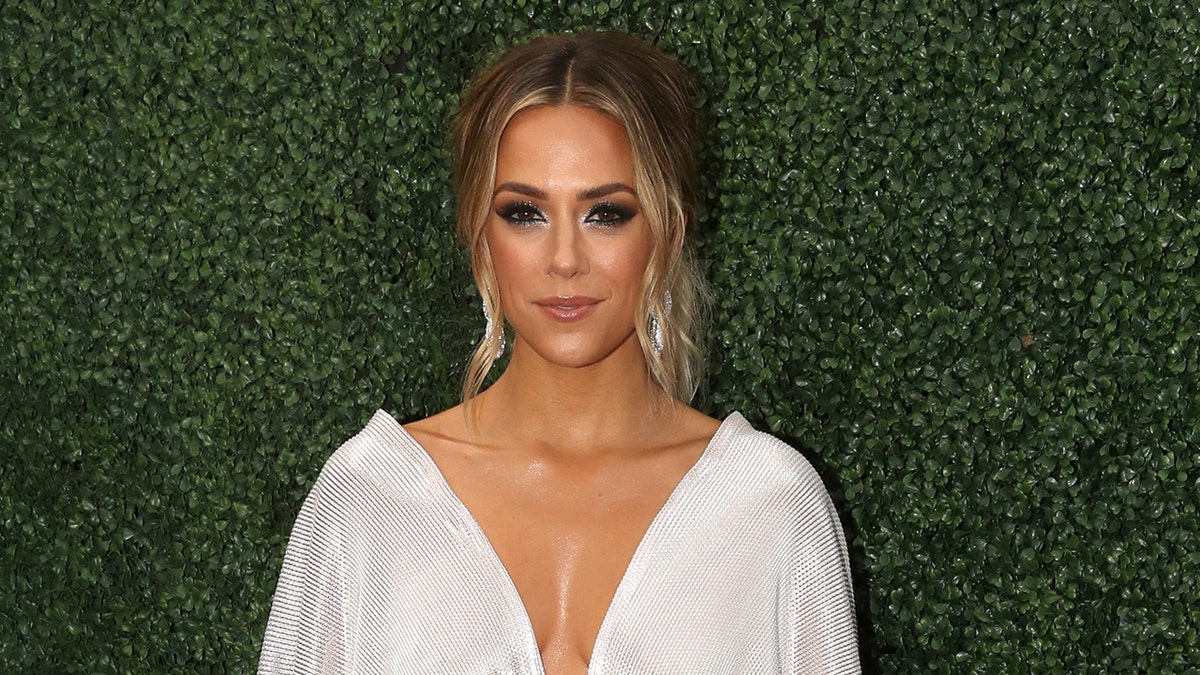
Jana Kramer arriving at the 2019 E! People's Choice Awards red carpet in Santa Monica

Country singer Jana Kramer posed in Western-inspired looks during a photo shoot, showing off cowgirl glam and rugged ranch vibes out West. (Christopher Polk/E! Entertainment/NBCU Photo Bank/Getty Images)

CLICK HERE TO SIGN UP FOR THE ENTERTAINMENT NEWSLETTER

Kramer also shared photos of her husband, Alan Russell, and kids back home.

Kramer has previously opened up about how Russell navigates seeing her film romantic scenes for movies and television.

Jana Kramer standing next to husband Allan Russell at a pickleball event

Jana Kramer is married to Allan Russell. (Getty Images)

JANA KRAMER’S HUSBAND WILL ‘NEVER’ ALLOW HIS WIFE TO FILM SEX SCENES LIKE THE ONES IN ‘YELLOWSTONE’

During an October 2025 interview with Fox News Digital while promoting “The Christmas Ring,” Kramer admitted that at the beginning of their relationship, “it wasn’t natural,” explaining she often tried to figure out ways to “kind of help him feel more comfortable” with those kinds of scenes.

The actress said introducing Russell to her co-stars helped ease tensions.

CLICK HERE TO DOWNLOAD THE FOX NEWS APP

“I had Ben Hollingsworth and his wife Nila over the house. We had a barbecue with the kids, and it’s like once you get to know my co-star and their hearts and their families, it does, it becomes like everybody’s friends,” Kramer said.

“I think over time, now that this has been, you know, a couple of movies now that we’ve done, he’s more comfortable with the fact that it is not how people portray it, you know? And it’s not real.”


Source link

BJP or JDU, who has more ‘power’ after division of departments in Bihar? Know

0

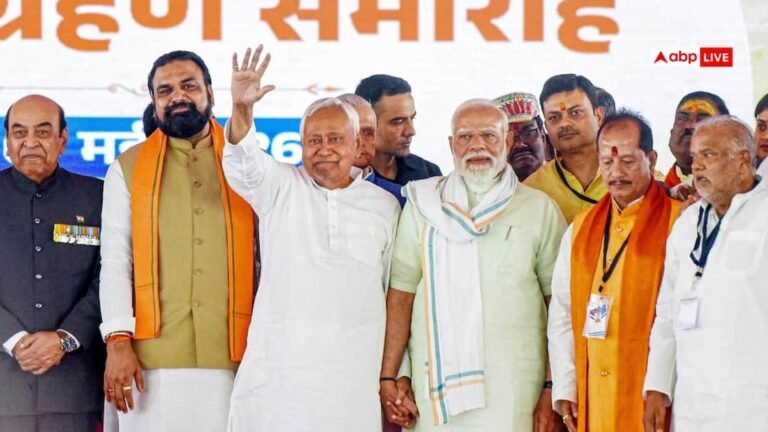
After the cabinet expansion in Bihar, departments have been divided among the ministers. Apart from Chief Minister Samrat Chaudhary, 15 leaders from BJP quota have been made ministers. Whereas 13 ministers have been made from JDU quota. Vijay Kumar Chaudhary and Bijendra Prasad Yadav from JDU had already taken oath as Deputy CMs. Two ministers have been made from Chirag Paswan’s party LJP (R), while one minister each from Jitan Ram Manjhi’s party HAM and Upendra Kushwaha’s party RLM.

While BJP has kept the Home Department with itself, it has given the Finance Department to JDU. While education is with BJP, health has been given to JDU. Agriculture department has gone to BJP’s quota, while building construction, transport and social welfare have been given to JDU. An attempt has been made to create balance in the distribution of departments between JDU and BJP.

Who got which department from BJP?

  • Samrat Chaudhary (Chief Minister)- General Administration, Home, Cabinet Secretariat, Surveillance, Elections, Civil Aviation, all such departments which are not allotted to anyone.
  • Vijay Kumar Sinha- ​​Agriculture Department
  • Dilip Kumar Jaiswal- Revenue and Land
  • Ramkripal Yadav- Cooperative
  • Nitish Mishra- Urban Development and Housing, Information Technology
  • Shreyasi Singh- Industry, Sports
  • Mithlesh Tiwari- Education
  • Rama Nishad- Backward Class and Most Backward Class Welfare
  • Kedar Prasad Gupta- Tourism
  • Pramod Kumar- Mines and Geology, Art and Culture
  • Lakhendra Kumar Roshan- Scheduled Caste and Scheduled Tribe Welfare
  • Sanjay Singh Tiger- Higher Education, Law Minister
  • Kumar Shailendra- Road Construction
  • Arun Shankar Prasad- Labor Resources and Migrant, Youth Employment and Skill Development
  • Ramchandra Prasad- Environment, Forest and Climate Change
  • Nandkishore Ram- Dairy, Fish Animal Resources

Who became ministers from JDU, what responsibility did they get?

  • Vijay Kumar Chaudhary- Water Resources, Parliamentary Affairs
  • Bijendra Prasad Yadav- Finance, Commercial Tax
  • Shravan Kumar- Rural Development, Information and Public Relations
  • Nishant Kumar- Health
  • Madan Sahani- Prohibition Products and Regulations
  • Leshi Singh- Building Construction
  • Damodar Rawat- Transport
  • Bhagwan Singh Kushwaha- Planning and Development
  • Shailesh Kumar alias Bulo Mandal- Energy
  • Sweta Gupta- Social Welfare
  • Sunil Kumar- Rural Work
  • Sheela Kumari alias Sheela Mandal- Science, Technology and Technical Education
  • Ratnesh Saada- Disaster Management
  • Ashok Chaudhary- Food and Consumer Protection
  • Jama Khan- Minority Welfare

Who gets which department from Chirag Paswan’s party?

  • Sanjay Kumar Singh- Public Health Engineering
  • Sanjay Kumar- Sugarcane Industry

Along with this, Santosh Kumar Suman from Jitan Ram Manjhi’s party HAM has again taken oath as minister. He has got the responsibility of Lugh Water Resources Department. Apart from this, his son Deepak Prakash from Upendra Kushwaha’s party RLM has again got a place in the cabinet. He has been entrusted with the responsibility of Panchayati Raj Department. Bihar Governor Syed Ata Hasnain administered the oath of office and secrecy to all 32 NDA leaders in a grand ceremony held on Thursday (07 May) at Gandhi Maidan in Patna.

Gonda News: People cheated in the name of Tantra-Mantra in Gonda, 5 accused arrested, more than Rs 1 lakh recovered

0

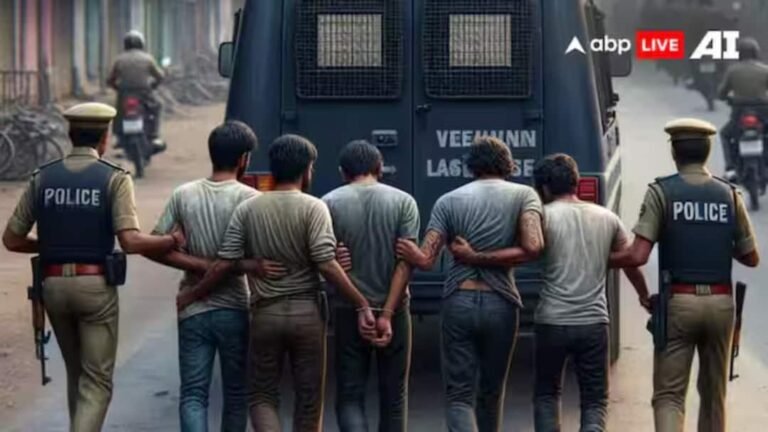
A case of cheating people in the name of Tantra-Mantra has come to light in Gonda, Uttar Pradesh. Kotwali Nagar police station arrested 5 accused who were defrauding people in the name of worship, recitation and tantra-mantra. Police have recovered Rs 1 lakh 99 thousand 500 in cash from the possession of the accused.

Police have also recovered a large quantity of yellow and white metal jewelery from the possession of the accused. Besides, forged election identity cards, mobile phones of various companies, mobile parts and chargers and an I-10 car with fake number plate have been recovered.

Barabanki News: Desire for betting and luxurious lifestyle made him a thief, 5 friends caught

Police arrested 5 accused

In a joint action, Kotwali Nagar and surveillance team have arrested five people of a gang involved in fraud and cheating in the name of worship and Tantra Mantra. Rs 1 lakh 99 thousand 500 cash, a car without number plate, huge quantity of yellow and white metal jewellery, mobile phones and identity cards of different companies have been recovered from their possession.

This is an organized gang which used to cheat people in the name of worship and Tantra Mantra. Of the five arrested accused, four are residents of Meerut and one of Bulandshahr. All the arrested accused belong to non-community. A fraud was committed in the name of a Sonar puja in Sonar Gali in Kotwali Nagar area. The police have registered a case and arrested 5 people in the entire matter.

Complaint was filed against 5 in the case

A complaint was given in the city police station against 4 people including Pandit Ramswaroop Sharma regarding this matter. Based on the complaint, the police took action and arrested the five accused. The way the accused committed the crime was completely different.

Earlier, pamphlets were distributed by the accused to solve the problem of Tantra-Mantra. Meanwhile, if anyone contacted him, he was asked to perform special puja at home. To sleep with people-Silver The jewelery was kept in a steel box and the main accused used to scare them with the help of snakes. As soon as the family members were afraid of this snake, they used to take out the jewellery.

Big twist in Champawat rape case, suspicion of conspiracy surfaced, direction of investigation changed

Official PCIe 8.0 draft aims for 1 TB/s data rate


Storage

Final specs due for release in 2028, so don’t hold your breath for the hardware

An official draft of the PCI Express (PCIe) 8.0 specification is out, targeting a blistering 1 terabyte per second when the kit finally hits the streets.

The PCI Special Interest Group (PCI-SIG) has released draft 0.5 of the version 8.0 standard, incorporating feedback received from member organizations after the release of draft 0.3 last year.

With an expected raw bit rate of 256 gigatransfers per second (GT/s) and up to 1 TB/s bi-directionally across a 16-lane configuration, PCIe 8.0 is set to deliver another doubling of bandwidth over its predecessor, something the engineers weren’t sure could be done.

PCI-SIG says the completed PCIe 8.0 specification remain on track for full release by 2028, though buyers may need to wait longer for any super-fast devices such as solid-state drives (SSDs).

Slide showing base specifications for PCIe 8.0 and a comparison with older versions.

PCIe 8.0 specifications

Micron, for example, announced mass production of what it claims is the first PCIe 6.0 SSD in February this year, four years after the standard was finalized. And with compatible CPUs from Intel and AMD not expected until later this year, there are only PCIe 5.0 systems available to plug them into.

Hardware compatible with PCIe 7.0 (at 128 GT/s and 512 GB/s) is not scheduled to hit the shelves before 2027 at the earliest, and the first devices will likely be SSDs again.

PCI-SIG says PCIe 8.0 is designed to meet the high-bandwidth, low-latency demands of data-hungry markets, including AI, datacenter infrastructure, high-speed networking, edge computing, and quantum computing.

AI datacenters are dominated by proprietary tech, including Nvidia’s NVLink, but PCI-SIG sees an opening for PCIe with Unordered I/O (UIO), an enhancement introduced in the PCIe 6.1 specification. Keeping pace, though, will demand that PCIe continues its cadence of doubling data rate with each generation.

This likely means PCIe 8.0 won’t target consumers when it arrives. As The Register previously pointed out, a single PCIe 4.0 x1 lane is sufficient for 10 GbE networking, while many consumer GPUs stick to four or eight lanes, since they don’t really benefit from the additional bandwidth a full x16 slot would provide.

The latest standard maintains the use of PAM4 (Pulse Amplitude Modulation with four levels) signaling and Flit-based encoding, introduced in PCIe 6.0. Flit stands for Flow Control Unit, which specifies a 256-byte packet with forward error correction (FEC) to provide low latency with high efficiency.  ®


Source link

The BJP’s Bengal victory exposes the erosion of Indian democracy | Elections

0

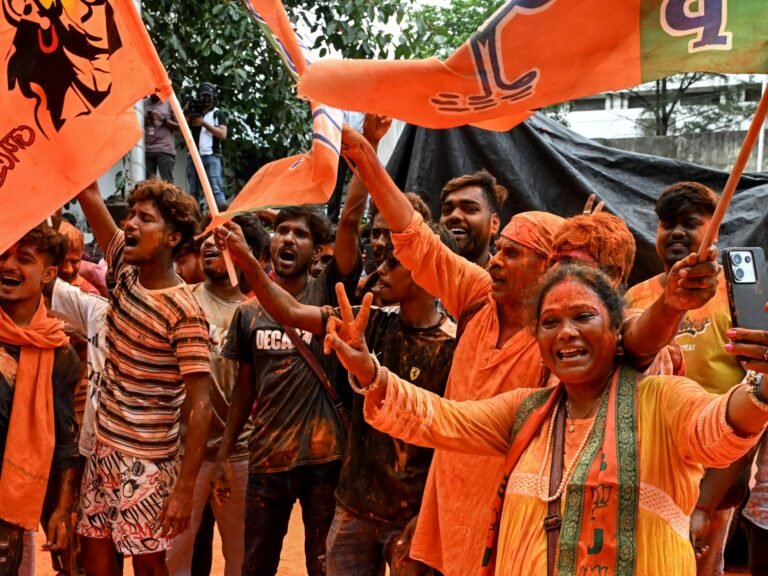
Recent state elections in India have produced one of the most consequential political verdicts in the country’s contemporary history, especially in West Bengal (WB), a border state of more than 100 million people that has long resisted the advance of Prime Minister Narendra Modi’s Bharatiya Janata Party (BJP).

For the first time in history, the BJP has captured power in Bengal, winning 207 of the 293 seats declared so far and reducing the TMC to 80. One seat is due for repolling.

The scale of the BJP’s victory has transformed India’s political map. But the verdict has also triggered profound questions over the integrity of the electoral process itself.

The election took place after an extraordinarily sweeping and deeply controversial “Special Intensive Revision” (SIR) of electoral rolls conducted by the Election Commission of India (ECI), ostensibly to remove duplicate, deceased or “ineligible” voters. Across West Bengal, more than nine million names — nearly 12 percent of the electorate — were initially flagged, removed or subjected to scrutiny during the exercise.

The exercise disproportionately targeted Muslims, migrant workers and poorer voters in districts where the BJP has historically struggled electorally. In many constituencies won by the BJP, the number of deleted or disputed voters exceeded the margin of victory.

The implications are grave. India may have crossed from electoral distortion into mass disenfranchisement.

Bengal is not merely another Indian state. Partitioned in 1947 on religious lines during the violent birth of India and Pakistan, it shares a border of more than 2,200 kilometres with Bangladesh and has long occupied a central place in India’s political imagination. Muslims constitute roughly 27 percent of the state’s population and have historically voted strategically to block the BJP’s rise.

That is precisely why Bengal mattered so much to Modi.

The BJP had expanded rapidly in the state over the past decade but failed to dislodge Chief Minister Mamata Banerjee in 2021. The 2026 election was therefore viewed both as a referendum on Banerjee’s weakening government and as a test of whether Indian elections still retained the institutional credibility they once enjoyed.

The controversy centred on the SIR process, which was first rolled out in Bihar in June 2025 before being expanded to nine states and three Union Territories, including West Bengal.

Under the exercise, Booth Level Officers — local election officials tasked with maintaining voter rolls — conducted house-to-house verification of voters. Citizens were required to re-establish their eligibility through documentary proof within extremely tight deadlines. Failure to do so could result in deletion from the electoral rolls.

For the first time since India adopted universal adult suffrage in its first general election of 1951-52, the burden of proving voting eligibility was effectively shifted to citizens themselves.

This represented a dangerous rupture in the democratic compact.

The process hit migrant workers particularly hard. Bihar and Bengal are among India’s largest sources of migrant labour, with millions working in distant states. Many were unable to return home within the narrow verification windows. Others struggled with inconsistencies in spelling, missing legacy documents, changes of surname after marriage or discrepancies between official records.

These problems were especially acute among Muslims and poorer women.

The ECI insisted the exercise was administrative and necessary to remove duplicate or fraudulent entries. The BJP framed it as an attempt to eliminate “illegal infiltrators”, especially alleged undocumented Muslim migrants from Bangladesh.

But in Bengal, the exercise quickly acquired the character of a political operation.

Districts with large Muslim populations witnessed some of the highest voter deletions. The process lacked transparency, while AI-assisted “logical discrepancy” software disproportionately flagged Muslim names because of transliteration inconsistencies between Urdu, Bengali and English spellings.

The TMC repeatedly alleged that the ECI was functioning less as an independent constitutional body and more as an extension of the ruling party’s political machinery.

The Supreme Court of India intervened several times but ultimately allowed the process to continue. Millions filed appeals after discovering their names had disappeared from the rolls. Yet more than 3.4 million appeals remained pending before polling, with fewer than 2,000 cleared in time. The court ruled that voters whose appeals had not been decided would still be barred from voting in the election, although their names could theoretically be restored later.

That judgement effectively legitimised disenfranchisement on a massive scale.

On a personal level, I experienced the process myself.

My family had to re-establish its eligibility to remain on the voter rolls in Uttar Pradesh, where elections are due next year. Compared with Bengal, deadlines there were longer and the scrutiny somewhat less severe. Yet even navigating the process revealed its harrowing and exclusionary character. Elderly people, migrants, women with inconsistent documents and poorer citizens faced a bureaucratic labyrinth that many simply could not overcome.

Several officials privately admitted that Hindu voters had less reason to fear deletion than Muslims.

Eventually, roughly 2.7 million voters in Bengal were officially struck off the rolls. Millions more remained trapped in unresolved appeals and verification disputes before polling day.

The BJP polled 29,224,804 votes, 3,211,427 more than the TMC’s 26,013,377. Analysts examining constituency-level data argue that in many seats won by the BJP, the number of deleted or disputed voters exceeded the margin of victory.

It is thereby appropriate to contend that there are grounds to suspect the verdict was “stolen” with the assistance of the state machinery, including the ECI, although it is constitutionally mandated to function as an impartial body.

The BJP’s victory was also aided by a Hindu majoritarian campaign that grossly exaggerated the TMC’s supposedly “pro-Muslim” stance and heightened Hindu insecurity.

After the BJP’s setback in the 2024 parliamentary election, when Modi lost his outright majority and became dependent on coalition partners, the party began recalibrating its electoral strategy.

One strand of this effort was the proposed delimitation exercise, under which parliamentary and assembly constituencies would be redrawn in ways likely to favour northern and Hindu-majority regions. In Assam, where the BJP also returned to power comfortably this year, earlier delimitation exercises had already weakened Muslim electoral influence in several constituencies.

The second initiative was the expansion of the SIR process across India, whose political consequences became most dramatically visible in Bengal.

The third is the push for “One Nation, One Election”, a project intended to synchronise all state and national elections. Presented as administrative reform, the proposal would further centralise political power around Modi and weaken the ability of regional parties to resist the BJP’s national machinery.

Taken together, these developments point towards an attempt to permanently reshape the architecture of Indian democracy.

Much of India, now under BJP rule, is under the stranglehold of Hindutva, the party’s Hindu sectarian ideology. Coupled with the erosion of electoral and democratic integrity, the current idea and image of India faces erasure and replacement with a grossly authoritarian and Hindu-majoritarian order.

The views expressed in this article are the author’s own and do not necessarily reflect Al Jazeera’s editorial stance.

Source link

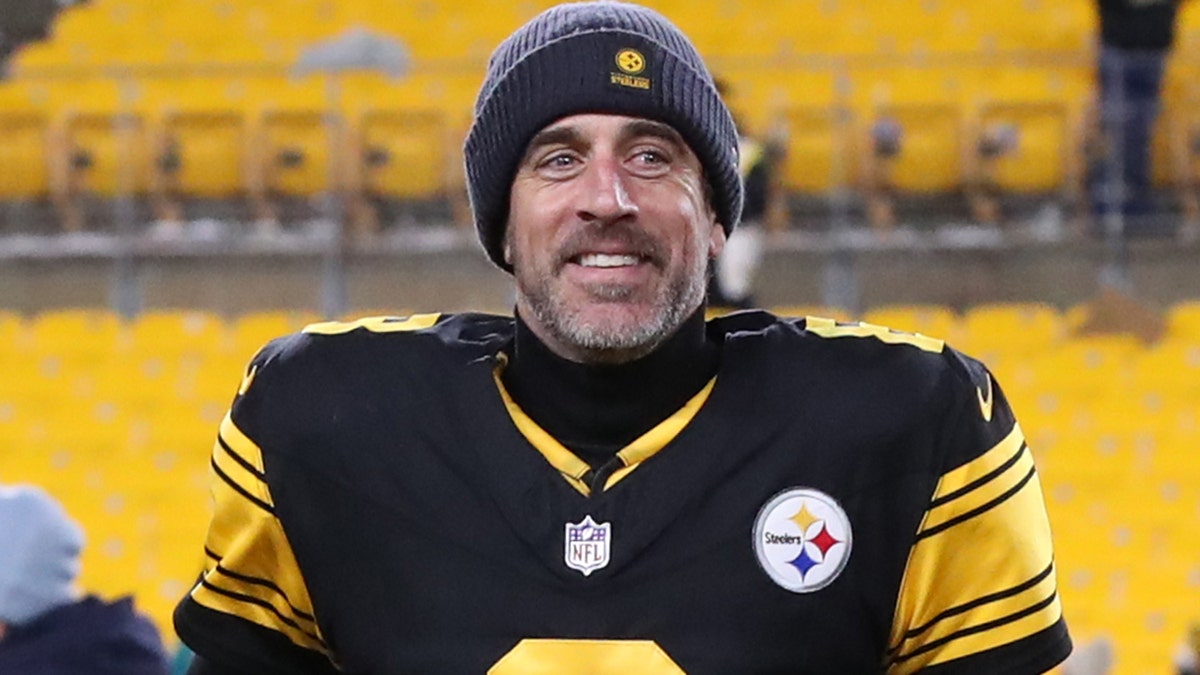
Free agent quarterback Aaron Rodgers headed to Pittsburgh for a visit with Steelers, probably more


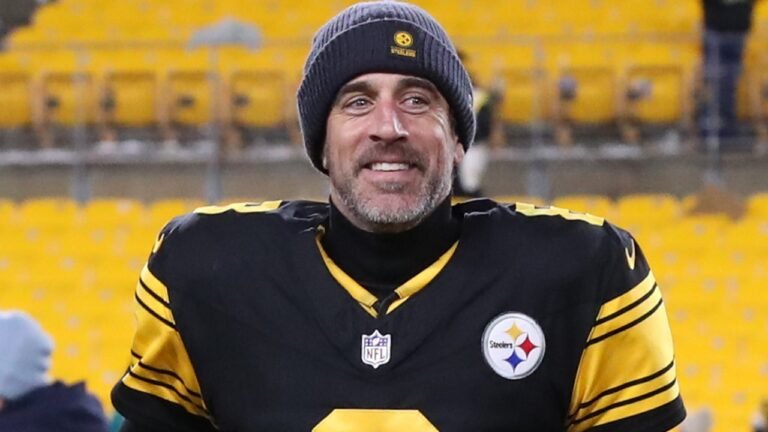
Aaron Rodgers is headed to Pittsburgh. He’ll be visiting the city and, not coincidentally, the Steelers — a source familiar with the free-agent quarterback’s tentative plans confirmed on Thursday.

The story, first reported by Pittsburgh’s 93.7 The Fan, is that Rodgers will fly into town on Friday and expects to spend time with the club through the weekend.

One small issue: The Steelers are not exactly sure this is happening, per a source. A club source told OutKick a Rodgers visit was “news to me.”

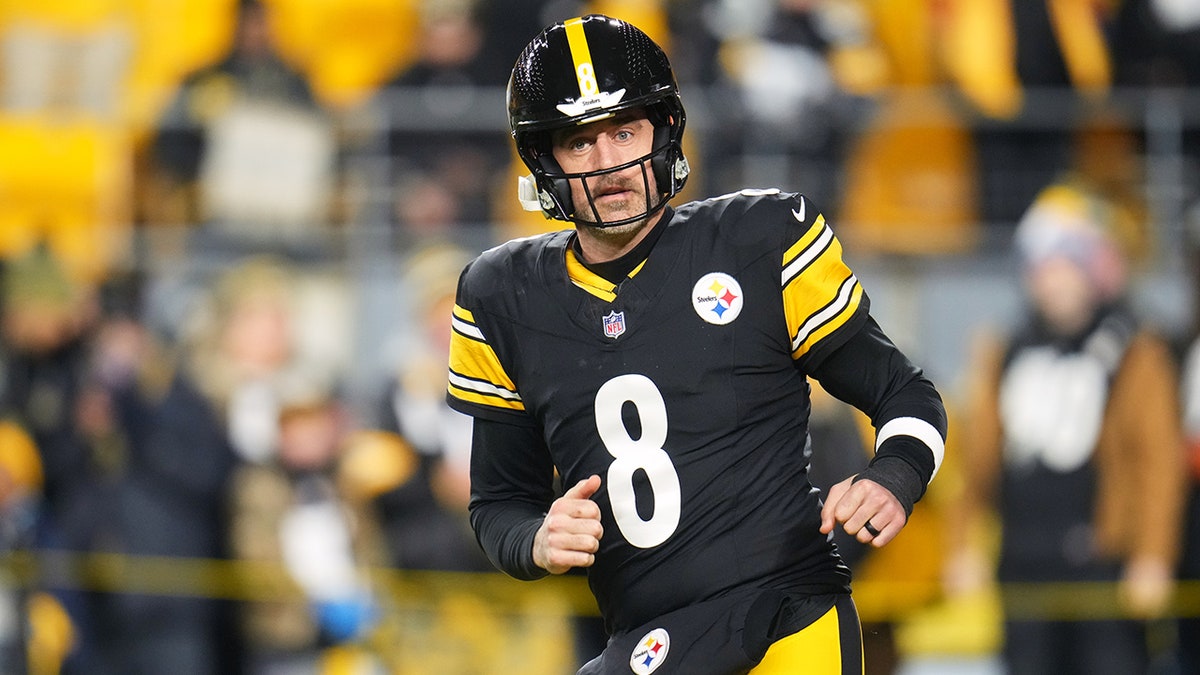
Pittsburgh Steelers quarterback Aaron Rodgers running off the field at Acrisure Stadium

Pittsburgh Steelers quarterback Aaron Rodgers runs off the field after the game against the Miami Dolphins at Acrisure Stadium on Dec. 15, 2025. (Charles LeClaire/Imagn Images)

If this sounds like Aaron Rodgers being his enigmatic, surprising, in-my-own-time self, then so be it. Because while a visit to Pittsburgh means a visit to the Steelers and no such visit would happen without Rodgers typically signing with the club, he’s not actually signed.

MAXX CROSBY TRADE TO RAVENS GOES SIDEWAYS AND HE’S A RAIDER AGAIN

And one thing we’ve learned from this NFL offseason is deals, trades, draft selections are not done until they’re done. Ask Raiders defensive end Maxx Crosby about that.

The one thing that would keep Rodgers from immediately fully committing to the Steelers, as expected, is money. It’s always about money.

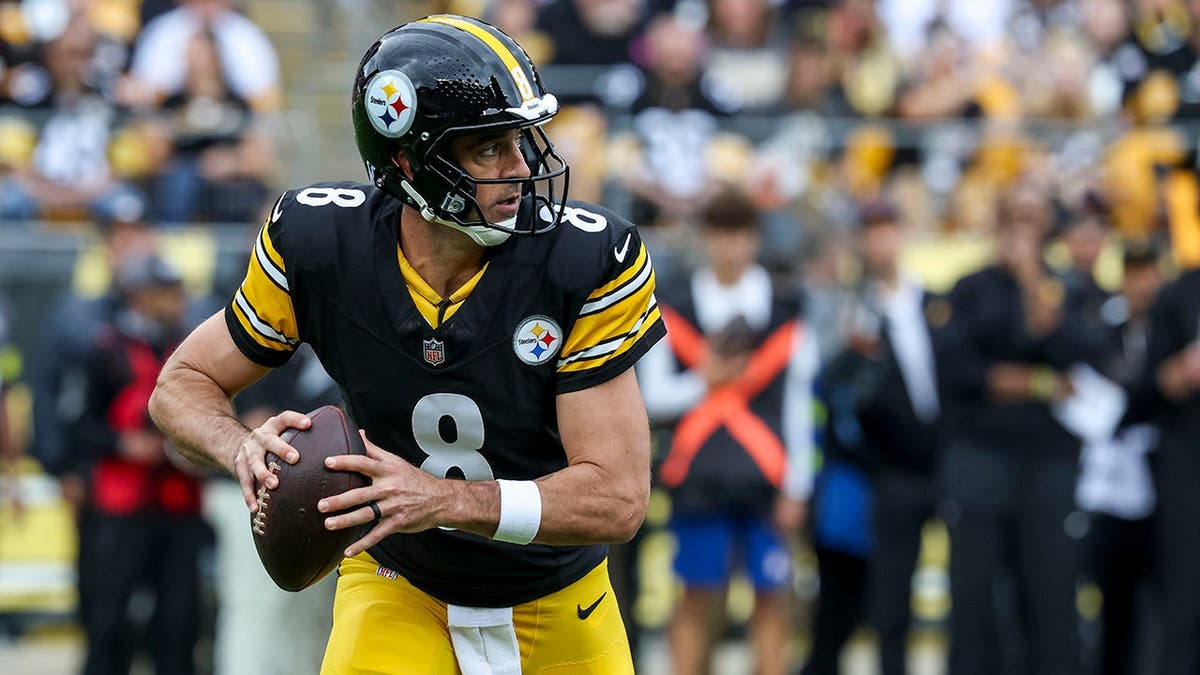
Pittsburgh Steelers quarterback Aaron Rodgers looks to complete a pass at Acrisure Stadium

Pittsburgh Steelers quarterback Aaron Rodgers looks to complete a pass during the first quarter at Acrisure Stadium in Pittsburgh, Pa., on Oct. 12, 2025. (Charles LeClaire/Imagn Images)

Rodgers said last season his contract with the Steelers was not a sticking point and he took a discount one-year deal worth $13.65 million.

The Steelers recently applied an unrestricted free-agent tender on Rodgers that provided him with a 10 percent raise to roughly $15.5 million for 2026.

STEELERS STAR LINEBACKER SAYS AARON RODGERS FREE AGENCY SAGA IS NOT A ‘DISTRACTION AT ALL’

But that is also a deep discount, considering that would make Rodgers the 18th highest-paid quarterback in the NFL on an annual average basis. And the four-time MVP probably does not believe he is the NFL’s 18th-best quarterback even at age 42.

The bet here is Rodgers will get his agent to try to squeeze a little more out of the Steelers before he signs. The bet here is the Steelers might be open to that considering their quarterback options beyond Rodgers are Mason Rudolph, Will Howard and rookie Drew Allar.

None of those are what a team with playoff expectations wants as a starting at quarterback.

Pittsburgh Steelers quarterback Aaron Rodgers warming up on the field.

Pittsburgh Steelers quarterback Aaron Rodgers warms up before an NFL wild-card playoff game against the Houston Texans in Pittsburgh on Jan. 12, 2026. (Gene J. Puskar/AP)

CLICK HERE TO DOWNLOAD THE FOX NEWS APP

The Steelers want Rodgers.

Rodgers is headed to Pittsburgh.

It would be the biggest upset the league has witnessed in years if this doesn’t result in Rodgers eventually signing with the Steelers.

FOLLOW ARMANDO SALGUERO ON X: @ARMANDOSALGUERO


Source link

Access Denied

0

Access Denied You don’t have permission to access “http://hindi.news18.com/cricket/irfan-pathan-decodes-delhi-capitals-biggest-weakness-in-ipl-2026-axar-patel-decision-mitchell-starc-kuldeep-yadav-10455330.html” on this server.

Reference #18.490dde17.1778172411.2388c15b

https://errors.edgesuite.net/18.490dde17.1778172411.2388c15b

Iran’s president says he has spoken to the country’s Supreme Leader | US-Israel war on Iran

0

NewsFeed

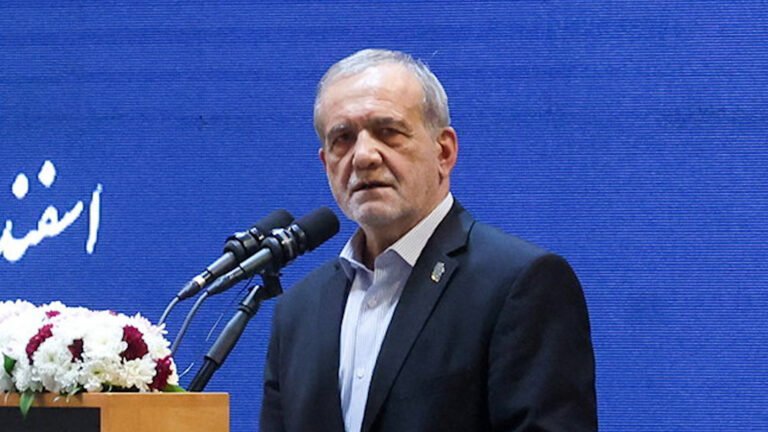
Iranian President Masoud Pezeshkian says he has met with Iranian Supreme Leader Mojtaba Khamenei, describing him as ‘humble’ and ‘sincere.’ The Supreme Leader has not made appearances in public since he was wounded early in the US-Israeli war on Iran.


Source link

Disneyland confirms facial recognition scans guests at entry gates


NEWYou can now listen to Fox News articles!

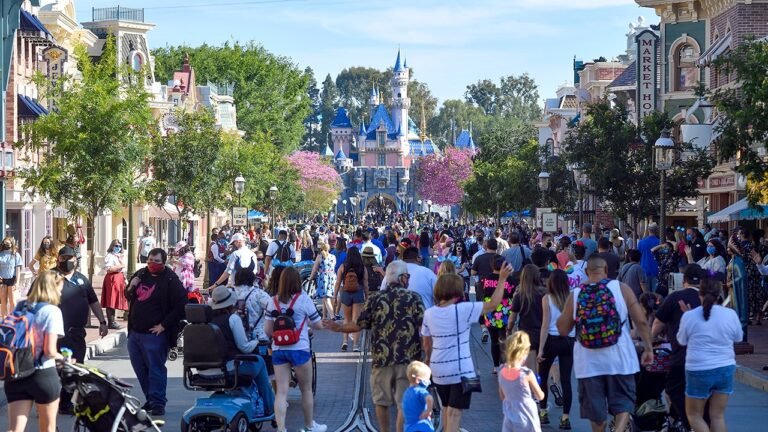
You walk up to the entrance at Disneyland or Disney California Adventure, tickets in hand, kids already pulling you forward. You scan in, and for a split second, a camera looks right back at you. It happens so fast you barely notice.

For most people, it feels no different than tapping a phone or scanning a ticket. Just another step to get inside. But that quick moment is doing more than you might think.

Facial recognition is now part of the experience at Disney parks. You probably just keep moving. Most of us do. But that split-second scan comes with tradeoffs worth knowing about.

Sign up for my FREE CyberGuy Report

  • Get my best tech tips, urgent security alerts and exclusive deals delivered straight to your inbox.
  • For simple, real-world ways to spot scams early and stay protected, visit CyberGuy.com trusted by millions who watch CyberGuy on TV daily.
  • Plus, you’ll get instant access to my Ultimate Scam Survival Guide free when you join.

BIOMETRIC IRIS SCANNING LAUNCHES IN US CITIES FOR DIGITAL IDENTITY

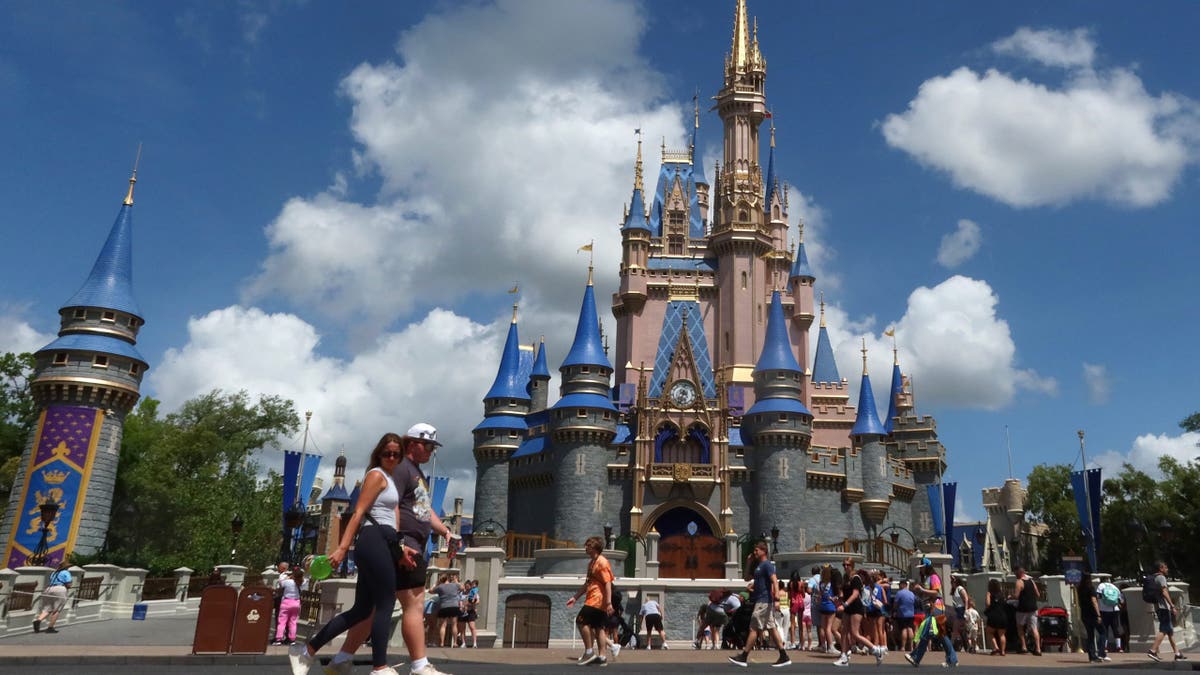
People walking past Cinderella's Castle at Magic Kingdom Park in Orlando, Florida

People walk past Cinderella’s Castle at Magic Kingdom Park at Walt Disney World in Orlando, Fla., on April 3, 2025.

How Disney’s facial recognition works at park entrances

At the gate, a photo of your face is captured and converted into unique numerical values. Those values are then compared to the image captured when you first used your ticket or pass. When you leave and return, the system checks your face against that stored data to confirm it is still you. Instead of repeatedly checking IDs or scanning barcodes, the system confirms that you are the same person who first used the ticket.

A Disneyland official confirmed to CyberGuy that facial recognition technology is available at certain entry gates as part of the company’s ongoing investment in the guest experience. The goal, they said, is to improve the arrival experience, including making re-entry easier and helping prevent fraud. This is consistent with what Disney outlines in its published privacy policy.

Here are some things to keep in mind:

  • Participation is optional
  • Signage is posted at the parks to indicate which gates use facial recognition technology
  • There are entrance lanes that do not use facial recognition technology
  • Images are converted into unique numerical values rather than stored as standard photos
  • According to Disney’s privacy policy, all numerical values are deleted within 30 days of creation, except in cases where data must be maintained for legal or fraud-prevention purposes

According to Disney’s privacy policy, children under 18 may use this service with their parent or guardian’s consent. Those who opt out can use entrance lanes that do not use facial recognition technology. Your image may still be taken, but it isn’t processed with biometric technology. Instead, a Cast Member manually validates your ticket.

Why most people don’t question Disney’s facial recognition

At Disney, many guests simply choose the shortest line and move on. Convenience often wins. When the choice is between waiting longer and getting in quickly, most people pick speed.

There is also a growing sense that this technology is everywhere. For many, opting out feels like it will not make a difference.

ADVANCED PASSENGER PROCESSING SYSTEM NOW CAPTURES PHOTOS BEFORE PASSPORT CHECKS

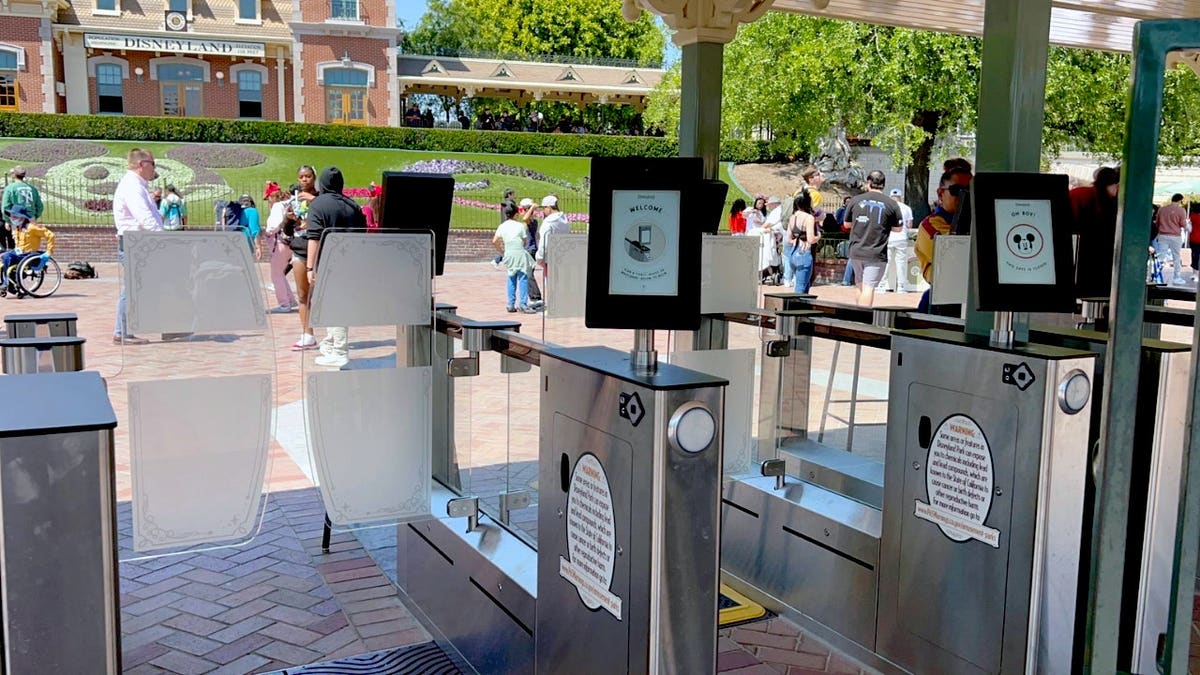
The entry gates to Disneyland are shown.

Guests enter Disneyland and Disney California Adventure through gates where facial recognition technology may be used to verify tickets and passes. (Disney)

Facial recognition is spreading beyond Disney parks

Disney is part of a wider shift toward biometric entry systems. At Dodger Stadium, fans can register through the MLB Ballpark app by uploading a selfie and enrolling in what the league calls Go-Ahead Entry, a facial authentication system that lets fans walk through designated lanes without scanning a ticket. Enrollment is optional and typically limited to fans 18 and older. The system converts facial images into a unique numerical representation tied to your account rather than storing raw photos long term.

At Intuit Dome, home of the LA Clippers, a similar facial recognition entry system is in place, according to the venue’s privacy policy.

The 2028 Summer Olympics in Los Angeles have also explored optional facial recognition-based ticketing as part of their entry process, though details are still being finalized.

The appeal across all of these systems is the same: faster lines and fewer headaches. The bigger question remains what happens to the data behind the scenes.

Why privacy experts are concerned about facial recognition

Your face isn’t like a password. You cannot reset it. That is why groups like the American Civil Liberties Union and the Electronic Frontier Foundation have raised red flags. Here are the main concerns:

Data breaches carry a higher risk

If biometric data is exposed, it cannot be changed. That makes it more valuable to attackers.

Accuracy gaps still exist

Research shows facial recognition systems can be less accurate for some groups, including women and people with darker skin tones.

Data could be used in new ways

Information collected for entry today could be used differently later, including potential access by law enforcement.

Disney says it uses technical, administrative and physical safeguards to protect guest data, but also notes that no security system is fully impenetrable. Even with policies in place, the long-term impact is still unclear.

HOW TO OPT OUT OF AI DATA COLLECTION IN POPULAR APPS

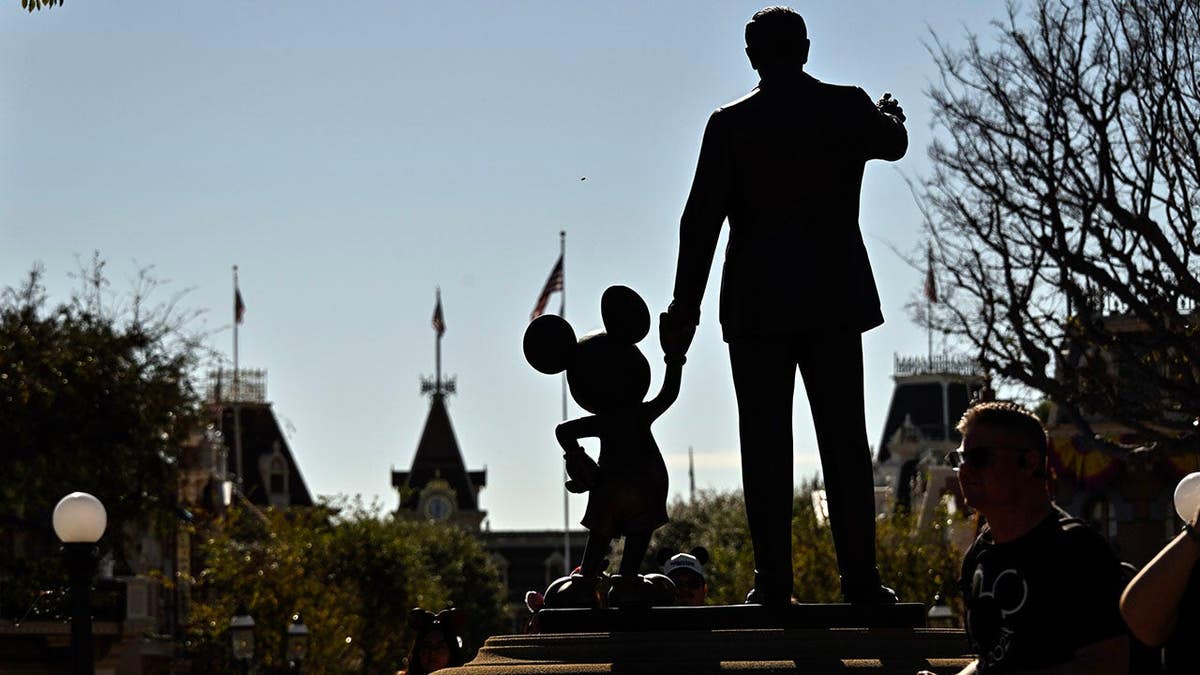
Statue of Walt Disney holding Mickey Mouse's hand outside Sleeping Beauty Castle at Disneyland

Disney says facial recognition at select park entrances is optional and designed to speed up re-entry while helping prevent ticket fraud. (Jeff Gritchen/MediaNews Group/Orange County Register/Getty Images)

What this means to you

If you are visiting a theme park, stadium or large venue, facial recognition may already be part of your experience.

Here is how to approach it:

  • You usually have an opt-out option, but it may not be obvious
  • Faster entry comes with a privacy tradeoff
  • Data retention policies differ, so it is worth checking
  • Parents may want to think twice about how children’s data is handled, because once biometric data is collected, it cannot be changed if it is ever exposed

What stands out most is how easy it is to miss. The facial recognition scan happens quickly, and before you know it, you are already through the gate.

Take my quiz: How safe is your online security?

Think your devices and data are truly protected? Take this quick quiz to see where your digital habits stand. From passwords to Wi-Fi settings, you’ll get a personalized breakdown of what you’re doing right and what needs improvement. Take my Quiz here: CyberGuy.com.

Kurt’s key takeaways

Facial recognition at theme parks is no longer a test. It is already part of the experience. Disney frames it as a way to move people through the gates faster and cut down on fraud. Privacy advocates see something bigger, a shift toward being identified every time you step into a public space. Both can be true. What matters is whether you know it is happening and whether you feel like you have a real choice in the moment.

CLICK HERE TO DOWNLOAD THE FOX NEWS APP

If your face becomes your ticket, how much control should you have over where that information goes next? Let us know by writing to us at CyberGuy.com.

Sign up for my FREE CyberGuy Report

  • Get my best tech tips, urgent security alerts and exclusive deals delivered straight to your inbox.
  • For simple, real-world ways to spot scams early and stay protected, visit CyberGuy.com trusted by millions who watch CyberGuy on TV daily.
  • Plus, you’ll get instant access to my Ultimate Scam Survival Guide free when you join.

Copyright 2026 CyberGuy.com. All rights reserved.


Source link

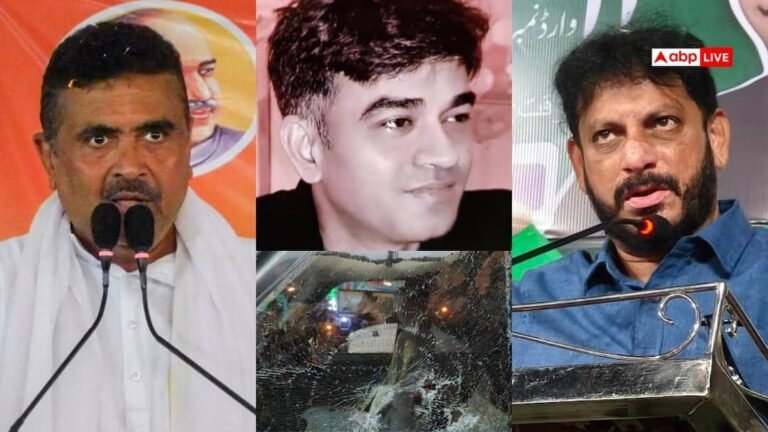
On the murder of Shubhendu Adhikari’s PA, Waris Pathan made this big demand from the Centre, ‘Any party…’

0

BJP MLA Shubhendu Adhikari The murder of K PA Chandranath Rath has created a political turmoil in West Bengal. BJP and TMC are attacking each other. Meanwhile, the reaction of AIMIM spokesperson Waris Pathan has come to light. He said that he condemned, condemns and will continue to condemn all types of violence. There should be no violence at any cost.

No one has the right to take life – Waris Pathan

Waris Pathan said, “No one has the right to take anyone’s life. Everyone has to follow the rules and regulations and respect them. This should not happen in a civilized society. Be it pre-poll violence or post-poll violence. Elections should be conducted in a clean manner. But the thing to be seen is that we are getting so many videos. They are viral on social media. People are pelting stones, arson is happening and the police-administration. Standing and watching the show.”

Mumbai: Shocking revelation in the death of 4 people of the same family, what was found in the watermelon sample?

Waris Pathan made this demand from the central government

He further said, “Why have you been sent there? You stop it. But you are not doing anything. The public is seeing why you are sitting with folded hands? We would like the central government and the administration to take cognizance of this and bring additional forces into action. Whoever is involved in this violence, no matter which party they belong to, strict action should be taken against them and they should be put in jail.”

‘Everyone will have to accept the public mandate’

Waris Pathan said that everyone has the right to vote. Everyone has used their rights. Everyone will have to accept the public mandate. He demanded that the case be handed over to the CBI and a special investigation be conducted. If you don’t stop it here, it can happen in other states too. The AIMIM leader said, “I do not take the name of any party. I do not support any party. I talk about the law.”

Mumbai News: ‘There is a witch inside the daughter-in-law’, father-in-law beat her with slippers, also accused of using tantra mantra, case registered