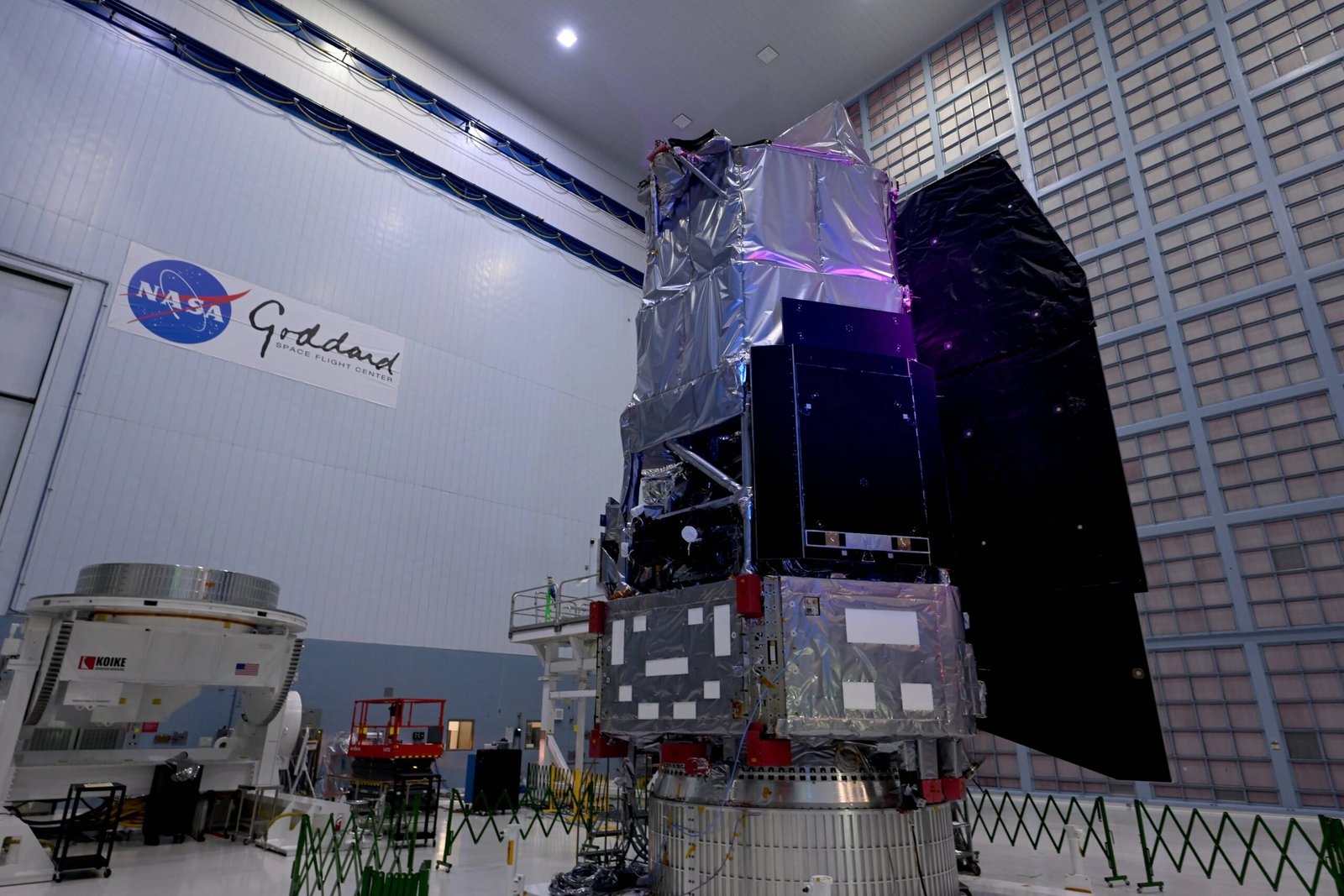
NASA’s Nancy Grace Roman Space Telescope is ready for launch ahead of schedule despite repeated attempts by both Donald Trump’s first and second administrations to cut funding.
The space agency is now targeting early September to send forth the telescope, a full eight months ahead of schedule. The instrument boasts a field of view more than 100 times wider than Hubble’s and will ride a SpaceX Falcon Heavy into orbit.
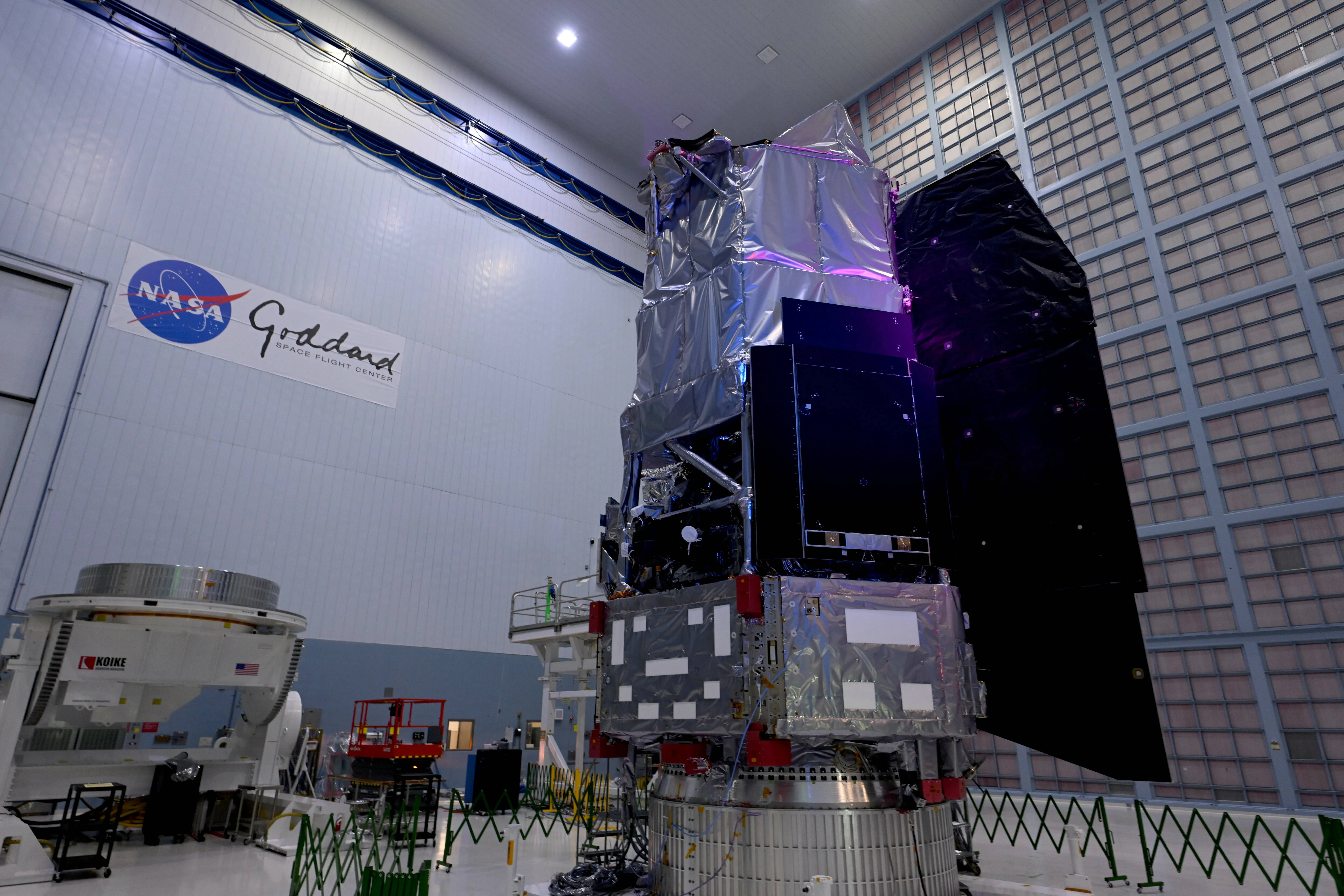
Nancy Grace Roman Space Telescope at the Goddard Space Flight Center – Pic: NASA/Scott Wiessinger
NASA Administrator Jared Isaacman said: “Roman’s accelerated development is a true success story of what we can achieve when public investment, institutional expertise, and private enterprise come together to take on the near-impossible missions that change the world.”
As well as being a “true success story,” Roman’s tale is also one of overcoming repeated attempts at defunding and termination. The proposal [PDF] for NASA’s FY2020 budget, under Trump’s first administration, for example, contained the words “The Budget proposes to terminate the WFIRST mission.”
WFIRST (Wide Field Infrared Survey Telescope) was the original name for the observatory before it was renamed in honor of NASA’s first Chief of Astronomy, Nancy Grace Roman.
A Trump administration attempt in 2025 to cut NASA’s science funding would likely have led to the telescope’s cancellation. Once again, Roman swerved the ax. The administration is making another attempt to chainsaw NASA’s science budget in 2026 after lawmakers rejected its effort last year, but the telescope could be in space before the axman comes knocking at NASA’s Goddard Space Flight Center, where the project was managed.
The telescope has a five-year primary mission and is expected to send 20,000 terabytes of data back to Earth for scientists to study.
The data will include observations of 100,000 exoplanets, hundreds of millions of galaxies, billions of stars, and so on. It is quite the boon for science, and so confirmation that the vehicle is both ready for launch and ahead of schedule is no doubt a relief to the scientific community.
Some worry that this might be the last of NASA’s flagship missions as the agency seeks ways to do more with less, however. Initially, the budget for the Roman telescope was capped, and the project lived within its means, but even that early cut occurred when the funding situation was considerably more positive.
The US administration’s latest funding proposal, which aims to cut even deeper, might get struck down, but even if it does, planning long term (for example, for the Habitable Worlds Observatory – a telescope capable of directly imaging habitable worlds) is becoming complicated when every year brings a new fight over budget. ®