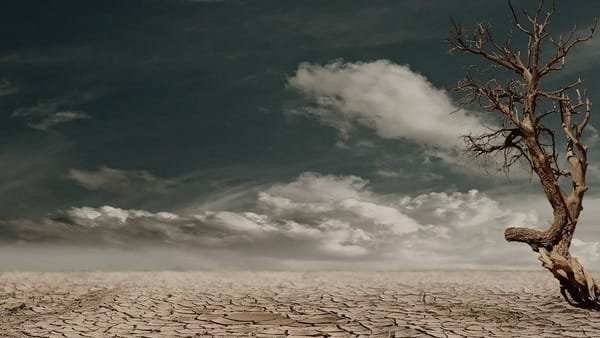
The monsoon of 2026 is indicating to be challenging for South Asia, especially India. According to the World Meteorological Organization (WMO), monsoon rainfall between June and September may be below average, while temperatures both day and night are expected to be above normal.
The Indian Meteorological Department (IMD) has also predicted the monsoon to be weaker than normal in its first long-term forecast released on April 13, 2026. In such a situation, the combined effect of less rainfall and increasing heat can put widespread pressure on agriculture, water resources and common life. The biggest impact of lack of monsoon can be seen in the agricultural areas of Central India, where rainfall is expected to be below normal.
Chances of more rain than normal in many states
Although normal or above normal rainfall is possible over parts of northwest, northeast and south India, the distribution of rainfall is likely to be uneven across the region. About 75 to 90 percent of the total annual rainfall in South Asia occurs between June and September. In such a situation, the reduction in this period will have a direct impact on agriculture, water availability and rural economy. Uncertainty regarding monsoon has increased the concern of farmers. Early signs are not favorable for farmers preparing for sowing in India, Bangladesh, Nepal, Bhutan and Pakistan.
Along with the possibility of drought, there is also the risk of flood
According to WMO, the pattern of monsoon may remain unbalanced in 2026, on the one hand, there is a possibility of a long dry spell, while on the other hand, the incidence of extreme rainfall may increase in a short period of time. Such a situation can also increase the risk of floods. According to WMO, both maximum and minimum temperatures in South Asia are likely to be above normal. This means that there will be no respite from the heat during the day as well as at night. Persistent high temperatures could increase the incidence of heat waves, increasing health risks for the elderly, children and vulnerable groups. Along with this, increasing demand for cooling may also put additional pressure on the power system.
El Nino will remain in effect
According to WMO, El Nino may have an impact on the monsoon of 2026. El Nino is a climate process in which the waters of the eastern Pacific Ocean become warmer than normal, causing changes in winds and weather patterns on a global scale. Its effect is seen as weakening of the Indian monsoon.
According to scientists, at present the effect of spring predictability barrier also remains. This is the period between March and May when rapid changes occur in the ocean and atmosphere, making long-term weather forecasts less accurate.
other videos