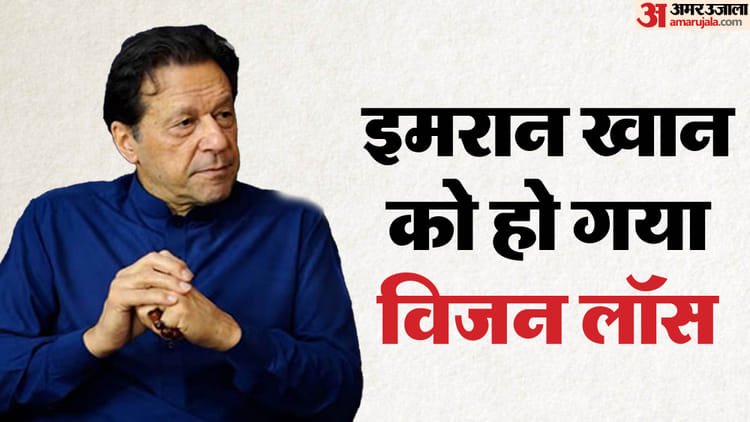
Big information is coming out about the health of former Prime Minister Imran Khan, who is lodged in Pakistan jail. According to media reports, the vision in his right eye has completely reduced.

Supreme Court-appointed amicus curiae Salman Safdar has prepared a detailed report, which states that Imran Khan’s eyesight has reduced by 85%. According to the report, Imran Khan repeatedly complained to the jail authorities about the problem with his eyesight, but the authorities ignored his complaints due to which now his vision has reduced completely.
Former Prime Minister Imran Khan told the amicus curiae that he had normal vision in both his eyes till October 2025, about three to four months ago. Then he started having the problem of continuous blurred vision. He repeatedly informed the Jail Superintendent about this but the jail authorities did not take any action to resolve these complaints.
The report said Khan was diagnosed with a blood clot. He has only 15% vision left in his right eye.

2 of 5
Eye problems – Photo : Adobe Stock Photo
What does the report say?
shared report According to this, a senior eye doctor has examined the eyes of the former Prime Minister. Based on the investigation report, it has been told that he has a problem called Central Retinal Vein Occlusion (CRVO). For this, doctors have advised immediate treatment and care.
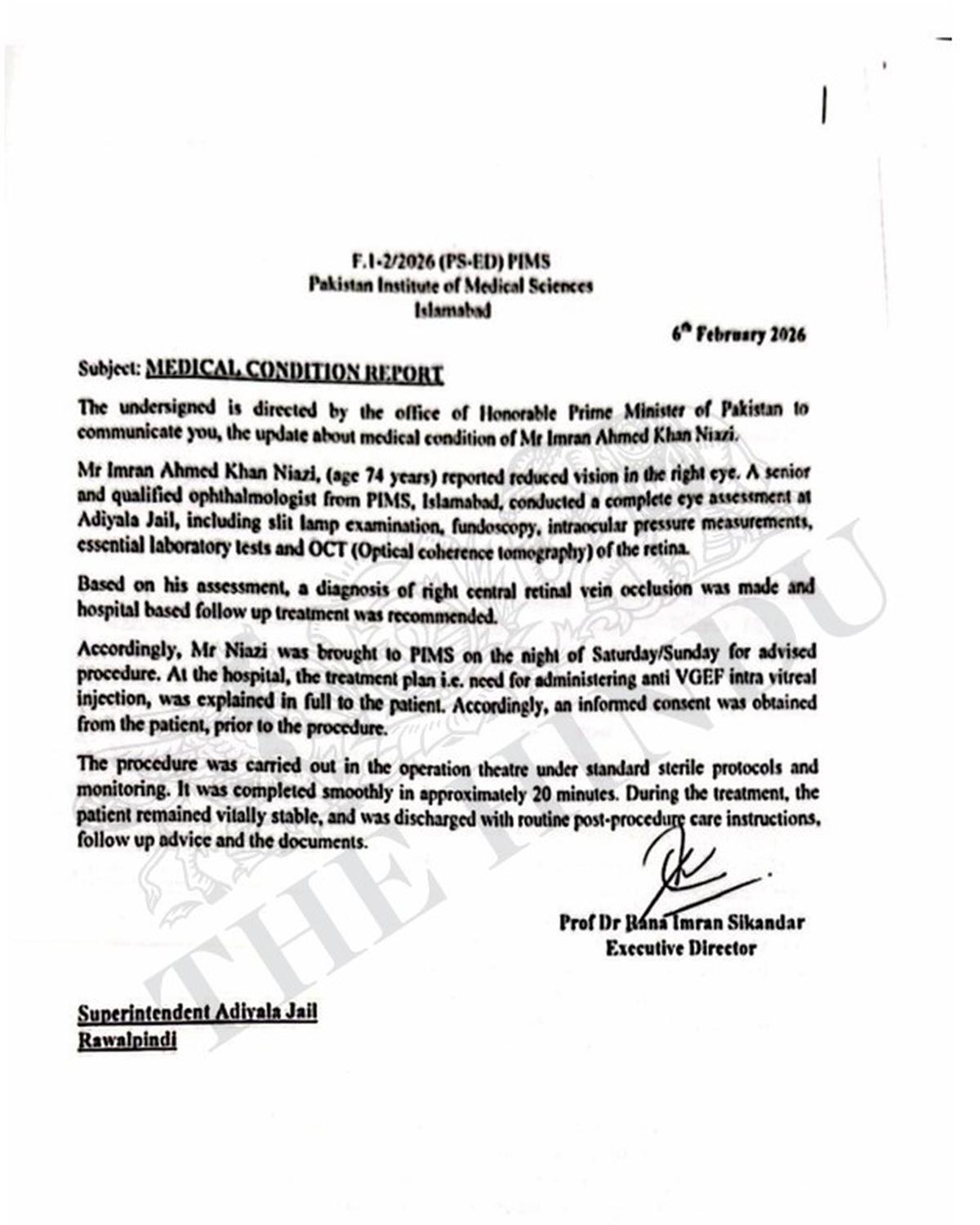
The report further said, “The petitioner appeared to be very distressed and distressed due to loss of vision and not getting timely medical help. His eyes were watering and he was repeatedly using tissue to wipe them, which showed him to be in physical distress. Khan was not allowed to meet his doctor even though he is 73 years old and is suffering from multiple health issues.

3 of 5
Problems occurring in the retina of the eyes – Photo: Freepik.com
What is central retinal vein occlusion?
Central retinal vein occlusion (CRVO) is a serious eye disease often referred to as an eye stroke. This type of problem can occur when a clot forms in the main vein that drains blood from the retina and it gets blocked.
- CRVO can cause sudden and painless vision loss.
- This mainly happens to those people above 50 years of age.
- People suffering from problems like high blood pressure, diabetes or glaucoma are at higher risk of developing central retinal vein occlusion.
(Also read- Who is responsible for infertility, man or woman, why is the problem increasing? Know from the expert)

4 of 5
Danger of weak eyesight – Photo : Freepik.com
What are its symptoms?
The most common symptom of central retinal vein occlusion is decreased or blurred vision. This may happen suddenly. Sometimes this problem can also lead to complete blindness.
- Seeing floaters is a common symptom. Dark spots, lines or jagged marks may appear under your eyes.
- These are the shadows of small clusters of blood leaking from the veins of the retina.
- In some serious conditions, there may be problem of severe pain and pressure in the eyes.

5 of 5
Keep diabetes-blood pressure under control – Photo: Freepik.com
What to do to prevent this?
Health experts say that although central retinal vein occlusion cannot be completely prevented, its risk can be reduced with the help of some measures.
- To avoid eye problems, improvement in lifestyle and diet is necessary.
- Eat low fat items. Increase the amount of nutritious things in your diet.
- Include items containing Vitamin A and E in your diet. Omega-3 fatty acids are also important for you.
- Do regular exercise. Exercise and yoga improve blood circulation.
- Maintain proper weight. This prevents diabetes, heart disease and blood pressure.
- Do not smoke, it harms the eyes.
- Control blood pressure and sugar. If it remains uncontrolled, it can increase eye problems.
————-
Note: This article has been prepared on the basis of doctors’ advice and information collected from medical reports.
Disclaimer: All the articles published in the health and fitness category of Amar Ujala are prepared on the basis of conversations with doctors, experts and academic institutions. The facts and information mentioned in the article have been checked and verified by the professional journalists of Amar Ujala. All instructions have been followed while preparing this article. The related article has been prepared to increase the information and awareness of the reader. Amar Ujala does not make any claims nor takes any responsibility regarding the information and information provided in the article. Consult your doctor for more details about the related disease mentioned in the above article.