‘It will not be easy’
So far, Cepeda has offered few details about how he would modify the strategy.
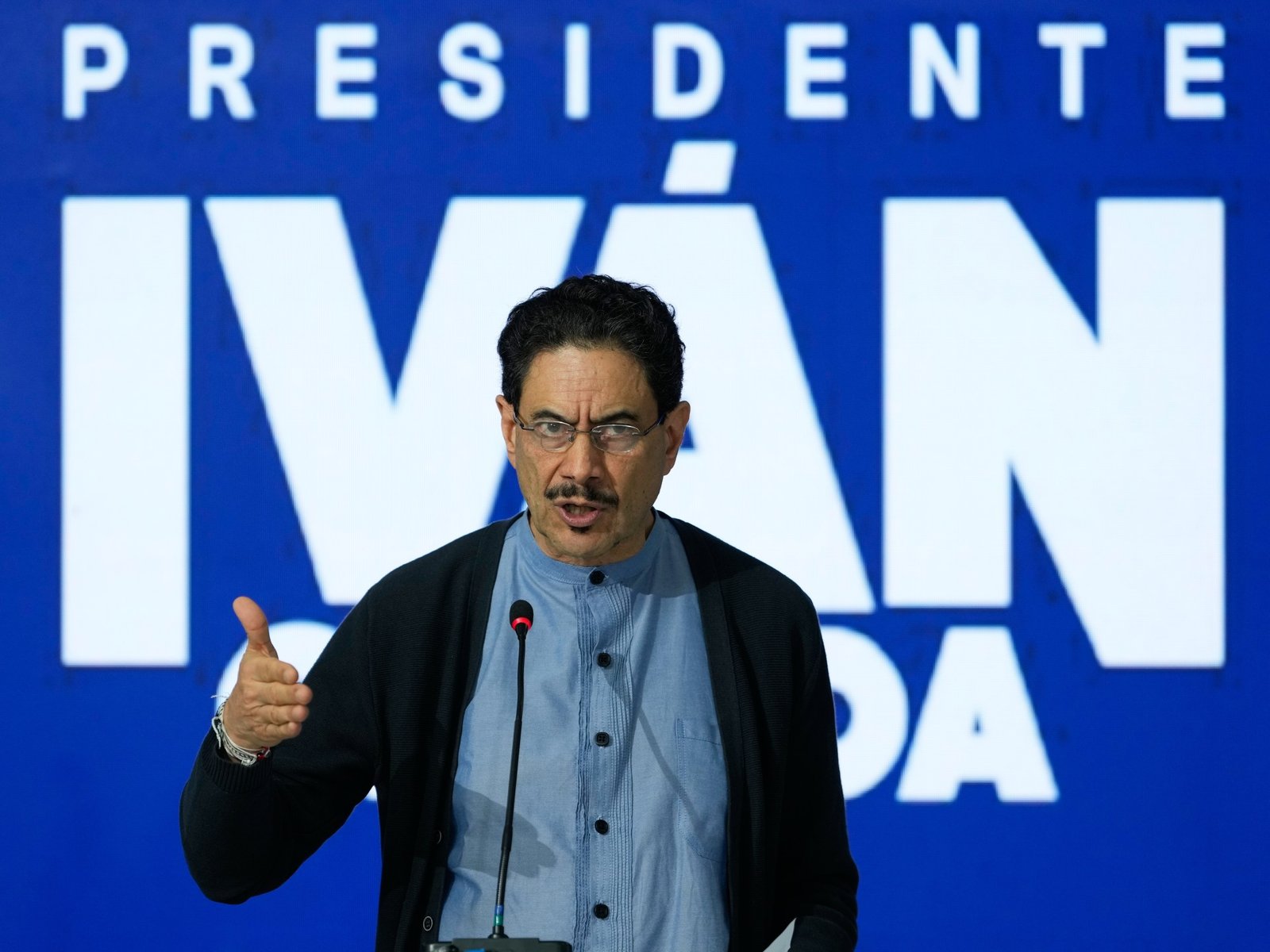
But since the first round of voting, Cepeda has attempted to moderate his platform and distance himself from Petro, in an effort to court centrist and undecided voters. He has, for example, grown more critical of the “Total Peace” plan.
In a recent interview with Caracol Radio, Cepeda said that, as president, he would refuse to negotiate with armed groups that attack the civilian population and social leaders.
“The [Total Peace] policy has had shortcomings, miscalculations and errors, and it will have to be reassessed,” Cepeda said.
He has also retreated from a controversial proposal to change Colombia’s constitution in order to enact social reforms, an idea that Petro has pursued since 2024.
But so far, Cepeda’s efforts have resulted in few political endorsements from centrist politicians.
Claudia Lopez, a centrist candidate who finished fifth in the first round of voting, has publicly endorsed him, but her running mate announced he would back De La Espriella in the run-off. Sergio Fajardo, a centrist candidate who finished third, has declined to endorse either candidate.
“It has been difficult for Cepeda because [the shift in his platform] has put him somewhat at odds with President Petro’s rhetoric and positions, which dominated the first-round campaign,” said Basset.
Cepeda’s sudden shift may have come “too late to seem credible”, he added.
![Ivan Cepeda addresses his supporters following the first round of voting at his base in Tequendama Hotel in Bogotá on May 31, 2026. [Christina Noriega/Al Jazeera]](https://www.aljazeera.com/wp-content/uploads/2026/06/Al-Jazeera-Cepeda-1-1781893626.jpg?w=770&quality=80)
Basset also noted that Cepeda’s camp made few attempts to court centrist politicians who had been critical of Petro’s presidency before the first round of voting.
As a result, he now has limited options to broaden his support, with centrists wary of joining his campaign.
“There have been political differences over whether to build coalitions with other political forces,” Basset said. “Cepeda inherits Petro’s political base, but that base alone is insufficient to win an election, and I think the left realised that too late.”
According to the political analyst, de la Espriella enters Sunday’s run-off election with the advantage, having succeeded in uniting much of the political right behind his candidacy.
Paloma Valencia, a right-wing candidate who finished third in the first round of voting, publicly endorsed de la Espriella, with her supporters expected to shift their support to him.
But Basset refuses to count Cepeda out. The left-wing candidate is trailing de la Espriella in the latest polls, but Cepeda could benefit from a higher turnout in urban neighbourhoods and rural areas where the left’s support remains strongest.
“Cepeda’s advantage may lie in the fact that the left has a more effective grassroots organisation than Abelardo de la Espriella has,” Basset said.
“That means he could still reverse the current trend, but it will not be easy.”