
Download Amar Ujala app to read news continuously.
Or
WATCH VIDEO ADVERTISEMENT TO CONTINUE READING ON WEBSITE
If you have premium membership
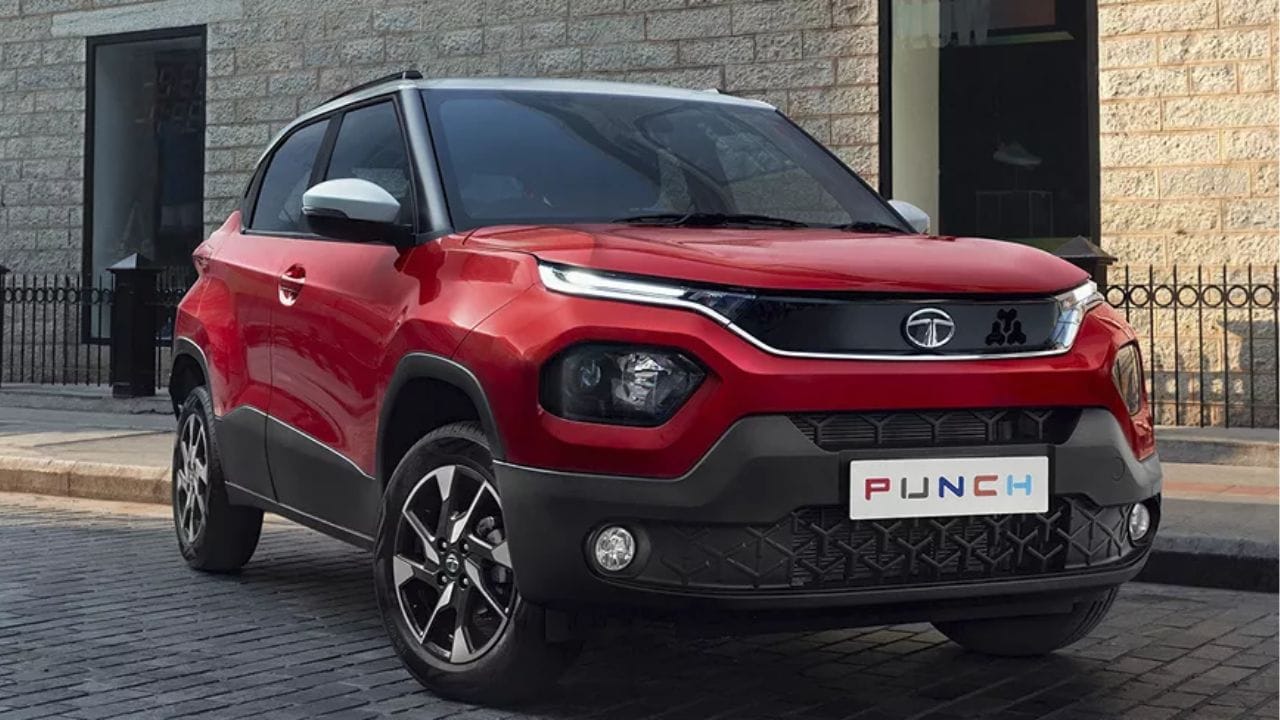
Cars running on flex fuel may soon become a reality in India. Tata Motors is set to become the first major carmakers to introduce a production-ready model compatible with high ethanol-blend fuel. According to industry reports, Tata Motors may launch a flex fuel version of Tata Punch by the end of this year. This compact SUV has also been showcased earlier in flex fuel form. Which reflects the company’s intention to enter this emerging alternative fuel segment.


2 of 6
E20 petrol dispenser (symbolic photo) – Photo : AI
What type of fuel will the new Tata Punch model support?
This upcoming model is being designed in line with the government policy of reducing the country’s fuel import bill:
-
E85 fuel support: This new Punch Flex Fuel model is expected to run on up to 85 percent ethanol-blended petrol, commonly known as E85.
-
Strategic Objective: The government is intensifying efforts to reduce India’s dependence on traditional fossil fuels and cut fuel import costs. In which this technology will be helpful.
3 of 6
Tata Punch – Photo : Tata Motors
What changes will there be in Punch’s flex fuel strategy and engine?
Tata Punch currently comes with several powertrain options. In which now a new option is going to be added:
-
Powertrain details: Tata Punch is already available in petrol and CNG options. The introduction of the flex fuel variant will further expand the fuel efficiency of this model.
-
Major changes in the engine: According to sources, significant changes will be made to the SUV’s 1.2-litre petrol engine to support the higher ethanol blend. These changes include updating the engine control unit (ECU) and other critical engine parts.
-
Special Engineering: Flex fuel vehicles are specifically designed to handle fuels with significantly higher ethanol concentrations. Whereas standard petrol cars are generally not designed to run on a mixture such as E85.
4 of 6
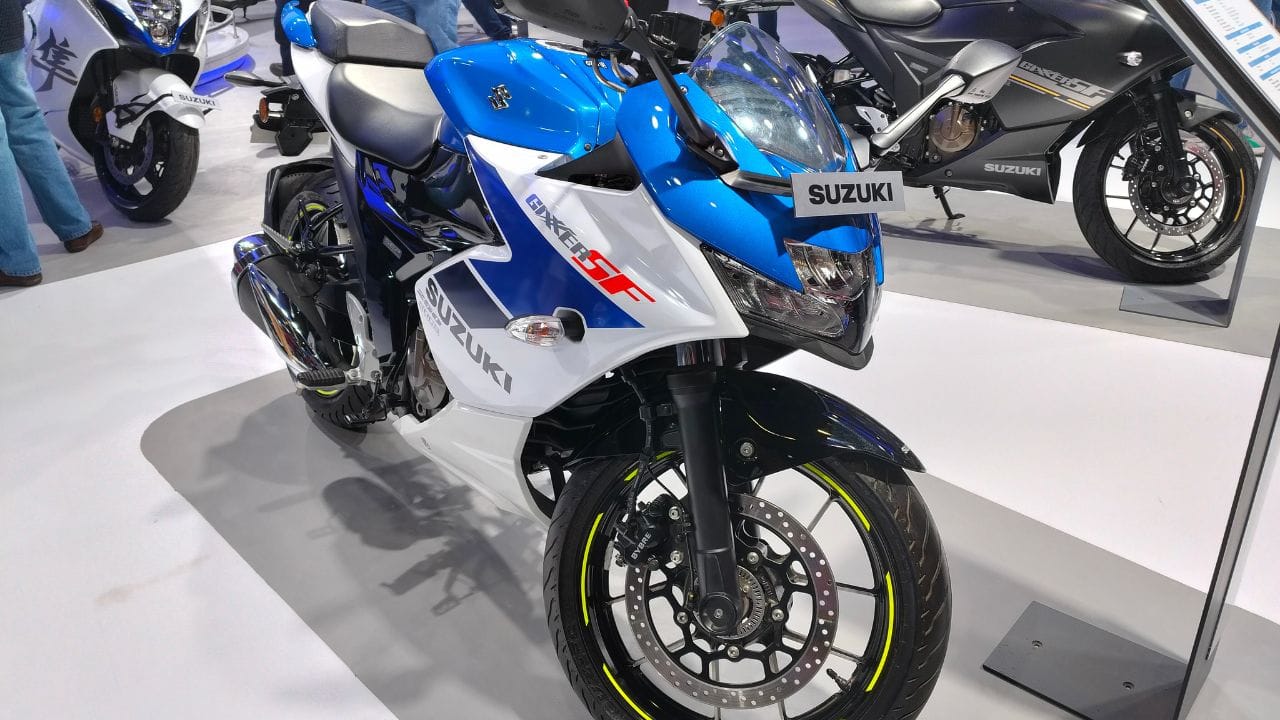
Suzuki Gixxer SF 250 Flex Fuel – Photo : Amar Ujala
Why are flex fuel vehicles important for India?
This technology has several implications for the country’s energy and environmental goals:
-
Reduction in import bill: The government is strongly promoting ethanol blending as part of its strategy to reduce crude oil imports and cut the country’s fuel bill.
-
Clean Mobility: It is also being seen as a way to support clean mobility solutions using domestically produced biofuel.
-
Energy transition: Industry experts say flex fuel technology could play an important role in India’s long-term energy transition. Especially at a time when the country is balancing the growth of electric mobility with conventional internal combustion engine (ICE) vehicles.

5 of 6
Hyundai Creta Flex Fuel – Photo : Amar Sharma
What is the position among automakers regarding the flex fuel segment?
Competition is increasing in the market regarding this new technology:
-
Many companies in the race: Tata Motors is not the only company exploring flex fuel technology. Several carmakers have already showcased their flex fuel prototypes. And they are investing in research and development (R&D) in this segment.
-
Technical Barrier: Experts caution that widespread adoption of flex fuel will not be easy due to infrastructure requirements and the need for compatible engines. Normal gasoline vehicles cannot operate efficiently on higher ethanol blends such as E85 or E100 without major engineering changes. Which necessitates the development of dedicated flex fuel vehicles.