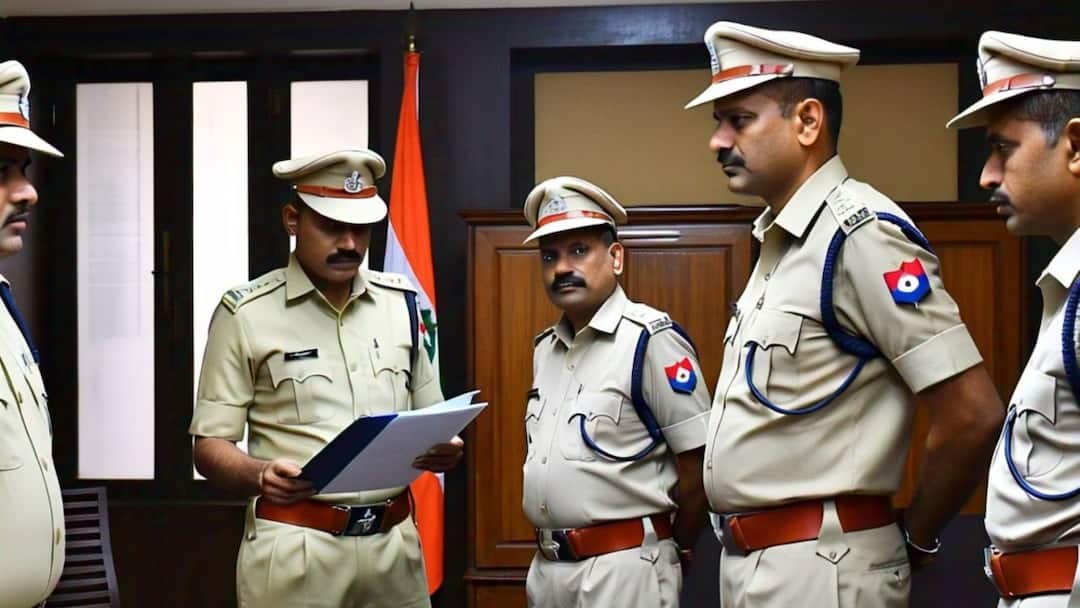
Mumbai Police is continuously running a strict campaign against Bangladeshi citizens living illegally in the city. According to the police, a total of 1758 Bangladeshi citizens were arrested in the last three years, out of which 1283 have been deported to Bangladesh.
Mumbai Police’s Joint Commissioner (Law and Order) Satyanarayan Chaudhary said that from January 1 to February 20 this year, 113 Bangladeshi citizens have been taken into custody. Of these, 27 have been deported so far, while the process of sending the rest is going on.
Police and Intelligence Department are gathering information – Joint Commissioner
Satyanarayan Chaudhary further said that for this action, the local police and intelligence departments are continuously gathering information through intelligence methods. Based on the input, action is being taken in different areas.
1100 Bangladeshi citizens deported in 2025
According to police data, 1100 Bangladeshi citizens were deported in the year 2025. That year, 150 cases were registered, in which 224 accused were involved. These cases are currently pending in the court and further deportation process will be completed after the court’s order. Whereas in the year 2024, 156 Bangladeshi citizens were deported. That year, 165 cases were registered, in which almost the same number of Bangladeshi citizens are accused. After the court order, he will also be sent to Bangladesh.
Identifying Bangladeshi citizens is a big responsibility – Police
Choudhary further said that this campaign against illegal foreign nationals will continue in the future and there will be no compromise with law and order. He said that identifying Bangladeshi citizens and sending them to Bangladesh may seem easy but it is a huge responsibility, many times we get inputs about the existence of Bangladeshis, we verify those inputs and take the next step only after being completely sure.
Better verification before taking every action- Police
The police officer further said, “We also fear that even by mistake, if someone takes action on wrong information, not only one person will be troubled but his entire family will be troubled.” Giving an example, Choudhary said that our team had received information about him being a Bangladeshi. We did not rush to take action but we went to his village where we got information about his ancestors and information about his farm from his old documents, after which we did not take any action against him. The purpose behind telling this is that I can tell how much and to what extent we do verification before taking each action.