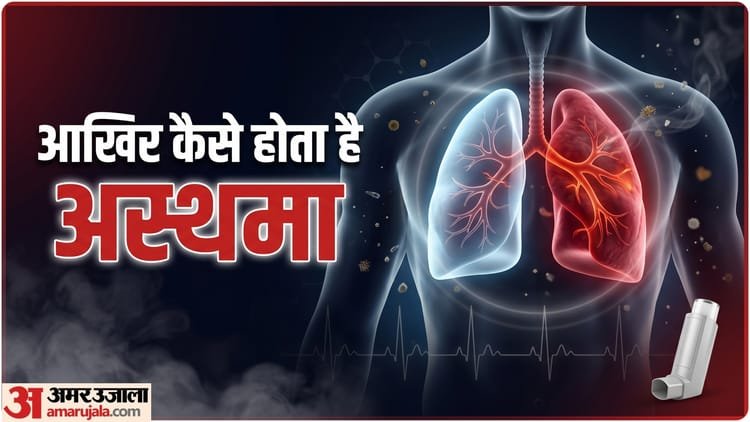
Do you also have trouble breathing, chest tightness, cough and a whistling sound while breathing? These may be symptoms of asthma. Asthma and respiratory diseases were once known to be a problem of the elderly, however now these problems are being seen in younger people and even children.

Every year with the aim of creating awareness among people about this serious respiratory disease which is increasing rapidly across the world and educating them about its care. World Asthma Day on the first Tuesday of May (May 4 this year) Is celebrated. The theme of this year’s Asthma Day is ‘Ensuring access to anti-inflammatory inhalers is essential for every person with asthma’. This theme emphasizes the critical need to address the disparities that exist in healthcare.
Health experts say, asthma is a serious problem, due to which life can also be lost. Therefore, it is important to know why this disease occurs and how can you avoid its danger?

2 of 5
Respiratory problem- Asthma – Photo : Freepik.com
Asthma problem can be fatal
According to the World Health Organization (WHO) report, asthma is a chronic disease, affecting an estimated 26-36 crore people. Due to this, more than 4.40 lakh deaths occur every year. It is the most common chronic disease in children, although people of all ages can be at risk. The biggest question in people’s minds regarding asthma is how does this disease start?
- Medical reports show that increasing pollution, poor lifestyle, allergies and many genetic conditions can increase the risk of this disease.
- The risk of this disease has been seen to be higher in children living in cities than in villages.
- If one of the parents has asthma, the risk for the child increases by 25-30%.
- The most worrying thing is that many people ignore it considering it to be a normal cough or allergy, due to which the situation can become more serious.
3 of 5
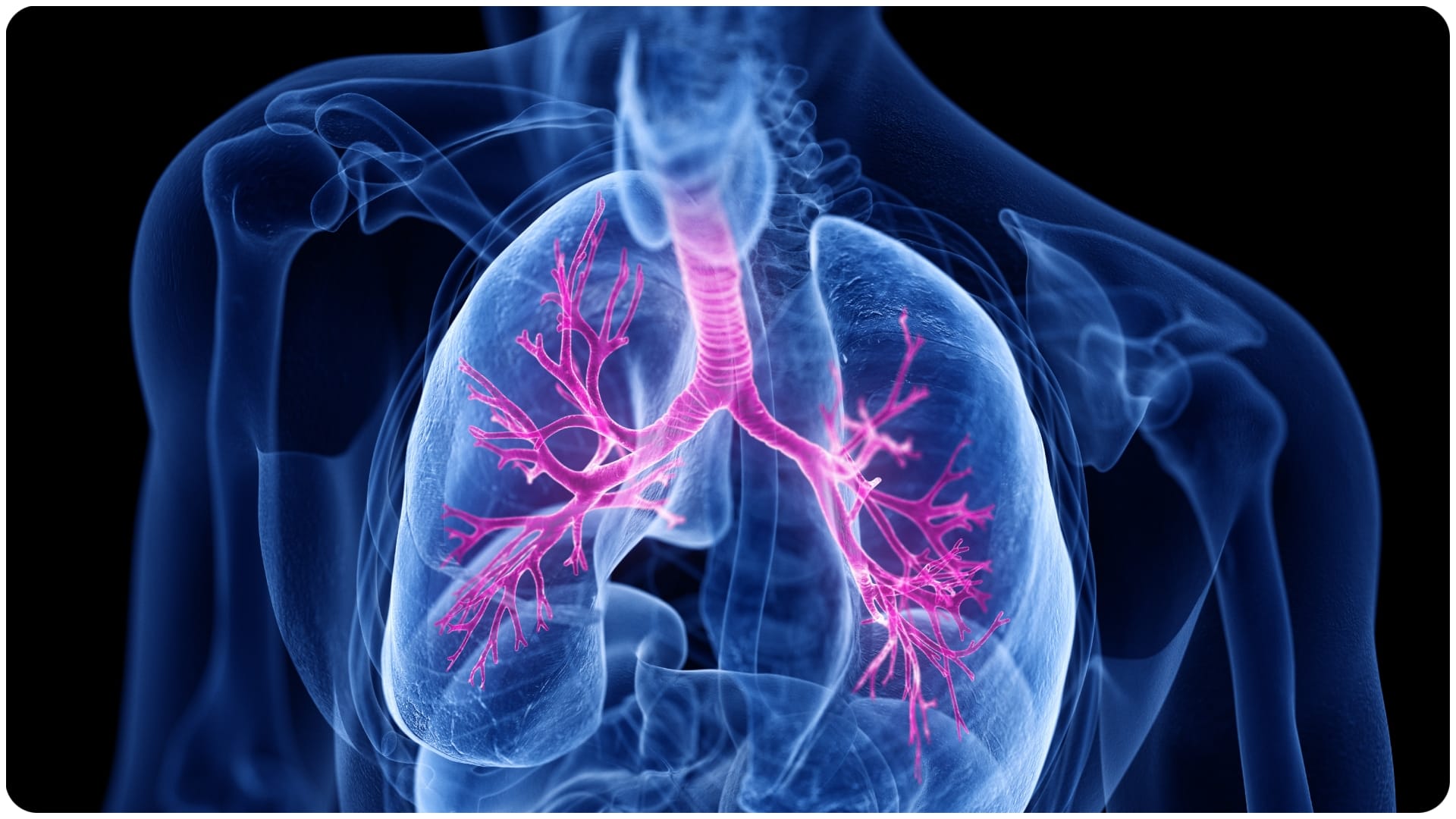
What are the risk factors for asthma? – Photo: Adobe Stock
How does asthma occur?
Health experts say that there is no single cause of asthma, rather many conditions can increase its risk. For people who have a family history of the disease, conditions like dust, smoke, pet hair, pollen and cold air may increase the risk.
- Asthma causes inflammation in the respiratory tubes and makes them narrow. This inflammation occurs due to overreaction of the immune system.
- Difficulty in breathing increases due to narrowing of the airways.
- When an allergen such as dust or smoke enters the body, the immune system reacts by treating it as dangerous. This causes swelling in the respiratory tract, increased mucus and contraction of the muscles.
- Repeated viral infections in childhood can also weaken the lungs, increasing the risk of asthma.
4 of 5
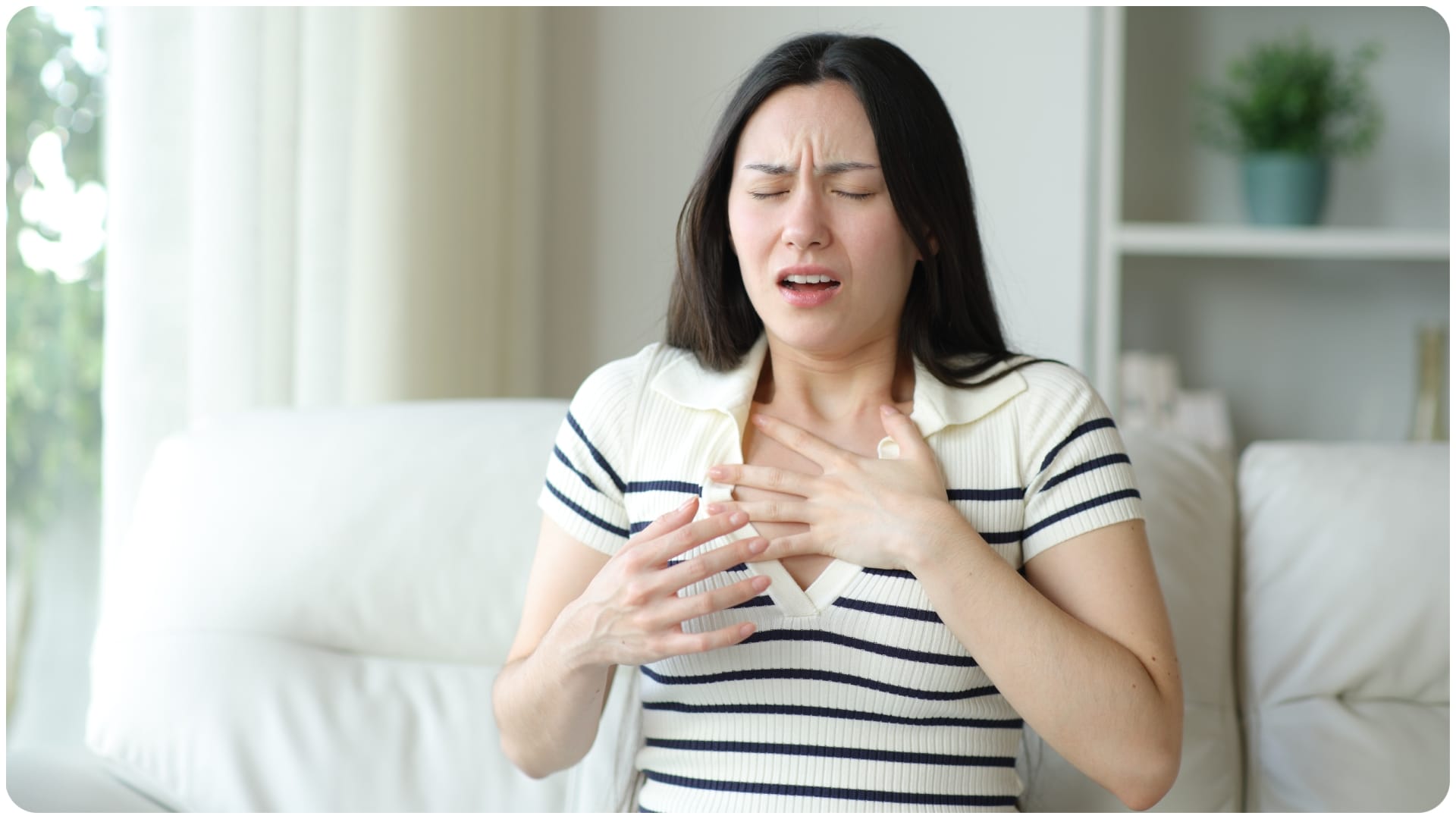
Difficulties in breathing – Photo : Adobe Stock
What are the symptoms of asthma?
Symptoms of asthma may vary from person to person. The most common symptom is difficulty in breathing, especially at night or in the morning.
- A whistling sound is heard while breathing.
- Persistent cough can also be a sign of asthma.
- Chest tightness is also frequently seen in asthma patients.
5 of 5
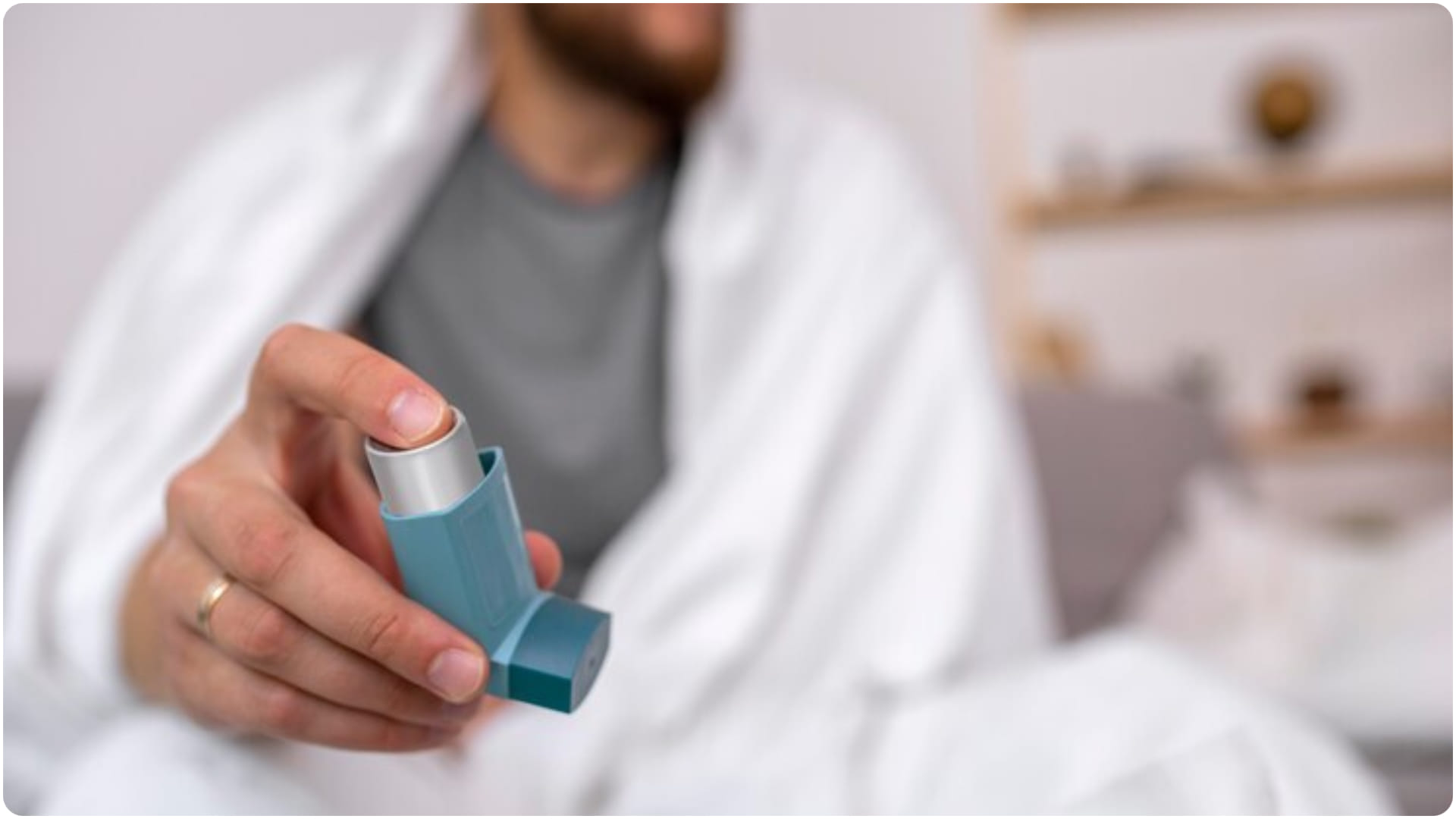
How to avoid triggering asthma? – Photo : Freepik.com
How to prevent this?
Studies show that smokers have a higher risk of asthma and other respiratory problems. Mother’s smoking during pregnancy also increases the risk of asthma in the child. Apart from this, obesity, cold air, stress and some medicines can also trigger asthma. It is important to keep avoiding such situations.
- Doing light exercise helps in increasing lung capacity.
- Including anti-inflammatory things in the diet is also beneficial. Protection from cold things is important.
- Inhaler medicines given by the doctor reduce inflammation and prevent asthma attacks.
- The problem of asthma attack can be controlled to a great extent by proper treatment and maintaining lifestyle.
————-
Note: This article has been prepared on the basis of medical reports.
Disclaimer: All the articles published in the health and fitness category of Amar Ujala are prepared on the basis of conversations with doctors, experts and academic institutions. The facts and information mentioned in the article have been checked and verified by the professional journalists of Amar Ujala. All instructions have been followed while preparing this article. The related article has been prepared to increase the information and awareness of the reader. Amar Ujala does not make any claims nor takes any responsibility regarding the information and information provided in the article. Consult your doctor for more details about the related disease mentioned in the above article.