Unknown Fact: Due to increasing tension in the Middle East, the world is facing a serious crisis related to gas, energy and petroleum in March 2026. Gas prices have increased rapidly in many countries, while at some places the supply has also been affected due to panic booking by people.
Meanwhile, words like LPG, CNG and PNG are trending rapidly on social media. Although people hear these names often, very few people know the difference between them. It is possible that you may have read about them in school, but with time you may not have remembered that information. In such a situation, let us understand in simple language what are LPG, CNG and PNG and what is the difference between them.
LPG, CNG and PNG are all three hydrocarbon gases, but their composition, storage, supply and usage methods are quite different from each other. LPG (Liquefied Petroleum Gas) is mainly a mixture of propane and butane gases, which is obtained as a by-product during crude oil refining and natural gas processing.
Whereas CNG (Compressed Natural Gas) is basically methane gas, which is compressed and stored under very high pressure. PNG (Piped Natural Gas) also contains high amount of methane and it is a lighter gas than air, which is supplied directly through the pipeline at low pressure.
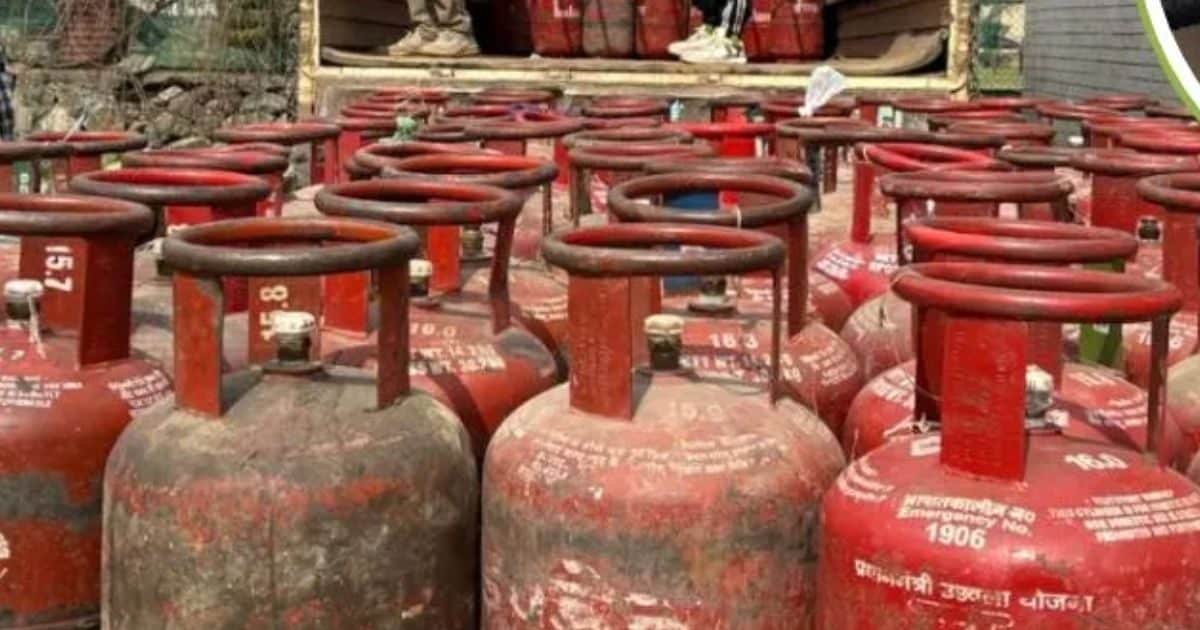
If we talk about their storage and supply, then the methods of all three are different. LPG is stored in liquid form in cylinders. Due to pressure, it becomes liquid and turns into gas at the time of use, in this form it reaches homes through red cylinders.
CNG is filled in the cylinder under high pressure in the form of gas and it never changes into liquid state. Whereas PNG is transported as gas directly to homes or industries through pipelines, hence it does not require cylinders or separate storage.
If we talk about the use of LPG, CNG and PNG, then all three gases are used for different needs. LPG is mainly used in stoves and stoves for cooking in homes. Apart from this, it is also used for heating water and at some places in vehicles. It is the most used gas in India and it has more than 33 crore connections in the country.
Whereas CNG is mainly used as fuel for vehicles. It is widely used in autos, taxis, cars and buses. It is cheaper than petrol and diesel and also causes less pollution, hence its demand is continuously increasing in big cities.
PNG, on the other hand, is used in areas where gas pipeline facilities are available. It is used for cooking and heating in homes, while it is also used in many commercial and industrial places. Due to it being safe and convenient, its trend is increasing rapidly in cities.
There is a difference between these three in terms of availability also. LPG is cheaper because of subsidy, but there is a hassle of refilling it when the cylinder runs out. CNG is an economical fuel for vehicles, although sometimes there are long queues at gas stations.
The specialty of PNG is that it provides continuous gas supply to homes and it is also very economical, but this facility is currently available only in those areas where the pipeline network has reached. Therefore, next time when you change the cylinder or fill CNG in the vehicle, remember the difference between these three gases.