NEWYou can now listen to Fox News articles!
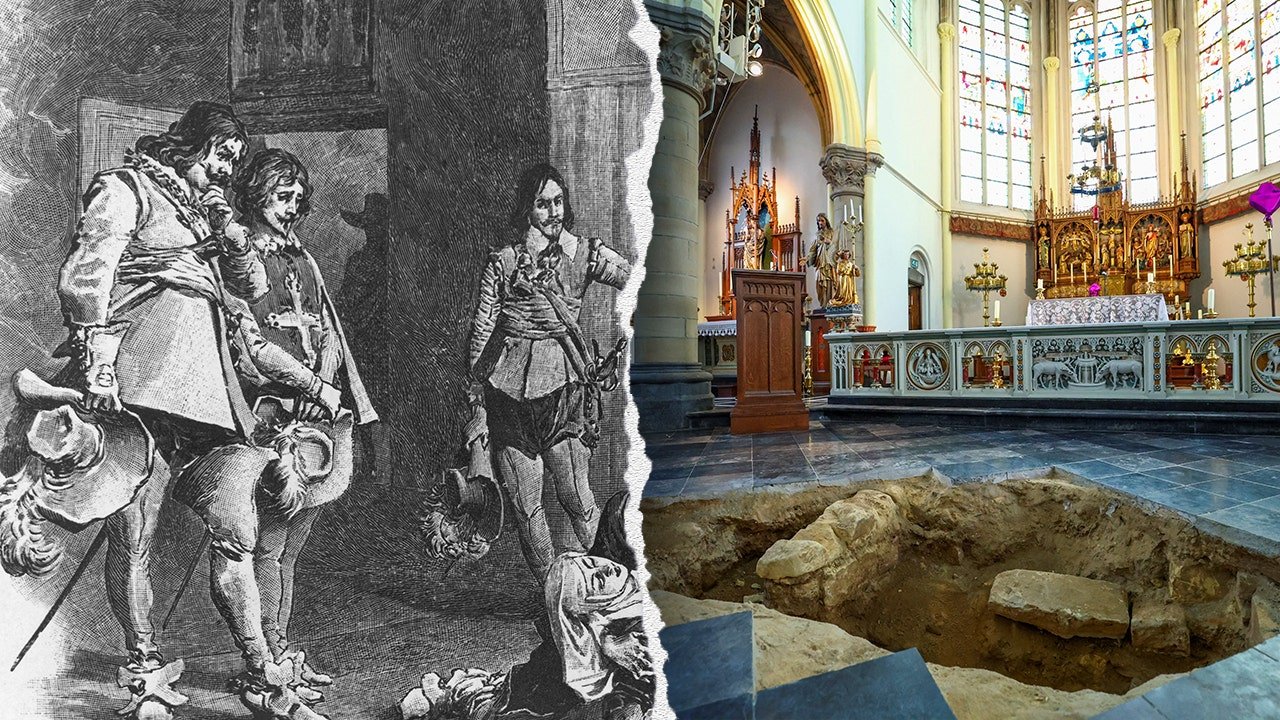
Archaeologists may have uncovered the remains of Charles de Batz de Castelmore d’Artagnan, the legendary French musketeer who inspired Alexandre Dumas’ “The Three Musketeers.”
The skeleton was found in front of an altar at St. Peter and Paul Church in Maastricht, the Netherlands, local officials said Wednesday.
Workers found the human remains in February after the floor caved in, Reuters reported.
ARCHAEOLOGISTS UNCOVER EERIE ANGLO-SAXON ‘SAND BODIES’ AT NUCLEAR POWER STATION SITE
Researchers are now testing DNA from the jawbone to see if it lines up with d’Artagnan’s descendants.
The church has long been considered a possible burial site for d’Artagnan, according to officials.
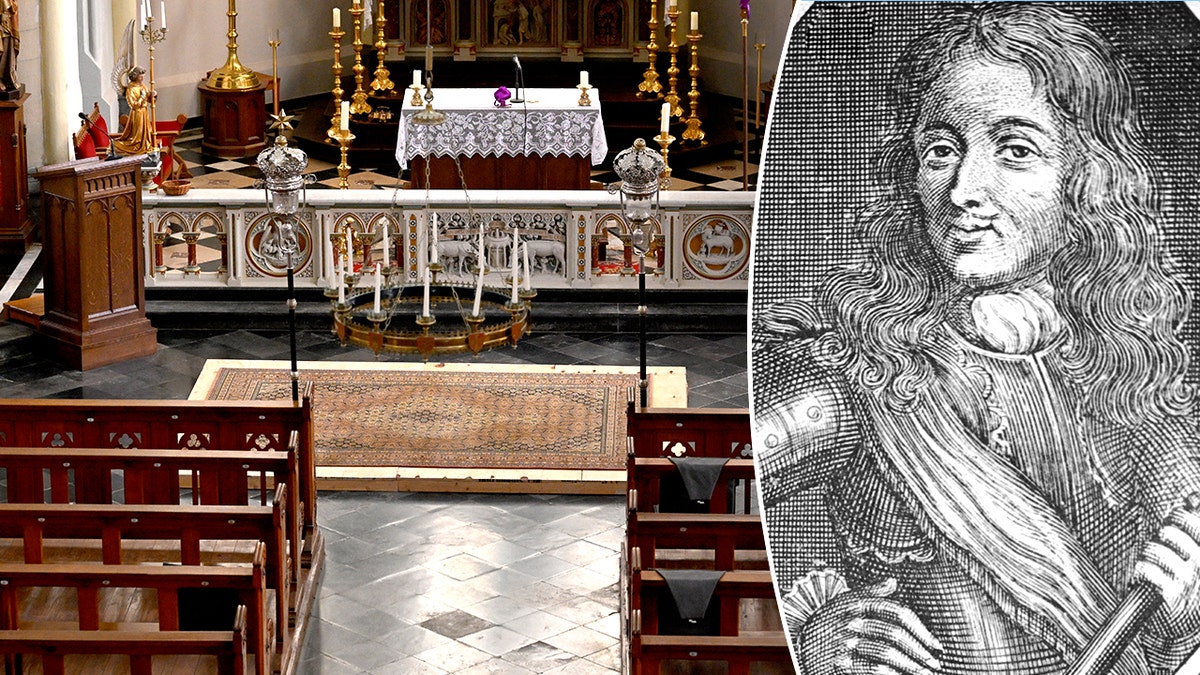
Archaeologists in the Netherlands are investigating whether newly discovered remains could belong to d’Artagnan, the famed musketeer linked to Alexandre Dumas’ novel. (John Thys/AFP via Getty Images; Hulton Archive/Getty Images)
Speaking to Reuters, archaeologist Wim Dijkman said the excavation has become a “top-level investigation.”
He added, “We want to be absolutely certain — or as certain as possible — whether it is the famous musketeer, who was killed here near Maastricht.”
Fox News Digital reached out to Dijkman for further comment.
TEST YOURSELF WITH OUR LATEST LIFESTYLE QUIZ
Born in 1611, d’Artagnan served under King Louis XIV — known as the “Sun King” — and rose to captain of the Musketeers of the Guard, an elite military unit.
He was killed on June 25, 1673, near Maastricht, after being shot in the throat during a French siege.
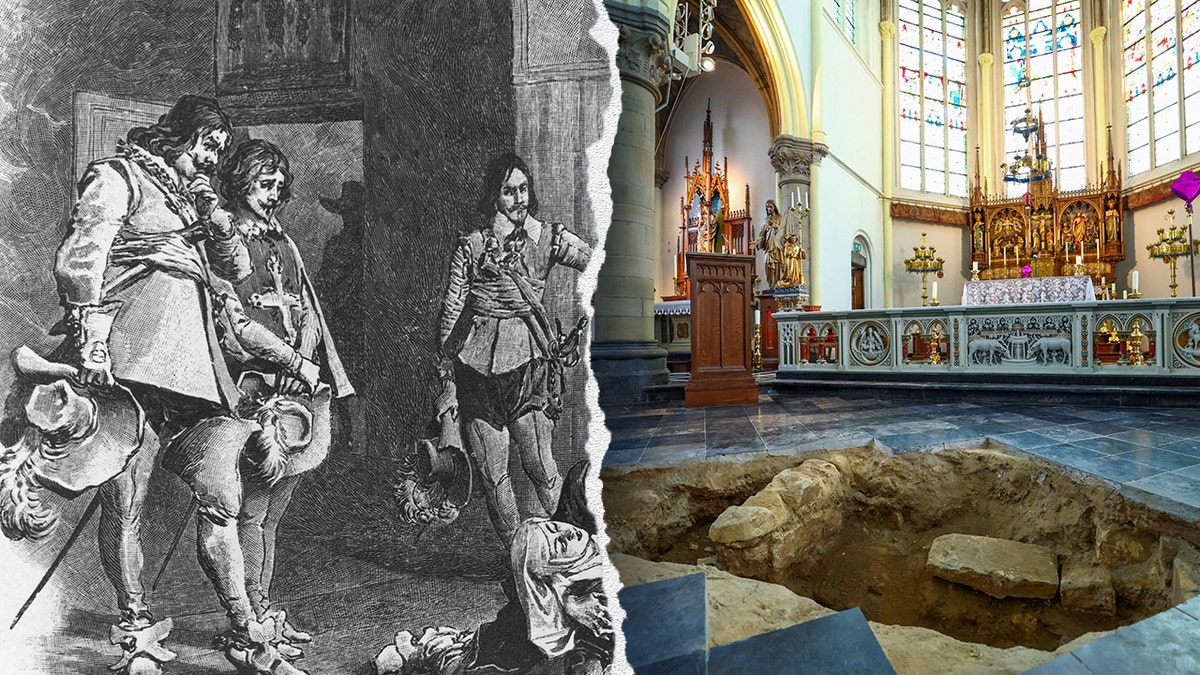
The remains were discovered after the church floor collapsed, opening a hole that led archaeologists to a burial possibly tied to d’Artagnan. (De Agostini via Getty Images; REUTERS/Piroschka van de Wouw)
It’s believed that d’Artagnan was buried nearby, as it would have been impractical to transport his body back to France in the summer heat.
Jos Valke, a deacon of the church, told Reuters that additional clues also pointed to d’Artagnan.
CLICK HERE TO SIGN UP FOR OUR LIFESTYLE NEWSLETTER
These included a coin from 1660 and a fragment of a lead bullet near the burial.
Valke noted that d’Artagnan was supposedly buried in consecrated ground, according to a contemporary letter.
“When you add it all up … it seems plausible to us.”
“Well, under an altar — it couldn’t be much holier than that,” he said.
Valke added, “When you add it all up, then, it seems plausible to us. But of course, nothing is certain yet.”
CLICK HERE FOR MORE LIFESTYLE STORIES
Dumas published “The Three Musketeers” in serial form beginning in May 1844, immortalizing d’Artagnan in fiction.
Published in book form later that year, it has since been widely read and adapted into films, plays and TV shows.
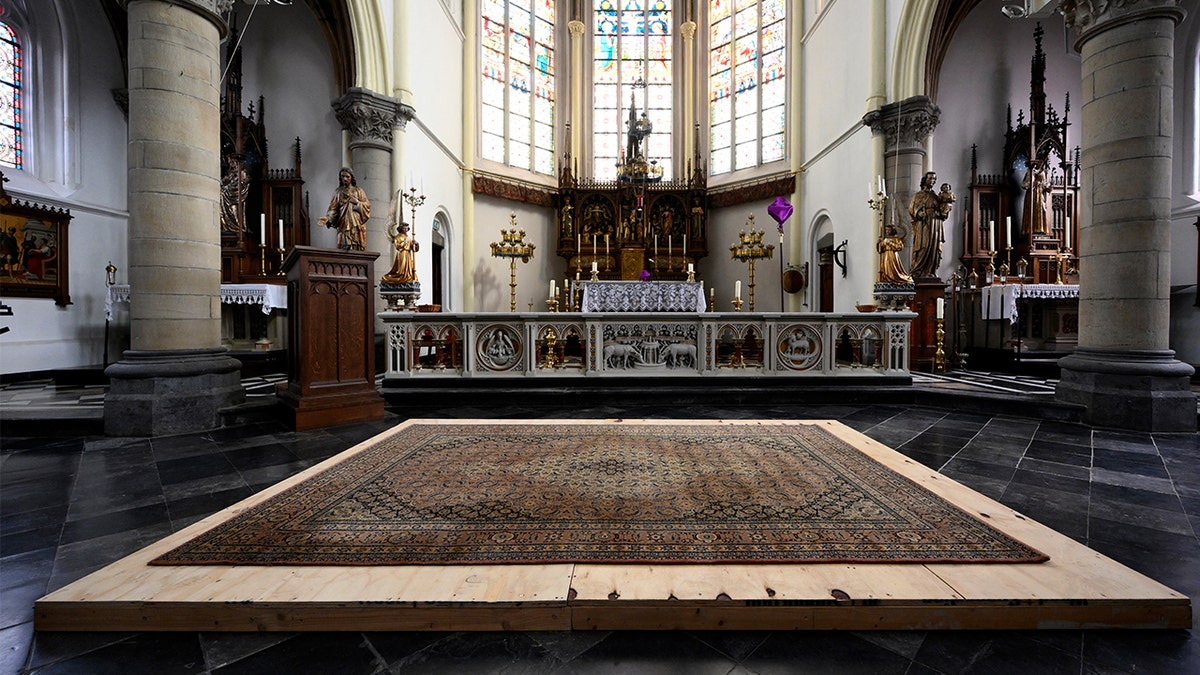
“We want to be absolutely certain — or as certain as possible — whether it is the famous musketeer, who was killed here near Maastricht,” said an archaeologist. (John Thys/AFP via Getty Images)
The discovery is one of many significant archaeological finds in the Netherlands in recent years.
Last summer, officials showcased a medieval sword with rare symbols that was found in a river by Dutch construction workers.
CLICK HERE TO GET THE FOX NEWS APP
In 2024, archaeologists in North Holland found a creepy, centuries-old floor made of animal bones in a red-light district.
Reuters contributed reporting.