Huawei P9 Review

0

China’s Huawei company did not make much headlines in the Indian market last year. The company decided not to launch its previous flagship phone Huawei P8 in India. However, during this time the company’s sub-brand was active in the Honor Market. At the same time, Google Nexus 6P, the most renowned handset in Huawei brand, was also launched. Now the company has become active once again by launching Huawei P9.

Huawei P9 The price of the smartphone is Rs 39,999. This phone is designed keeping in mind the camera performance. It has two 12 megapixel rear cameras. They have been created in collaboration with the Optics company Laika of Germany. This camera setup claims excellent performance in the P9 photography department. Apart from this, all the other specifications of the handset are with flagship devices. Let us try to know whether the Huawei P9 will be able to challenge other popular flagship phones.


Look and design
Like other top and smartphone, Huawei P9 comes with full metal body. It is thin and lighter than other flagship handsets. It is very easy to hold it in hands due to compact texture. The front panel has a 5.2 -inch display and its edges give a feeling of slightly curved.
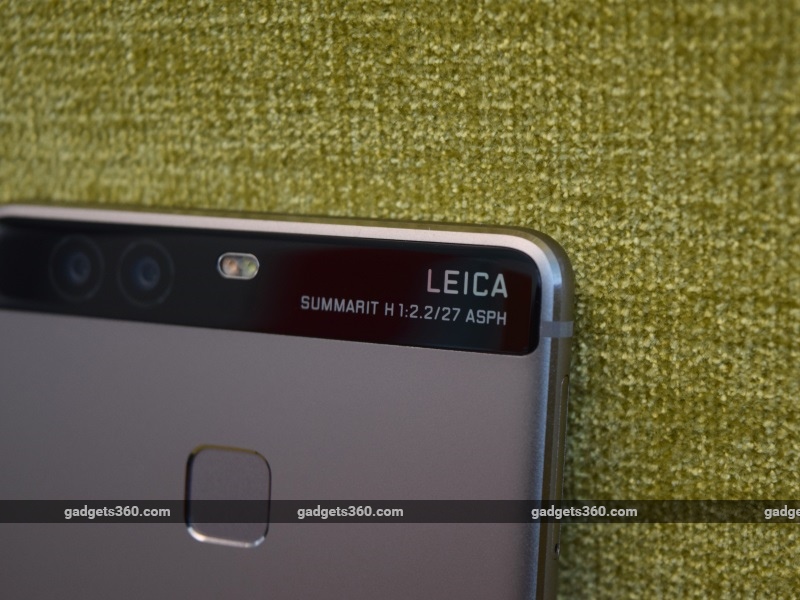
huawei_p9_leica_ndtv

Power and volume buttons are on the right side. SIM and MicroSD card tray right side. The 3.5mm socket, speaker grille and USB Type-C port are at the bottom. The rear of the phone has a fingerprint sensor and camera on strip top. It is like the Nexus 6S made by Huawei in appearance. Overall P9 is a great smartphone in appearance. It feels a flagship in every way. The fingerprint sensor is present in the back of the phone. Staying in its rear part means that you have to use the index finger for this. You will be able to use it to unlock the handset. If the phone is also in standby mode, it will work. It is accurate in identifying the fingers and works rapidly. However, it is so good for the sensor of OnePlus 3.
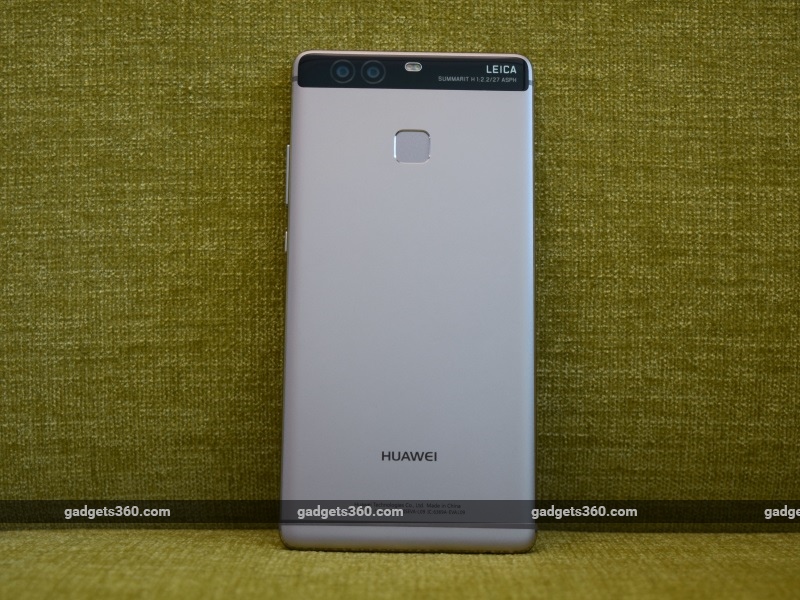
huawei_p9_back_ndtv

There are two camera lenses on the rear part. It also has dual-tone LED flash and laser autofocus window. On the right side of the strip is the branding of Laika.

The Huawei P9 has full-HD IPS LCD screen. There is a protection of gorilla glass on top of this. The pixel density of the screen is 423 PPI. The company has not used quad-HD resolution in the handset, but it is very sharp. You will not realize things like details or lack of quality. The screen is quite bright and its black level is also fine according to the IPS panel.

Color reproduction is also good, but it is not excellent. You can change color temperature through settings. This is a fine screen. If the display quality is very important for you, then you can get more good options.

Specification and software
Like Samsung, Huawei makes its chipset. It is responsible for Huawei’s subsidiary, Hyssilicon. Most of Huawei and Honor’s phones are used only to do high -suilicon Kirin chipsets and Huawei P9 has not tried to do anything different. It uses an octa-core Kirin 955 chipset with 2.5 GHz clock speed. It has 3000 mAh battery, 3 GB RAM and 32 GB inbuilt storage. You will be able to use microSD cards up to 256 GB.

Its single SIM variants have been made available in India, it is also equipped with NFC chip. There is also support for Wi-Fi 802.11 A/B/G/N/AC. You will get basic in-ear headsets, power adapters, USB-S with the handset with the handset.

The Huawei P9 smartphone will run on Android 6.0 Marshmallow. Huawei’s Emotion UI 4.1 has been used in this. It is a layer user interface. There is support for Android Marshmallow’s important feature Now on tap, dose mode and app permission system. Magazine lock screen is as interesting as usual.

The best phone manager app has returned. You will be allowed to secure apps through system optimization, data use, battery conference and fingerprint sensor. Sometimes the Emotion UI of Huawei looks slightly slow and simple.

Camera
The camera is the most important feature of Huawei P9. After the branding of dual rear cameras and Laika, it further increases expectations. Even though the company has done tremendous marketing of branding of Laika, let us tell you that the sensors and lens are not made by Laika. The German company has given inputs in the development of camera systems, hence ‘Co-Engineer with Laika’ has been used.

The P9 has two 12 megapixel sensors which are in front of each other. One of these is RGB sensor and the other is monochrome. The color sensor collects color information in any scene.

The monochrome sensor is capable of highlighting more lights and details. Its task is just to meditate on the light and it has nothing to do with the color. The software takes the information collected by both these sensors and creates a single color image for you. Sadly, none of these lenses have optical image stabilization.

The camera has a hybrid autofocus system that uses laser and phase detection autofocus features together. The use of both these sensors will give you a chance to choose a better depth of field. You will be able to focus on different parts of it even after taking pictures. Apart from this, the sensor has support for raw format photos, high exposure night shots and pro shooting mode.

The camera app and software at first glance gives a feeling of being extremely complicated. But it is very easy to use it once. It is equipped with a response, well-out and a lot of features and settings. With the help of its settings, you get an innounced control on cameras and photos. There is an easy accessible and a variety of control pro-mode.

Many modes are revealed when swipe from the left to the right, including monochrome, HDR, high exposure night shots, time laps, slow motion, and many more modes. Settings are revealed when swipe from the right to the left. GPS tagging, resolution, timer, and many other features will be found here. The interesting thing is that the user has been given a toge to add Laika Watermark to the photos taken from the rear camera, but we decided to keep it closed.

We found that there was no shortage of details in the photographs taken from the camera. The camera takes the best pictures and looks better in monochrome mode. However, when you zoom in, the pixels start to disintegrate. However, in the normal scale, photos are seen clean and sharp which has no lack of details.

It is also certain that you will not use monochrome mode all the time. In such a situation, it is also important to know how the camera gives performance in common color shots. The P9 camera introduces a picture to the user using the information given by both the sensors, which confirms the presence of details. However, it is not as good as monochrome photos, but it is commendable. These photos are also pixels on zoom in.

You will get three different color modes- Standard, Vivid and Smuth. In the first mode, you will find the most natural pictures, in the remaining two mode, they are slightly more saturated in the process of showing the pictures more vibrant.

Photography with this camera in low light is even more fun. The credit goes to the ability to capture details in any light. If you take pictures by composing and focusing, P9 has the ability to beat any phone camera. It is not that there is no grain in the photos, but it takes more details and photos in compared to other smartphone cameras.

The use of two cameras gives a great depth of field perception. By keeping this mode on switch on, you will be able to take great shallow photos. Refocined photos also look good. It is necessary to mention night shot mode. In this, you will be able to modify ISO and to capture more lights, exposure time can be done for 32 seconds. It would not be wrong to say that all these modes do good work and you get excellent output. But a lot of grains show that the Huawei P9 smartphone is not the best camera phone ever.

The video quality is good, but the 4 of the 4 of the Quality is not able to shoot. Overall, we can convince and say that Huawei P9 is one of the best camera phones used by us.

Performance
Huawei’s Kirin Range’s chipset is not popular like Qualcomm and MediaTek processor. Kirin 900 Series has been a flagship line. This year Kirin 955 has been made part of Huawei P9. With the help of 3 GB RAM, the phone runs very smooth. But in this year, we have met many such flagship devices which run faster than this handset.

By the way, its effect will never be seen in common performance. We had no complaints while using the phone. Heavy graphics games went well, most apps loaded rapidly. We never realized it slow while using the phone. Especially the camera performance is faster and snapy. With its help, you are able to take photos fast and not much of your time is wasted. The benchmark scores were good.

The single speaker of the phone received a satisfactory voice. The audio performance of the headphones was good. There is also no complaint with 4G and Wi-Fi connectivity. We do not have any complaints with call quality. The phone battery lasted 10 hours 24 minutes in the video loop test. It will be called satisfactory, not excellent at all. The phone’s battery will last for the whole day in common use, not more than this.

Our decision
Huawei P9 is a good phone that is best in appearance and the performance of the camera is fantastic. But this is not all rounded like other flagship phones present in the market. Displays and software cannot be praised too much, according to us the price of Rs 39,999 is higher. The cameras are fantastic, but do not exist important features like optical image stabilization and 4K videos.

If you are looking for the best camera, it would not be wrong to consider Huawei P9. This proves to be a great option for photography enthusiasts due to the fun application of two sensors and the branding of Laika. If you want a phone that is all -round and its price is also low, then we would suggest to think about buying OnePlus 3.
Review of ZTE Blade V6

0

ZTE launched many good smartphones this year but very few phones have been launched in India. Recently, the company blamed V6 in India and Exon Mini Smartphones have been introduced. Of these we today Blade V6 You will know the characteristics and shortcomings of this smartphone by reviewing.

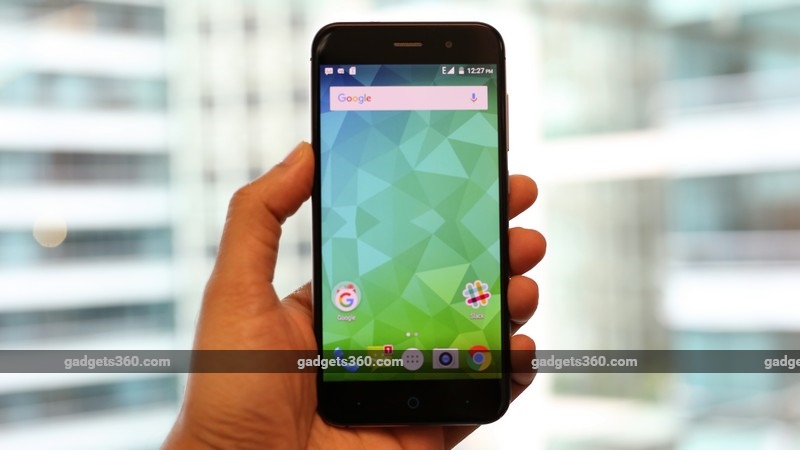
This new budget smartphone of ZTE is really a blade D6 launched last year. And in India, all the specifications and features of the phone which have been launched in the name of Blade V6 are similar to the old blade D6. This smartphone, which is launched for Rs 9,999, seems expensive today due to being one year old, but the Blade V6 can attract us with its merits.

Design and texture
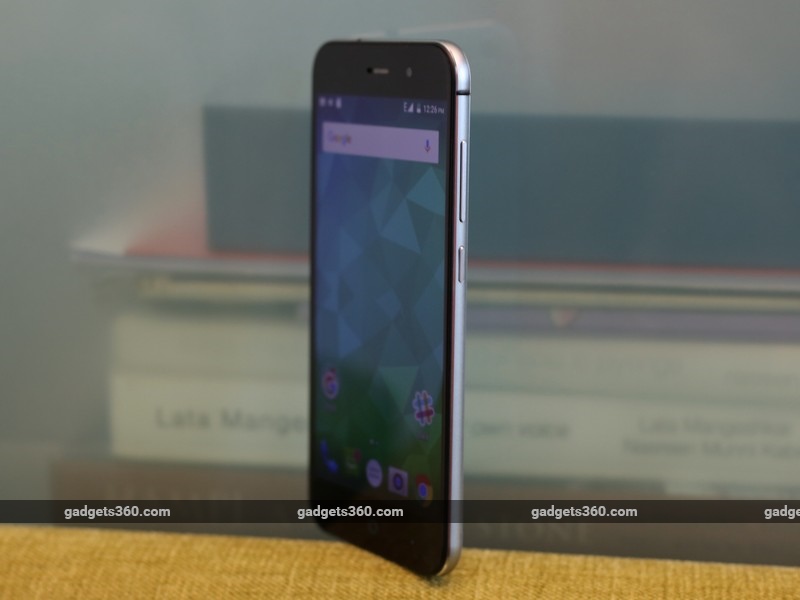
The design of the phone attracts attention only when it is held in hand for the first time. And whichever we gave the phone in hand for the first time, we got the same response. This phone is 6.8 mm thin and weighs only 122 grams. In addition, the phone’s grip is extremely good so that it feels like an iPhone when it is holding in the hand.


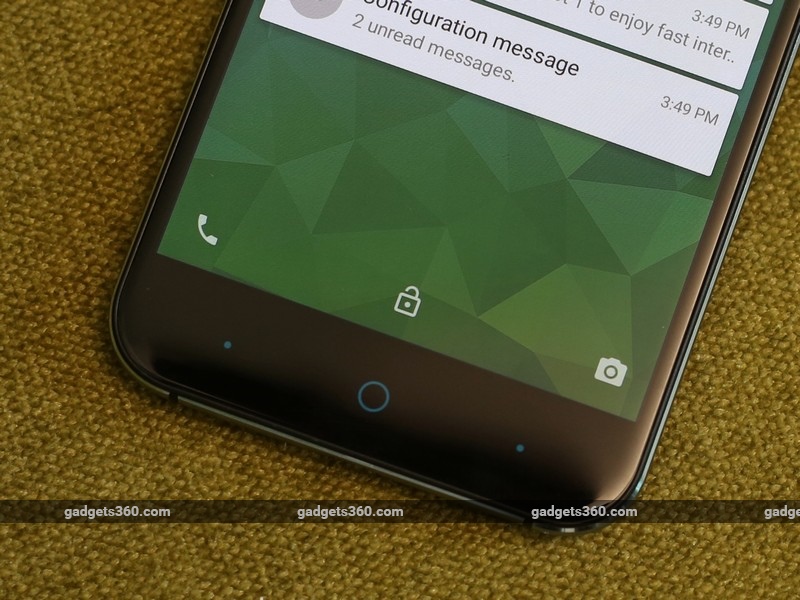
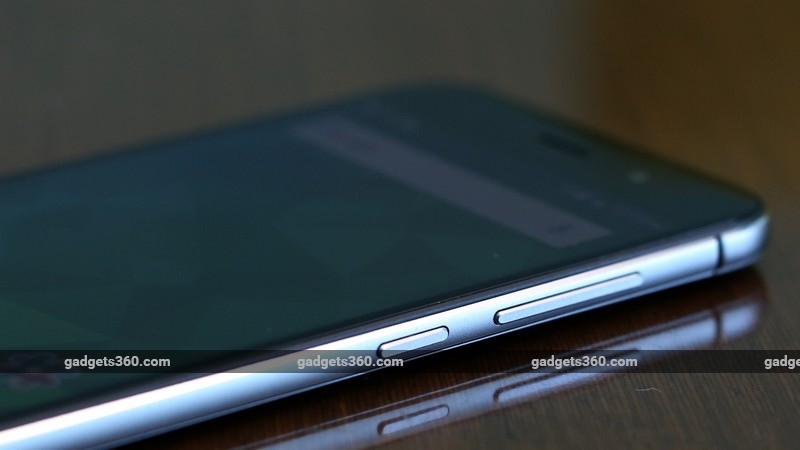
Catching the phone is convenient and it is also easy to reach the button. Fit and finish of the button in the phone is not the best because the buttons are slightly falter and our test unit also has some problem in the power button. According to the company, the 5 -inch HD IPS display has good brightness in daylight. No scratch protection has been given in the display, so you will have to take extra precautions during everyday use. Resolution is also only HD and not full HD. The bottom of the display is a capacitive button equipped with blue lights.

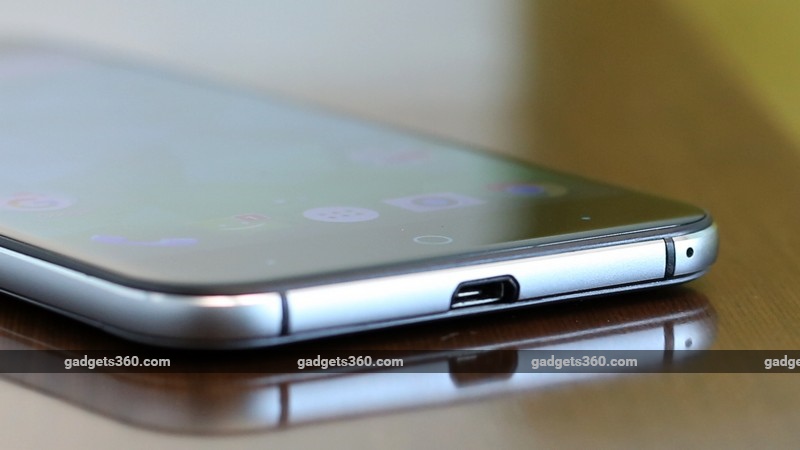
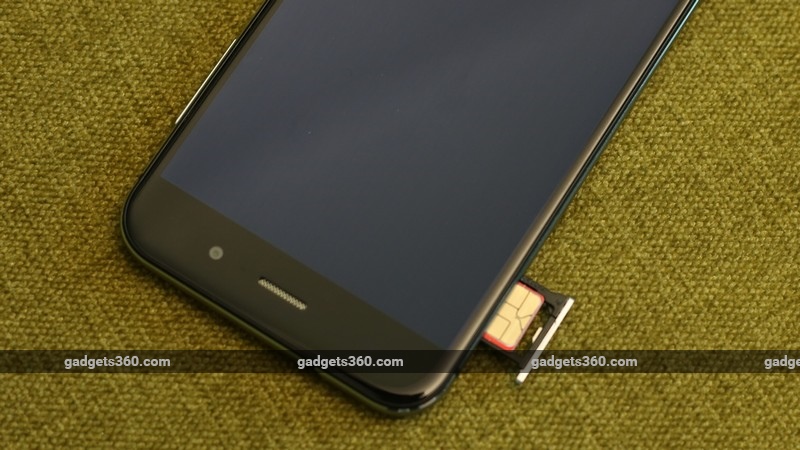
Blade V6 has a metal frame and rear but it is not equipped with unibody design. The hybrid sim tray is on the left side and the phone for the Indian band supports 4G. But only 4G support will be available in the first sim slot, while in the second SIM slot only 2G supports. You can increase internal storage through microSD cards up to 64 GB if you use only one SIM.

A mono speaker is given on the rear. This phone has a 13-megapixel rear camera with dual-tone LED flash. Due to the old model, the fingerprint sensor has not been given in the phone as expected.


On purchasing the Blade V6, you will get a 5 watt standard charger and a data cable in the box. The quality of accessory coming together is very good and it should last long.

Specification and feature
I wish ZTE would have worked a little hard to update the processor before launching this phone here. The Blade V6 has a basic quad-core MediaTek MT6735 processor. The phone has 2 GB RAM and 16 GB storage. According to Android Lollipop, these specifications are fine and we also saw its effect in the benchmarking test. In the benchmarking test, the phone found good data. Talking about the second specification, the phone has Wi-Fi B/G/N, Bluetooth 4.0, USB OTG, GPS and FM Radio.


It is not a big deal to have an old chipset in the phone if the price of the phone is taken care of. But the software stuck in the way. Blade V6 runs on Android 5.0.2, which is two version old from the latest version of Lollipop, Lollipop is also now two versions older than the latest Android. Apart from this, things are worse when updates have not been released from November last year to remove security flaws. It is especially more disturbing after hearing about the hack and security related news on Android platforms.

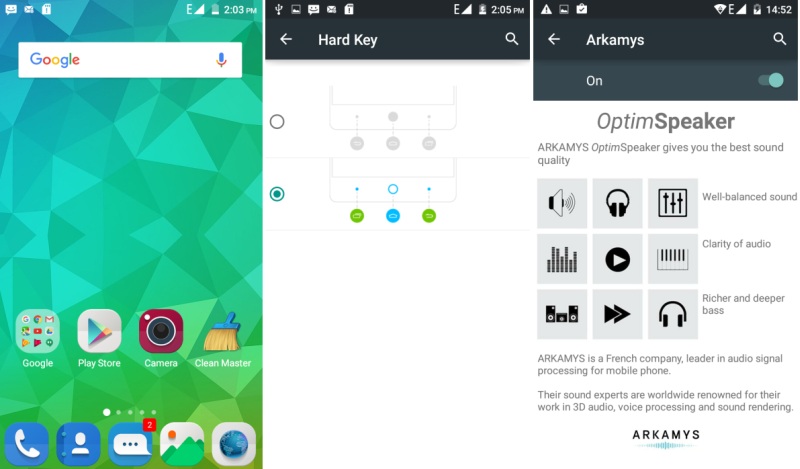
Stock launcher gives a single-layer layout on the home screen of the phone which is quite confused due to the poor election of the icon. The good thing is that you can make things easier by switching with stock launcher. For those who prefer back buttons on the right side of the home button, ZTE has given the option to swap the function of the capacitive button.


Many third party apps are already installed in the phone. You cannot even uninstall two music players like some of these. Apart from this, you can send files and messages through Ed-Hawk Network from Elevashair. Chatz is also a messaging service, Event Stripe Live Wallpaper, Huby Nyes, Shazam, Google’s app and AVG antivirus already come to install.

Like a music player, most of these apps cannot be removed. These include the Isho app of ZTE which plays the video of your choice when the phone is unlocked. Most of these apps are such that you will hardly use but will not get rid of them.

Performance
The performance of Blade V6 is very fast and the phone works quickly. The apps are launched very fast and multi-tasking can be done without any hassle. The phone is not hot while playing the game. The call quality in the phone is not very spectacular and even when we have full volume, we had problems in hearing during the call and the microphone is also very weak.


The media playback is well in the Blade V6 and the high bit-rate full HD video also runs well in the phone. Audio performance is also not useless and it is because of Arcumiz Sound. Despite the mono speaker’s volume level, the experience of watching the video is fantastic.

The 13 -megapixel camera given in the phone gives detailed macro photos in daylight but landscape shot is average. The detail level is also not very spectacular, especially in the object in which the photographs are on the side. Pictures are not very good in low light, especially when there are only one or two lights, but apart from this, the camera does not work better. Focus and store speed with slow ambient lights also cause problems.


The front camera works great for selfie but just in good light. The camera app is like the Android app which we have been seeing in every budget smartphone for a long time. Apart from this, face beauty, panorama, live photos and HDR and gesture shot are available. The camera app contains filters and by pressing on the shutter button for a long time, the burst mode is activated.

With the 2200 mAh battery given in the phone, we were able to run the phone for a whole day. In our video loop test, the battery lasted continuously for 8 hours and 7 hours which is not bad.


Our decision
It is not really clear why ZTE has launched this model just especially when this phone Upgraded variants launched in Mobile World Congress this year Is. Blade V6 is priced at Rs 9,999 and currently this phone is available only at the hotshot retail outlet in Delhi.

Except for beautiful design and excellent battery life, there is no reason to buy this phone. Old software and security are two major flaws and these reasons are sufficient for not buying the phone.

Xiaomi Redmi 3S Prime ,Review, Asus Zenfone Max (2016) ,Review) And Le 1 S Eco Smartphones come with a much better performance and feature at a low price.

Review of LG X Screen

0

Research firm Gartner AccordingThis year, due to the high demand for low -priced smartphones in emerging markets, the sales of smartphones have increased worldwide. The competition in a smartphone with a category of less than Rs 15,000 has never been so tough and smartphone manufacturers are carrying out almost a new attempt every month.

Currently, Chinese companies like Xiaomi, Lenovo and Leico are tight on this ‘budget’ category and they have a strict rivalry with Samsung. Today, launching a product in this segment is not only full of danger but has become the biggest need to present something special in addition to specifications and features according to expectations.

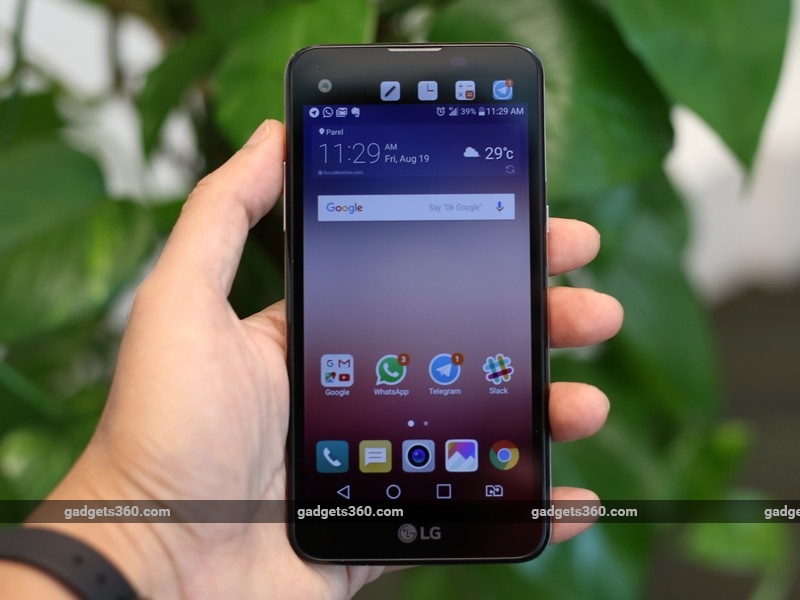
LG’s goal is its new X screen smartphone Because of this, there is a hold on this market. This smartphone has a second ‘ticker style’ display. Earlier, such a screen was LG’s premium smartphone last year V10 It was first seen in.


Design and texture
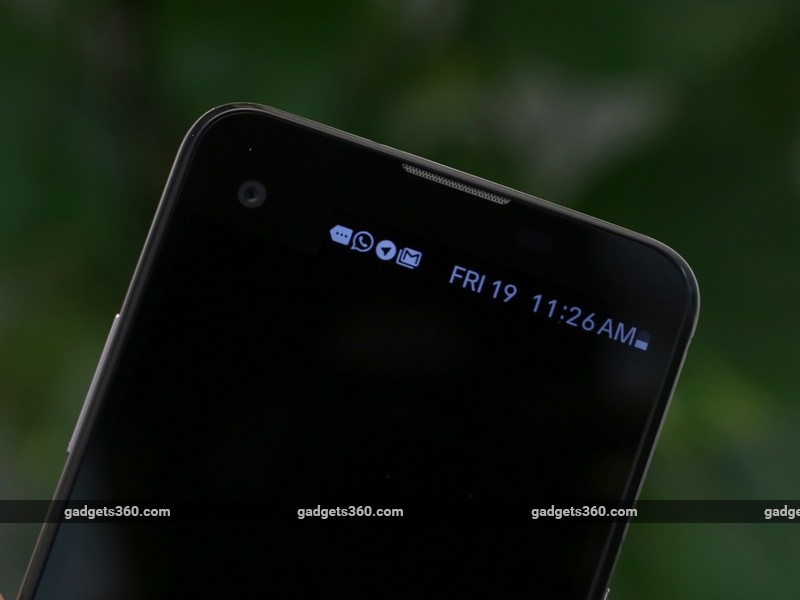
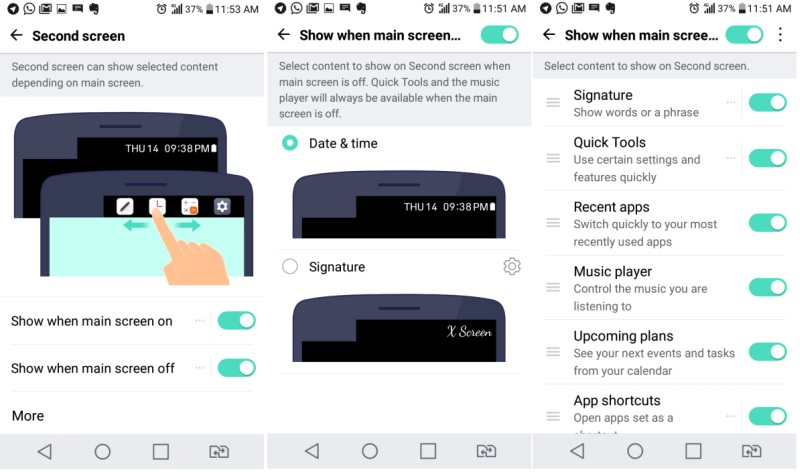
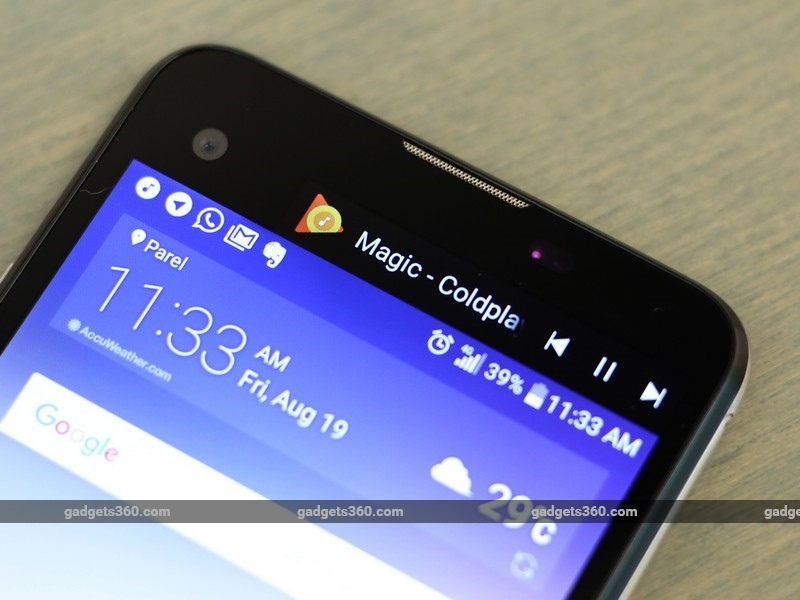
The 1.7 inch secondary color LCD display (80×520 pixels resolution) remains on all the time even when the phone is off. Therefore, you can see the notification without turning on the main display. The notifications look the same as the notifications appear in the shed. The first alert coming from an email or WhatsApp is seen as a full message, but after that only the second alert coming from the same app will show only the picture of the app icon and sender. Apart from this, you can choose to show time, date and battery level or any custom message permanently.

The display of the phone is very interactive, so swipe on the left makes a quick tool where four togle switches like sound profiles, Wi-Fi, flashlight and SOS are available. After this, the music player can be controlled by swipe again on the left side.

When the main display is turned on, the second screen becomes more functional and it shows you a shortcut and contact for the recently used four recent apps, calendar alerts, your favorite app.


We felt very useful in the second screen given in the phone because it is much better than a notification LED. We feel that it would have been better if this display was bigger according to the length of the main display.

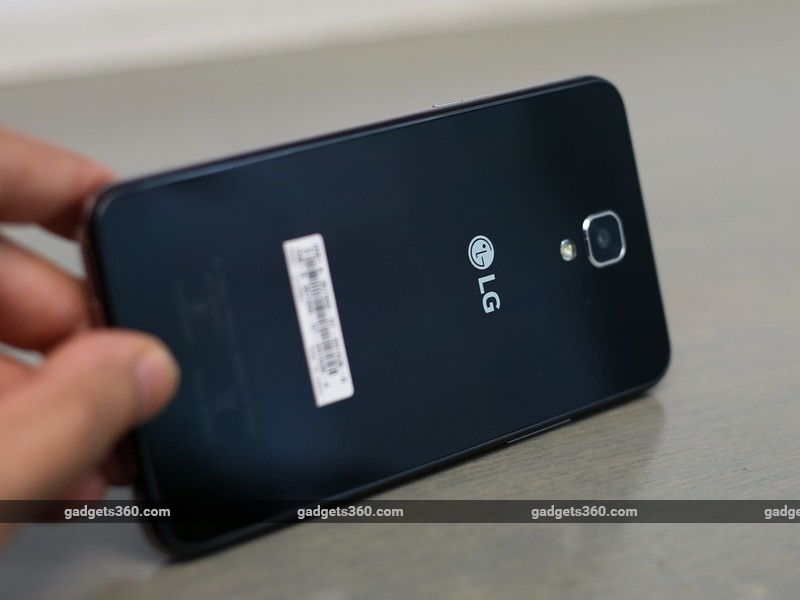
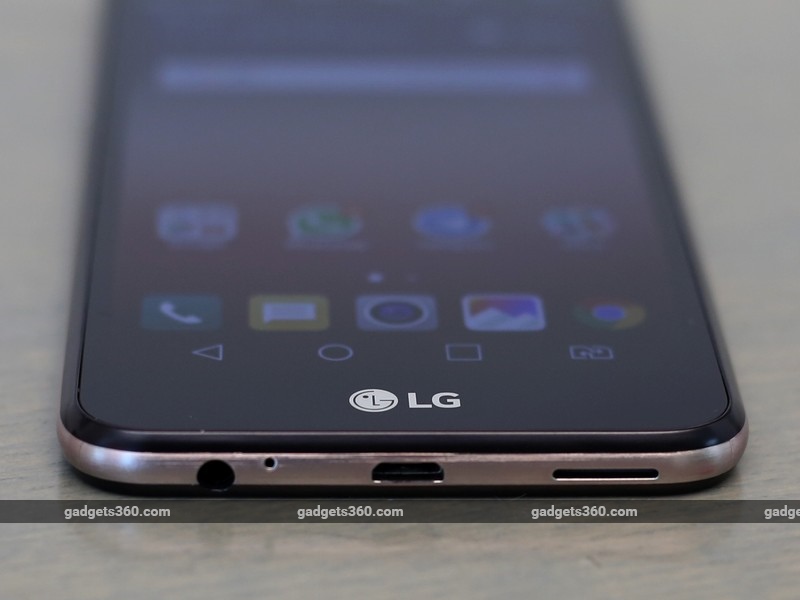
Talk about the texture, LG has done a great job with the design of this phone and it takes a premium phone because of the glass rear. The side of the phone is made of Fox-Mattle but gives a metal-like look. According to the phone with a plastic body, the phone’s finish is good and weighs only 120 grams. The phone is also quite thin and its thickness is just 7.1 mm.

The 4.93-inch primary display strengthens LG’s in-cell touch technology, although only HD resolution is. It does not see any negative effect at the first time, but if you look closely, the text looks a bit blurred. Talking about brightness, the color reproduction is good and the phone can also be read easily in sunlight.

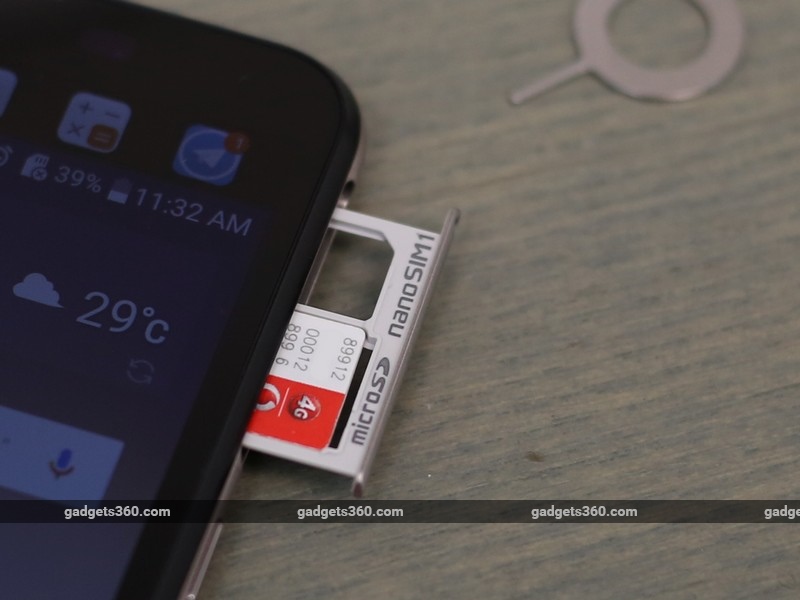
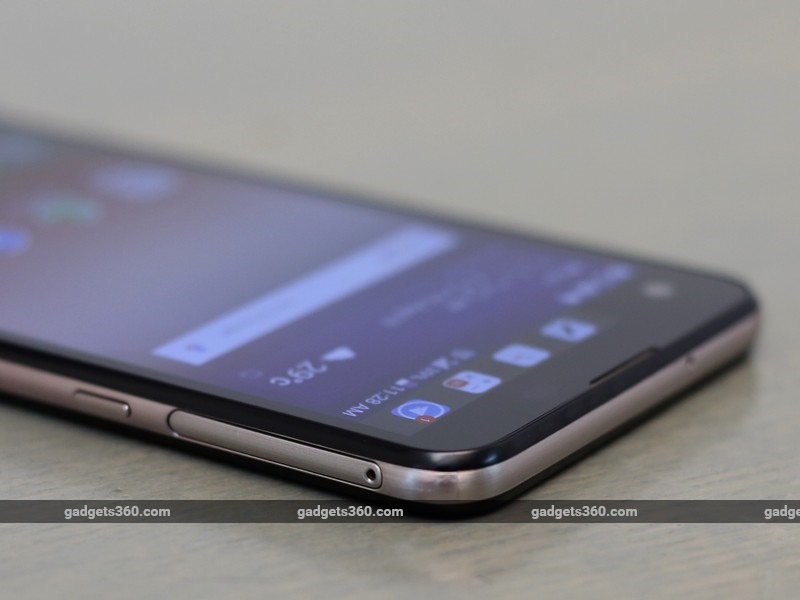
The button placement is fine and the buttons run quite well. A hybrid dual SIM tray has been given on the right side, which means two nano SIM or a single SIM and a microSD card (up to 128 GB) can be used simultaneously. The bottom is a single speaker grill besides the headphone shock and micro USB port. The camera module on the rear is slightly embossed but it is a good thing not to scratch during use.


The fingerprint sensor is not a feature in this phone. It is disappointing that this feature with additional security in the X screen is not given. Now coming to the market Extremely affordable smartphone This feature is also being given in. With this phone you will get a data cable, power adapter and a headset.

Specification and feature
Now things start changing slightly. LG’s 10 LTE ,Review) Like the LG X screen has a little old Snapdragon 410 quad-core processor, which is far old than the processor of smartphone available in the market at this price today. Apart from this, this phone has 2 GB RAM, 16 GB storage. The phone has Wi-Fi 802.11 b/g/n, Bluetooth 4.1, GPS and FM radio. This smartphone does not support USB OTG.


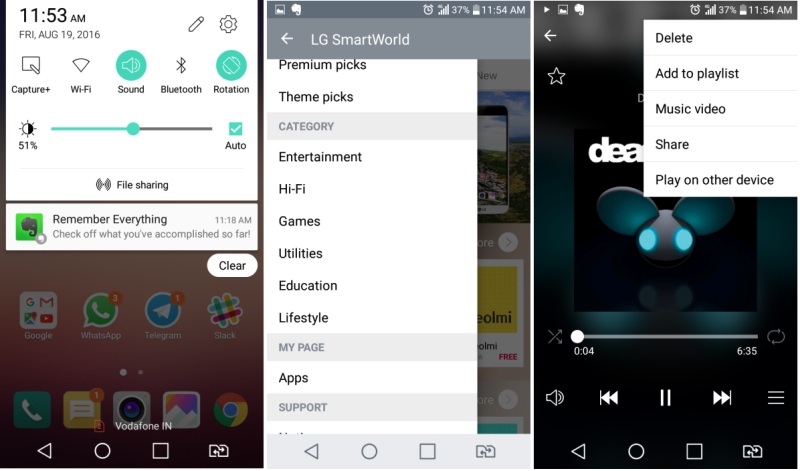
The chronic chipset affects benchmark data. In the benchmark test, we did not get much good figures from this smartphone. But the good thing is that in this phone, Android Lollipop has been given Android Marshmallow. The stock interface has been changed with LG UI 5.0 and is very useful and easy to use.

The phone has a single layer layout as a default but you can switch to the traditional app drawer according to your need. SOS mode is a handi feature and works well. Once the emergency contact setup, after pressing the power button five times, the contact with your current location goes to SMS immediately.


Talk about the pre-installed app, the phone’s app, file manager, trouqueler and LG’s own app and theme store LG Smartworld already comes to install. The order of the navigation button can be customized while an app or picture can be easily captured and edited by capture+.

Performance
Despite the old processor, Android Marshmallow runs well in the phone. There are some problems in the phone when many webpages are opened simultaneously in many browsing or chrome through the app store in the phone. Apart from this, loading the app is also not very fast. The X screen has an LG logo at the back where the phone feels quite hot. We noted that the phone gets hot while taking some pictures and downloading the app.


The second screen in the phone proves to be very useful at times, but the LCD display wash out in direct sunlight, which makes it difficult to read. When the main screen is closed, the second screen becomes Dim. When the main screen is on, the second screen remains on with full brightness. An OLED panel could be far better for the second screen.

The phone does not slip as if we expected to hold in hand. It is convenient in catching the metal body available in the market. The phone plays full HD video well and the music player has a special feature that makes the song automatically search that you are listening now. However, the audio quality from the speaker is extremely average. The mono speaker is quite fast for alert but it does not affect the media files. Only calls can be made from the coming headsets.

The LG screen has a 13 -megapixel primary camera but you will not get a PDAF feature here, so the focus speed is not very good. The sensor takes one or two seconds to focus during the shoot. Photos are good in daylight. The detailing and color of the photos are good. The pictures taken in the indoor are slightly scattered which worsens in low light.

Landscape photos are quite useless in low light, but close-up shots are good when using flash. The 8 -megapixel front camera can be used for selfies from palm and voice gesture but even in daylight, pictures are not very clear.

The camera app is also very simple and there is also a lack of basic features like HDR. The camera has a panorama mode and pressing the shutter button for a long time activates the burst mode which works well. The quality of the video recorded in daylight is good but do not expect too much from the video in low light.

During the video loop test, the 2300 mAh battery given in the phone got a battery life of up to 12 hours 13 hours. At the same time, during general use, we were able to easily run the phone for more than a day. The phone does not have fast charging technology, but within half an hour the phone is charged up to 19 percent, which is not bad.


Our decision
After spending some time with LG X screen, we feel that other smartphone makers should also adopt this concept. Getting the necessary information from another screen is a really pleasant experience and there is a lot of time left by switching quickly between the app and feature. If the phone had given an OLED panel instead of the LCD panel, the experience could have been more spectacular.

But, it is not that this phone should be purchased only because of the second screen. The X screen is left behind in rivalry due to many other features. It seems that in terms of specification and feature of the budget smartphone, LG has been stuck at one time and these phones seem to come in 2015 instead of 2016.

This smartphone cannot be called a complete package at a price of Rs 12,990. Despite good designs, battery life and second screen, this phone does not have a capacity of capacity according to Android Marshmallow. Fingerprint sensor and USB OTG support are also not available in the phone. The overall camera performance of the phone is fine.

Review of Vivo V3

0

Vivo is one of the Chinese companies that believe in traditional marketing to make their names to the people. Certainly you must have seen the Vivo signboard of Neon Light Color across the country and trains are also painted with the company’s latest phone advertisement.

Vivo in April V3 and V3 Max ,Review) smart fone Launch Was ever since then, After the price cut in V3 It is replaced in a brand with less than Rs 15,000. However, now the collision is more link than before. Is Vivo V3 an attractive phone even after a price cut? Learn the characteristics and shortcomings of this phone in the review.

Design and texture
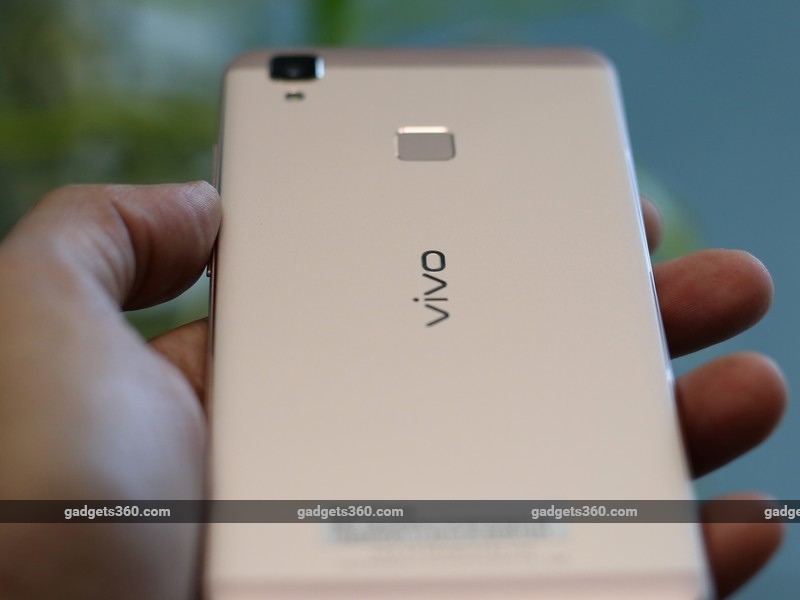
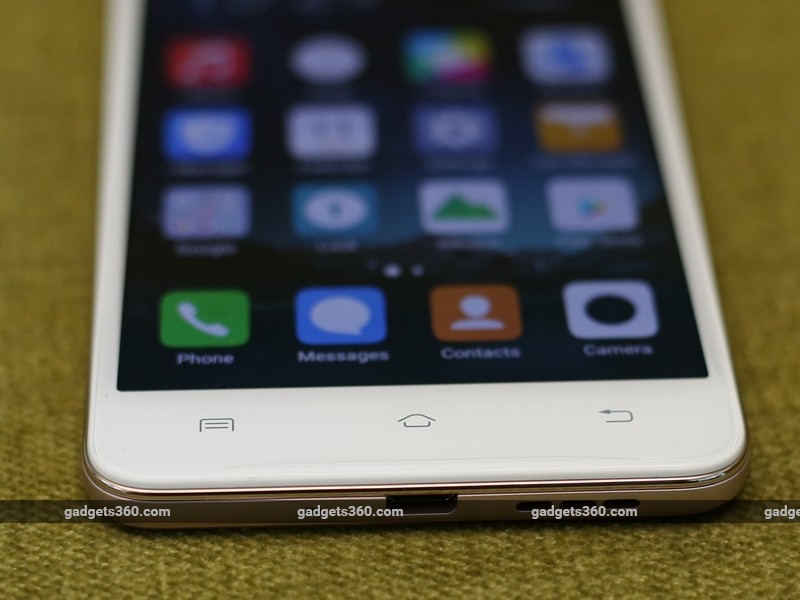
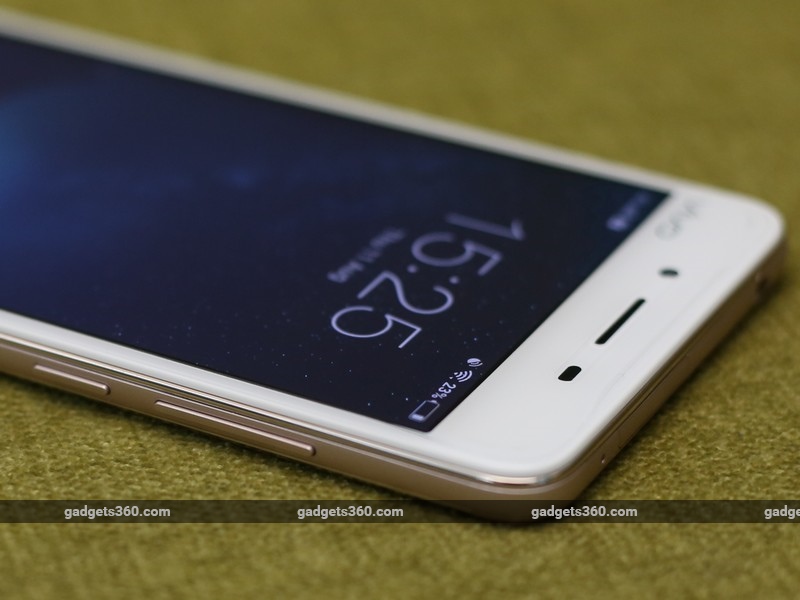
Vivo V3 Just like your big variants, it is rich. The design of Vivo V3 Max is also not very good. If the branding of the phone is not on the front side, then no one easily Oppo F1 Can forget to understand. The V3 features non-basic-capacitive navigation button and curved glass edge. However, there is nothing clear about scratch protection in this phone, but according to Vivo, the smartphone is equipped with Gorilla Glass Protection. A screen guard with the phone comes in advance.


We liked a 5 inch display in this phone and this is convenient to hold this phone with one hand and is also used by Aasni. The IPS display provides good color reproduction and viewing angle but its HD resolution (720×1280) is only pixels. There is no problem in the display watching text and icon. But this price phone requires full HD display and the display could also be sharpened.

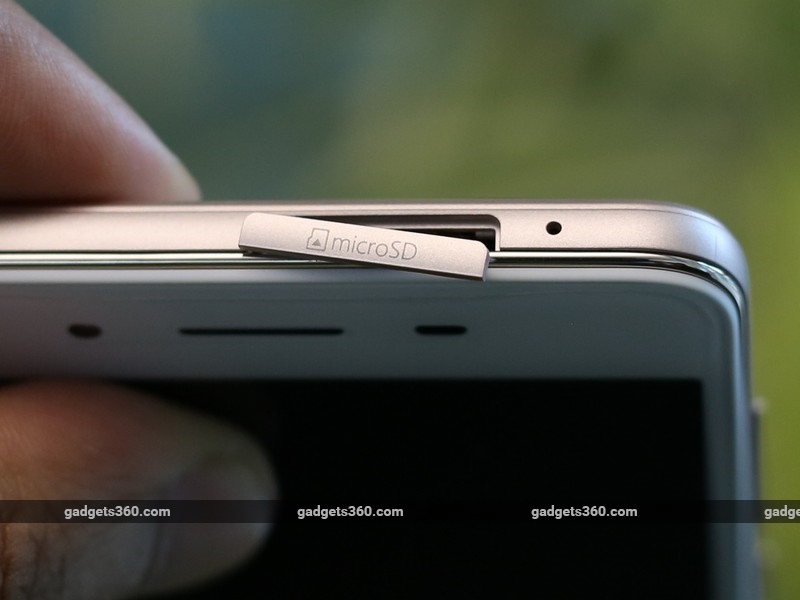
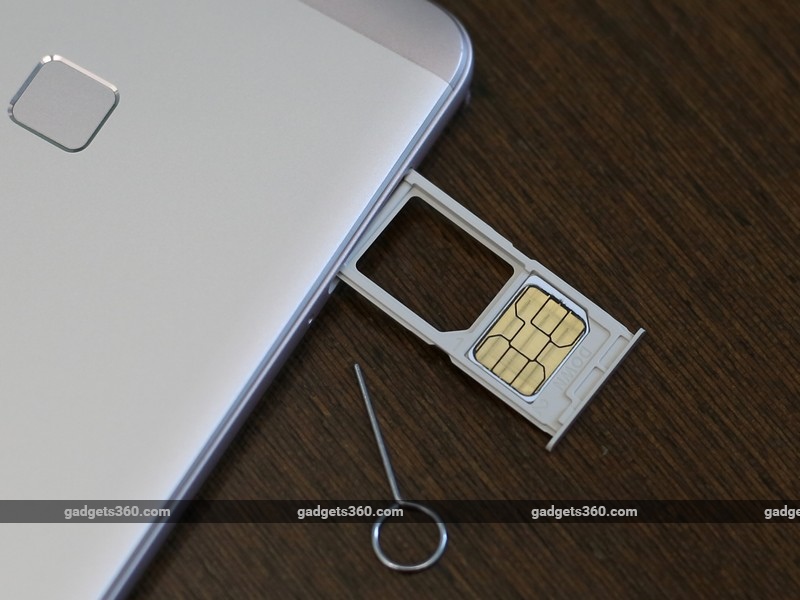
The metal frame of V3 is quite strong and buttons are given in ergonomic way. There is a dual sim tray on the left and a separate microSD card slot (up to 128 GB) at the top. It also has a headphone shock. The V3 has a powerful speaker that comes with a dedicated amplifier chip. The speaker works well. The voice in the music track and video is heard well and the voice also looks fantastic in the outris. The speaker could be more luxurious with the stereo speaker but it is also good.

The texture given on the rear of the phone does not give the grip very good, so the phone is slightly slipped. But the silicone case that comes with the phone makes it convenient to catch the phone. Apart from this, the box gets a headset, a charger, a data cable, a SIM Ejector Tool and an Airtel SIM. With this sim, you can upgrade your Airtel connection to 4G. Power adapter is excessive than necessary and the phone does not support fast charging.

Specification and feature
Vivo V3 has Qualcomm Snapdragon 616 octa-core processor. The phone has 3 GB RAM and 32 GB storage. Once again, you can say that there are no such specifications in the phone that attract more. We have also seen these specifications in a lower -price phone. The phone supports dual band Wi-Fi B/G/N, Bluetooth 4.0, GPS, FM Radio, USB OTG and 4G LTE band 1, 3, 5 and 40.


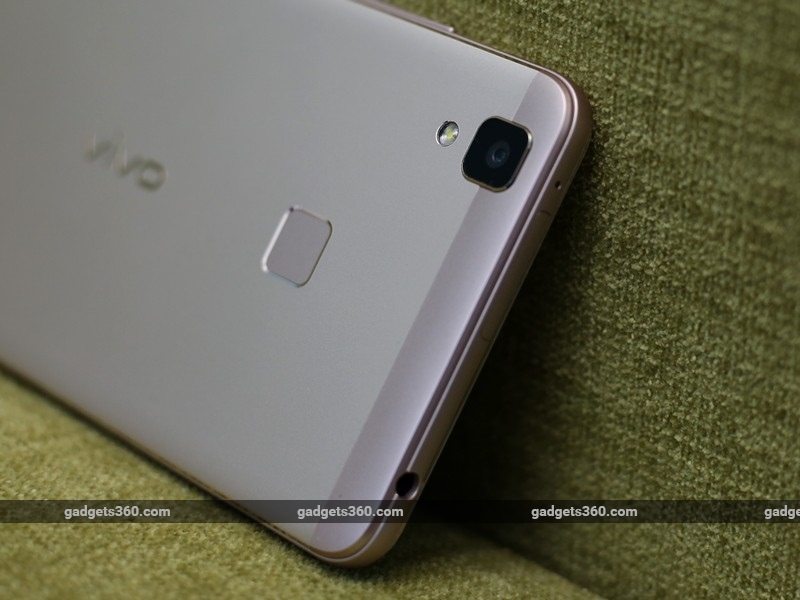
The fingerprint sensor is given on the rear and works quite well. It can also be used as a camera shutter. Apart from this, it can also be used to lock private files and apps. The V 3 runs on Funtch OS 2.5 which is the custom fork of Android Lollipop. But the absence of Marshmallow in the phone is disappointed.

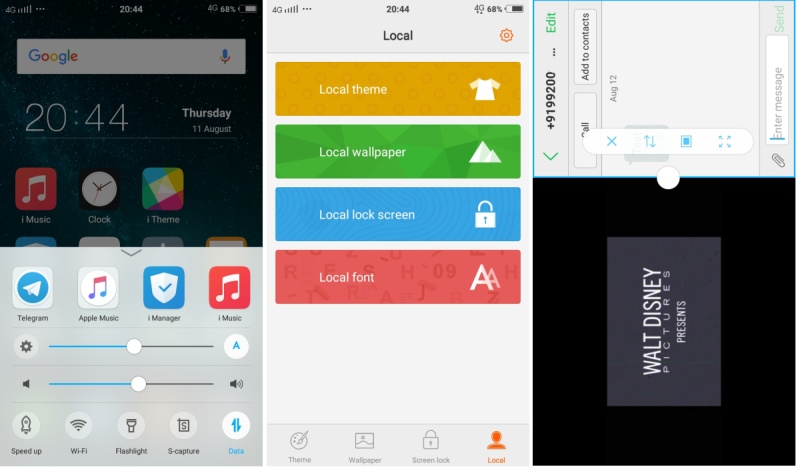
The V3 interface and function, just like Oppo’s ColorOS 3.0, looks like an IOS of Apple to a great extent. However, if you have already been using stock Android phones, then it will take you some time to become addicted to it. The recent app button acts like the menu button and tapping on the homescreen will provide options such as wizet, transition effect and app hiding. Pressing for a long time or swaping from top to bottom will open the app switcher and you can togle between Wi-Fi, Bluetooth etc.


I theme, data monitor and app manager for visual customization such as Vivo’s app, come to the file transfer pre-install using the manager, Wi-Fi direct for their permission. Apart from this, Vivo Cloud is also an option for your bookmarks, messages, contacts and notes. The phone consists of WhatsApp, WeChat, Facebook and WPS office pre-install.

The setting app also has all the new controls like gesture, air operations, which makes the palm active when you get a call. On receiving any alert from a smart multi screen, floating notifications are received and half the screen is seen on the screen. It works only when you are watching a video or Google Play Movies and YouTube full screen mode through a stock player.

Performance
For the first time, the phone’s interface seems to be a little confused but it does this work easily. Multi-tasking is easy and the phone is easily heavy apps and games without any problem. In the benchmark test, we got a good data from the phone. 4G works well on both SIM slots and during the call the earpiece gives a good sound. Vivo V3 is convenient to catch and it is easy to use due to small size. Apart from little heating while playing the game, we did not have the problem of overheating in the phone.


Videos of V3 to 4 capacity can be played but 1080 pixels videos are also not a problem. Our high bighting files also run easily in the phone. Musak player supports flakes and the speaker also provides good audio quality. The headset that comes with the phone is not of very good quality.

The 13 -megapixel rear camera comes with a phase detection autofocus (PDAF), which makes the subject easily locked. Photos are good in daylight and look beautiful on the phone’s display. But there is a little disintegration when zoomed. Macro photographs also saw the same problem and lack of sharpness in the focused subject. To prevent standard photos from appearing dull, it would be better to use HDR mode. The 8 -megapixel front camera given to take a selfie in the phone is good.


The phone can record up to 1080 pixels but the quality average comes only. Video and photos are very bad in low light. The camera app is well designed and has alternatives such as filters, watermarks and touch or voice -trigned capture. The rear camera has many shooting modes such as HDR, Panorama, Night, Professional, Slow-Motion Video and Hyper Laps Video.

The 2550 mAh battery given in the phone does not look very big but due to low screen resolution and not a very powerful processor, it lasted for 11 hours in our video playback. At the same time, after charging once during normal use, we were able to run it for more than a day. This phone does not support fast charging but does not take too long to charge low -capacity battery.


Our decision
The Vivo V3 is a great product but the problem is that many other smartphones are in queue to compete easily. Moto G4 Plus ,Review, Redmi Note 3 ,Review) And Leoco take 2 ,Review)) There are much better specifications in the display, in terms of quality, camera and CPU performance than V3. The V3 feels a little old phone today and it does not attract it despite a new price of Rs 14,980. Apart from this, we are also not fans of the custom Android fork of Vivo, which confuses.

However, the phone’s battery life is good and we also liked the size of the phone. The phone gets good from both the audio performance speaker and headphones.

Smartron T. Phone Review

0

Smartron has launched its next product only a few days after launching the ambitious two-in-one tablet T. Book. Smartron T.phone is for a special type of user. It is a handset with strong specification. The most important thing is that the company has adopted a far -reaching strategy for this.

We have spent some time with this new product (know that Smartron is available at Gadgets 360 exclusively). And the good thing is that it is very different from the product being made by Indian companies for many years. Smartron is trying to do something new in the competition -filled Android smartphone market. Does this startup dare to confront big companies? Let’s know.


Look and design
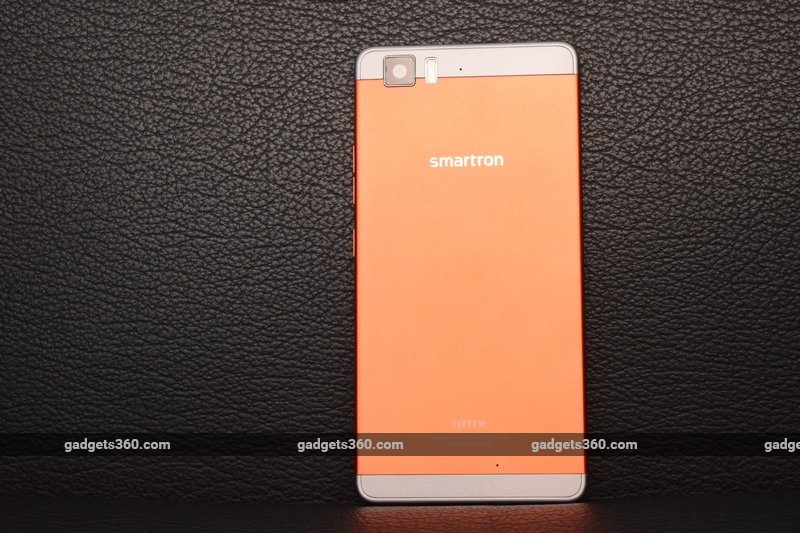
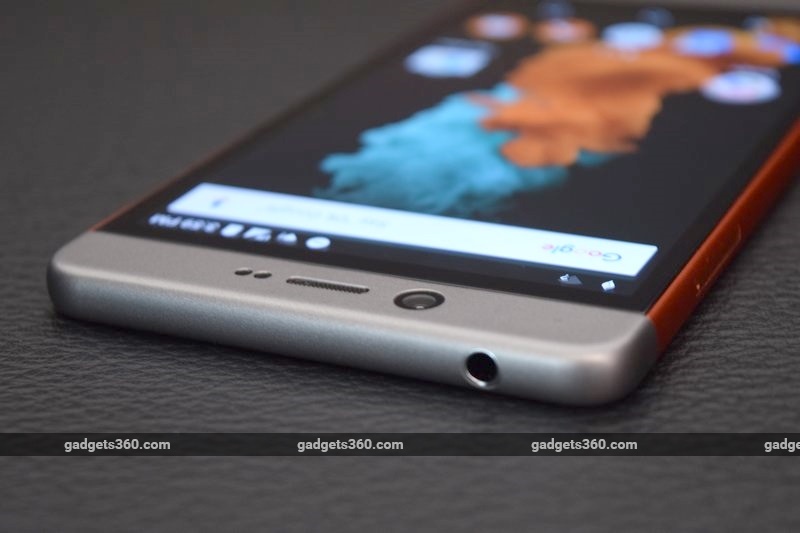
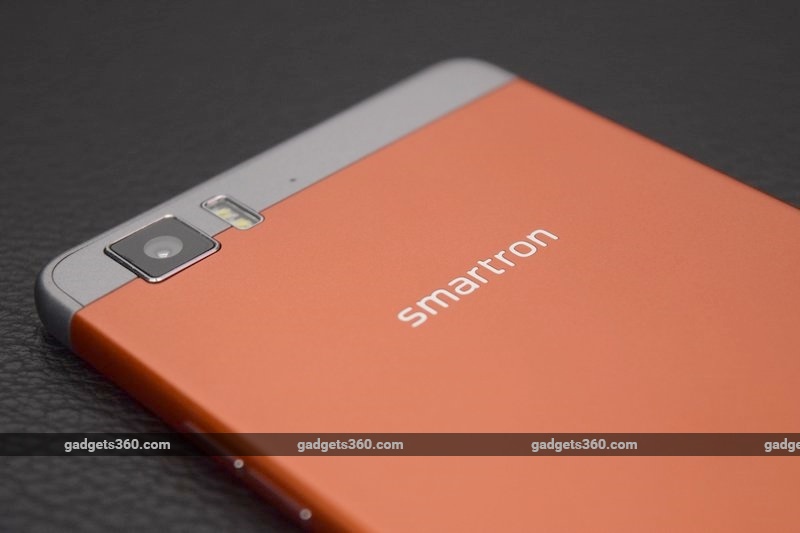
Smartron t.phone It is slightly different in appearance. The rear panel of our review unit was of bright orange color. It is also available in pink, blue and neutral gray color. The top and lower parts of the handset are of unique metallic gray color. In terms of 5.5 inch screen, T.phone gives a feeling of being quite large and weighty. But it is one of the thinnest handsets available in the market. It is not as easy to use this phone with one hand.

You will see a very different looking camera in the top on the front panel. There are also earpieces and several sensors in this part. You will see a small dot on the left side. This is a several color notification LED. There is no fingerprint reader in it. According to Smartron, most companies are not able to fully implement the security criteria and the fingerprint sensor is of no use. T.phone gets a tough look due to a separate design pattern. This is completely different from the phone with a commonly found slicking glass and full-matel body.

Smartron_tphone_new_seide_ndtv

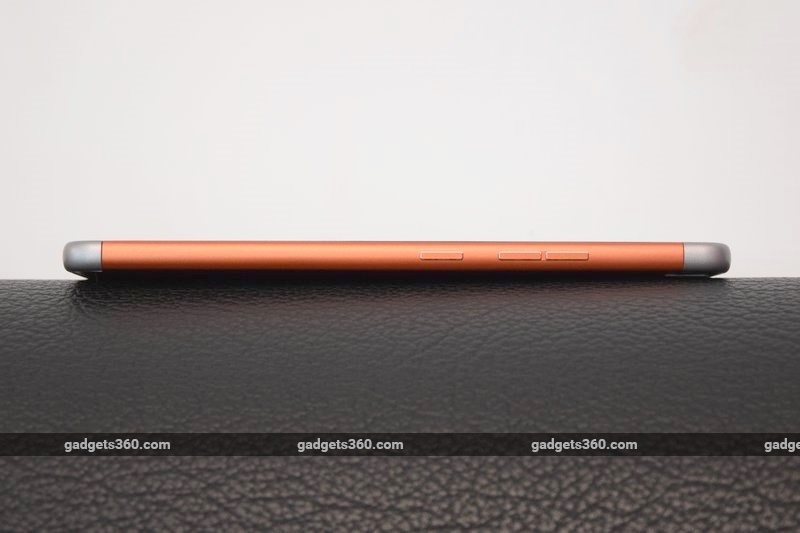
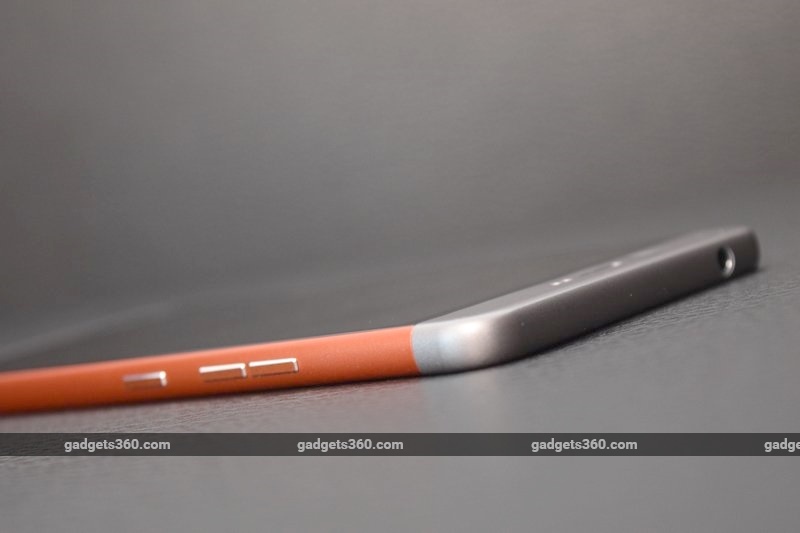
You will see a dual-sim tray on the right side. This means that you have to choose one between the microSD card and the other SIM card. We found its edge slightly worn when the sim tray is taken out. Seeing this, we are not convinced about whether it will be able to stay for a long time. Power and volume buttons are on the right side. It is very easy to reach them. The standard 3.5mm audio jack is at the top. Type-C USB port at the bottom. T.phone comes with quick charger. Type-a to Type-C USB cable, headset and a SIM eject pin will also be available.

Specification and software
While companies are trying to woo more and more customers in a price range of Rs 10,000, Smartron is eyeing customers interested in a little expensive smartphone. Keeping the price in mind, the company has also given powerful features in this handset. T.phone has an Octa-core Snapdragon 810 chipset, which was Qualcomm’s most powerful processor till last year. This processor was criticized due to being hot in the early days. Smartron has reported that it has used the latest revision of this processor. You will get 4 GB RAM and 64 GB inbuilt storage. The screen is 5.5 inches with a resolution of 1080×1920 pixels. Today, expensive smartphones are being given displays with even more resolution. In reality, it does not matter much. There is a protection of Gorilla Glass 3 on the display.

smartron_tphone_new_rear_ndtv

The rear camera has a 13 -megapixel sensor. It is accompanied by dual-LED flash and phase detection autofocus features. You will be able to record videos of 4K resolution from it. The 4 -megapixel sensor of the front camera has also claimed to have a great selfie in the dark. The contribution of inlarged pixels behind this is to a large extent it is like HTC’s ultraPixel camera. T.phone has four microphones about which the company says that with their help the voice resonates less and the background noys also decreases.

Smartron has a 3000 mAh battery. This phone supports Quick Charging 2.0. You will be able to use microSD cards up to 128 GB. Wi-Fi 802.11 AC, Bluetooth 4.0, A-GPS and FM Radio are part of this handset. You will not get fingerprint reader, infrared or NFC.

Smartron_tphone_new_top_ndtv

T. Phone comes with Android 6.0.1 Marshmallow. The good thing is that Smartron has already started talking about Android N update. In this handset, you will also get some small customization options.

You will get your TronX app of Smartron. We had a glimpse of this first in T.Buk. Here you will be able to buy smartron products and accessories.

Performance
As expected, we have no complaint with the general performance of this smartphone. The screen is fine, but the color should be more vibrant. The surprising thing is that the option of the Acharytive display is present in the Settings app and it is off in default mode. If it really improves the display and reduces battery consumption, it should have been turned on in the default. T. Phone has DTS premium sound innience. Its help brings a very clear sound, but it does not give a loud voice as expected. We are not satisfied with the quality of the headset given with it and we will not use it to listen to the song.

While recording the video, while using LTE data, we felt a slightly warmer camera lens on the rear part and the handset near the earpiece in the front. The phone remained cold during all the work. UI gives a lot of response.

/Smartron_tphone_new_buttons_ndtv

The benchmark results point to good performance. Games with heavy graphics also run easily. In our video loop test, the phone battery lasted for 11 hours 10 minutes. After using 4G data for some time a day and playing the game, its battery lasted easily for a day.

When we turned on T. Phone for the first time and tried to setup, the camera app disappointed us the most. There was no mode in it and there is no creative tool. We also had to open the menu to switch between the front and the rear camera. We got three -page options for the option. Flash was found at the third level of the togle menu.

Many times the app took a few seconds to store the picture and due to this there was a slight delay in taking the next picture. In such a situation, it is not possible to take constant pictures. All these problems were overcome by using the second camera app, but autofocus continued to work strangely after that.

smartron_tphone_new_camera_ndtv

Talking to Smartron, we came to know that the update for this app has been released. But we found that it was not available on the phone’s firmware update tool or Google Play. We could get it through manual updates. The version of the new app is 2.1. The camera app has been completely replaced in this version.

While taking the photo, there was a problem of focus in the camera app several times, especially in low light. Usually, it took longer to lock the focus after tapping on the screen. But when we took the picture by giving time, she came well. The pictures were found to be seen in full size that there was a huge shortage of texture and details. There was more difficulty in autofocus at night. Photos taken from the front camera were disappointing.

Our decision
Smartron has stressed that T.phone has been made keeping India in mind. We also want the domestic company to earn a name in the international market. There are many things to be liked in T.phone. The best thing is that the company has tried to give something different by not being a part of the emergency of smartphone companies. The price is aggressive, especially if it looks at its specification and feature. However, many people are also satisfied with the capacity of cheap phones.

Battery life is the most important feature of T.phone. Had there been a facility to give convenience like fingerprint reader, it would have been better. We also have high expectations from the company’s TronX service. Smartron will have to work on improving the out of box experience for its customers. The new camera app has solved our problem, but what is the benefit of such updates when the user has to struggle a lot to get it. The Snapdragon 820 processor made with better finish is available in this price range equipped with 820 processor, but we hope that there is no shortage of T. Phone’s fans. This is a strong offer from a new ambitious company and we will definitely keep an eye on Smartron’s next step.

First glimpse of Coolpad Mega 2.5D

0

Coolpad has introduced its fifth smartphone Mega 2.5D in India after launching Note 3, Note 3 Light, Note 3 Plus and Max Handset. Through this handset, the company is trying to woo young consumers who are selfie crazy.

Speaking to Gadgets 360, CEO of Coolpad India Syed Tajuddin said that the company aims to get a 13-15 per cent stake in the smartphone market priced below Rs 8,000. He also confirmed that the first batch of coolpad mega 2.5D would come from China. After this, the handset will be built under the ‘Make in India’ program in India itself. At the launch event held in New Delhi, we spent some time with Mega 2.5D. How did we like this smartphone at first glance? Let us tell you.

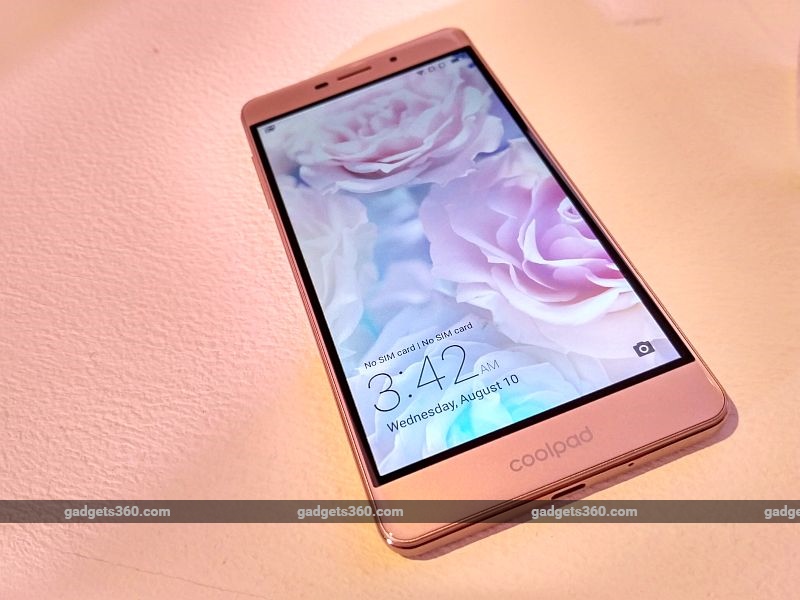
Coolpad Mega 2.5D A smartphone with a full-metal body is seen, while it is only the frame of metal. It gives a feeling of being strong, but it is not easy to use it with one hand due to a 5.5 -inch display. We had difficulty in reaching the notification shed with one hand while using mega 2.5D. Apart from this, it gives a feeling of being very sharp in the hands due to not being curved on the edge. The weight of 140 grams is low in view of its size.

Coolpad Mega 25D Power Button Gadgets360

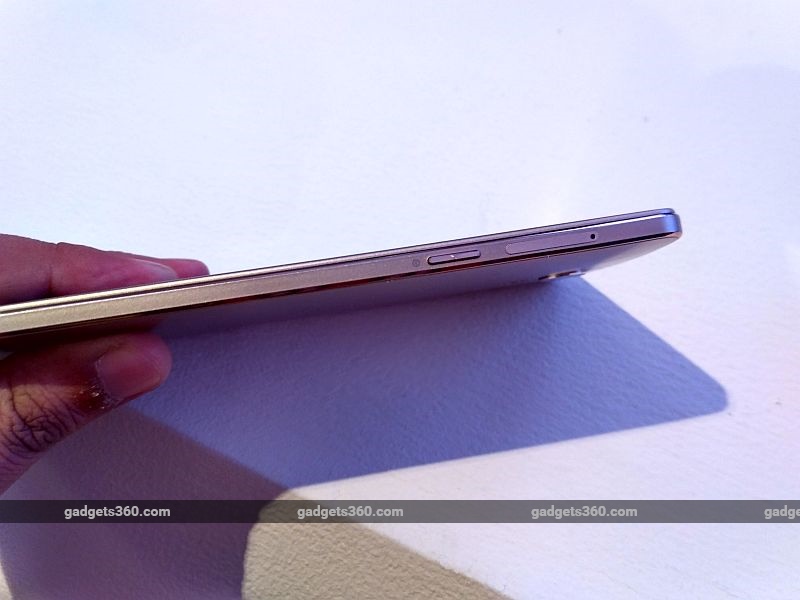
Power buttons are on the right side. This cannot be easily accessible. The volume buttons are on the left side. The audio jack is in the upper part and the micro-USB port and the microphone at the bottom. The brand of coolpad is present under the display on the front panel.

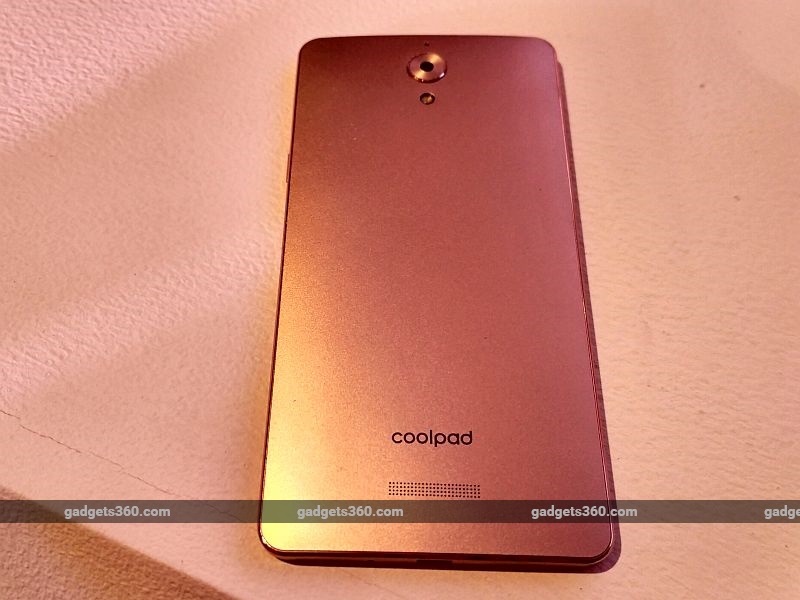
The rear panel of coolpad mega 2.5D is very clean. The rear panel has a primary camera with LED flash. Speaker grills are provided with branding of coolpad at the bottom.

The 5.5 -inch HD (720×1280 pixels) is the pixel density of the IPS display 294 PPI. It is clear from the name itself, 2.5D curved glass is given in the front of it. During the use we found that its display was sharp but the black levels were not very good. The viewing angles were fine.

coolpad_mega_25d_screen_gadgets360

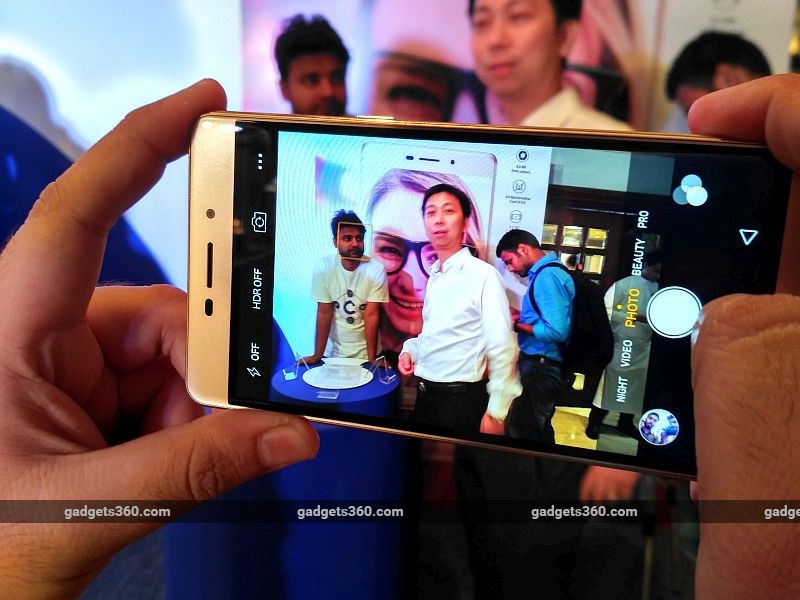
The important feature of Coolpad Mega 2.5D is an 8 -megapixel front camera, which the company is presenting by exaggerating. The sensor of the front camera is F/2.2 aperture and is equipped with a field of view of 83.6 degrees. The handset also has an 8 -megapixel rear camera with Sony sensor. The camera app has features like smart beautification and age detection. Apart from night, beauty and pro mode, it has photos and video modes.
coolpad_mega_25d_camera_app_gadgets360

In a short time spent with coolpad mega 2.5D, we found that the pictures taken from the rear camera were crisp in the appropriate light. However, some of them lacked details. Photos taken from the front camera were vibrant. Pictures taken from front camera in low light came better than the rear camera. However, these were also slightly blurred and the lack of details was clearly visible. For the performance of the camera, you have to wait for our review.
coolpad_mega_25d_camera_gadgets360

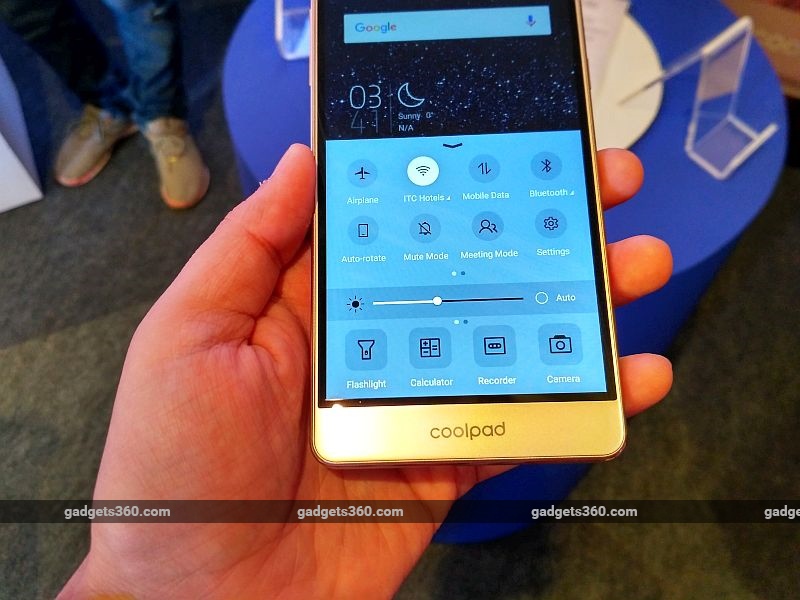
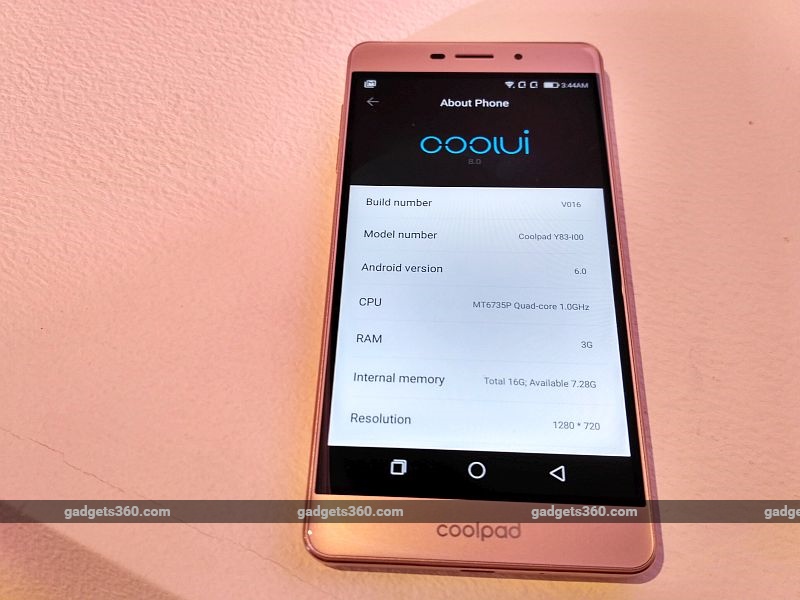
This phone comes with the company’s cooluI 8.0 skin based on Android 6.0 Marshmallow. It is very customized. You will not get an app drawer. The icons of all apps are divided into three home screens. The company has told about the ‘Screenshot 2.0’ tool. With this help, users will be able to take screenshots from three fingers gas students. Coolpad Maga 2.5D uses 3 GB RAM with 1 GHz quad-core MediaTek MT 6735P processor. Inbuilt storage is 16 GB and users will also be able to use 32 GB microSD card. In a short time we spent with the phone, we found that it works fast. There was no problem in going between one app to another. However, we will give the final decision on the performance and software of Coolpad Mega 2.5D.
Coolpad_mega_25D_QUCK_SETTINS_GADGETS360

The smartphone has a 2500 mAh battery. It has been claimed to give talk time of up to 9 hours and standby time of up to 200 hours. The phone supports 4G LTE.

Last idea
Coolpad Mega 2.5D is a good package for Rs 6,999. However, the quad-core MediaTek MT6735P processor looks less powerful according to this price range. This phone will be available through flash cell. In such a situation, it will be fun to see how much is the demand for this phone?

coolpad_mega_25d_settings_gadgets360

The option of coolpad mega 2.5D for customers also contains Xiaomi Redmi 3S. Its price is also Rs 6,999 and it comes with a metal body and 4100 mAh battery.

Xiaomi Redmi 3s Prime Review in Hindi, Xiaomi Redmi 3S Prime Review

0

There is tremendous competition in the price range of Rs 10,000 in the mobile market. This is because the launch of a handset with great specifications. This year has been excellent for Indian customers who want to buy budget phones. Because there is a race to give maximum features in less money among companies.

Xiaomi Has made a good hold in the Indian market. Redmi Note 3 ,Review) And Me max ,ReviewAfter the success of the company, this company has now introduced smartphones worth less than Rs 10,000 with the intention of increasing its share in the smartphone market. We are talking Xiaomi Redmi 3S And Xiaomi Redmi 3S Prime of. Both phones come with the label of ‘Made in India’. Since coming to the Indian market, Xiaomi has been identified to introduce a phone with great specifications at an affordable price. The company has also tried to re -capital on the same hit formula through the new handset.


Both variants of Redmi 3S are equipped with full-matel body and come with large batteries. We got a chance to review the Redmi 3S Prime which comes with more RAM, more storage and fingerprint sensor. Is the Redmi 3S prime a profitable deal, or is this handset only a variant of the Redmi Note 3. Explains this in detail through review.
Look and design
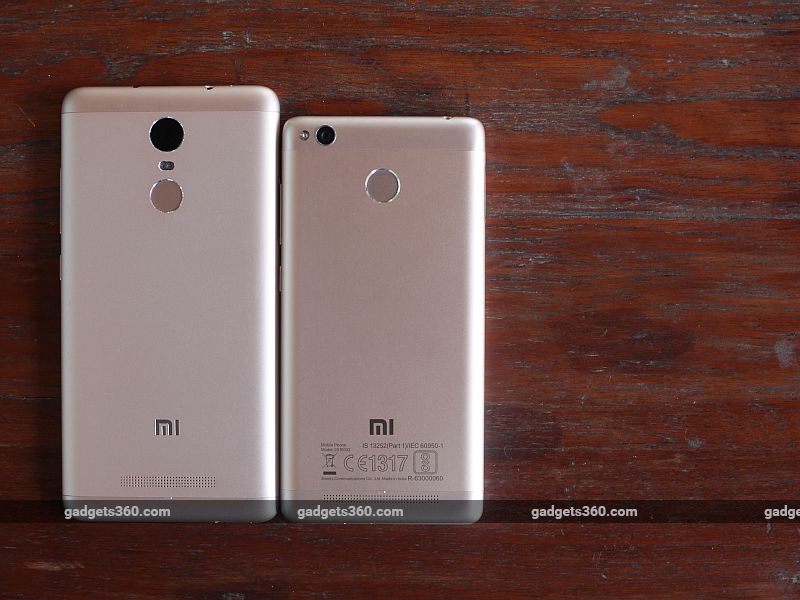
When we saw Xiaomi Redmi 3S Prime, it appeared at first glance the mini variant of Redmi 3. Most of Xiaomi’s phones are now looking the same. Through this, the company is trying to maintain symmetry in its product portfolio. A few years ago Samsung adopted the same strategy with its Galaxy smartphone. We have not been a fan of this gameplan.

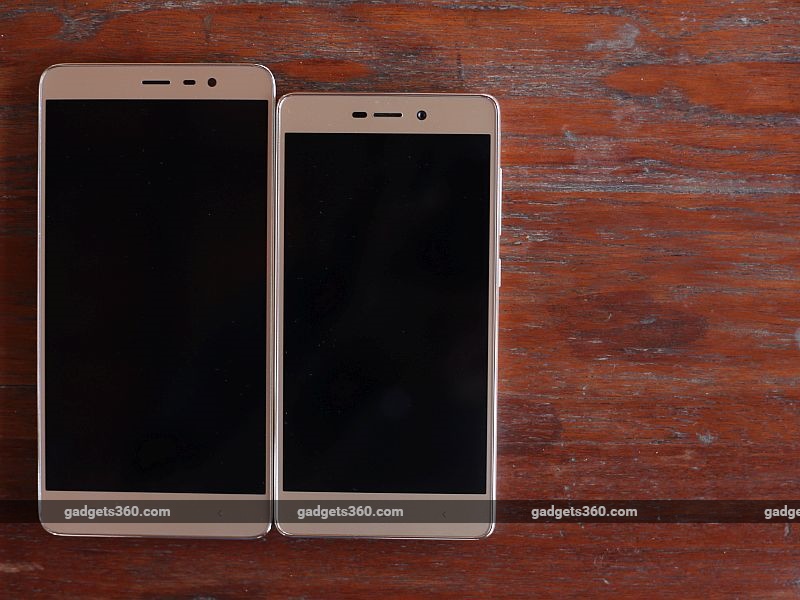
Xiaomi_redmi_3s_prime_compare_redmi_Note3_gadgets360

The front panel of Redmi 3S Prime is almost similar to Xiaomi Redmi Note 3, but it contains the sensor above the display. You will get capacitive home, back and recent buttons. They are present under the display. The sensors and front cameras are on either side of the earpiece. To a large extent, this phone appears inspired by Xiaomi Mi Max which is equipped with a 6.44 inch display. However, the thickness of the Redmi 3S Prime is 8.5 millimeters while the premium mi max comes with a thickness of 7.55 mm.

LED flash with primary camera is present on the rear panel. Both are given a place in the right side. There is a fingerprint sensor in the middle on the backpanel. The rear panel has a thin line from top to bottom. It was also seen in the Redmi Note 3 and Mi Max.

Xiaomi_redmi_3s_prime_sides_slot_gadgets360

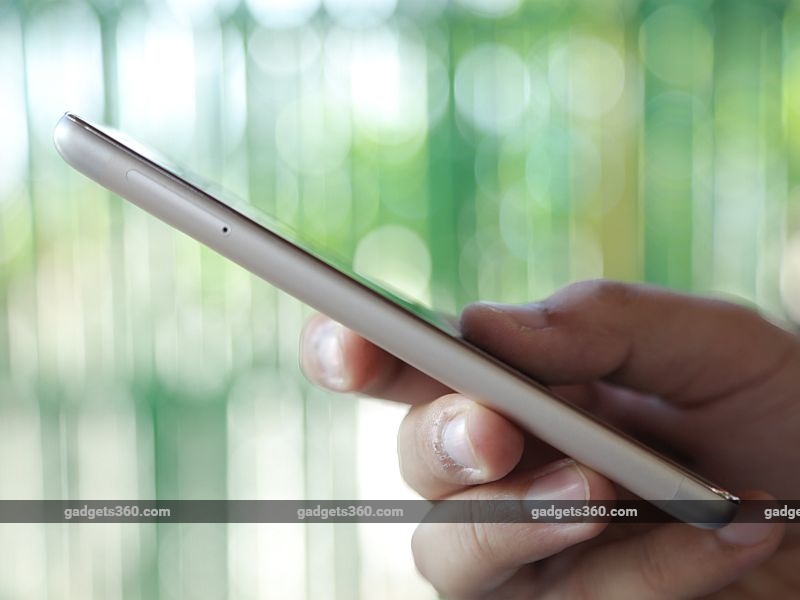
The speakers are at the bottom of the grill phone. The volume and power buttons are given on the right side, while the hybrid sim slots are given on the right side.

It has an infrared emitter and 3.5mm audio jack on top. The lower back is a standard micro-USB port and also a microphone. Redmi 3S Prime is a metal body phone. It gives a feeling of premium in its price. It weighs 144 grams. This weight is high for a budget device. But it is easy to catch it due to the curved edge. The reason for overweight is the big battery present in the smartphone.

The main difference between Xiaomi Redmi 3S and Redmi 3S Prime is of fingerprint scanner. It is easy to reach the fingerprint sensor behind the handset with one hand. During the review, we did not have difficulty in unlocking this device. Due to a 5 -inch screen, it is easy to use this phone with one hand, we did the same during the review. We found that typing was very easy.

The Xiaomi Redmi 3S Prime comes with a power adapter, a SIM easeer tool and a instruction book. Like Redmi Note 3, you will not get earphones with Redmi 3S Prime. This will disappoint many users.

Specification and software
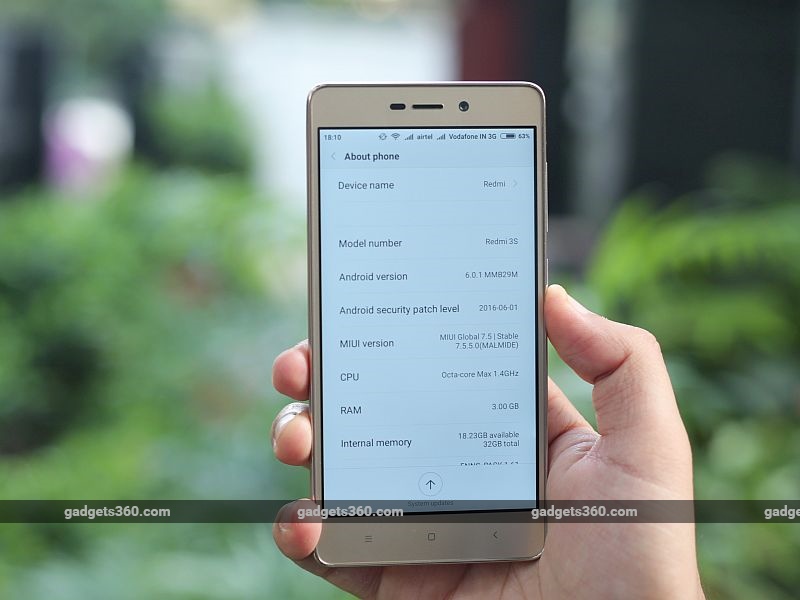
The octa-core Qualcomm Snapdragon 430 processor has been used in Redmi 3S and Redmi 3S Prime. Four core gives a clock speed of 1.1 GHz and the remaining four core of 1.4 GHz. Adreno 505 GPU is integrated for graphics. In addition to the fingerprint sensor, the difference between Xiaomi Redmi 3S and Redmi 3S Prime is of storage and RAM. The Redmi 3S handset comes with 2 GB of RAM and 16 GB inbuilt storage. At the same time, Redmi 3S Prime has 3 GB RAM and inbuilt storage is 32 GB.

Xiaomi_redmi_3s_prime_Settings_gadgets360

During the launch, Xiaomi India claimed that Redmi 3S and Redmi 3S Prime are the first smartphones to be sold in India equipped with new Snapdragon 430 chipset. MicroSD cards up to 128 GB can be used in both models.

The handset has a 5 -inch IPS display with a resolution of 720×1280 pixels. The screen of the given review unit was vibrant. Xiaomi’s sunlight display hardware feature which was part of the Redmi Note 3 is not present in this smartphone. If this feature had been present, it would have been easier to read on the screen of this handset in sunlight. The brightness level of the Redmi 3S Prime is good and the colors have never appeared more saturated. The viewing angles are good. On most occasions, the display was quite sharp and produced the accurate color.

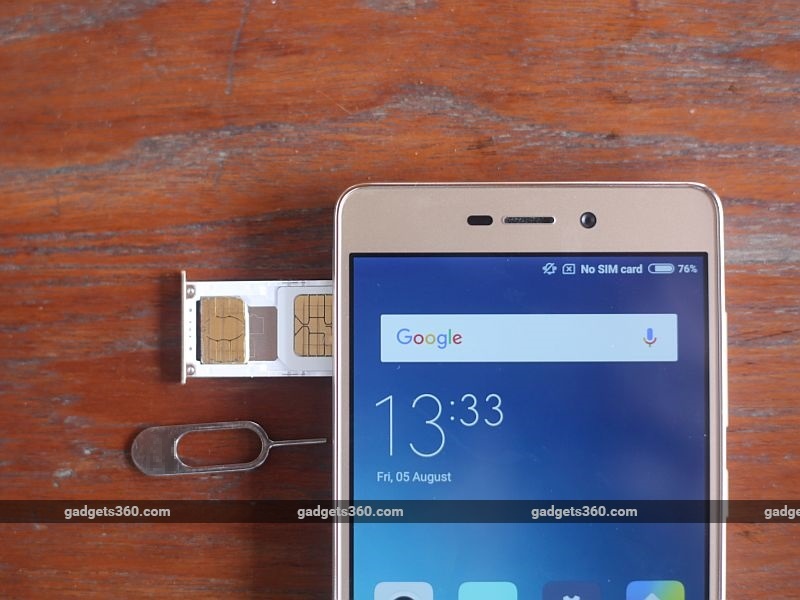
Xiaomi_redmi_3s_prime_sim_gadgets360

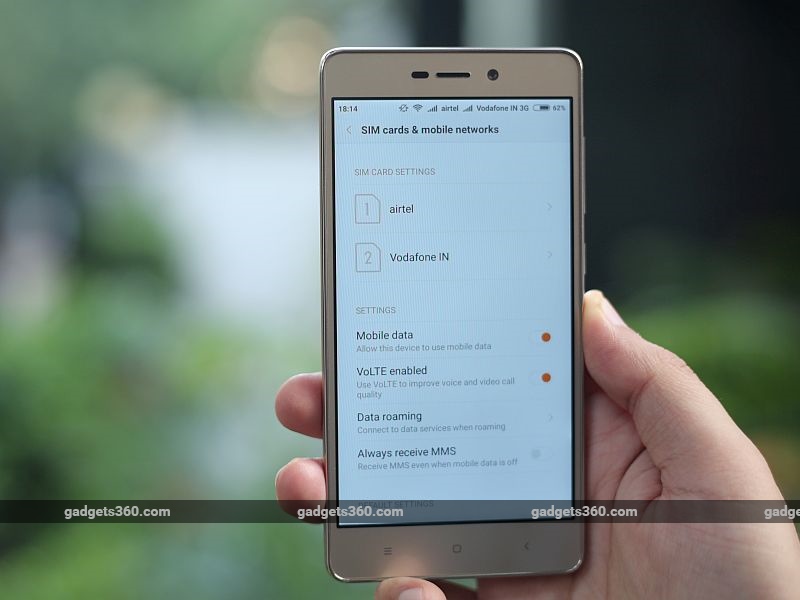
In terms of connectivity, Voice over LTE, 4G, Wi-Fi 802.11 b/g/n, Bluetooth, GPS/A-GPS, Glonas and Micro-USB features have been given in the Redmi 3S Prime (Redmi 3S). Redmi 3S Prime supports all LTE bands being used in India. Xiaomi has stated that the primary SIM card will support 4G and the second SIM will support only 3G when using two SIM cards simultaneously in the handset.

The 4100 mAh battery of Redmi 3S Prime is another noticeable feature. It has a 13 -megapixel rear camera equipped with Faze Detection Autofocus, F/2.0 aperture, HDR mode, 1080 pixels video recording and LED flash. You will get a 5 megapixel front camera. It is also possible to record videos of 1080 pixels resolution.

The smartphone will run on MUI 7.5 based on Android 6.0.1 Marshmallow. This is an updated version of the device coming with the OS Redmi Note 3. Sadly, you will not get many features like Android Marshmallow’s Now on Tap. It is expected that the company will release these features with the next update.
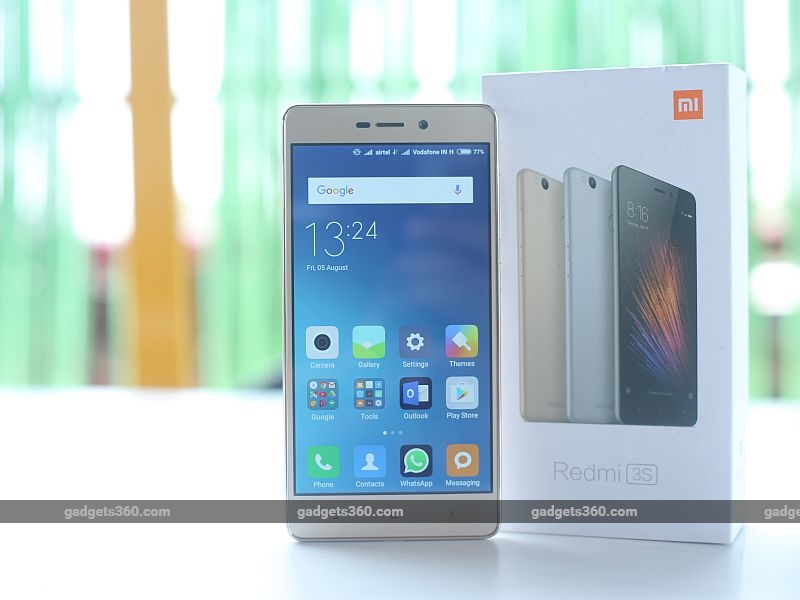
Xiaomi_redmi_3s_prime_front_box_gadgets360

During the review we found that it is easy to use Redmi 3S Prime with one hand. The company plans to upgrade MIUI 8 to Redmi 3S Prime.

Performance
Xiaomi Redmi 3S Prime works as a standard in its price range. We did not face any problem on multitasking on this handset. No frame rate dropped even after playing games like dead trigger.

The apps loaded rapidly and the screen reacted to touching each time. We only faced a problem. The handset was sometimes restarted during the benchmark test. The same happened with the Redmi Note 3. It did not heat up while charging the phone. However, the phone was a bit hot while using the camera app. But it is not so much that there is difficulty in using the phone. We had no problem talking on the phone for a long time.

Xiaomi_redmi_3s_prime_sim_settings_gadgets360

We also tried to use the fingerprint scanner of Redmi 3S Prime with wet hands. The scanner did his job well. We also wooed us the ability to rapidly identify fingers mark by the fingerprint scanner of this handset.

The quality of voice coming from the speaker on the rear part of the handset was good. But it becomes flat on more volumes.

With the help of 3 GB RAM, you can easily do most of the work. No matter how many apps you keep open at one time, 800 MB RAM is always available for the rest of the work. Redmi 3S Prime gave the results in the benchmark test.

Camera
The camera of Xiaomi Redmi Prime took sharp pictures. There was also no shortage of details in them. In good light, the pictures inside the house were quite spectacular. There was not much noise among them. The pictures taken in low light were a little washed out. However, some shortcomings were removed as soon as HDR mode was run. We had no problem in locking the focus.


It is possible to record videos of 1080 pixels resolution from the rear camera. It also has a time-laps video feature. The Redmi 3S Prime also has a manual camera mode. Here you can change white balance and ISO.

We were successful in taking good selfies with a 5 -megapixel front camera. It also has a face recognition feature which starts working as soon as the face is seen in the frame.

battery life
The 4100 mAh battery in Redmi 3S Prime lasted for 14 hours 50 minutes in our video loop test which is excellent. The Redmi 3S Prime has surpassed the Redmi Note 3 in this case, whose battery video lasted for about 12 hours in the loop test. This is due to a low resolution display. Despite being used too much, the Redmi 3S Prime battery lasted easily for a day. At the end of the day, about 20 percent of the power was left.

Xiaomi_redmi_3s_prime_charger_gadgets360

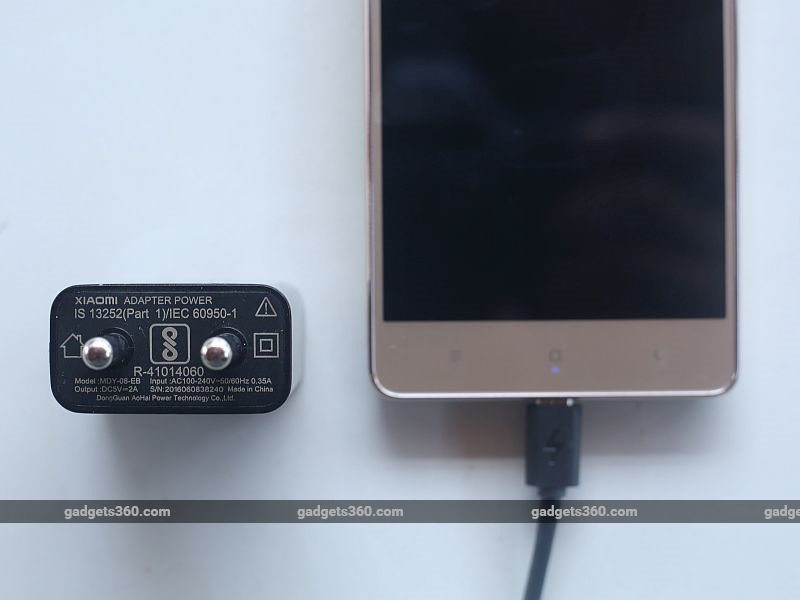
Xiaomi claims that the charger given with it will rapidly charge the handset battery. We found that this charger took about 2 hours to charge the handset battery from zero to 100 percent.

We faced some problems in the software. For example, after giving all the necessary honor, we did not get the alerts of NDTV and Gadgets 360 apps. While this does not happen with other handsets.

Our decision
The Xiaomi Redmi 3S prime of Rs 8,999 brings a lot of new to the common user. Its metal body gives a feeling of premium. Users can easily use the handset for a day on the basis of 4100 mAh battery. The 3 GB RAM ensures that the user has no problem in multitasking.

Xiaomi_redmi_3s_prime_rear_Redmi_Redmi_Note3_gadgets360

As a package, this smartphone makes its presence in the price range of Rs 10,000. Many users will also like not having a 5.5 -inch display in this handset. It is easy to use it with one hand. As an alternative to Xiaomi Redmi 3S Prime, users can buy Asus Zenfone Max (2016) which is available at this price. If you want a big screen and better performance, then Xiaomi Redmi Note 3 is the option for you. However, its price is slightly higher.

Gionee Marathon M5 Plus review

0

China’s handset manufacturer Gionee has tried to give himself a new avatar. The logo has been changed and now the company’s tagline is, ‘Make Smiles’. This change is very important for the company. Gionee Marathon M5 Plus The company has the first product available in India with new people. The most important feature of the company’s marathon series has also been retained in this smartphone. Yes, we are talking about the battery. The funny thing is that launched last year Marathon M5 Despite being a plus variant, this handset has a small battery. Has Gionee tried to do something new this time by not relying on the battery through M5 Plus? Will the marathon M5 Plus be able to beat your rivals? Let’s know.

Look and design
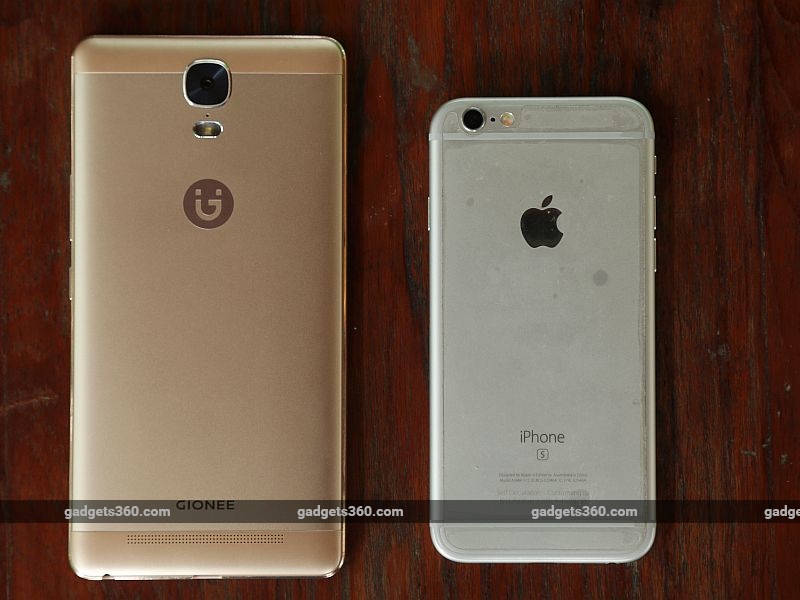
Seeing the M5 Plus from a distance, it looks very strong and along with a completely metal body phone. This is not the case in reality. Gionee Marathon is the M5 Plus frame metal, but despite this, it gives a strong feeling when kept in hands. It is 8.4 millimeters of slim compared to the 8.6 millimeter thickness of the marathon M5. Sadly, despite being thinner, both have only 211 grams of weight. If the Xiaomi Mi Max (Review) is noticed, then this phone, which comes with a 6.44 inch display, weighs 203 grams.

The marathon M5 Plus has a 6-inch full-HD (1080×1920 pixels) AMOLED display. Its pixel density is 480 PPI which means that photos and text will be quite sharp. The display is quite bright and color production is also good. There is not much difficulty in reading anything on the display in sunlight.

gionee_marathon_m5_plus_rear

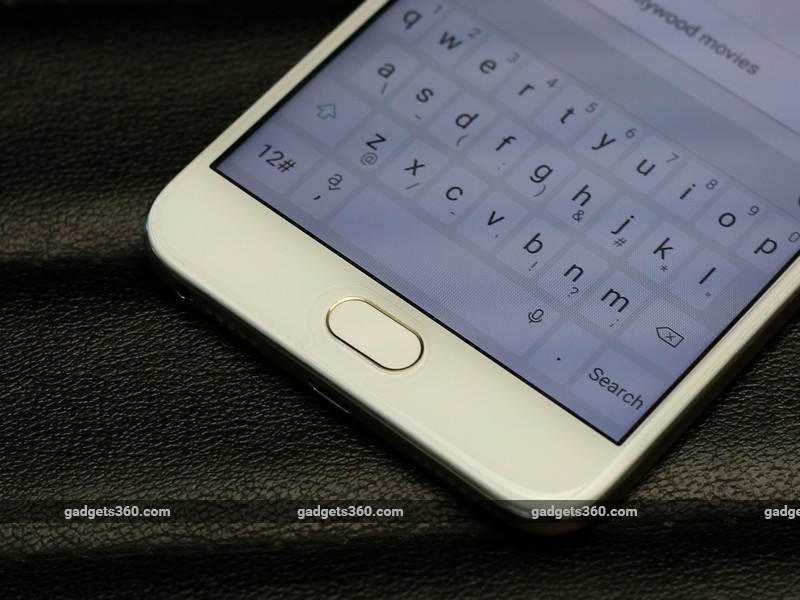
Despite the price of Rs 25,000, the Marathon M5 Plus does not have the Corning Gorilla Glass or Asahi Glass Protection. The physical home button has a fingerprint scanner. It is easy to use it by placing the phone in one hand. The front camera is at the top on the right, next to the earpiece.

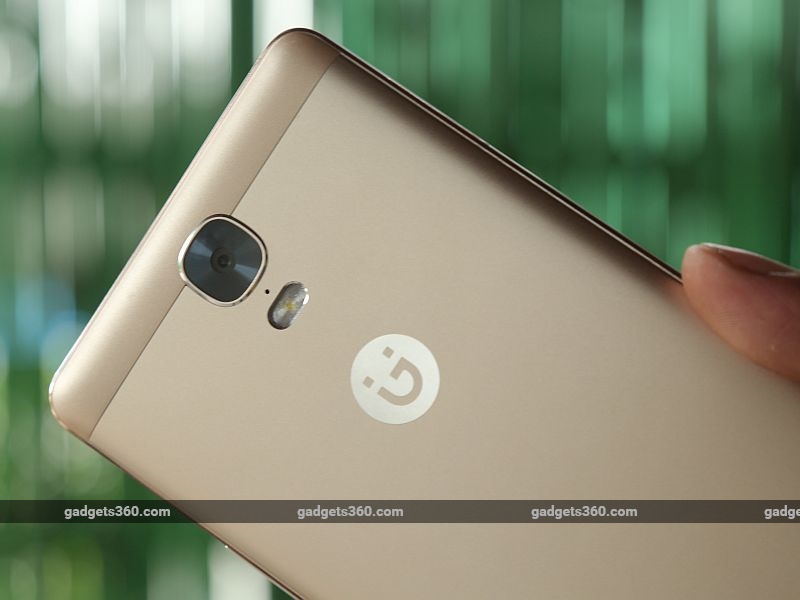
Primary camera and LED flash are present on the rear part. The new Gionee logo is in the middle of the rear panel. Text Gionee has also written on the company speaker grill, probably the company is not fully convinced about its identity with new people. The dual-sim tray is on the left and microSD tray right side. The M5 Plus has two micro-SIMs. The USB is at the bottom of the Type-C port and the 3.5mm jack phone.

Overall, the marathon M5 Plus gives a feeling of being stronger than its many rivals. Users who like watching videos and playing games will like a 6 -inch screen. Sometimes it is not easy to use it in one hand due to large displays and weight. We also want the back and recent buttons to be backlit so that they are easy to use.

Specification and software
The marathon M5 uses a quad-core MediaTek MT6735 chipset, while the Marathon M5 Plus has a 1.3 GHz MT6753 processor with a 1.3 GHz clock speed. It is present with 3 GB RAM. Inbuilt storage is 64 GB which users will be able to increase through microSD card up to 128 GB. There is no change in the RAM compared to the marathon M5, but the storage has been increased.

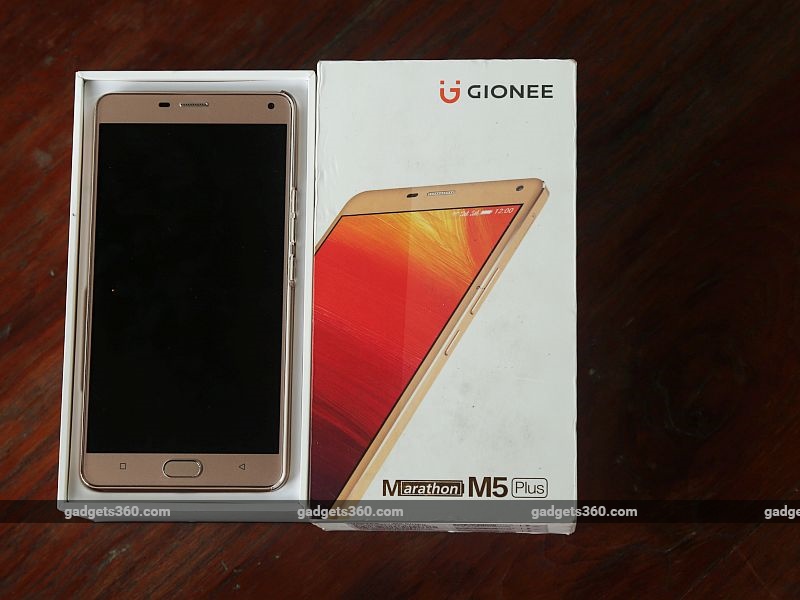
gionee_marathon_m5_plus_box_gadgets360

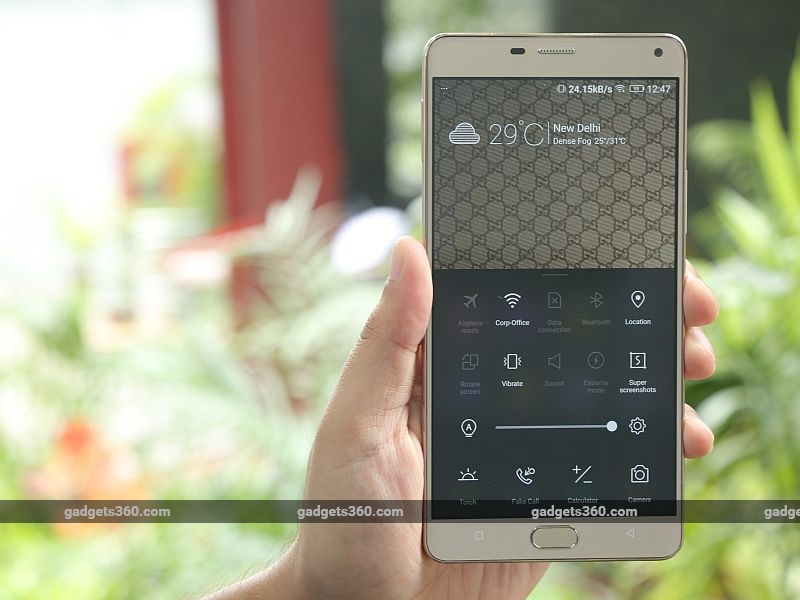
Talking about the software, the marathon M5 Plus runs on the Amigo 3.1 skin based on Android 5.1 Lollipop. It is quite old. It took us some time to meet the software of the marathon M5 Plus. Some shocking changes have been made, such as the absence of a togle switch in the dropdown notification shed. To reach the shortcuts of functions such as airplane mode, Wi-Fi, cellular data, Bluetooth, GPA, screen rotation, the user must swipe the upper side on the handset screen.
gionee_marathon_m5_plus_quick_panel_gadgets360

Many apps of Gionee will be installed in advance. The marathon M5 Plus has two home screens with several types of apps. Gionee has used UC browser in this handset, which is quite clean and easy to use. It also has a system manager app that comes with RAM cleaner, cache cleaner, app manager, app freezer, power manager and eco mode.

It also has two power saving mode. We felt the extreme mode of use, especially when our phone’s battery was reduced during review.

Performance
The biggest change in Android phones is about RAM. With its help, multitasking becomes easier. We got to see the marathon M5 Plus. Despite running about two dozen apps in the background, this phone never stopped. However, we had some difficulty in using the UC browser app. The Jestore and Mood Wallpapers app crashed many times which was disappointing. But the update for the handset during the review was removed from this deficiency.

Generally, 1 GB of RAM remains free in the marathon M5 Plus. Even though it runs on the old Android version, with the help of Amigo UI Customization you will be able to keep an eye on the app that are consumed by data and other resorts.

Talking about gaming, M5 Plus easily played a game with heavy graphics. The call quality was also good. The fingerprint reader on the home screen also gave good response. One thing to keep in mind that if your fingers are wet then this fingerprint scanner will not work.

Gionee Marathon M5 Plus benchmark figures were not extremely spectacular. Overall, the performance of the marathon M5 Plus can be called fine. But given the price, we expected better results. Sometimes it takes some time to start some apps that bother. This price does not justify the price right from anywhere.

gionee_marathon_m5_plus_camera_sample_day-thumb
The Gionee Marathon M5 Plus has a 13 -megapixel autofocus rear camera and a 5 -megapixel front camera is present. The camera app works fast. As a user, you will have many features in the camera app. It is a matter of regret that the phone has not been given Pro mode like the marathon M5.

The rear camera took good pictures, especially in terms of color. However, there was a problem of over-sequence in a lot of light. Outdoor shots looked good on the phone’s screen, but they saw the lack of details after zoom in.

gionee_marathon_m5_plus_camera_sample_2-thumb

We were able to take fine pictures in the appropriate light with a 5 megapixel front camera. Pictures taken in low light were high in noise. We want its camera to have the ability to capture slow motion video. But support is not available for this.

battery life
Marathon M5 Plus Company’s old handset in battery life test Marathon M4 He managed to defeat, but lagged behind the marathon M5 with a big battery. Its 5020 mAh battery lasted for 21 hours and 52 minutes in our video loop test. The phone battery lasted for about three days without recharging in common use.

gionee_marathon_m5_plus_compare_shot_gadgets360

The phone has a USB Type-C port and it is possible to charge it faster than the M5. It took about 3 hours to charge the handset’s battery from zero to 100 per cent, which looks right given the big battery.

Our decision
The Gionee Marathon M5 Plus of Rs 26,999 is better than the marathon M5 (review), even if it has a small battery. However, the price looks more, but the consumer fingerprint sensors and the USB Type C port are willing to loosen their pockets and loosening.

If you talk about battery life, then the marathon M5 Plus manages to defeat the second phone of its price range easily. The most important feature of this phone is the battery life. If the entire experience is taken into consideration, the marathon M5 Plus of its price range OnePlus 3 ,Review) And Xiaomi Mi 5 ,Review) Like not able to challenge the popular phone.

Oppo F1s Review in Hindi, Oppo F1S review

0

Oppo earlier this year in India its camera focus F series in India Introduced Was done The first smartphone of this Seraj Oppo F1 ,Review) Was. Soon after this, the company called the phone with more premium specification F1 plus Launched Oppo is marketing its new series, especially in offline retail channel.

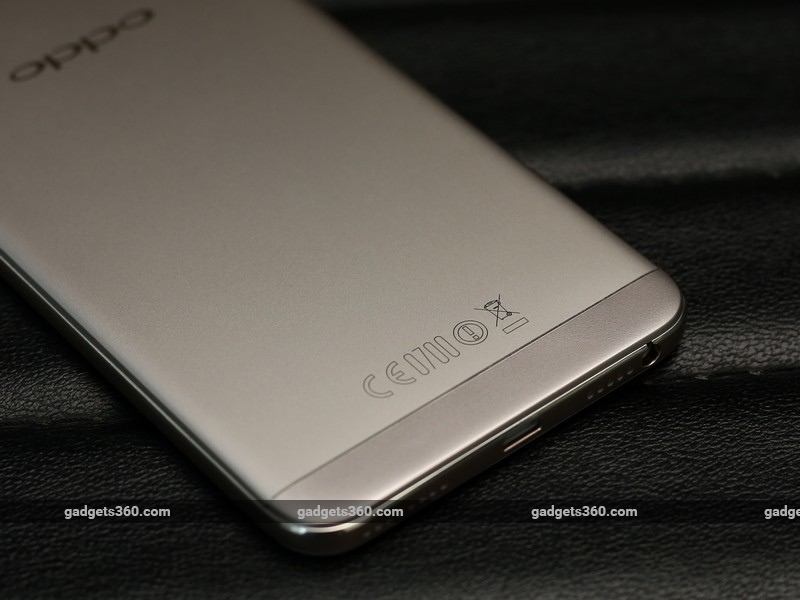
It has been more than six months since Oppo F1 launched. And to compete the company in design and feature Oppo F1S For example, there was a lot of need to introduce an upgraded phone. However, like the previous smartphone, this phone also has a focus on front camera. Today we will know all the characteristics and shortcomings of this smartphone in the review of this smartphone.


Design and look
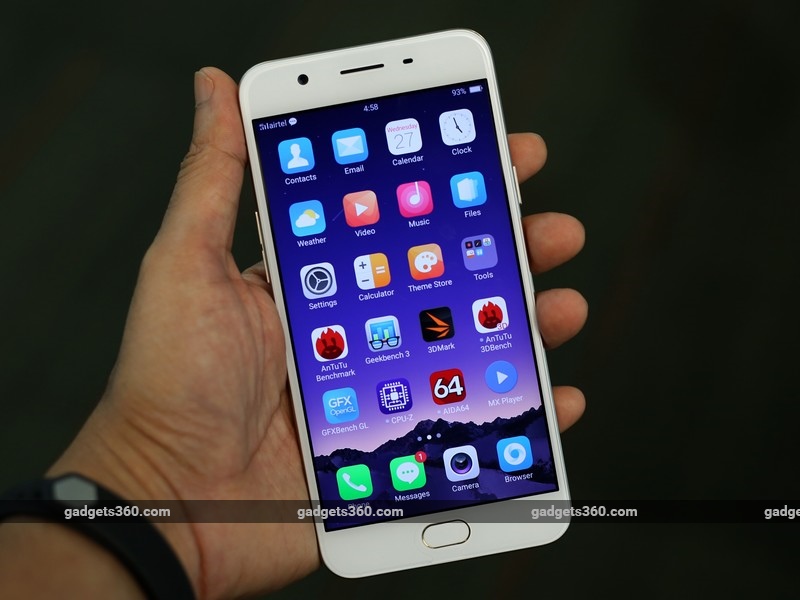
If you keep the F1S and F1 Plus together, then it will be very difficult to differentiate them because both phones look very similar. On holding the F1S in hand, the curved edge of the display gives a good feeling and its slim bezel makes it a stylish smartphone. The phone already has a screen guard installed on which scratches are scratched very quickly. We feel that it could be removed by giving Gorilla Glass 4 for safety.

The 5.5 inch IPS display given in Oppo F1S is quite rich color produce. And the screen at the maximum brightness level is much better than the Oppo F1. We did not see any problem with the display even in direct sunlight. Although the display panel is good but we are not happy with HD resolution which is quite low for this screen size.


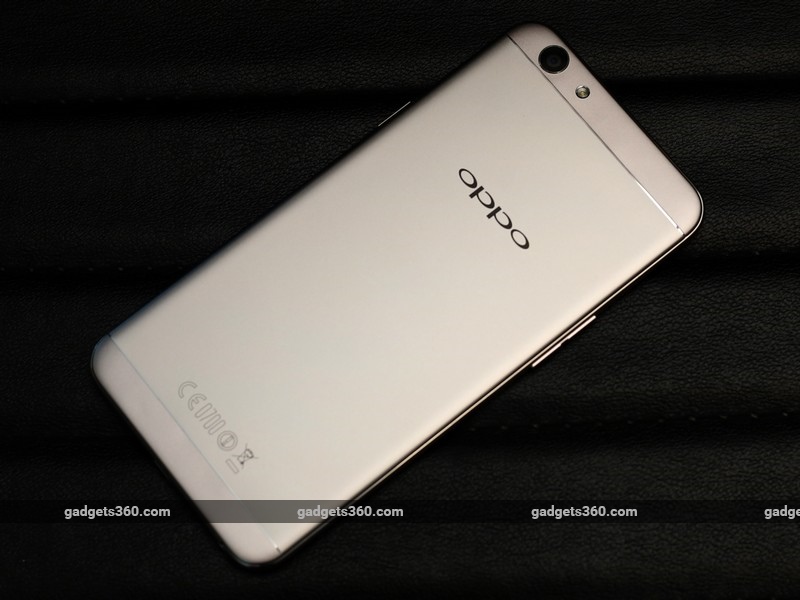
The F1S has a fingerprint sensor while F1 did not have it. The fingerprint sensor works quite well in F1S. The screen is immediately unlocked like F1 Plus. There are two backlit capacitive buttons on either side of the sensor. Oppo has also given a notification LED at the top. This smartphone made of metal body looks quite good to see and this device looks quite premium with Glossy Gold Trim.

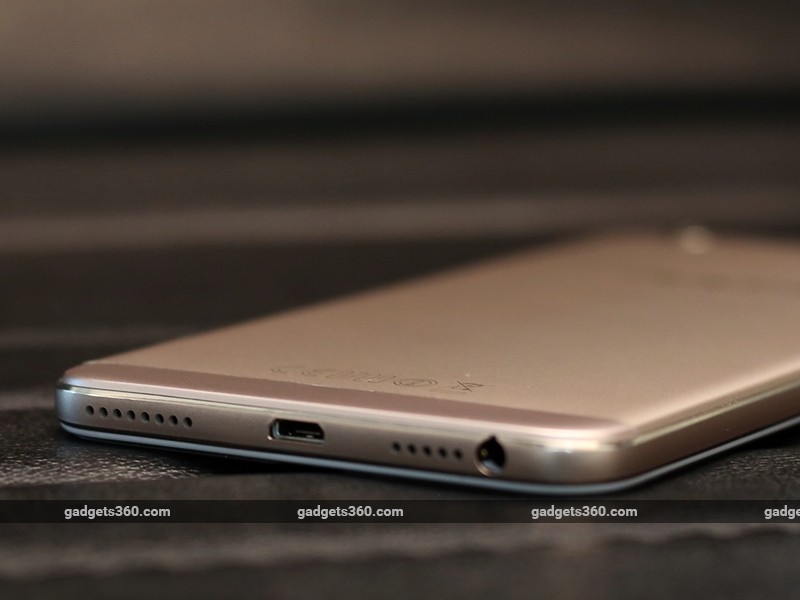
The button has been placed in an ergonomic manner, although it would have been easier to identify them if there was a little more space between the volume button. The headphone shock with micro-USB port and mono speaker is given downwards. But it would have been better that the headphone shock would have been upwards because the cable comes in the middle when typed.


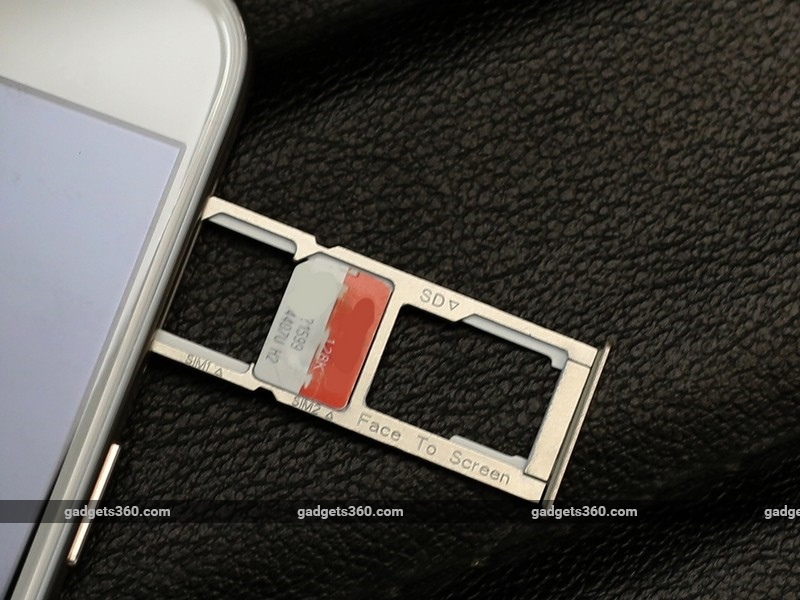
The rear has a 13 -megapixel camera with LED flash. The battery is non-removable. The sim trave on the right side supports dual sim. Apart from two Nano-SIM slots, a separate card slot has been given for microSD cards up to 128 GB.

The box with Oppo F1S will get a 10 watt charger, data cable, silicone case, a SIM Easeer Tool, Headset and some manual instructions. Overall, F1S is a needy upgraded phone that can now give a tough competition to another smartphone. The exact and sharp fingerprint sensor and separate microSD cards are similar to a bonus in the phone. This phone with a 7.3 mm thickness is 160 grams of heavy.


Specification and feature
Oppo has given 15 GHz MediaTek MT6750 octa-core processor in this smartphone with eight ARM Qortex-A53 core. This is the entry -chip launched by MediaTek this year with LTE integrated.

Apart from this, F1S has 3 GB RAM, 32 GB storage, dual band Wi-Fi B/G/N, Bluetooth 4.0, USB OTG, GPS and FM Radio. Oppo has not given NFC or Wi-Fi AC in the phone. The F1S supports VoLTE with 4G LTE on the Indian band.


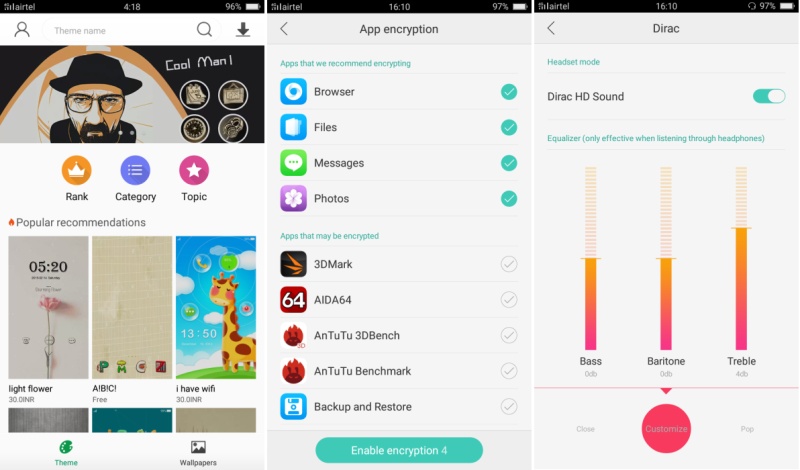
Like the F1 Plus, the Oppo F1S color runs on the OS 3.0 which looks like a little Android and a little iOS. But we did not like giving Android Lollipop to the phone by the company because now it has become older. It is possible that we got to see Marshmallow updates in the phone later, but it is always good to have the latest version at the time of launch.

We saw some shortcomings in the software which need to be told here. Some third party apps like Telegram notifications will show you in the notification shed but you will not be able to see them from there. Apart from this, the interface is quite smooth and most of the time goes on without any trouble.


Oppo has made some changes in the Setting App. The submission of the display has a blue light filter. The lock-screen wallpaper can be replaced by unlocking the phone from lockscreen magazine every time. Apart from this, the phone also has a gesture like one-handed mode. However, this feature did not support us when we tried.

The phone has several apps with Google several apps, Kingsoft Office, Security Center, File Manager and a video player already installed. With O-Cloud, you can make your SMS and contact backup on Oppo’s cloud service.

Performance
Oppo F1S is a very good smartphone and we did not see any major problem while using it for about a week. We can do everything on the phone easily. These include 3D games and it is not too hot while playing games. However, sometimes the smartphone is a bit hot but not so that it has problems in running. The phone does not have any problem on the 4G network and even in the noise, there is a very good sound from the earrpace. The phone only has a tissue keyboard installed which works well.


HD media files run well in the phone. Oppo has given its dyrock software enhancement for speakers and headphones, which works quite well when low frequency.

A very easy reason to buy this smartphone is its camera performance. First of all, the matter of front camera which is also the most special feature of this phone. This phone has a 16 -megapixel front camera with aperture F/2.0, which brings quite good quality photos with detailing. You can get rid of any kind of ‘stains’ with beautification 4.0 software.


Like the previous F-Series smartphone, you can take selfies only using palm or voice command. The screen flash has a significant effect due to the bright display. However, it is still a bit weak. A video can be recorded up to 1080 pixels from the front camera and has some other shooting mode like Jiff, filter and double exposure.

The 13 -megapixel rear camera also has all these shooting modes. Apart from this, an expert mode has also been given in the rear camera. For this, you have to choose between a second to 16 seconds. The image quality of landscape and macro shot is quite good. The rear camera comesra comes with detection autofocus (PDAF) to lock the subject very well. We liked the simple interface of the camera app and it is very easy to switch from one option to another.

battery life
Talk about battery life, we got 10 hours 11 minutes in the video loop test from the 3075 mAh battery given in Oppo F1S. At the same time, during normal use, its battery runs a little more than a day. However, the F1S does not have VOOC fast charging technology like the previous phone. And it takes a long time to fully charge the phone with a charger of 10 watts.


Our decision
Oppo has introduced another good product in the form of F1S. But we feel that the company could make it a better smartphone by paying more attention to some small things. We are talking about fast charging, Wi-Fi AC and NFC which are probably not very important but we expect these features from smartphones coming in this price.

F1S is an attractive phone that has its own characteristics. Its classy design, look and texture is very good and some new features in it. The phone’s display is good and cameras have also been claimed to be good.

The biggest problem of the phone is its price. The F1 smartphone now has no place in the market, so it would have been better that the company launch F1S at the price of F1 only. But it is very difficult to succeed in Rs 17,990 as smartphones with strong and good features are already available in the market for less than Rs 15,000.

Lenovo Vibe K5 Note first impressions in hindi, first glimpse of Lenovo Vibe’s 5 Note

0

Lenovo on Monday launched 5 notes of its new smartphone Vibe in India. Earlier, the Chinese company released several teasers on social media, revealing the specification of Vibe’s 5 notes. The new Lenovo Vibe’s 5 notes have made several improvements with the previous smartphone Vibe’s 4 notes. Apart from this, this handset is fully made of metal body. Lenovo Vibe’s 4 Note This price segment has been a popular device and recently the company claimed that 7,50,000 units have been sold so far. Now it has to be seen how the 5 smartphone of Vibe performs among the customers. At the launch event held in Delhi, we got a chance to spend some time with 5 notes of new Vibe and here is the first glimpse of this smartphone.

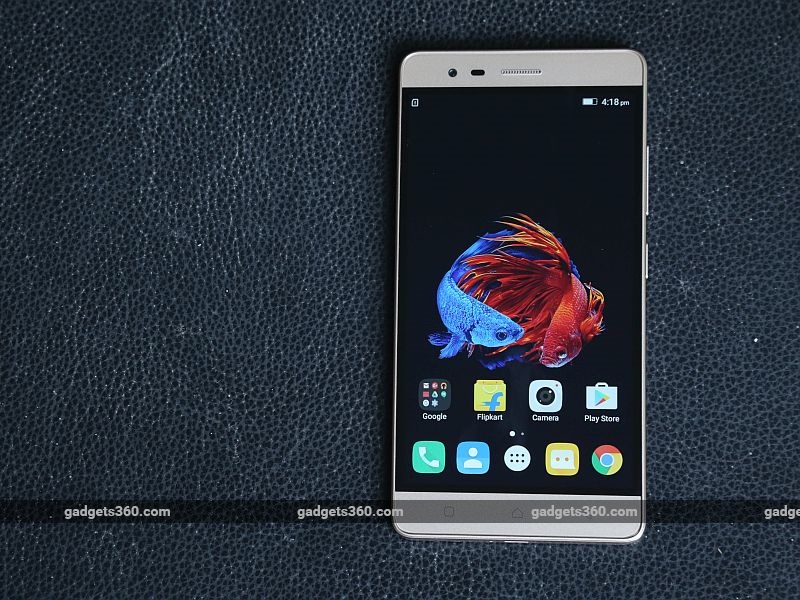
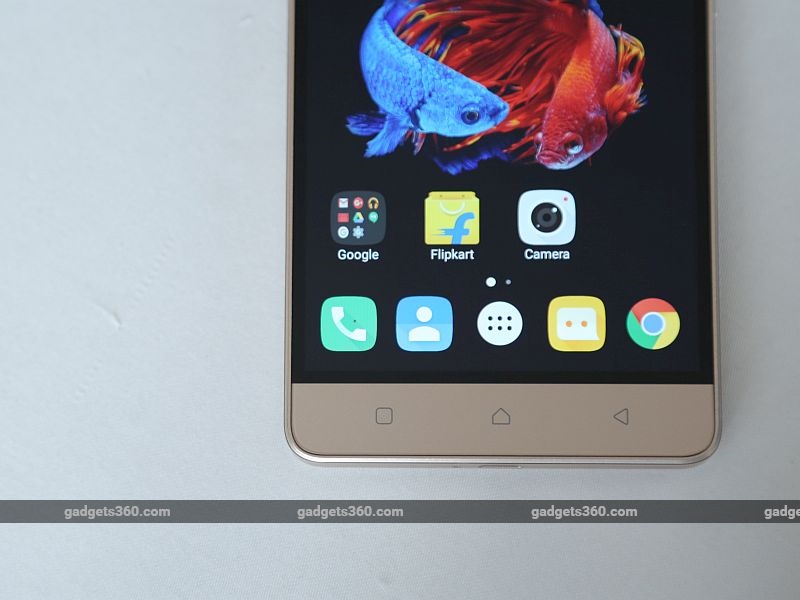
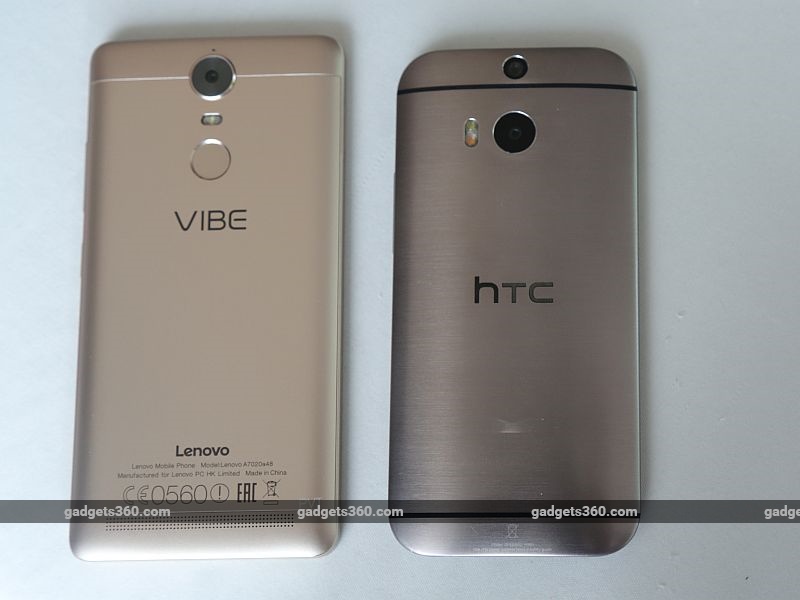
Lenovo Vibe’s 5 Note Has been launched in Black, Gold and Gray color variants. We spent some time with a gold variant at the launch event. First of all, this smartphone made of metal body is convenient to hold and use a metal body, but 4 notes of Vibe with matte finish gives better grip. Due to the metal body, the phone vibe’s 5 notes are 165 grams of heavy while the 4 notes of Vibe were 158 grams light. On the other hand, Vibe’s 5 notes are 8.4 mm thin while Vibe’s 4 notes were 9.1 mm thin.

Like 4 notes of Vibe, Vibe’s 5 notes have a 5.5-inch full-HD (1080×1920 pixels) IPS display. The screen of the screen is 401 PPI. However, Corning Gorilla Glass has not been given to protect from scratch in 5 notes of new Vibe. The display of Vibe’s 5 notes is bright and crisp and the display can also be seen well in sunlight. The viewing angle of the phone is quite spectacular.


Lenovo has given capacitive buttons this time in this smartphone instead of onscreen button for home, recent and back navigation control. The physical volume and power button are on the right side and can be easily used.

A rear camera, dual-tone LED flash and fingerprint scanner have been given in one line on the rear of Vibe’s 5 Note. The ‘Vibe’ brand can be seen on the rear while Lenovo’s logo is given at the bottom.

The final variant of Vibe’s 5 notes will run on Android 6.0 Marshmallow in which slight changes have been made by Lenovo and will have a Near-stock experience. But the device we used runs on Android 5.1 Lollipop. In this regard, Lenovo said that the Commercial Unit of Lenovo Vibe’s 5 Note coming in the market will run on Android 6.0 Marshmallow.


The company has given the most unique feature of this smartphone to the secure zone feature of Vibe’s 5 notes. On activating the Secure Zone, you will get two safe phones inside the 5 notes. The company has said that users will be able to run apps like WhatsApp and WeChat in different zones at one time. During this time, there will be no possibility of not being missed by both zones. Apart from this, another feature that we saw is that anything can be zoomed in by tapping double on the screen. This feature can be very helpful for people with weak vision.

This app comes with a pre -preloaded theme center app that contains options for changing many things including wallpaper, ringtone and lock screen. The demo variants of Vibe’s 5 notes already had apps such as Flipkart, Mantra, TruCol, WeChat and the company’s shares and syncites. Like the 4 notes of Vibe, 5 notes of Vibe also support the company Reattermax Technology. Apart from this, this VR headset also supports.

Lenvo Vibe’s 5 notes have a 13-megapixel rear camera equipped with PDAF autofocus, F/2.2 aperture and dual-tone LED flash. Tapping on the icon makes the camera app fast. We saw in a short time spent with the device that pictures taken with 5 notes in normal lights are crisp and good detailing. Pictures do not pixlet even when zoom in. The 8-megapixel front camera also brings good pictures, but we would like to reserve our decision until the camera is tested under different circumstances.


Lenovo Vibe’s 5 Note smartphone has a 1.8 GHz 64-bit octa-core MediaTek Helio P10 processor. As RAM, the user will have the option to choose from 3 or 4 GB. Mali T860 GPU is integrated for graphics. The inbuilt storage is 32 GB which can be increased through microSD card up to 128 GB. We did not have any problem with multitasking and touch as much time we spent with the demo unit of Vibe’s 5 notes.

Last idea
Lenovo Vibe’s 5 Note handset will be available in platinum silver, graphite gray and champagne gold color variants. A 3 GB RAM variant will be available for Rs 11,999. The 4 GB RAM variants of Vibe’s 5 notes will be sold for Rs 13,499. This exclusively on e-commerce site Flipkart will not be found in a flash cell, not in the open cell.

With this price, Vibe’s 5 notes will compete with many popular smartphones in the country. In Xiaomi Redmi Note 3, Moto G4 Plus And Leoco take 2 Are included. The 5 notes have many upgrade compared to the 4 notes of the previous vibe, but is it a buying phone among so many rivals? Stay connected for this with us and you will soon be able to read the full review of Vibe’s 5 notes.