Cantwell claims telecoms blocked release of Salt Typhoon report 

0

More than a year after national security officials revealed that Chinese hackers had systematically infiltrated U.S. telecommunications networks, the top Senate Democrat on the committee overseeing the industry is calling for hearings with executives from the nation’s biggest telecom companies.

In a public letter released Tuesday, Sen. Maria Cantwell, D-Wash., called for the CEOs of Verizon and AT&T to appear before Congress and explain how the hacking group known as Salt Typhoon breached their networks, as well as what steps they’ve taken to prevent another intrusion.

“For months, I have sought specific documentation from AT&T and Verizon that would purportedly corroborate their claims that their networks are now secure from this attack,” Cantwell wrote to Sen. Ted Cruz, R-Texas, who is the Chair of the Senate Commerce, Science and Transportation Committee. “Unfortunately, both AT&T and Verizon have chosen not to cooperate, which raises serious questions about the extent to which Americans who use these networks remain exposed to unacceptable risk.”

Salt Typhoon’s intrusion into telecom networks exposed major security weaknesses and put sensitive communications and data belonging to U.S. politicians and policymakers at risk. The federal government has done little since to hold the industry publicly accountable.

Congress has neither  proposed or passed meaningful legislation to address the issue.  While a handful of federal departments and agencies began public regulatory and oversight reviews, most of those efforts have been shut down or rolled back.

An investigation by the Cyber Safety Review Board at the Department of Homeland Security into the intrusions was abruptly stopped when the Trump administration eliminated the advisory body. One former member remarked recently that the failure to finish the investigation ranked among her biggest career regrets.

Weeks before President Joe Biden left office, his Federal Communications Commission issued emergency regulations aimed at holding telecom companies legally responsible – under federal wiretapping laws – for securing their communications. The rules would have also required carriers to file annual certifications with the FCC confirming they have cyber risk management plans in place. That certification would include addressing common security gaps, like lack of multifactor authentication, that are widely believed to have been exploited by Salt Typhoon.

While outgoing Chair Jessica Rosenworcel told CyberScoop the rules were badly needed to hold telecoms accountable for their cybersecurity, Brendan Carr— an FCC commissioner and Rosenworcel’s successor as chair—rescinded those rules, arguing they were unnecessary because the FCC and telecoms could work together voluntarily on cybersecurity. Another commissioner, Anna Gomez, told CyberScoop she had seen no evidence her agency had been meeting with telecoms on the issue.

At a hearing in December, Cruz endorsed the FCC’s elimination of the rules, arguing that improving the nation’s telecom cybersecurity “doesn’t come from imposing outdated checklists and top down regulations, it arises from a strong partnership between the private sector and government, working together to detect and deter attacks in real time.”

Cantwell, citing reporting from CyberScoop and other sources, argued that  “telecommunications providers have taken few protective actions thus far due to the costs involved” and said the committee “must hear directly from the CEOs of AT&T and Verizon so Americans have clarity and confidence about the security of their communications.”

According to Cantwell, she has already requested documentation from AT&T CEO John Stankey and then-Verizon CEO Hans Vestberg on how they’ve responded to the breaches. Both confirmed that Mandiant, Google Cloud’s incident response and threat-intelligence division wrote a report, one that Cantwell said “would presumably document the vulnerabilities identified and detail what corrective actions” telecoms took to improve their privacy and security.

She claimed after requesting the report from Mandiant, AT&T and Verizon “apparently intervened to block Mandiant from cooperating with my requests.”

AT&T and Verizon representatives did not immediately respond to a request for comment.

Derek B. Johnson

Written by Derek B. Johnson

Derek B. Johnson is a reporter at CyberScoop, where his beat includes cybersecurity, elections and the federal government. Prior to that, he has provided award-winning coverage of cybersecurity news across the public and private sectors for various publications since 2017. Derek has a bachelor’s degree in print journalism from Hofstra University in New York and a master’s degree in public policy from George Mason University in Virginia.


Source link

Epstein audio with former Israeli PM sheds new light on relationship | Investigation

0

NewsFeed

Recordings released in the Epstein files of a conversation the billionaire had with former Israeli Prime Minister Ehud Barak has shed new light on their relationship, which observers say blurred professional and personal boundaries.


Source link

‘I still would like to meet Putin’: Epstein’s unrequited love for Russian leader | World News

0

What has Vladimir Putin got to do with Jeffrey Epstein?

The Russian president’s name appears more than 1,000 times in the latest files.

His inclusion does not imply any wrongdoing, and there’s no evidence the two ever met, but boy, it sounds like Epstein wanted to.

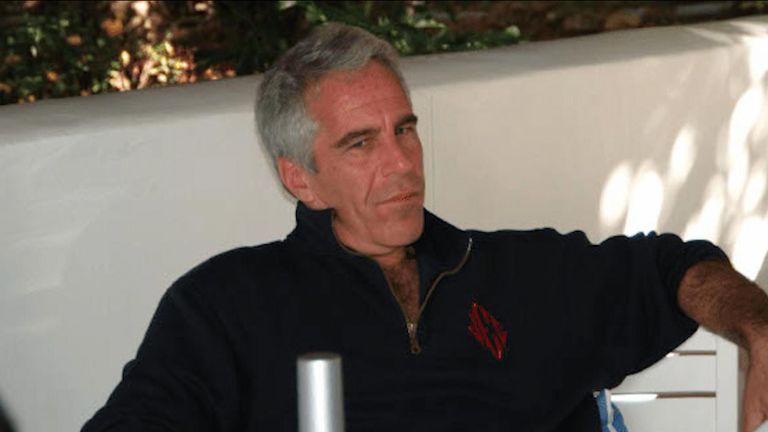
Jeffrey Epstein
Image: Jeffrey Epstein

The emails appear to reveal repeated attempts by the convicted sex offender to court the Kremlin leader.

And there’s even an audio file in which Epstein can be heard coaching someone on how to approach Putin.

Follow live – Epstein files latest

“I would send a note to Putin, saying ‘I’m going to leave government on March 14th. I’m going to be in Scandinavia, or I plan to be in western, northern Europe. We should have dinner’. That’s it, no more. It has to be very short,” he says in the recording.

The first substantive mention of Vladimir Putin in the latest files, unearthed by Sky’s Data and Forensics team, is from September 2011.

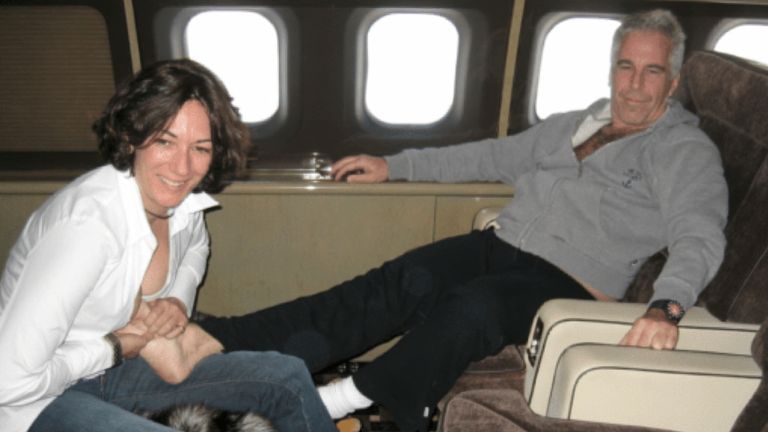
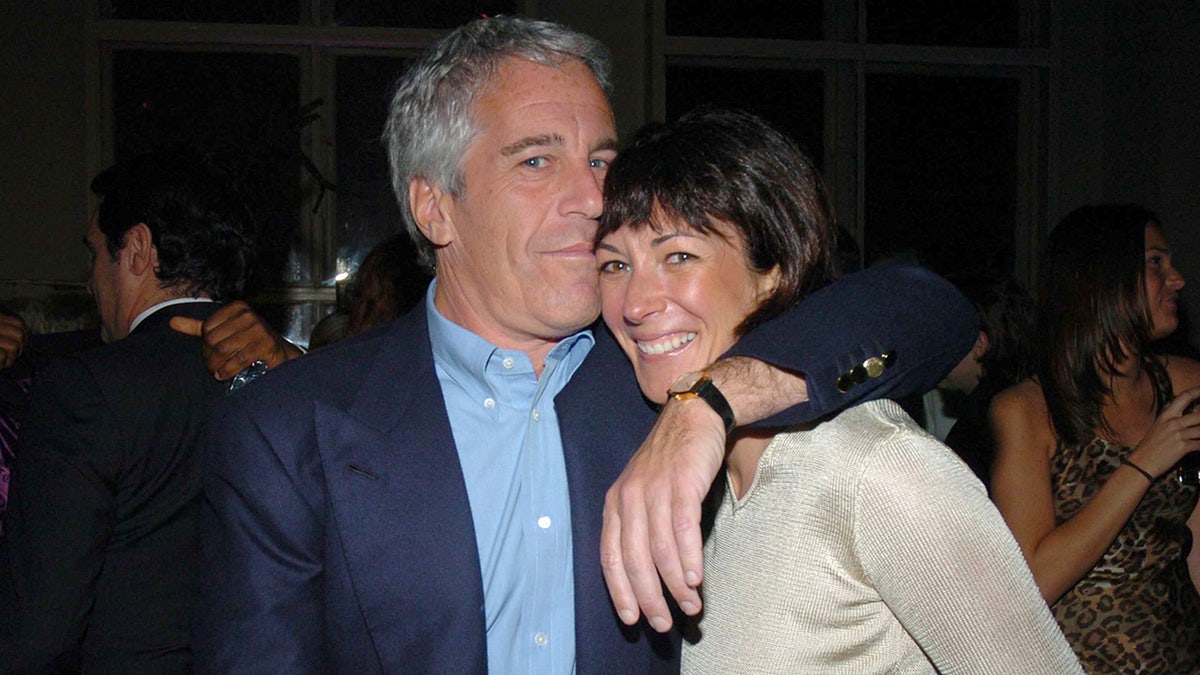
Jeffrey Epstein with Ghislaine Maxwell. Pic: U.S. Department of Justice via AP
Image: Jeffrey Epstein with Ghislaine Maxwell. Pic: U.S. Department of Justice via AP

An unnamed contact refers to a meeting Epstein said he had arranged with Putin later that month, while Putin was Russia’s prime minister. There’s no evidence it took place, and there are no other details.

From 2013 onwards, by which time Putin had returned to the presidency, the emails show Epstein made several bids to meet him through the former Norwegian PM Thorbjorn Jagland.

From Epstein with love

In May that year, Epstein emailed Jagland, who was then serving as secretary-general of the Council of Europe, saying: “I know you are going to meet putin [sic] on the 20th, He is desperate to engage western investment in his country…I have his solution.”

He adds: “I recoginize [sic] that there are human rights issues that are at the forefront of your trip howver [sic], if it is helpful to you, I would be happy to meet with him sometime in june [sic] and explain the solution to his top prioirty [sic], I think this would be good for your goals.”

But it appears it never happened. After pestering Jagland to follow up within Putin’s team, Epstein complains that he has heard nothing back.

In January 2014, Jagland told Epstein he was going to meet Putin in Sochi. “Why don’t you come?” he asks. We don’t know what happened next.

But in July that year, Epstein still sounds desperate to meet the Russian president. In an email, a contact tells him: “I wasn’t able to convince Reid to change his schedule to go meet Putin with you.”

“Bad idea now after plane crash,” Epstein replies – a reference to Malaysian Airlines flight MH17, which was shot down over eastern Ukraine three days prior, killing all 298 people on board.

But it seems it did not put Epstein off for long.

Epstein files: Royal family faces more scrutiny

Read more:
Prince Edward forced to address Epstein scandal
Epstein files: Key findings so far

A year later, in July 2015, he tells Jagland: “I still would like to meet putin [sic] and talk economy, i would really appreciate your assistance.”

There are more attempts in 2016, 2017 and finally in June 2018 – just one line in an email to Jagland once again: “Would love to meet with putin [sic].”

It’s certainly no smoking gun – it appears to be more a case of unrequited love.

Silence in Moscow

When asked about files, the Kremlin said on Tuesday it did not receive any offers from Epstein about a meeting with Vladimir Putin.

Still, it’s interesting to see how the Russian media is covering this story because, well, they are not.

There’s very little mention of it at all, and where there is, the focus is elsewhere – on Bill Clinton, Peter Mandelson and the crown princess of Norway.

So even though there’s no evidence or implication that he ever actually met with Epstein, Vladimir Putin’s appearance in the files is still not something Moscow wants to highlight.


Source link

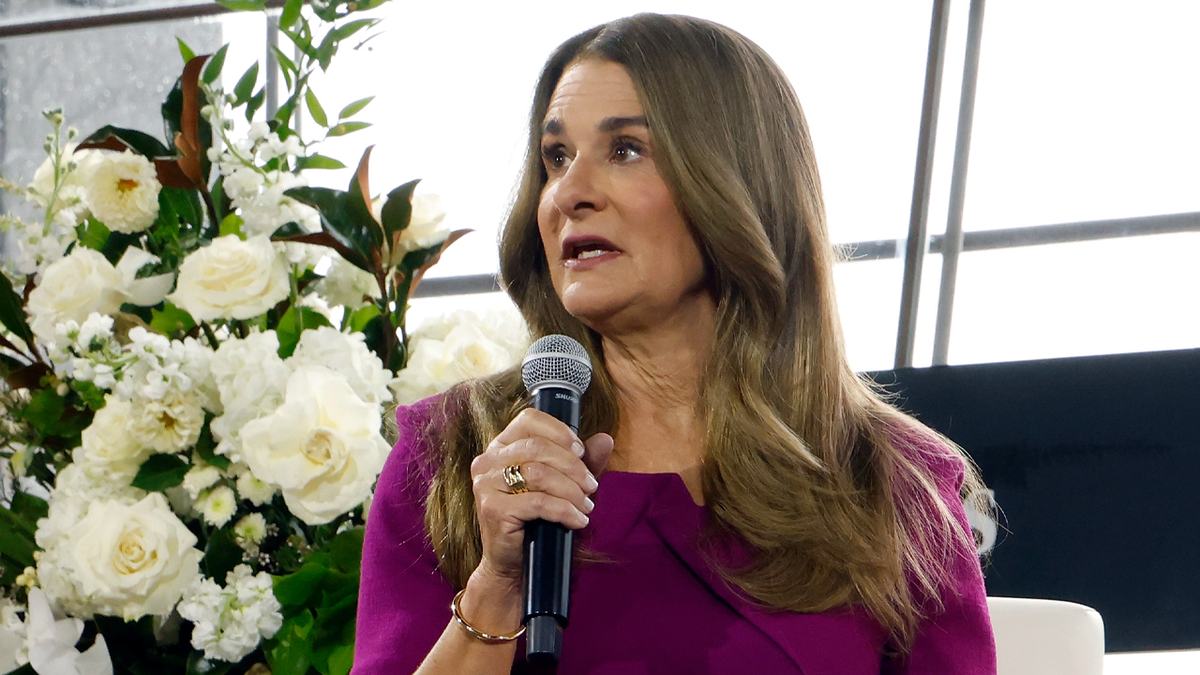
Melinda Gates says Bill Gates Epstein claims bring her unbelievable sadness

0

NEWYou can now listen to Fox News articles!

Microsoft co-founder Bill Gates’ ex-wife Melinda French Gates distanced herself from him during a Tuesday appearance on NPR’s “Wild Card” podcast, saying that society is in for a “reckoning.”

The Justice Department released more than 3 million Jeffrey Epstein records, including his personal emails, last week. While many of the allegations are about some of the world’s most powerful figures, one of the most viral scandals is of a purportedly unknowing victim. 

The Department of Justice (DOJ) released more than 3 million Jeffrey Epstein investigative records, including Epstein’s personal emails, on Friday. Some of the emails allege that Bill Gates had additional affairs and tried to get medication to treat a sexually transmitted infection. He also allegedly wanted to give the medication to his wife at the time, Melinda, the medication without her knowing.

A spokesperson for Bill Gates denied the claims, telling Fox News Digital, “These claims are absolutely absurd and completely false. The only thing these documents demonstrate is Epstein’s frustration that he did not have an ongoing relationship with Gates and the lengths he would go to entrap and defame.”

NPR “Wild Card” podcast host Rachel Martin asked Melinda Gates about the claims. 

CLINTONS CAVE: COMER SAYS BILL AND HILLARY TO TESTIFY IN EPSTEIN PROBE

Melinda Gates speaks

Melinda Gates told NPR how she distanced herself from her ex-husband Bill Gates as his relationship with Jeffrey Epstein was revealed.  (Taylor Hill/Getty Images)

“Well, let me say this. I think we’re having a reckoning as a society, right? No girl, no girl should ever be put in the situation that they were put in by Epstein and whatever was going on with all of the various people around him. No girl, I mean, it’s just it’s beyond heartbreaking, right?,” Melinda Gates said. “I remember being those ages those girls were. I remember my daughters being those ages, right? So, um for me it’s personally hard whenever those details come up, right? Because, um, brings back memories of some very, very painful times in my marriage.”

While saddened, she emphasized that these allegations are for people like her husband to deal with. 

“But I have moved on from that. I purposely pushed it away and I moved on. I’m in a really unexpected, beautiful place in my life. So whatever questions remain there of what I don’t – can’t even begin to know all of it. Those questions are for those people and for even my ex-husband. They need the answer to those things, not me! Well, and I am so happy to be away from all the muck.”

Martin later asked Melinda Gates what her dominant emotion is when she reads news coverage about the crimes and scandals surrounding Jeffrey Epstein. 

CBS NEWS SCRAMBLES AS NEW CONTRIBUTOR’S EPSTEIN EMAIL CONNECTIONS SURFACE IN LATEST DOJ FILES

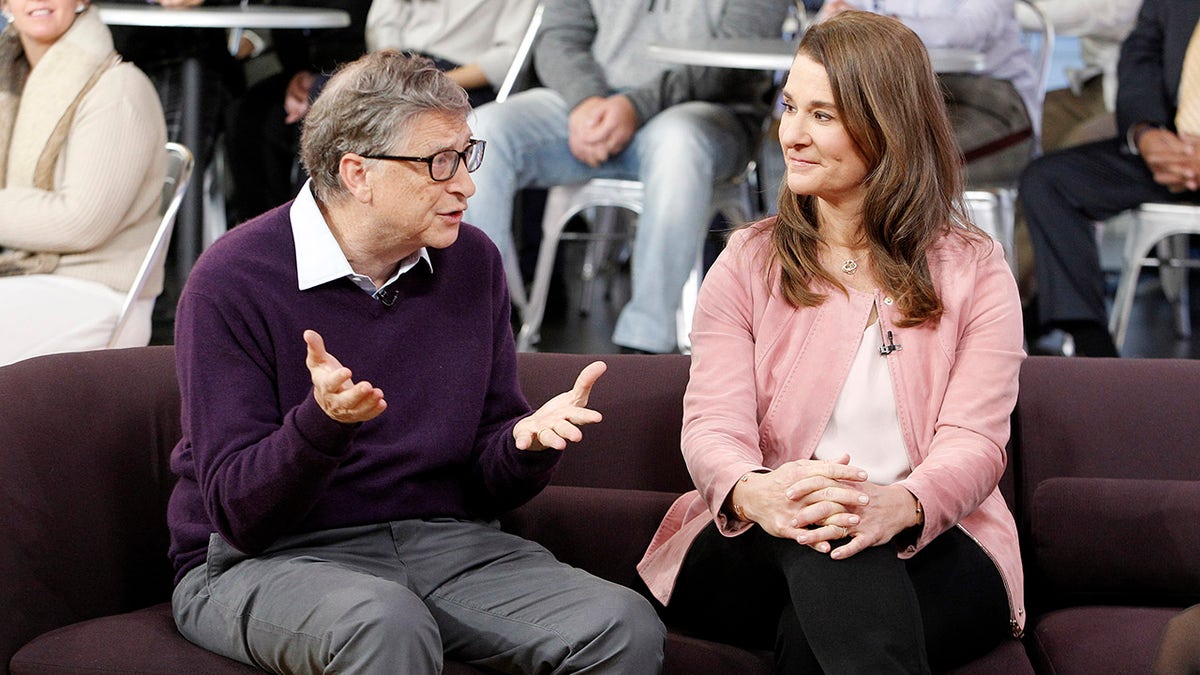
Bill and Melinda Gates

Melinda Gates said she had to get away from her marriage to Bill Gates and move on.  (Lou Rocco/Walt Disney Television via Getty Images)

“Sad. Just unbelievable sadness. Unbelievable sadness. Right?” she said. “Again, I’m able to take my own sadness and look at those young girls and say, ‘My god, how did they – how did that happen to those girls?”

“And so for me, it’s just sadness,” she continued. “I left my marriage. I had to leave my marriage. I wanted to leave my marriage. I had to leave the – I felt I needed to eventually leave the foundation. So, it’s just sad. That’s the truth, right? And it’s kind of like, at least for me, I’ve been able to move on in life. And I hope there’s some justice for those now-women, right? We see them standing up in front of microphones in D.C. Um, what they went through is just unimaginable,.”

CLICK HERE FOR MORE COVERAGE OF MEDIA AND CULTURE

Epstein and Maxwell

The Department of Justice released a trove of Epstein documents this past week, leading to scandalous allegations about numerous powerful figures. (Joe Schildhorn/Patrick McMullan via Getty Images)

CLICK HERE TO GET THE FOX NEWS APP


Source link

A New Security Control Plane for CISOs

0

AI Agents

By Ido Shlomo, CTO and Co-Founder, Token Security

Security leaders have spent years hardening identity controls for employees and service accounts. That model is now showing its limits.

A new class of identity is rapidly spreading across enterprise environments, autonomous AI agents. Custom GPTs, copilots, coding agents running MCP servers, and purpose-built AI agents are no longer confined to experimentation. They are running and expanding in production, interacting with sensitive systems and infrastructure, invoking other agents, and making decisions and changes without direct human oversight.

Yet in most organizations, these agents exist almost entirely outside established identity governance. Traditional IAM, PAM, and IGA platforms were not designed for agents that are autonomous, decentralized, and adaptive. The result is a growing identity gap that introduces real security and compliance risk together with efficiency and effectiveness challenges.

Why AI Agents Break Existing Identity Models

Historically, enterprises managed two identity types: humans and machines. Identities whose goal is to serve human access are centrally governed, role-based, and relatively predictable. Machine and workload identities operate at scale but tend to be deterministic, repetitive, performing narrowly defined tasks.

AI agents fit neither and both categories at once.

They are goal-driven,and role-based, capable of adapting behavior based on intent and context, and able to chain actions across multiple systems. At the same time, they operate continuously and at machine speed and scale. This hybrid nature fundamentally alters the risk profile. AI agents inherit the intent-driven actions of human users while retaining the reach and persistence of machine identities.

Treating them as conventional non-human identities creates blind spots. Over-privileging becomes the default. Ownership becomes unclear. Behavior drifts from original intent. These are not theoretical concerns. They are the same conditions that have driven many identity-related breaches in the past, now amplified by autonomy and scale.

AI agents create, use, and rotate identities at machine speed—outpacing traditional IAM controls.

This guide shows CISOs how to manage the full lifecycle of AI agent identities, reduce risk, and maintain governance and audit readiness.

Download it free

Adoption Velocity without Security Is the Real Accelerator of Risk

What makes this challenge urgent is not just what AI agents are, but how quickly they are spreading.

Enterprises that believe they have just a few AI agents often discover hundreds or thousands once they look closely. Employees build custom GPTs. Developers spin up MCP servers locally. Business units integrate AI tools directly into workflows. Cleanup rarely happens.

Security teams are left unable to answer basic questions:

  • How many AI agents exist?
  • Who owns them?
  • What systems, services, and data do they access?
  • Which ones are still active?

This lack of visibility creates identity sprawl at machine speed. And as attackers have demonstrated repeatedly, abusing unmanaged credentials is often easier than exploiting software vulnerabilities.

The Case for AI Agent Identity Lifecycle Management

Identity risk accumulates over time. This is why organizations use joiner, mover, and leaver processes for its workforce and lifecycle controls for service accounts. AI agents experience the same dynamics, but compressed into minutes, hours or days.

AI Agents are created quickly, modified frequently, and often abandoned silently. Access persists. Ownership disappears. Quarterly access reviews and periodic certifications cannot keep pace.

AI Agent identity lifecycle management addresses this gap by treating AI agents as first-class identities governed continuously and near-real-time from creation through usage, ending up in decommissioning.

The goal is not to slow adoption, but to apply familiar identity principles, such as visibility, accountability, least privilege, and auditability, in a way that works for autonomous systems.

Download Token Security’s latest asset, an eBook designed to help you shape Lifecycle Management for your AI Agent identities from end to end.

Visibility Comes First: Discovering Shadow AI

Every identity control framework begins with discovery. Yet most AI agents never pass through formal provisioning or registration workflows. They run across cloud platforms, SaaS tools, developer environments, and local machines, making them invisible to traditional IAM systems.

From a Zero Trust perspective, this is a fundamental failure. An identity that cannot be seen cannot be governed, monitored, or audited. Shadow AI agents become unmonitored entry points into sensitive systems, often with broad permissions.

Effective discovery must be continuous and behavior-based. Quarterly scans and static inventories are insufficient when new agents can appear and disappear in a matter of minutes.

Ownership and Accountability Matters

One of the oldest identity risks is the orphaned account. AI agents dramatically increase both its frequency and impact.

AI agents are often created for narrow use cases or short-lived projects. When employees change roles or leave, or just grow tired of a certain AI product that hasn’t evolved, the agents they built frequently persist. Their credentials remain valid. Their permissions remain unchanged. No one remains accountable.

An autonomous agent without an owner can be perceived as a compromised identity. Lifecycle governance must enforce ownership and maintenance as a core requirement, flagging agents tied to departed users or inactive projects before they become liabilities.

Least Privilege Must Become Dynamic

AI agents are almost always over-privileged, not out of negligence, but uncertainty and the will to explore. Since their behavior can adapt, teams often grant broad access to avoid breaking workflows.

This approach is risky. An over-privileged agent can traverse systems faster than any human. In interconnected environments, a single agent can become the pivot point for widespread compromise or lateral movement.

Least privilege for AI agents cannot be static. It must be continuously adjusted based on observed behavior. Permissions that are unused should be revoked. Elevated access should be temporary and purpose-bound. Without this, least privilege remains a policy statement rather than an enforced control.

Traceability Is the Foundation of Trust

As enterprises move toward multi-agent systems, traditional logging models break down. Actions span agents, APIs, and platforms. Without correlated identity context, investigations and forensics or even compliance evidence become slow and incomplete.

Traceability is not just a forensic requirement. Regulators increasingly expect organizations to explain how automated systems make decisions, especially when those decisions affect customers or regulated data. Without identity-centric audit trails, that expectation cannot be met.

Identity Is Becoming the Control Plane for AI Security

AI agents are no longer emerging technology. They are becoming part of the enterprise operating model. As their autonomy grows, unmanaged identity becomes one of the largest sources of systemic risk.

AI Agent identity lifecycle management provides a pragmatic path forward. By treating AI agents as a distinct identity class and governing them continuously, organizations can regain control without stifling innovation.

In an agent-driven enterprise, identity is no longer just an access mechanism. It is becoming the control plane for AI security.

If you’d like more information on how Token Security is tackling AI security within the identity control pane, book a demo and we’ll show you how our platform operates.

Sponsored and written by Token Security.


Source link

Ollie Robinson suspended in next match after his debut: England fast bowler Ollie Robinson was suspended from the team after his debut match.

0

Last Updated:

Ollie Robinson controversy: England fast bowler Ollie Robinson’s debut in cricket started with a big controversy. This controversy took place regarding his social media post. The impact of this controversy was that Robinson was suspended from all formats by the England Cricket Board after the debut match. Let us know what is the case of Ollie Robinson.

When this player got suspended as soon as he made his debut! The whole team felt embarrassedZoom
Ollie Robinson was suspended in the next match of his debut

New Delhi: Every cricketer has a dream to make his dream debut for the national team, but what happens when a player is suspended from all formats after the debut match itself. A similar story is that of England’s fast bowler Ollie Robinson, when he was dropped from the team despite a strong performance on debut due to his social media posts. However, later when the matter was resolved and the controversy ended, he returned to the England team.

Actually, the whole matter is that in the year 2021, Ollie Robinson got a chance to debut in the Lord’s Test against New Zealand. Everything was fine till the start of the match, but as soon as Robinson entered the field, there was an uproar on social media. The controversy was arising over some of his social media posts which he had made in 2012-13. Robbins probably didn’t even remember about that social media post.

Is Robinson’s social media post

Let us tell you that when Robinson was playing his first test match against New Zealand at Lord’s, his 8-9 year old old posts (tweets) started going viral. When Robinson posted this, he was about 18-19 years old. These tweets of Robinson were racist and sexist, in which he wrote objectionable things about women, Asian people and Muslims.

After Robinson’s social media post went viral, the England and Wales Cricket Board immediately started an investigation. After this, as soon as the first Test was over, Robinson was suspended until the investigation was completed. As punishment, after investigation, he was banned for 8 matches. Not only this, he also had to pay 3200 pounds as fine.

Robinson had apologized

Ollie Robinson apologized unconditionally after the social media post controversy. He said that he was foolish and irresponsible at that time and he is deeply ashamed of his actions. He clarified that he is not that person anymore. The matter did not end here, the then British Prime Minister Boris Johnson and Sports Minister Oliver Dowden defended Robinson and said that suspending him now for tweets made a decade ago was an excessive action.

How is Robinson’s career?

Robinson’s career was deeply affected after he got involved in controversy in his debut match. This is the reason why in the last five years, he has got a chance to play only 20 Tests for England. In this he has taken 76 wickets. Robinson last played for England in the Ranchi Test against India in February 2024.

About the Author

Jitendra Kumar

Working as Chief Sub Editor in Network 18 Group since October 2025. 9 years experience in journalism. Started career with sports beat in ABP News Digital. Reputable institutions like India TV and Navbharat Times Group…read more

homecricket

When this player got suspended as soon as he made his debut! The whole team felt embarrassed

Celebrations erupt during Al Jazeera live report from northern Syria | Syria’s War

0

NewsFeed

Cheers broke out during Al Jazeera’s Teresa Bo’s live report as a Syrian military convoy reached the town square of Tel Brak in northern Syria. It’s part of the nationwide unification of Syria after the central government reached a deal with the Kurdish-led Syrian Democratic Forces.


Source link

Starmer, Badenoch and McSweeney: Who are the winners and losers of the Mandelson-Epstein scandal? | Politics News

0

Sir Keir Starmer and the Labour high command may be relieved that Peter Mandelson has quit the House of Lords.

But for both the prime minister and the soon-to-be ex-peer, their humiliation and torment may be about to get even worse.

Mr Mandelson faces a full-blown probe by the Met’s specialist crime team into allegations of misconduct in public office, for which the maximum penalty is life imprisonment.

Lord Peter Mandelson and Jeffrey Epstein on a yacht. Pic: US Department of Justice
Image: Lord Peter Mandelson and Jeffrey Epstein on a yacht. Pic: US Department of Justice

Starmer needs to ‘come clean’

Jeffrey Epstein scandal – latest

Yes, really! It’s that serious.

In an interview with The Times carried out last week but published on Monday, Mandelson referred to a “handful of misguided historical emails, which I deeply regret sending”.

On other claims, Lord Mandelson questioned the authenticity of the documents, citing false claims he had a US social security number, questionable US-dollar cheque payments into UK banks, incorrect beneficiary details, and multiple basic errors in dates, spelling and formatting.

The police investigation, no doubt extremely complex, could last several months, and if he’s prosecuted, Mr Mandelson’s agony could last years, even if he’s acquitted.

The torment for the prime minister is more immediate.

He faces a potentially painful onslaught from Kemi Badenoch at Wednesday’s Prime Minister’s Questions, followed by a bruising Commons debate.

The PM must be cursing the parliamentary calendar, because Wednesday is an opposition day in the Commons, which means the Conservatives choose the business.

And this time the Tories are using a tactic used by Labour in opposition.

In the parliamentary jargon, it’s called a humble address, which means the Tory motion demands publication of all the papers relating to Sir Keir’s appointment of Mr Mandelson as ambassador to the US.

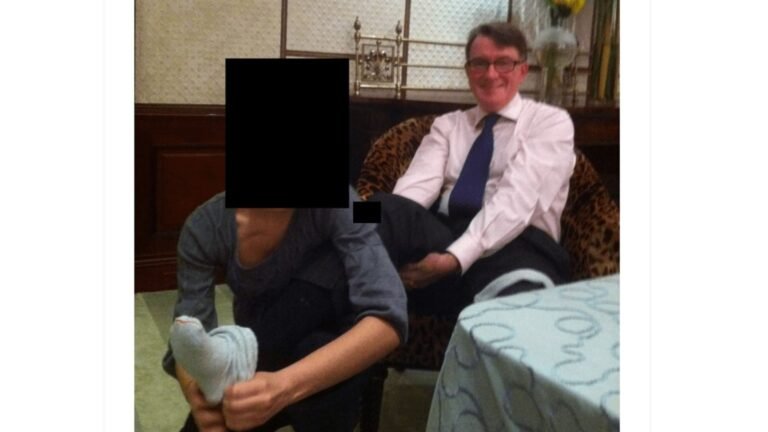
Could Mandelson end up in court over Epstein emails?

A picture of Lord Mandelson found in the Epstein files. Pic: US Department of Justice
Image: A picture of Lord Mandelson found in the Epstein files. Pic: US Department of Justice

Yes, all of them! In theory, at least. A paper trail, in other words.

It’s a device Labour employed with some success during the endless Commons debates on Brexit a few years back when Sir Keir was opposition leader.

This time, though, the prime minister could face a major rebellion from Labour backbenchers if he whips his MPs to vote against the Tory motion. But will he?

“I’ll vote for a paper trail to be released,” left-wing serial rebel Richard Burgon told Sky News. “But there shouldn’t be a vote. They shouldn’t be opposing the motion.

“It would be crazy to do so. We can’t have a situation where the government is dragged kicking and screaming to do the right thing.”

‘Crazy’ for ministers to oppose Mandelson motion, says Labour MP

The government is not falling into the Tory trap, however. It will commit to publishing documents about the Mandelson appointment.

But ministers have tabled an amendment to the Conservative motion proposing an exemption for papers affecting national security.

The PM’s amendment adds: “Except papers prejudicial to UK national security of international relations.”

Epstein’s links to Mandelson & others

Which could, of course, mean there are a large number of exemptions. Too many, the Conservatives may claim.

Kemi Badenoch claims the normal procedures were “waived away” so the prime minister could appoint Mr Mandelson as ambassador, despite his close relationship with a convicted paedophile.

“Let’s see all the correspondence, emails, mobile phone records,” she said. “We want to see everything.”

The Tories also plan to turn up the heat on the PM’s controversial chief of staff, Morgan McSweeney, a man who’s already the pantomime villain of Labour’s woes and blunders.

“Morgan McSweeney, a close protégé of Peter Mandelson, was involved in the vetting,” said the Tory leader. “Morgan McSweeney is a man whose fingerprints are all over this embarrassment.”

Read more on Sky News:
Mandelson quits Labour Party over Epstein links
Mandelson ‘has no recollection’ of $75,000

Scandal-tainted career is over

For the PM, the Mandelson nightmare couldn’t have come at a worse time. His poll ratings are through the floor, he faces a horrible by-election on 26 February and horrendous local and national elections in May.

The mavericks and malcontents on the Labour benches claim the only question about Sir Keir’s survival is when his mutineers move to oust him: after the by-election or after the May elections.

McSweeney, therefore, could be a convenient scapegoat, sacrificed to save an embattled prime minister.

A No 10 svengali dumped just like Alastair Campbell, Andy Coulson and Dominic Cummings were before him.

The only winners from the Mandelson fiasco are Westminster’s opposition parties. Not just the Conservatives, either. The Liberal Democrats and Scottish National party led demands for the police investigation.

Despite the PM’s tough talk and his claim that Mandelson “let his country down”, a damning verdict of his bad judgement in him could mean he ends up being as big a loser as the Prince of Darkness himself.


Source link

Iran Supreme Leader Ayatollah Ali Khamenei protest crackdown plan leaked

0

NEWYou can now listen to Fox News articles!

Leaked documents from the Iranian regime reveal a coordinated plan by its security apparatus, approved by Supreme Leader Ayatollah Ali Khamenei, to violently suppress nationwide protests using force, surveillance and internet shutdowns.

Excerpts of the documents, reviewed by Fox News Digital, show that Iran’s Supreme National Security Council developed the strategy after the 2019 nationwide protests that came amid fuel price hikes and economic collapse.

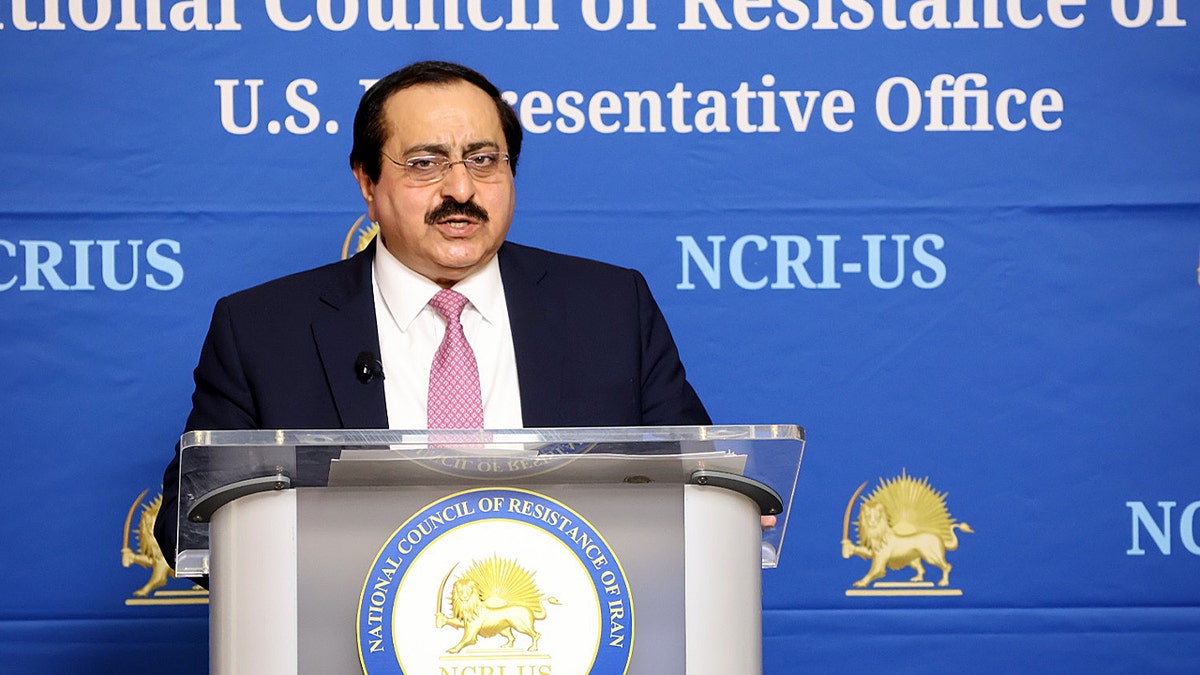
At a National Council of Resistance of Iran (NCRI) press briefing Tuesday covering the regime’s pre-planned orders behind the protests and mass killings, Alireza Jafarzadeh, deputy director of the Washington office, said the documents “were obtained from within the regime” and later cited The People’s Mojahedin Organization of Iran (MEK) as having gained access to them.

“This Directive by the National Security Council was obtained by the network in Iran of the MEK, which has access to sources within the regime,” he confirmed to Fox News Digital.

IRAN’S PRESIDENT ACCUSES TRUMP, NETANYAHU, EUROPE OF PROVOKING UNREST: ‘THEY BROUGHT THEM INTO THE STREETS’

Iran protests and military.

Iranian security forces escalated from pellet guns to live ammunition during protests. (Getty)

“These documents show the regime’s efforts to prevent the resurgence of the uprising and, if it occurred, to suppress it,” Jafarzadeh added before stating that there are “clear operational plans allocated to the IRGC to use lethal force to kill as many people as needed to stay in power.”

The first document, classified “top secret,” was issued Mar. 3, 2021, with the regime codifying four escalating law enforcement and security conditions. The regime defined how unrest would be handled and which authorities would be in command at each stage.

Initial law enforcement and non-armed security situations placed command authority with Iran’s national police force, with support from the Islamic Revolutionary Guard Corps (IRGC) and the Intelligence Ministry (VAJA).

In the most severe category, designated an “armed security situation,” full command authority rapidly shifted to the IRGC.

“For now, this compilation should be communicated for two years,” Khamenei wrote before ordering the blueprint implemented nationwide.

RUBIO REVOKES IRANIAN OFFICIALS’ US TRAVEL PRIVILEGES OVER DEADLY PROTEST CRACKDOWN KILLING THOUSANDS

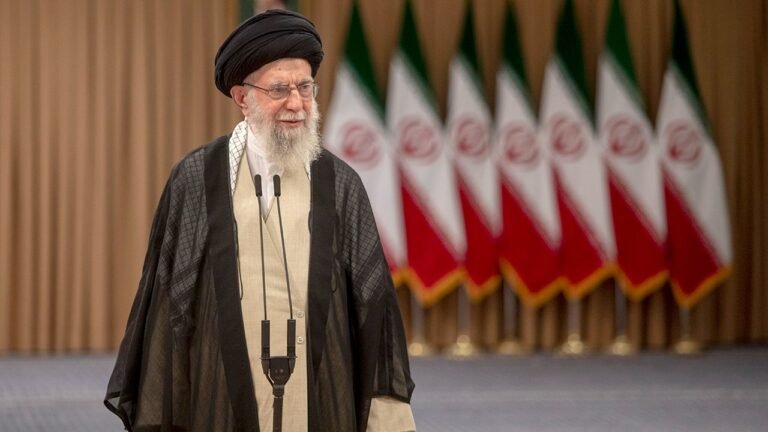
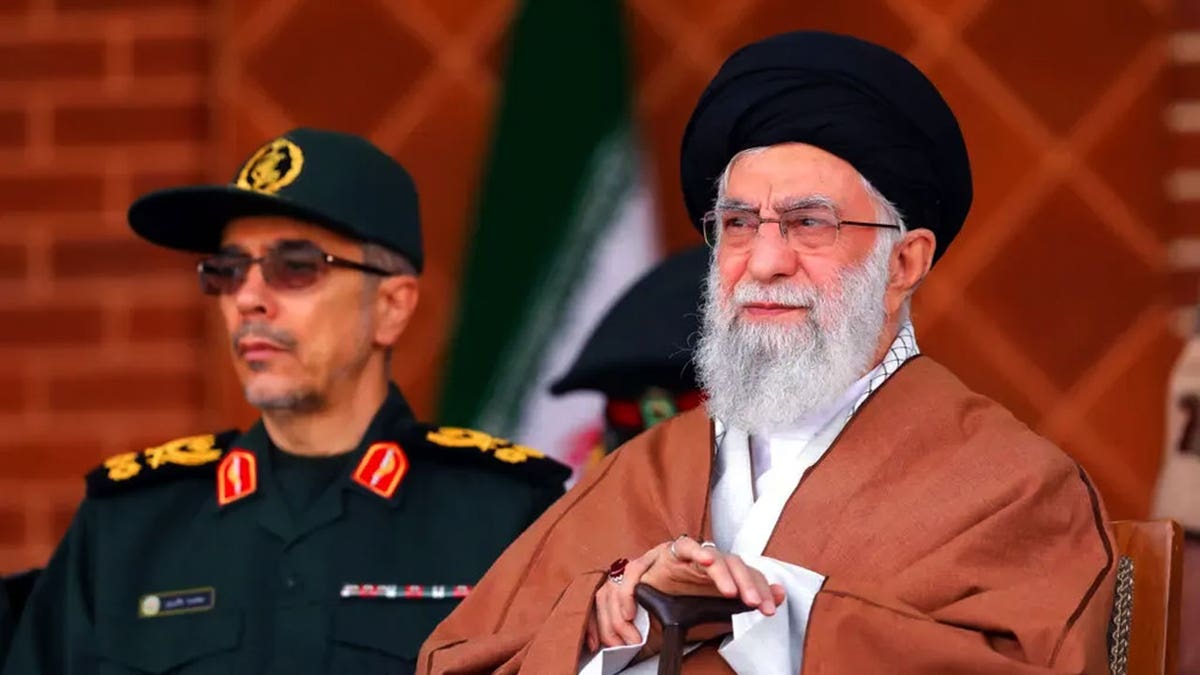
Iran's Supreme Leader, Ayatollah Ali Khamenei

Iran’s Supreme Leader, Ayatollah Ali Khamenei, approved a detailed plan for protest suppression. (Getty Images)

The secret guidelines became the blueprint for crushing the January 2026 protests, which erupted amid soaring inflation, currency collapse and anger toward clerical rule.

According to the Human Rights Activists News Agency (HRANA), at least 6,854 people have been killed during the protests, with 11,280 cases under investigation.

Internal regime assessments cited in other leaked files describe three phases of the 2026 uprising: an initial law enforcement phase, followed by a non-armed security phase and finally an armed security situation beginning Jan. 8 when authority shifted fully to the IRGC that played the command role and carried out armed killings.

The documents specify that during armed security situations, the IRGC operated with support from other security bodies, while Iran’s Ministry of Communications was ordered to impose internet restrictions, including full shutdowns.

IRAN RAMPS UP REGIONAL THREATS AS TRUMP CONSIDERS TALKS, EYEWITNESS ACCOUNTS OF REGIME VIOLENCE EMERGE

Aliriza Jafarzadeh NCRI.

At a press briefing, NCRI Deputy Director, Washington office, Alireza Jafarzadeh outlined how Iranian regime documents showed the regime’s crackdown strategy. (National Council of Resistance of Iran (NCRI))

A second classified document, compiled in 2024 by the IRGC’s Sarallah Headquarters, reveals how far the regime went to prepare for dissent.

The 129-page “Comprehensive Security Plan of Tehran” details extensive surveillance and repression measures, identifying members of the opposition MEK and family members of executed dissidents as “level number one” enemies subject to monitoring and control.

CLICK HERE TO DOWNLOAD THE FOX NEWS APP

“It also shows how far the regime is prepared to go to kill as many people as needed, which they did in January 2026. However, these killings further convinced the people that there is only one way to end the killings, and that is to overthrow the regime,” Jafarzadeh added.

“There are more people, especially young ones, who have joined the ranks of the organized force to confront the IRGC and liberate the nation,” he said.


Source link

APT28 Uses Microsoft Office CVE-2026-21509 in Espionage-Focused Malware Attacks

0

Ravie LakshmananFeb 03, 2026Vulnerability / Malware

Microsoft Office

The Russia-linked state-sponsored threat actor known as APT28 (aka UAC-0001) has been attributed to attacks exploiting a newly disclosed security flaw in Microsoft Office as part of a campaign codenamed Operation Neusploit.

Zscaler ThreatLabz said it observed the hacking group weaponizing the shortcoming on January 29, 2026, in attacks targeting users in Ukraine, Slovakia, and Romania, three days after Microsoft publicly disclosed the existence of the bug.

The vulnerability in question is CVE-2026-21509 (CVSS score: 7.8), a security feature bypass in Microsoft Office that could allow an unauthorized attacker to send a specially crafted Office file and trigger it.

The Microsoft Threat Intelligence Center (MSTIC), Microsoft Security Response Center (MSRC), and Office Product Group Security Team, along with Google Threat Intelligence Group (GTIG), have been credited with discovering and reporting the flaw.

“Social engineering lures were crafted in both English and localized languages (Romanian, Slovak, and Ukrainian) to target the users in the respective countries,” security researchers Sudeep Singh and Roy Tay said. “The threat actor employed server-side evasion techniques, responding with the malicious DLL only when requests originated from the targeted geographic region and included the correct User-Agent HTTP header.”

The attack chains, in a nutshell, entail the exploitation of the security hole by means of a malicious RTF file to deliver two different versions of a dropper, one that’s designed to drop an Outlook email stealer called MiniDoor, and another, referred to as PixyNetLoader, that’s responsible for the deployment of a Covenant Grunt implant.

The first dropper acts as a pathway for serving MiniDoor, a C++-based DLL file that steals a user’s emails in various folders (Inbox, Junk, and Drafts) and forwards them to two hard-coded threat actor email addresses: ahmeclaw2002@outlook[.]com and ahmeclaw@proton[.]me. MiniDoor is assessed to be a stripped-down version of NotDoor (aka GONEPOSTAL), which was documented by S2 Grupo LAB52 in September 2025.

In contrast, the second dropper, i.e., PixyNetLoader, is used to initiate a much more elaborate attack chain that involves delivering additional components embedded into it and setting up persistence on the host using COM object hijacking. Among the extracted payloads are a shellcode loader (“EhStoreShell.dll”) and a PNG image (“SplashScreen.png”).

The primary responsibility of the loader is to parse shellcode concealed using steganography within the image and execute it. That said, the loader only activates its malicious logic if the infected machine is not an analysis environment and when the host process that launched the DLL is “explorer.exe.” The malware stays dormant if the conditions are not met.

The extracted shellcode, ultimately, is used to load an embedded .NET assembly, which is nothing but a Grunt implant associated with the open source .NET COVENANT command-and-control (C2) framework. It’s worth noting that APT28’s use of the Grunt Stager was highlighted by Sekoia in September 2025 in connection with a campaign named Operation Phantom Net Voxel.

“The PixyNetLoader infection chain shares notable overlap with Operation Phantom Net Voxel,” Zscaler said. “Although the earlier campaign used a VBA macro, this activity replaces it with a DLL while retaining similar techniques, including (1) COM hijacking for execution, (2) DLL proxying, (3) XOR string encryption techniques, and (4) Covenant Grunt and its shellcode loader embedded in a PNG via steganography.”

The disclosure coincides with a report from the Computer Emergency Response Team of Ukraine (CERT-UA) that also warned of APT28’s abuse of CVE-2026-21509 using Word documents to target more than 60 email addresses associated with central executive authorities in the country. Metadata analysis reveals that one of the lure documents was created on January 27, 2026.

“During the investigation, it was found that opening the document using Microsoft Office leads to establishing a network connection to an external resource using the WebDAV protocol, followed by downloading a file with a shortcut file name containing program code designed to download and run an executable file,” CERT-UA said.

This, in turn, triggers an attack chain that’s identical to PixyNetLoader, resulting in the deployment of the COVENANT framework’s Grunt implant.


Source link