Germany’s domestic intelligence agency is warning of suspected state-sponsored threat actors targeting high-ranking individuals in phishing attacks via messaging apps like Signal.
The attacks combine social engineering with legitimate features to steal data from politicians, military officers, diplomats, and investigative journalists in Germany and across Europe.
The security advisory is based on intelligence collected by the Federal Office for the Protection of the Constitution (BfV) and the Federal Office for Information Security (BSI).
“A defining characteristic of this attack campaign is that no malware is used, nor are technical vulnerabilities in the messaging services exploited,” the two agencies inform.
According to the advisory, the attackers contact the target directly, pretending to be from the support team of the messaging service or the support chatbot.
“The goal is to covertly gain access to one-to-one and group chats as well as contact lists of the affected individuals,”
There are two versions of these attacks: one that performs a full account takeover, and one that pairs the account with the attacker’s device to monitor chat activity.
In the first variant, the attackers impersonate Signal’s support service and send a fake security warning to create a sense of urgency.
The target is then tricked into sharing their Signal PIN or an SMS verification code, which allows the attackers to register the account to a device they control. Then they hijack the account and lock out the victim.
Attackers impersonating Signal support in direct message Source: BSI
In the second case, the attacker uses a plausible ruse to convince the target to scan a QR code. This abuses Signal’s legitimate linked-device feature that allows adding the account to multiple devices (computer, tablet, phone).
The result is that the victim account is paired with a device controlled by the bad actor, who gets access chats and contacts without raising any flags.
QR code used for pairing a new device Source: BSI
Although Signal lists all devices attached to the account under Settings > Linked devices, users rarely check it.
Such attacks were observed to occur on Signal, but the bulletin warns that WhatsApp also supports similar functionality and could be abused in the same way.
Last year, Google threat researchers reported that the QR code pairing technique was employed by Russian state-aligned threat groups such as Sandworm.
Ukraine’s Computer Emergency Response Team (CERT-UA) also attributed similar attacks to Russian hackers, targeting WhatsApp accounts.
However, multiple threat actors, including cybercriminals, have since adopted the technique in campaigns like GhostPairing to hijack accounts for scams and fraud.
The German authorities suggest that users avoid replying to Signal messages from alleged support accounts, as the messaging platform never contacts users directly.
Instead, recipients of these messages are recommended to block and report these accounts.
As an extra security step, Signal users can enable the ‘Registration Lock’ option under Settings > Account. Once active, Signal will ask for a PIN you set whenever someone tries to register your phone number with the application.
Without the PIN code, the Signal account registration on another device fails. Since the code is essential for registration, losing it can result in losing access to the account.
It is also strongly recommended that users regularly review the list of devices with access to your Signal account under Settings → Linked devices, and remove unrecognized devices.
Modern IT infrastructure moves faster than manual workflows can handle.
In this new Tines guide, learn how your team can reduce hidden manual delays, improve reliability through automated response, and build and scale intelligent workflows on top of tools you already use.
After transferring between 30 and 50 million barrels of crude to the US, Venezuela has received $500m from its first oil sale under a US-brokered agreement.
The deal, reached last month, provides a lifeline for Venezuela’s struggling economy. However, the government does not control the proceeds. Instead, funds are deposited into a restricted account in Qatar, subject to US approval, to pay public sector salaries and essential services.
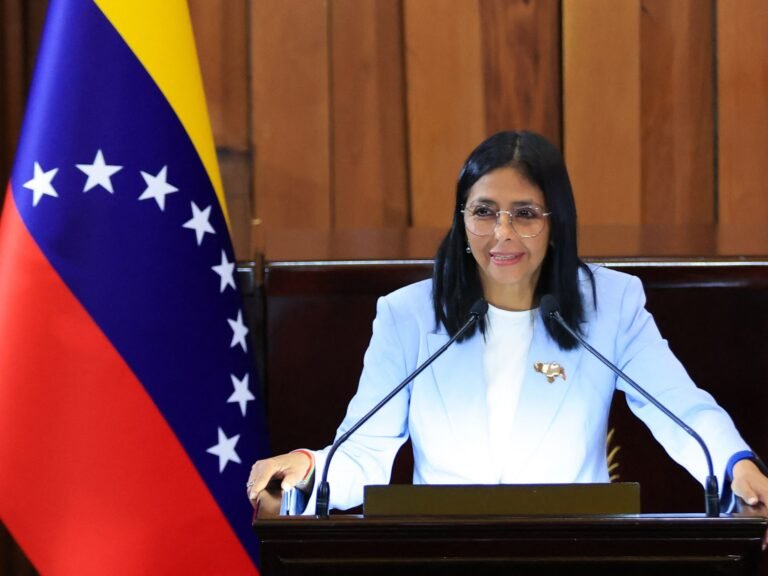
This new agreement came amid major political changes following the US military abduction of President Nicolas Maduro. On January 15, acting President Delcy Rodriguez proposed reforms to Venezuela’s hydrocarbons law, aiming to attract foreign investment by easing restrictions that had favoured nationalisations for the past 25 years.
US Energy Secretary Chris Wright also said on Friday that he plans to visit Venezuela soon to meet “all the leadership” and assess oil and gas operations, as Washington signals it intends to oversee Venezuela’s oil sector for the foreseeable future.
As Venezuela moves forward amid these political changes, we examine how the government sustains its operations and the challenges it currently faces.
What is the context, and what has been happening in Venezuela?
One month after the US military action known as Operation Absolute Resolve, Venezuela is navigating a volatile political and economic landscape. The operation, conducted on January 3, 2026, resulted in the abduction of Maduro and his wife, Cilia Flores. According to Venezuela’s Ministry of Defence, the extraction was deadly, resulting in at least 83 deaths.
In the aftermath, the Supreme Tribunal of Justice declared Maduro’s capture a “forced absence” and appointed Rodriguez as acting president. While Rodriguez condemned the US action as an “illegal kidnapping,” she has since signalled willingness to cooperate with Washington, including proposing reforms to attract foreign investment in the oil sector.
She has also framed herself as shaping a new order while maintaining tight control over the implementation of reforms.
Domestically, in late January, Rodriguez also announced a mass amnesty bill aimed at releasing political prisoners and plans to repurpose the notorious El Helicoide prison into a community centre.
Critics, however, argue that these measures may not address Venezuela’s structural problems, raising questions about the interim government’s long-term legitimacy and direction.
Who are the key people running the Venezuelan government?
In Venezuela, power remains concentrated in a “civic-military” alliance.
While Rodriguez holds formal executive authority, analysts like Salvador Santino Regilme, a political scientist who leads the international relations programme at Leiden University in the Netherlands, say that in this case “real power is best understood as residing within a governing coalition rather than a single office-holder.”
Here are some of the key figures forming her government:
Jorge Rodriguez (Head of the National Assembly): The interim president’s brother controls the legislature. He was the architect behind the fast-track approval of the new energy reforms. “Rodriguez controls the legislative agenda and its outcomes,” said Carlos Pina, a Venezuelan political analyst.
Venezuela’s National Assembly President Jorge Rodriguez [Leonardo Fernandez Viloria/Reuters]
Diosdado Cabello (Interior Minister): He represents the hardline ideological wing of Chavismo. But he is under pressure: With a $25m US bounty on his head for narco-terrorism charges, he faces an ultimatum from Washington to cooperate with the transition or face arrest.
Venezuela’s Interior Minister Diosdado Cabello speaks [Marco Bello/Reuters]
Vladimir Padrino (Defence Minister): He has held the military chain of command together, staying in his post for more than 11 years despite a US drug trafficking indictment and a $15m bounty for his capture.
Venezuela’s Defence Minister Vladimir Padrino Lopez [Leonardo Fernandez Viloria/Reuters]
Pina also noted that one actor is often overlooked: the business sector.
“Many business leaders who are still operating inside the country have rallied behind Rodriguez, even before she assumed the interim presidency,” Pina explained. “This group has positioned itself as a kind of shadow power,” he added.
Venezuela’s interim President Delcy Rodriguez, flanked by Jorge Rodriguez and Cabello [File: Miraflores Palace/Handout via Reuters]
How is the current government paying its bills?
Venezuela has the world’s largest proven oil reserves, estimated at 303 billion barrels, more than five times those of the US. As such, oil remains one of its main sources of income.
“Venezuela’s fiscal survival still depends primarily on hydrocarbons, because oil remains the only sector capable of generating rents at scale,” Santino told Al Jazeera.
The current financial control mechanism operates through several stages, from oil extraction to the final disbursement of funds.
Payments are not sent directly to Venezuela. Instead, they go through US-supervised channels and are deposited into a restricted account in Qatar, to stop creditors from seizing the money to recover Venezuela’s estimated $170bn in external debt.
The US also oversees the distribution of these funds. Venezuela must submit budget requests for specific uses, such as paying teachers, police and healthcare workers. Once approved, the funds are transferred to the Central Bank of Venezuela and then to private local banks.
“Venezuela will submit every month a budget of ‘this is what we need funded.’ We will provide for them at the front end what that [oil] money can be used for,” Rubio detailed the plan during an appearance before the Senate Foreign Relations Committee in January.
“I understand it’s novel, but it’s the best we could come up with in the short term,” Rubio added.
However, experts have raised concerns about the implications of this arrangement.
“Right now, given the control … even though you have a facade, you have an interim president, Delcy Rodriguez, and other members, the one who really has control is Donald Trump,” Jose Manuel Puente, a professor at the Instituto de Estudios Superiores de Administracion in Caracas, said.
“Venezuela is a state under tutelage right now by the US. The US took control of all its income,” he added.
Some US officials have also criticised the arrangement. Democrat Lloyd Doggett said Rubio’s testimony “raised more questions than answers”
“There are currently no safeguards to ensure the Rodriguez family does not use the revenue to pay off Maduro’s allies,” Doggett said.
And by following this scheme, “[Trump] is unlawfully refusing to honour debts owed to US institutions … and [he] instead appears to be rewarding his donors,” he added.
Are there any other sources of government revenue?
The government has tried to diversify its revenue streams beyond oil.
The country possesses the largest official gold reserves in Latin America. Venezuela’s reserves are approximately 161.2 metric tonnes, worth more than $23bn in today’s market value.
The country is also believed to hold some of the most significant untapped gold resources, but official data is outdated. Large parts of gold production happen through informal or illegal mining networks, especially in southern states like Bolivar.
According to the government in 2025, Venezuela produced 9.5 tonnes of gold in 2025.
“In recent years, gold has increased its share, just like some small export areas, such as the case of tropical fruits, or the case of shrimp,” Puente explained.
“There are some sectors that generate some income, but it is still completely asymmetric in favour of oil,” he added.
How are things looking inside the country?
>With more than 7.9 million people requiring urgent humanitarian assistance and approximately 56 percent of the population living in extreme poverty, according to the United Nations and the European Civil Protection and Humanitarian Aid Operations, the administration faces immense pressure to implement effective solutions.
Nationals are struggling with wages that are too low to cover basic living costs.
“I am a housewife. I don’t work. My two older children work, but they earn salaries that are not enough,” Zulma Clavo, a Petare resident in Caracas, told Al Jazeera.
“My son works as a motorcycle taxi driver and has to take risks just to survive, and my daughter earns the minimum wage, and it’s still not enough. When we go grocery shopping, we realise we have to put things back because we don’t have enough money,” she added.
Experts say there will be some economic relief as oil production increases.
“And that, evidently, is going to be a significant flow [of funds]. The thing is, who will finally decide how and in what that large amount of money is invested will be the Americans, and that is the point of difference,” Puente said.
We’ve now combed through hundreds of thousands of files, photos and videos.
They stretch back decades but their effect has been immediate. All week we have said that being mentioned in the files is not evidence of wrongdoing, and that remains a true and important point.
But the release has permanently tarnished reputations and, at the very least, raised questions about supposedly clever people’s judgement.
There is no evidence to suggest wrongdoing by the tech moguls Bill Gates and Elon Musk, for example.
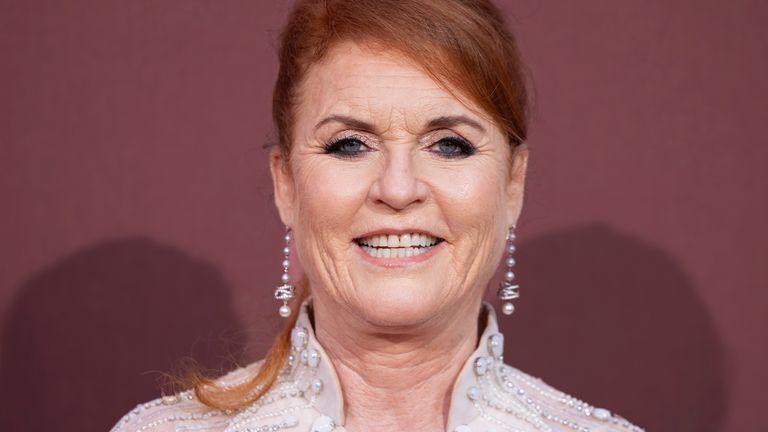
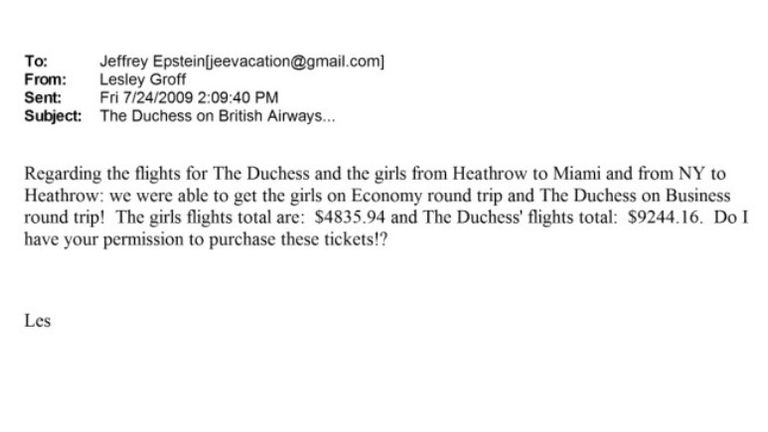
But the files show that both, like Mandelson, associated with Epstein after his conviction for child prostitution. Sarah Ferguson took her daughters to meet Epstein in Miami the week after his release for that very offence.
Sarah Ferguson has previously said her involvement with Epstein was “a gigantic error of judgment”.
Image:Sarah Ferguson’s communications with the Epstein have been laid bare
Image:An email discussed flights being purchased for Ferguson and her daughters
Some, like Mandelson, have argued that they didn’t have the full picture of Epstein’s crimes. But the files also show that many people refused to have anything to do with Epstein after his conviction.
They didn’t need to know every detail to understand, like Melinda Gates did in just one meeting, that Epstein was “evil personified”.
We do now have the full picture, or as full as we can hope for, and it is bleak.
Epstein files: What the latest pictures show
It is the experiences of the survivors – or victims, because not everyone survived, like Virginia Giuffre who died last year – that haunts the documents.
Much of the files look dry and methodical, including one which details some witnesses interviewed by authorities, but on closer inspection you can see it is their high schools that are listed; all are 17, and between them they were abused hundreds of times.
Or the victim who took a pen to the title of her journal, “Flights of fancy”, and altered it to read “Flights and yachts of horror”. Or the testimony of Lisa Phillips, who spoke to Sky News this week:
Image:Epstein files extract with the passage Flights of fancy amended
“One of the young girls came to the door and said, you know, Jeffrey’s ready for his massage and, I argue with the girls for a little bit because I don’t want to do a massage.
“I went with the other girl who brought me to the island. I went into the room to do this massage, and the massage turned into a sexual assault.”
The great and the good visited that same island, or they sought invitations. Unlike Lisa, they had a choice.
Former Acting DHS Secretary Chad Wolf joins ‘America’s Newsroom’ to react to border czar Tom Homan’s decision to reduce the federal presence in Minneapolis amid a push to allow agents into prisons to detain dangerous individuals.
NEWYou can now listen to Fox News articles!
A federal judge dealt the Trump administration a blow on Thursday by blocking the Internal Revenue Service (IRS) from providing residential addresses to Immigration and Customs Enforcement (ICE).
U.S. District Judge Indira Talwani — who was nominated by former President Barack Obama — argued that the sharing of data could violate a section of the Tax Act of 1976, which includes privacy protections for taxpayers. The judge’s order blocks ICE and the IRS from sharing data while also prohibiting the use of data that had already been transferred pending a court review.
“Defendants DHS, Secretary Noem, ICE, Acting Director Lyons, and their agents, are enjoined from inspecting, viewing, using, copying, distributing, relying on, or otherwise acting upon any return information that had been obtained from or disclosed by the IRS Defendants pursuant to the information sharing arrangements, including the information received August 7, 2025,” Talwani’s order reads.
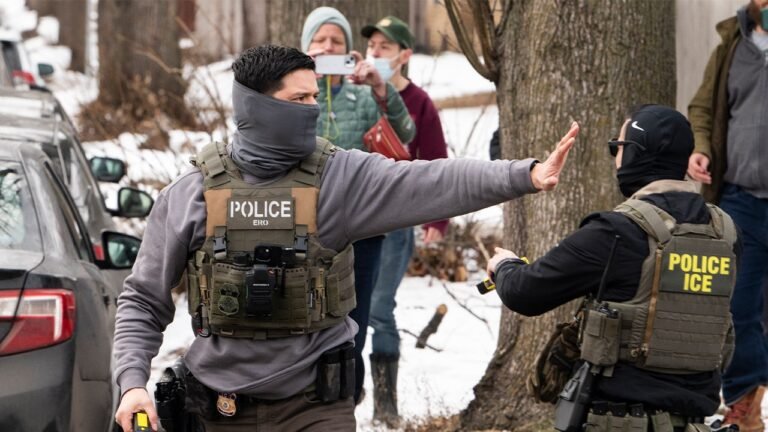
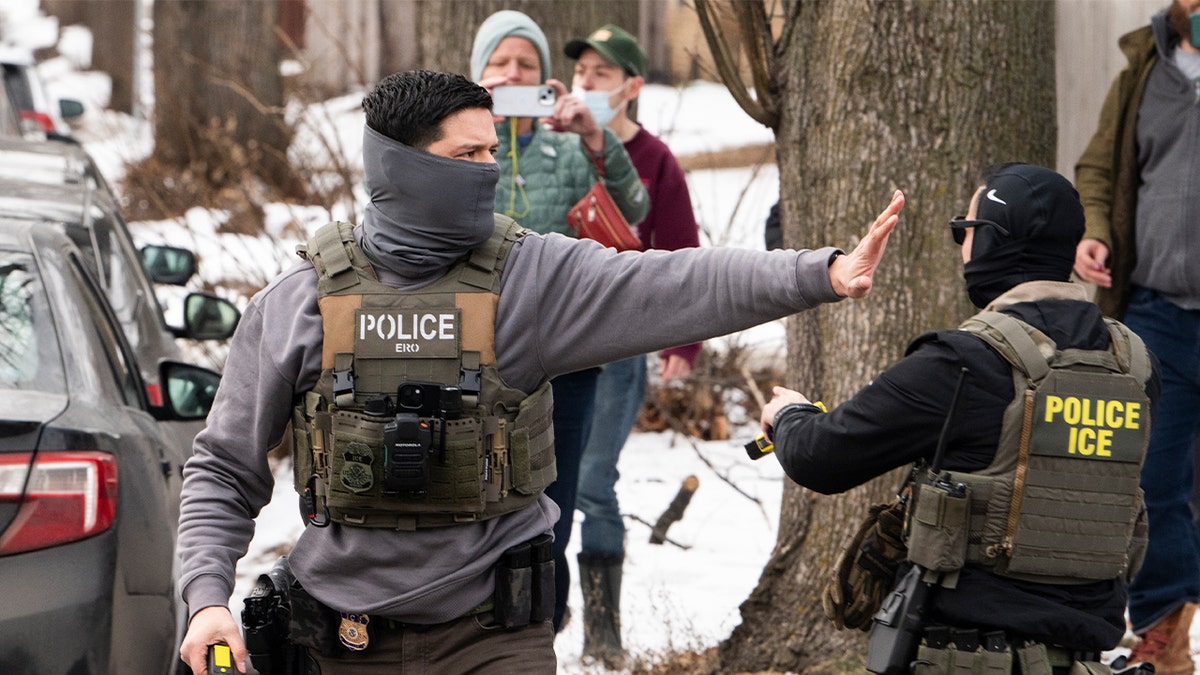
Observers film ICE agents as they hold a perimeter after one of their vehicles got a flat tire on Penn Avenue on Feb. 5, 2026, in Minneapolis, Minn. (Stephen Maturen/Getty Images)
In addition to concerns about taxpayers’ privacy, Talwani addressed the chilling effect this could have on tax filings by immigrants, as well as the possibility that people could be wrongfully arrested due to mistaken identity. She said that the plaintiffs had “demonstrated that a significant portion of immigrant communities not only share common last names… but also live in shared homes or in the same apartment complexes,” adding to concerns about mistaken identities.
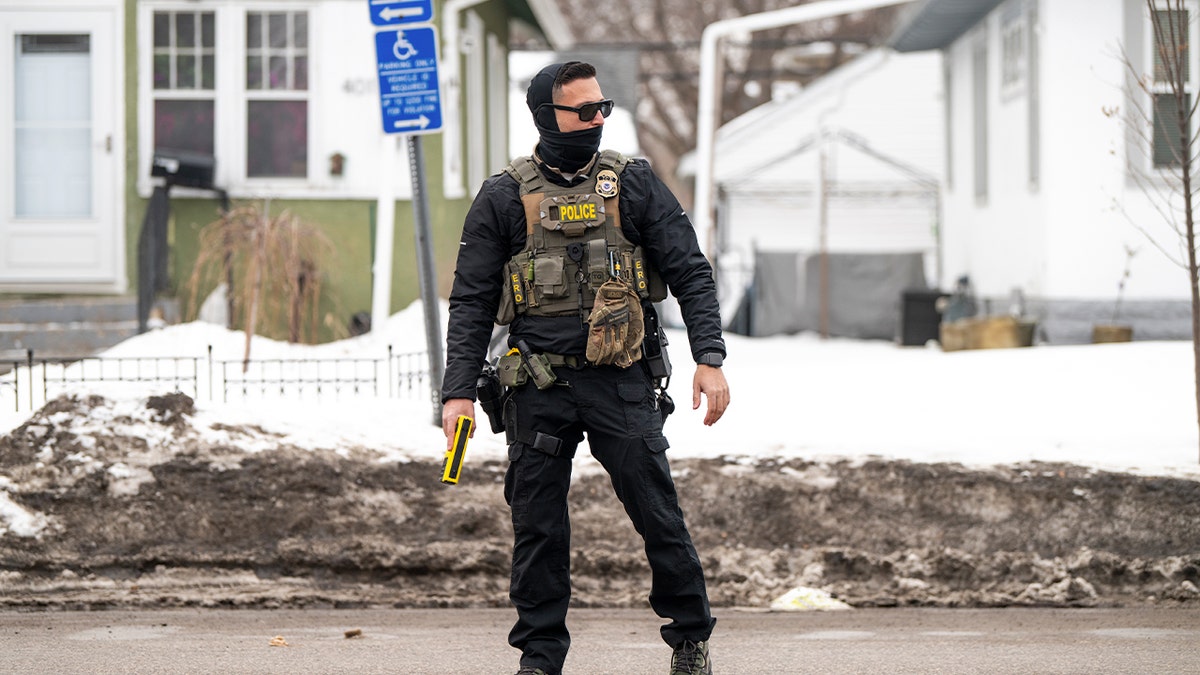
An ICE agent holds a taser as they stand watch after one of their vehicles got a flat tire on Penn Avenue on Feb. 5, 2026, in Minneapolis, Minn.(Stephen Maturen/Getty Images)
The plaintiffs in the case were four community groups: Community Economic Development Center of Southeastern Massachusetts (CEDC), National Parents Union (NPU), National Korean American Service and Education Consortium (NAKASEC) and UndocuBlack Network, Inc. (UBN).
The order states that on April 7, 2025, the IRS and ICE established a Memorandum of Understanding to share taxpayer data, supporting a federal crackdown on illegal immigration. ICE subsequently issued three data requests, including an initial June 5 query for 7.6 million individuals, a June 24 request for 7.3 million records and a final June 27 submission for 1.2 million people. While the IRS rejected the first two for legal deficiencies, it approved the third and ultimately transferred over 47,000 addresses to ICE in August 2025. However, now that information is being frozen and cannot be used.
“We disagree with this activist judge’s ruling. Under President Trump’s leadership, the government is finally doing what it should have all along — sharing information across the federal government to solve problems. Biden not only allowed millions of illegal aliens to flood into our country, but he lost them through incompetence and improper processing,” a Department of Homeland Security (DHS) spokesperson told Fox News Digital.
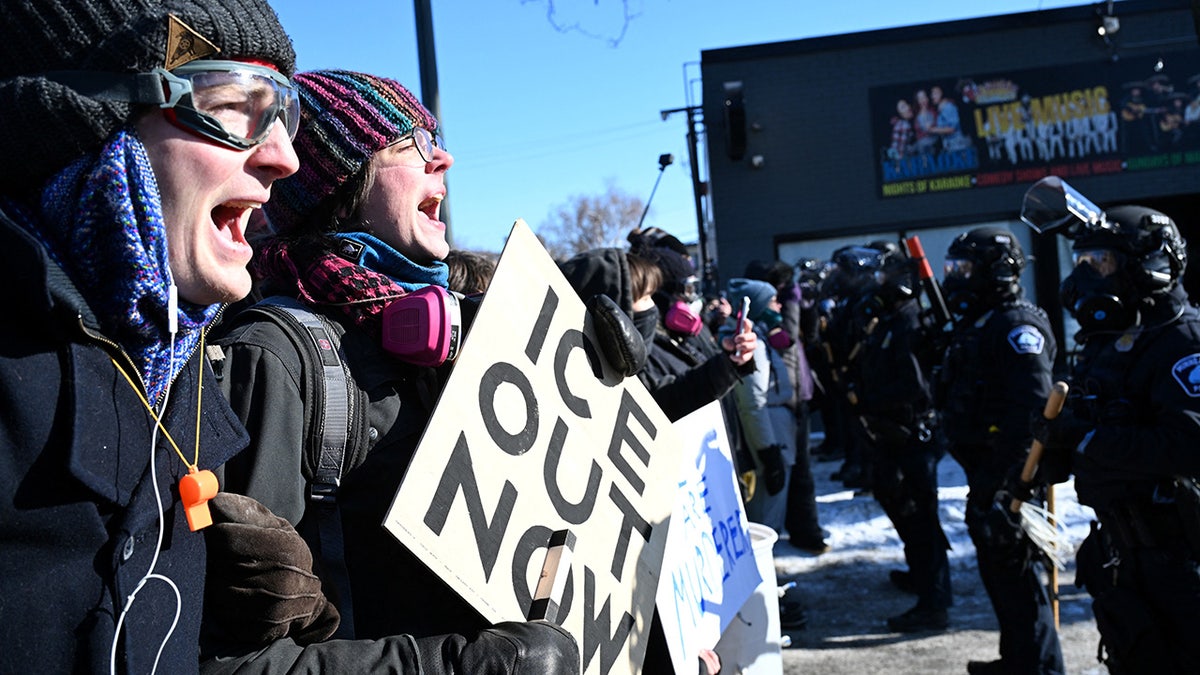
Protesters, using whistles to alert neighborhoods to ICE activity, face off with Minneapolis police officers in Minneapolis, Minn., on Jan. 24, 2026. (ROBERTO SCHMIDT /AFP via Getty Images)
“Information sharing across agencies is essential to identify who is in our country, including violent criminals, determine what public safety and terror threats may exist so we can neutralize them, scrub these individuals from voter rolls, and identify what public benefits these aliens are using at taxpayer expense. With the IRS information specifically, DHS plans to focus on enforcing long-neglected criminal laws that apply to illegal aliens but which the Biden Administration ignored,” the spokesperson added.
Talwani is the second judge to block the IRS-ICE information sharing agreement. The first was U.S. District Judge Colleen Kollar-Kotelly, who said it violated a taxpayer confidentiality law, Politico noted. The outlet added that Kollar-Kotelly had also blocked Treasury Secretary and acting IRS commissioner Scott Bessent from disclosing taxpayer information to DHS unless it was being transferred to someone working on a non-tax criminal probe. Kollar-Kotelly was nominated by former President Bill Clinton.
Rachel Wolf is a breaking news writer for Fox News Digital and FOX Business.
Mexico’s President Claudia Sheinbaum has announced that her country will ship humanitarian aid to Cuba, as she continues to negotiate with United States President Donald Trump to relax the oil blockade he has imposed on the island nation.
Speaking on Friday from Michoacan, Sheinbaum added that her government would be delivering the aid imminently.
Recommended Stories
list of 3 itemsend of list
“We are planning to send this aid, if not this weekend, then on Monday at the latest,” she said. “It is mainly food and some other supplies that they have requested.”
She added that she would also continue “diplomatic efforts” with the US to restore Cuba’s access to oil, a necessary fuel to power the country’s electrical grid.
But Sheinbaum acknowledged that the US has threatened to issue tariffs against any country that seeks to circumvent its energy blockade.
“Obviously, we don’t want sanctions against Mexico,” she told reporters.
Her remarks come after Trump issued an executive order last week declaring that Cuba’s communist government constituted an “unusual and extraordinary threat” to the US, thereby requiring a national emergency declaration.
Trump cited reports of human rights violations on the island, the mass exodus of migrants and asylum seekers from Cuba, and the country’s ties to Russia, China and Iran.
As part of Trump’s declaration, his administration pledged to impose tariffs on any country that “provides any oil to Cuba”, whether directly or indirectly.
Aftermath of Maduro’s abduction
Trump has increased his pressure campaign against Cuba since January 3, when the US abducted Venezuelan leader Nicolas Maduro.
Cuba and Venezuela have long been close regional allies. But following Maduro’s ouster, the US has exerted pressure on the government of interim Venezuelan President Delcy Rodriguez.
Venezuela has since agreed to comply with a US demand to end its supply of oil and funds to Cuba.
“Cuba lived, for many years, on large amounts of OIL and MONEY from Venezuela,” Trump wrote on January 11.
“THERE WILL BE NO MORE OIL OR MONEY GOING TO CUBA – ZERO! I strongly suggest they make a deal, BEFORE IT IS TOO LATE.”
Cuba has seen antigovernment protests erupt in recent years as the island suffers from chronic power outages. Trump has previously said the country appears “ready to fall“.
Meanwhile, Mexico’s oil and petroleum sales to Cuba totaled $496m in 2025. The state-owned oil company Pemex has said the sales account for less than 1 percent of its production.
It has framed the shipments as purely humanitarian, with Cuba having suffered from rampant poverty and energy shortages amid a decades-long US embargo.
Earlier this week, a spokesperson for United Nations Secretary-General Antonio Guterres told reporters that the UN chief was “extremely concerned about the humanitarian situation in Cuba”.
The spokesperson, Stephane Dujarric, added that the situation in Cuba would “worsen, if not collapse, if its oil needs go unmet”.
Humanitarian aid
Still, critics have pointed out that a humanitarian crisis in Cuba could result in an influx of migrants and asylum seekers fleeing to the US, undermining Trump’s goal of reducing migration.
Cuba lies only 145 kilometres (90 miles) from the southern tip of the United States.
On Thursday, the US State Department announced it would provide an extra $6m in humanitarian aid to Cuba, adding to $3m in previously announced support.
The aid was set to be delivered by the Catholic Church, bypassing Cuba’s government.
Cuba’s Deputy Foreign Minister Carlos Fernandez de Cossio decried the move as duplicitous.
“Quite hypocritical to apply draconian coercive measures denying basic economic conditions to millions and then to announce soup & cans for a few,” de Cossio said in a post on social media.
US Secretary of State Marco Rubio — the child of Cuban immigrants — has long been a proponent of overthrowing the country’s government and has championed Washington’s “maximum pressure” campaign.
Latin American analysts have argued that Rubio may have helped to orchestrate the abduction of Maduro as a means to that end.
Some have noted that the Caribbean island has far less in the way of economic resources than Venezuela, making it potentially less attractive as a target for Trump.
But Cuban President Miguel Diaz-Canel has repeatedly pledged to defend his government, even to the “last drop of blood”.
On Thursday, Diaz-Canel said his government would roll out temporary measures in the next week to deal with fuel shortages amid blackouts in several provinces.
Diaz-Canel also said the country is open to dialogue with the US — but without “pressure or preconditions”.
The next Gruffalo book will introduce a new member to the monster’s family, best selling children’s author Julia Donaldson has revealed.
Gruffalo Granny will be published on 10 September 2026.
This third instalment comes more than 20 years after Donaldson‘s last foray into the deep dark wood, the 2004 The Gruffalo’s Child, which was a sequel to the 1999 best-selling original.
The news that she would be revisiting the character with knobbly knees, turned out toes and a poisonous wart on the end of his nose was first announced in April 2025.
Image:The Gruffalo writer Julia Donaldson. Pic: Alan Richardson
Now some details about the book have been released. It will feature a visit from new character the Gruffalo Granny, with an excerpt reading: “The Gruffalo said to his daughter one day, your Gruffalo Granny is coming to stay.”
The story, which will again feature illustrations by Donaldson’s frequent collaborator Axel Scheffler, will also see the return of the characters from the previous two books, including Fox, Snake, Owl and Mouse.
Image:The original Gruffalo. Pic: PA
Donaldson said: “It’s always a challenge to write a sequel.
“Five years elapsed between publication of The Gruffalo and The Gruffalo’s Child, and now it will be more than 20 between The Gruffalo’s Child and the third book.
“I actually had the basic idea for the story a long time ago but couldn’t think how to develop it.
“It was only when the National Literacy Trust, whose work I’m very impressed by, used the first two books as part of their Early Words Matter programme that I was spurred on to get my idea out of the cupboard and see once and for all if I could turn it into a really satisfying story.
“To my surprise, I managed to do just that! I was of course delighted when Axel came on board and am even more so now that I’ve seen the brilliant illustrations he’s done for the new book.
“I really hope that children – and adults too – will enjoy the new story, as I know what a wonderful experience shared reading can be.”
Julia Donaldson discusses plot change of classic story
The Gruffalo and The Gruffalo’s Child have sold more than 18 million copies combined and the books have been translated into 115 languages and dialects.
Fans got the chance to see the illustration of Gruffalo Granny when Scheffler’s illustration was projected in central London and Glasgow on Friday evening.
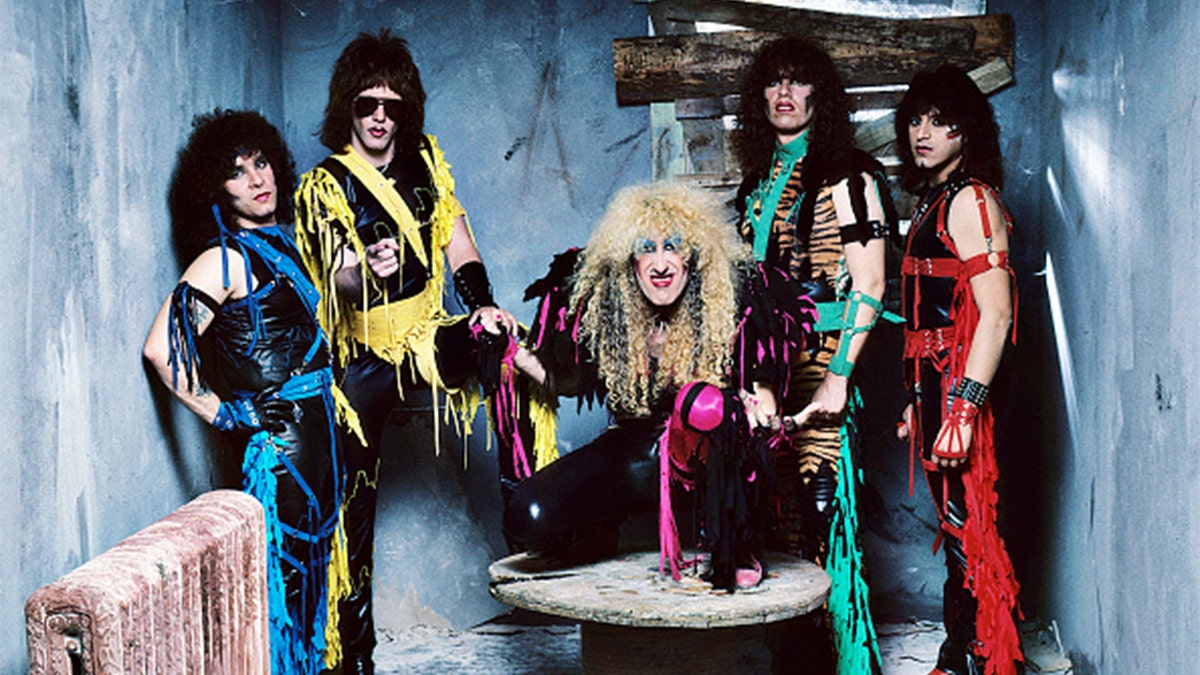
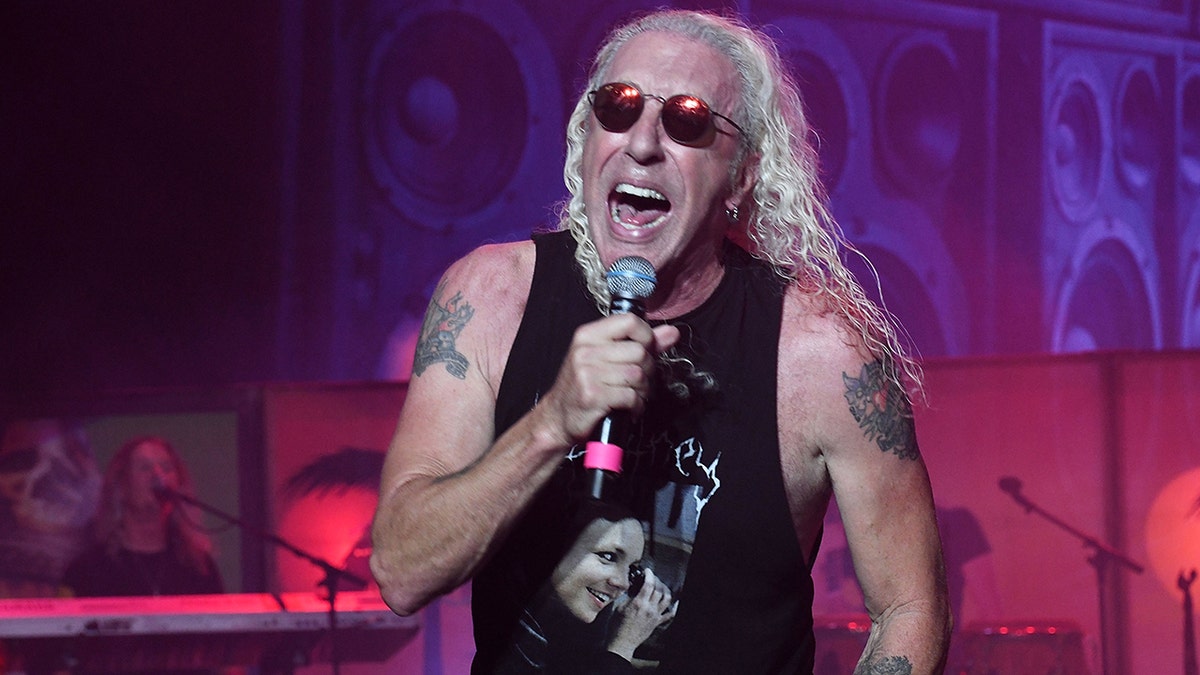
In a recent Instagram post, the band announced that all performances that were planned in celebration of the band’s 50th anniversary were canceled, following lead singer Dee Snider’s resignation.
“Due to the sudden and unexpected resignation of Twisted Sister’s lead singer Dee Snider brought on by a series of health challenges, the band has been forced to cancel all shows scheduled, beginning April 25th in Sao Paolo Brazil and continuing through the summer,” the band’s statement read.
The statement continued by addressing the future of the band, stating that it “will be determined in the next several weeks,” and encouraged fans to “stay tuned for updates.”
Twisted Sister has canceled their 50th anniversary performances due to Dee Snider’s health.(Mark Weiss/Getty Images)
Fans of the iconic band took to the comment section to show their love for the musicians, with one writing, “Heartbreaking news. Endless respect for a man who gave everything to rock ‘n’ roll. We stand with you, Dee.”
Another wrote, “The legend of TS lives on forever. We don’t need any come back or anniversary shows. The albums, photos, videos and memories remain forever, for all to see and hear.”
A separate statement shared on the band’s website on Feb. 5 read that “a lifetime of legendarily aggressive performing has taken its toll on Dee Snider’s body and soul.” It revealed that Snider has been suffering from degenerative arthritis, and that he’s had multiple surgeries in order to perform.
“Adding insult to injury, Dee has recently found out the level of intensity he has dedicated to his life’s work has taken its toll on his heart as well,” the statement continued. “He can no longer push the boundaries of rock ‘n’ roll fury like he has done for decades. Says Snider, ‘I don’t know of any other way to rock. The idea of slowing down is unacceptable to me. I’d rather walk away than be a shadow of my former self.'”
Snider has been dealing with health issues for many years.(Bobby Bank/Getty Images)
The statement concluded: “In the immortal words of Dirty Harry, ‘A man’s got to know his limitations.’ Sadly, Dee Snider now knows his.”
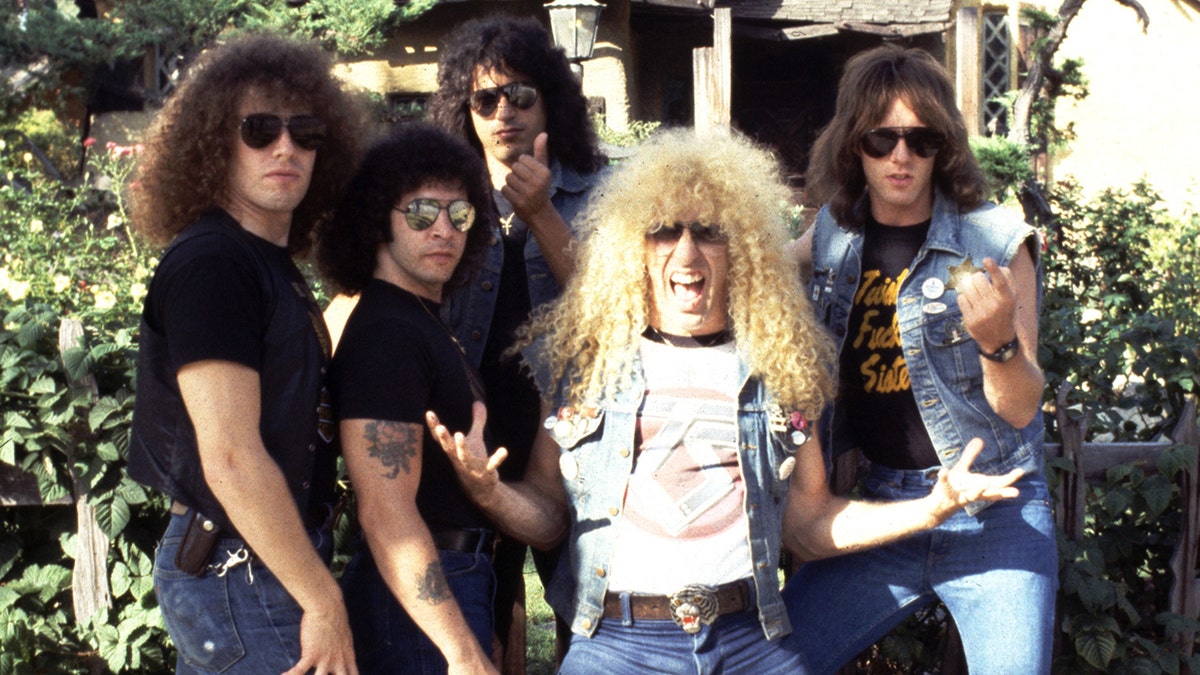
Twisted Sister first formed in the early 1970s, with Snider joining in 1976, bringing his talents as a vocalist and as a songwriter. Their first album with a major record company was released in 1983, but it was their 1984 album, “Stay Hungry” that made them a household name.
After years of success, the band disbanded in 1988, but reunited in 1997. Although they didn’t release new music, they performed together often.
When speaking with Fox News Digital in June 2024, Snider discussed the hard times that came after the band broke up, saying he “lost everything.”
Their 1984 album “Stay Hungry” made Twisted Sister a household name.(Chris Walter/WireImage)
“Double bankruptcy, my career collapsed,” he said. “I was riding a bicycle to a desk job, answering phones. I was married, had three kids. You know, things just went incredibly south.”
WATCH: DEE SNIDER SHARES HARD TIMES HE FACED AFTER TWISTED SISTER BREAKUP
He added, “People need to hear those stories and know they’re not alone.”
Cloudflare says DDoS crews ended 2025 by pushing traffic floods to new extremes, while Britain made an unwelcome leap of 36 places to become the world’s sixth-most targeted location.
The Q4 stats confirm it was a lively year for traffic floods, with Cloudflare claiming it had to swat away 47.1 million DDoS attacks, more than double 2024’s count. Momentum picked up toward the end of the year, as Q4 volumes jumped 31 percent from the prior quarter and 58 percent over 2024.
Aisuru-Kimwolf, a botnet made up largely of malware-infected Android TVs, was behind the largest blast of the quarter, pushing traffic to a record-breaking 31.4 Tbps. The campaign, dubbed “The Night Before Christmas,” kicked off on December 19 and targeted Cloudflare customers as well as Cloudflare’s own dashboard and infrastructure in parallel.
“As the number of attacks increased over the course of 2025, the size of the attacks increased as well, growing by over 700 percent compared to the large attacks seen in late 2024,” Cloudflare said.
Scale isn’t the only thing shifting, as Cloudflare reports that attackers are ditching long-haul floods in favour of smash-and-dash traffic spikes. Some incidents during the campaign wrapped up in well under two minutes yet still pushed traffic into the billions of packets per second, underscoring how sheer speed has become the real weapon.
Cloudflare attributes much of the surge to large botnets built from compromised internet-connected devices, including routers, cameras, and DVRs. The company also says attackers are increasingly abusing cloud-hosted virtual machines to generate large bursts of traffic, allowing them to scale attacks quickly.
The geographic shifts are equally notable. While China, Hong Kong, Germany, Brazil, and the United States remained among the most frequently targeted regions, the United Kingdom’s sudden rise to number six stands out.
Cloudflare doesn’t attribute the UK’s climb to any single campaign, though the country is in several well-known DDoS crosshairs. Financial services remain a favourite target, and geopolitical tensions are adding fresh fuel. Pro-Russian hacktivists NoName057(16), for example, have repeatedly claimed responsibility for attacks on UK government and public sector websites. Britain’s dense telecoms and cloud infrastructure also make it a high-impact disruption target.
Attackers didn’t stray far from their favourite punching bags. Telecom providers, IT service firms, and gambling and gaming sites once again absorbed a big slice of the DDoS noise, sectors where outages tend to trigger both lost cash and loud complaints. Most assaults also stuck to the lower plumbing of the internet, with Layer 3 and Layer 4 attacks leading the charge.
Cloudflare says the only realistic way to keep up is to let the machines handle it, with autonomous systems detecting and blocking massive, short-lived attacks in real time without human intervention. The logic is fairly simple: when traffic surges to record levels and then vanishes within a couple of minutes, humans will never react quickly enough. ®
Yemen’s Saudi-backed presidential council announces the formation of the new government.
Published On 6 Feb 20266 Feb 2026
Share
Yemen’s Saudi-backed presidential leadership council has issued a decree to form a new government, with Shaya Mohsen Zindani confirmed as the country’s prime minister.
Zindani will also continue to serve as foreign minister, the state-run news agency Saba reported on Friday.
Last month, the council accepted the resignation of former Prime Minister Salem bin Breik and asked Zindani to form a cabinet.
Marwan Faraj bin Ghanim was named as minister of finance, while Mohamed Abdullah Ali was confirmed as oil minister. Taher Ali al-Uqaili will serve as defence minister, according to the presidential decree.
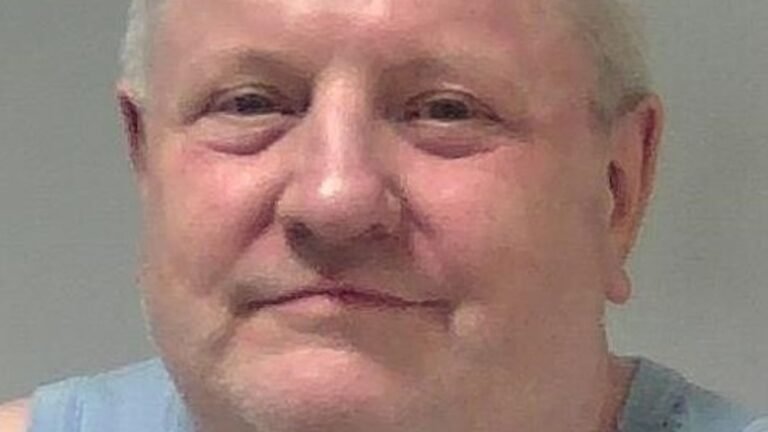
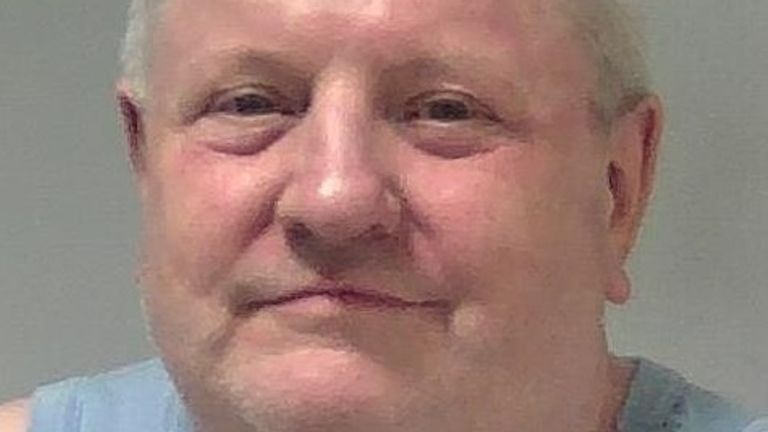
Police have launched a fresh appeal for information about “possible previous offending” by serial killer Steve Wright, as he was jailed for the murder of a teenager more than 25 years ago.
Wright, dubbed the “Suffolk Strangler”, was told he will die in prison as he was sentenced for the abduction and murder of 17-year-old Victoria Hall.
She had disappeared early on 19 September 1999 in a village on the outskirts of Felixstowe, Suffolk.
Wright – who was already serving a whole-life sentence for five other murders – was sentenced on Friday to life in prison with a minimum term of 40 years for Miss Hall’s murder and the attempted abduction of Emily Doherty.
Image:Steve Wright. Pic: Suffolk Constabulary/PA
Outside court after the hearing, Miss Hall’s father told reporters: “Unfortunately, my wife, Lorinda, has not lived to see this day, but she did know that it probably was Steve Wright…
“We lost our lovely daughter, sister, niece, granddaughter, have endured 26 years of hell, which will continue from today onwards and forever.”
He described his daughter as a “loving girl with a whole life before her” which was “snatched away” by Wright.
Suffolk Police said it was appealing for information relating to “possible previous offending” by Wright.
In a statement, the force said: “In light of the guilty plea by Steve Wright for the murder of Victoria Hall in 1999, the joint major investigation team are appealing for information relating to him and his possible previous offending.
“Suffolk and Norfolk constabularies are always alive to new information and how this could assist, alongside modern forensic and investigative techniques, to build an evidential case for court and bring offenders to justice.”
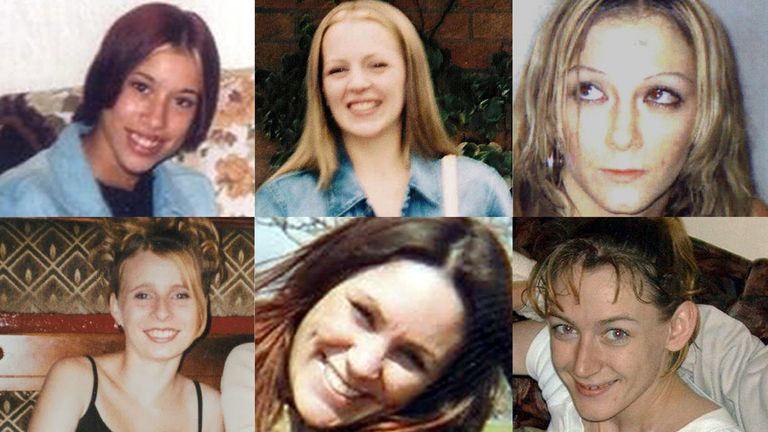
Image:Clockwise from top left: Tania Nicol, Gemma Adams, Anneli Alderton, Paula Clennell, Annette Nicholls, Victoria Hall. Pics: Suffolk Police/PA
Wright tried to abduct a then 22-year-old Ms Doherty just the night before Miss Hall’s murder. She had only survived after evading him and seeking refuge in a random couple’s home.
Ms Doherty exclusively told Sky News she believes if police had taken her story seriously, the other women Wright went on to murder may still be alive today.
How young woman escaped man who became a serial killer
In her first ever interview with the media, she described how, while she was on a night out, she had to flee from him repeatedly for 40 minutes until someone came to her aid.
But when police were called, they treated her like “a silly little girl”, and failed to follow it up with a full investigation – even after Ms Hall’s body was later found.
“It’s devastating what happened to everyone else, absolutely devastating,” Ms Doherty said.
“You can’t help thinking, if they had taken me seriously, Vicky could have survived, but certainly if they had found him sooner the five other women would still be here.”
On Monday, Wright admitted to the kidnap and murder of Miss Hall and the attempted kidnap of Ms Doherty.
No word from police on missed opportunities after sentencing
Miss Hall’s body was “callously discarded – stripped naked of everything except for her jewellery”, prosecutor Jocelyn Ledward KC told the Old Bailey.
The judge, Mr Justice Bennathan, said it was “extraordinarily unlikely” Wright would ever be released from prison.
He told Wright: “Given the sentence from your other dreadful crimes, it is almost certain you will die in prison.”
Wright appeared to give a slight shrug and smile as he was sent down from the dock.
After those incidents in the Suffolk town of Felixstowe in 1999, Wright went on to murder five other women.
In October 2006 Tania Nicol, 19, vanished from Ipswich; followed by Gemma Adams, 25, around two weeks later.
Then in December the body of Anneli Alderton, 24, was discovered in a woodland, followed later by Paula Clennell, 24, and Annette Nicholls, 29.
In 2008 was handed a a whole-life prison sentence for the murders.