Surveillance video allegedly shows Michigan synagogue attacker buying fireworks

0

NEWYou can now listen to Fox News articles!

Newly obtained images and video allegedly show the man accused in Thursday’s synagogue attack in Michigan purchasing more than $2,000 worth of fireworks two days before ramming a truck into Temple Israel outside Detroit.

Video obtained by Fox News allegedly shows 41-year-old Ayman Mohamad Ghazali of Dearborn Heights making two purchases of fireworks totaling $2,250.96 at the Phantom Fireworks showroom in Livonia, Michigan, on March 10.

According to Phantom Fireworks, Ghazali made one purchase for $1,369.02 at 2 p.m. and another for $881.94 at 2:17 p.m. He purchased 20 items, including a variety of firecrackers, aerial repeaters and a fountain product.

Alan Zoldan, executive vice president of Phantom Fireworks, told Fox News there “was nothing really too suspicious” about the purchase, noting that Ghazali “seemed like he was in a good mood.”

FOX NEWS ‘ANTISEMITISM EXPOSED’ NEWSLETTER: MICHIGAN SYNAGOGUE ATTACKER IDENTIFIED
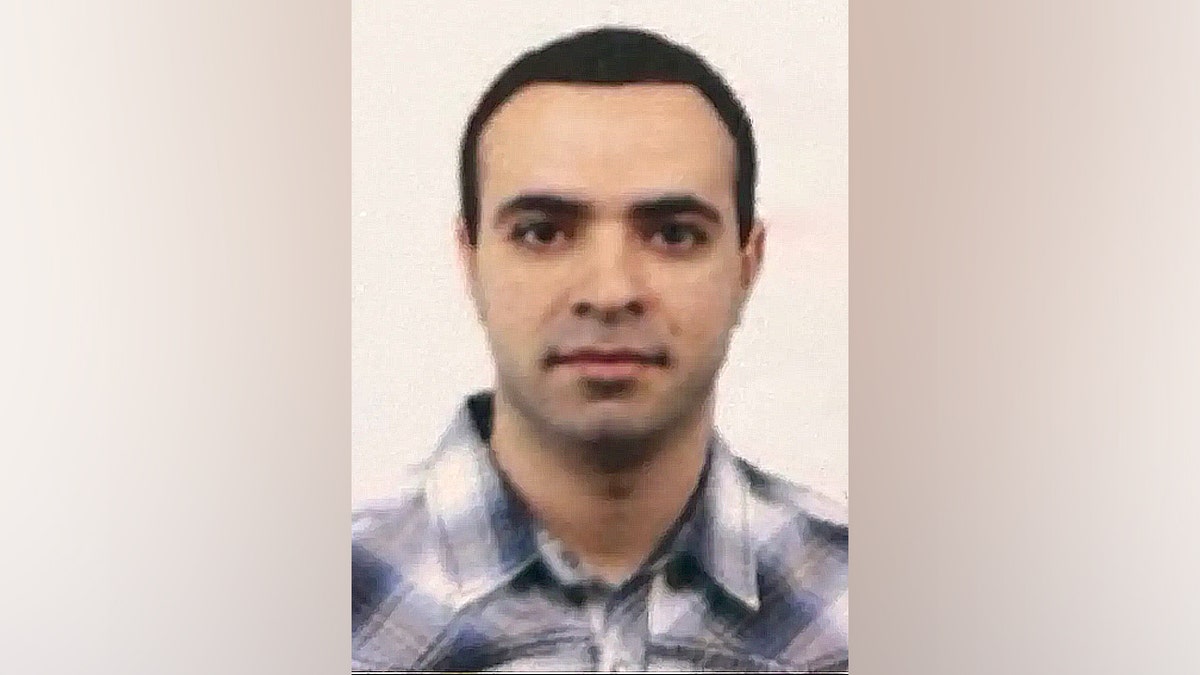
Ayman Mohamad Ghazali wearing a collared shirt in front of a white wall

A photo of Ayman Mohamad Ghazali, the man identified by officials as the Temple Israel attacker.  (Obtained by NYPost)

Zoldan said the items Ghazali was buying were based on how they sounded and that he was looking at fireworks “that were either shaped like they were possibly very strong or had names like ‘Military Demolitions’ and ‘Da Bomb.’”

“He obviously thought that they were going to be stronger and perhaps more devastating than they were,” Zoldan said.

Surveillance footage allegedly shows Ghazali shopping in the store’s retail showroom, where he spent about 45 minutes. After making the first purchase, he loaded the fireworks into the bed of his pickup truck and then returned inside to make an additional purchase.

FBI HELD ACTIVE SHOOTER TRAINING AT MICHIGAN SYNAGOGUE WEEKS BEFORE ATTACK

Ayman Mohamad Ghazali purchasing fireworks

Surveillance footage allegedly shows Ayman Mohamad Ghazali inside a Phantom Fireworks store in Livonia, Michigan, where he purchased more than $2,000 worth of fireworks days before the synagogue attack on March 12. (Obtained by NYPost)

Zoldan added there was no noticeable tension or anything that would raise suspicion for employees.

Ghazali allegedly rammed a vehicle into Temple Israel, a large Reform Jewish synagogue in West Bloomfield, shortly before 12:30 p.m. local time. He then exited the vehicle with a rifle and exchanged gunfire with armed security, who shot and killed him.

All preschool children and staff were safely evacuated from the synagogue.

FIREWORKS EXECUTIVE RIPS PAGE FROM BOSTON BOMBING PLAYBOOK TO TRACE NYC TERROR SUSPECT
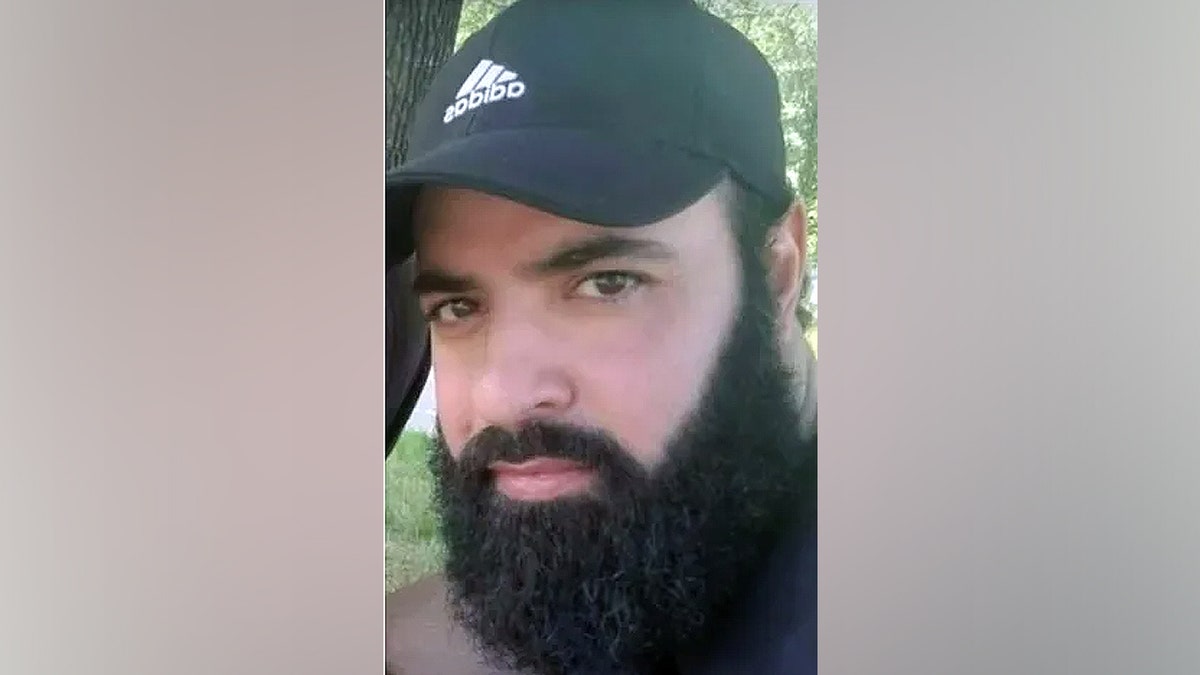
Ayman Mohamad Ghazali wearing an Adidas hat

Ayman Mohamad Ghazali, 41, was allegedly seen in newly obtained surveillance footage purchasing fireworks days before the attack at Temple Israel in West Bloomfield, Michigan. (Obtained by NYPost)

Jennifer Runyan, special agent in charge of the FBI’s Detroit field office, said during a news conference Friday that Ghazali was “forensically confirmed” to be the assailant.

She said Ghazali had no previous criminal history or registered weapons and had never been the subject of an FBI investigation.

After engaging security officers in a gunfight, Ghazali’s vehicle engine compartment caught fire, and he became trapped in the synagogue hallway, according to investigators.

ARMED FBI AGENTS CARRY OUT SEARCH WARRANT BELIEVED TO BE IN CONNECTION TO SYNAGOGUE ATTACKER
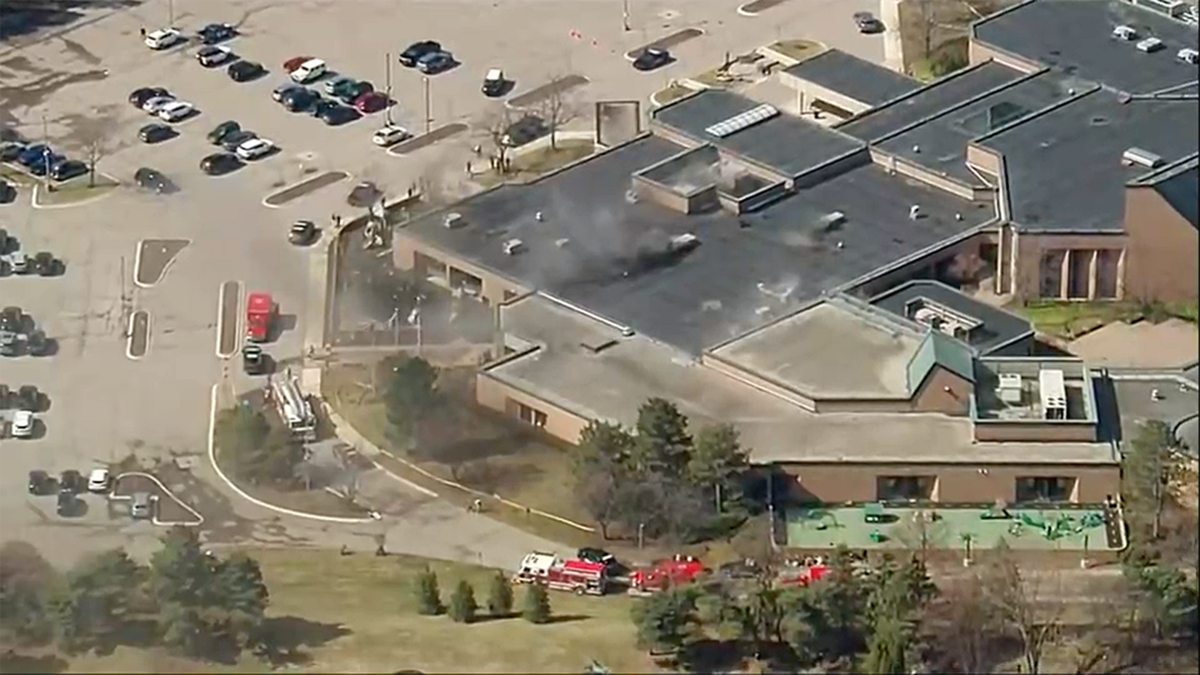
West Bloomfield, Michigan synagogue where shooting was reported

Law enforcement responded to Temple Israel in West Bloomfield, Michigan on March 12 after a suspect rammed a vehicle into the synagogue and opened fire before being shot by security. (WWJ)

“At some point during the gunfight, Ghazali suffers a self-inflicted gunshot wound to the head,” Runyan said.

She said agents found large quantities of commercial-grade fireworks and several jugs of flammable liquid, believed to be gasoline, in the bed of the truck. Some of the items were consumed in the fire, she added.

Dearborn Heights Mayor Mo Baydoun said during a news conference Friday that Ghazali, a Lebanese-born American citizen, had recently lost family members in Lebanon during the country’s conflict with Israel.

“We do know that the individual had recently suffered devastating and personal losses overseas due to an Israeli airstrike on his family’s home in Lebanon, leaving two children dead,” he said.

CLICK HERE TO DOWNLOAD THE FOX NEWS APP

“That grief is real and it’s heartbreaking,” he continued. “But let me be clear: that is not an excuse. These actions do not reflect our values as a city. This is not who we are. There is never an excuse for violence, especially violence directed at a sacred space.”

The incident remains under investigation.


Source link
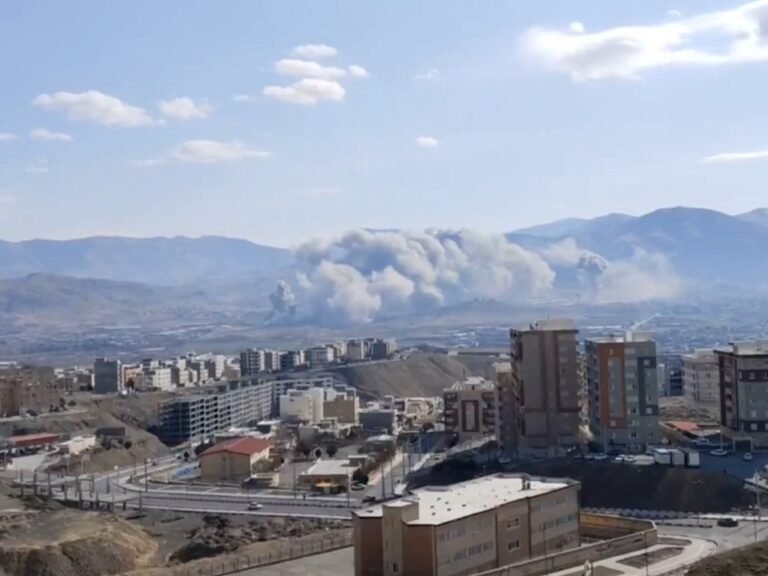
More than 110 people killed in Iran’s Kurdistan: Official | US-Israel war on Iran News

0

At least 112 killed in US-Israel attacks on Kurdistan province in Iran, with 969 injured, local officials say.

At least 112 people have been killed so far in United States-Israel attacks on Iran’s Kurdistan province, according to a local official quoted by state media, a dark twist as Washington encourages Iranian Kurdish forces across the border in Iraq to launch a ground operation into Iran.

The head of the Kurdistan Provincial Emergency Department on Friday said at least 969 people were injured in the attacks.

Recommended Stories

list of 3 itemsend of list

Twenty-seven people are currently hospitalised in standard wards, while five are in intensive care units, the official, who remained unnamed, added.

Kurds are an Indigenous ethnic minority of the Mesopotamian region, spread mainly across southeastern Turkiye, northeastern Syria, the semi-autonomous Kurdish region of northern Iraq, northwestern Iran and southwestern Armenia, sharing a distinct language and culture but lacking a state of their own.

They are also estimated to make up nearly 10 percent of Iran’s population, though no official figure exists.

The US-Israeli attacks on Iran’s Kurdistan province come amid speculation that President Donald Trump has been in direct talks with Iranian and Iraqi Kurdish groups, and that Washington aims to use them militarily on the ground to help trigger a popular uprising.

However, Trump last week said he did not want the Kurds to launch an offensive against Iran, saying the US did not want to “make the war any more complex than it already is”.

Iranian Kurdish opposition movements, many of which maintain close relations with Iraqi Kurdish factions, have long resisted Tehran while operating from bases in northern Iraq and areas along the Iran-Iraq frontier. Collectively, these groups are estimated to field several thousand fighters.

Last week, Iranian forces launched an operation against Kurdish groups in their semi-autonomous region of neighbouring Iraq.

The Iraqi Kurdish regional government has denied involvement in any plans to arm Kurdish groups and send them into Iran.


Source link
The house was run by grandfather’s pension, not by parents, Guruji showed humanity by getting the child a new uniform!

0

homeVideostrange and wonderful

The house was run by grandfather’s pension, not by parents, Guruji showed humanity by getting the child a new uniform!

X
title=

The house was run by grandfather’s pension, not by parents, Guruji showed humanity by getting the child a new uniform!

arw img

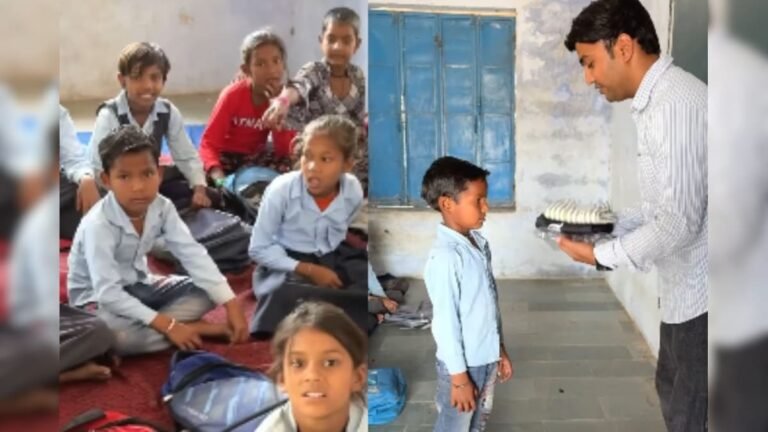
This story that emerged from a small town of Rajasthan has become an example of humanity and sensitivity. A small child used to come to school every day, but he did not have school uniform. He had no parents and lived with his grandfather, whose pension alone took care of the household expenses. Buying a uniform was on his list, but he had to wait for the pension to arrive. The child understood this and kept coming to school every day without any complaint. One day his teacher noticed this. He neither held any meeting nor told anyone, he just silently bought a new shirt and pants for the child. This small step became a great happiness for that child. For that child, it was not just clothes, but the feeling that someone was watching him, caring about him and that he was not alone in this world. Such small moments stay in the hearts of children forever and make them believe that good people still exist in the world. Video Credit: Instagram- @shubham_sherwal

To add News18 as your favorite news source on Google click here Do it.

Kharg shaken by American attack, more than 15 explosions heard, this area is very close to oil export

0

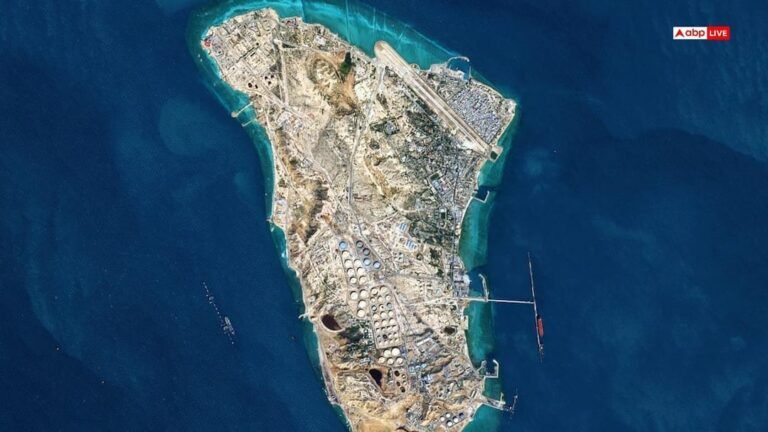
There is a tense situation after American air strikes on Iran’s strategically important Kharg island. According to local sources, during the attack, several continuous explosions were heard on the island and smoke was seen rising from some areas. However, preliminary reports say that there has been no damage to Iran’s vital oil infrastructure in these attacks.

More than 15 explosions were heard during the attack
Field sources said that during the attacks, more than 15 explosions were heard on Kharg Island. According to eyewitnesses, after the explosions, dense smoke was seen rising from some parts of the island, which can be gauged from the seriousness of the situation.

Military bases were targeted
According to sources, the enemy mainly tried to target military establishments in the attacks. These included the army’s air defense system, Joshan naval base, airport control tower and continental shelf helicopter hangar.

There was no damage to the oil infrastructure
According to information received from the field, despite these attacks, no major oil related structure of the island has been damaged. Kharg Island is considered very important for Iran’s oil exports, hence special caution is being taken regarding the security of this infrastructure.

Iran warns about consequences of attack on energy infrastructure
Iran had already warned that if its energy infrastructure was targeted, it would have serious consequences. Iran says that in such a situation, the oil and gas structures present in the entire region in which America and its allies have stake can be targeted.

Trump claims: All military bases on target
After the attacks, US President Donald Trump claimed that America had targeted all the military targets on Kharg Island. Earlier it was claimed by the enemy that the air defense system of the island has been completely destroyed. But air defense activities were seen again only about an hour after the attack, which has raised questions on these claims.

Missile and drone attacks continue
Trump has already claimed to completely destroy Iran’s missile capabilities. However, the series of missile and drone attacks by Iran has now reached the 48th round, due to which the tension in the region has increased further.

Access Denied

0

Access Denied You don’t have permission to access “http://hindi.gadgets360.com/mobiles/xiaomi-17t-pro-price-in-india-rs-55000-leaked-ahead-launch-dimension-8500-chip-6500mah-battery-features-more-news-11214298” on this server.

Reference #18.a8560e17.1773482752.597ae639

https://errors.edgesuite.net/18.a8560e17.1773482752.597ae639

Pakistani players in IPL: A total of 11 Pakistani players have played in IPL so far, one has won the trophy.

0

Last Updated:

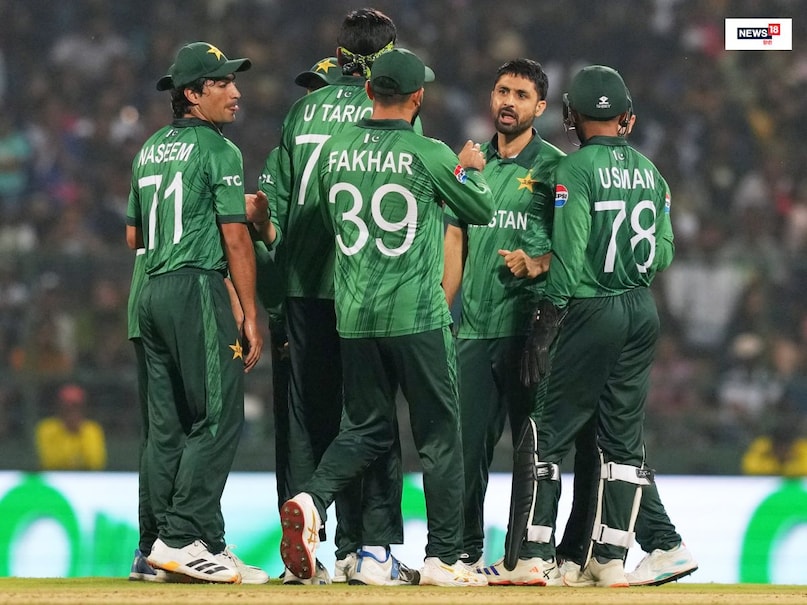
Pakistani players have not been seen in IPL for the last decade. Till now only 11 Pakistani players have participated in IPL. Due to political tension between India and Pakistan, he was not allowed to play in IPL since 2009.

The Indian Premier League (IPL) has become the world’s biggest T20 cricket league. The best players from all over the world participate in it. Pakistan is the only country whose players have been banned from playing in the tournament. Do you know, till now only 11 Pakistani players have played in IPL?

These players joined the first season of IPL in 2008. Due to political tension between India and Pakistan, Pakistani players were expelled from the league since 2009. IPL 2026 season is starting, so let us know about those 11 Pakistani players who participated in IPL.

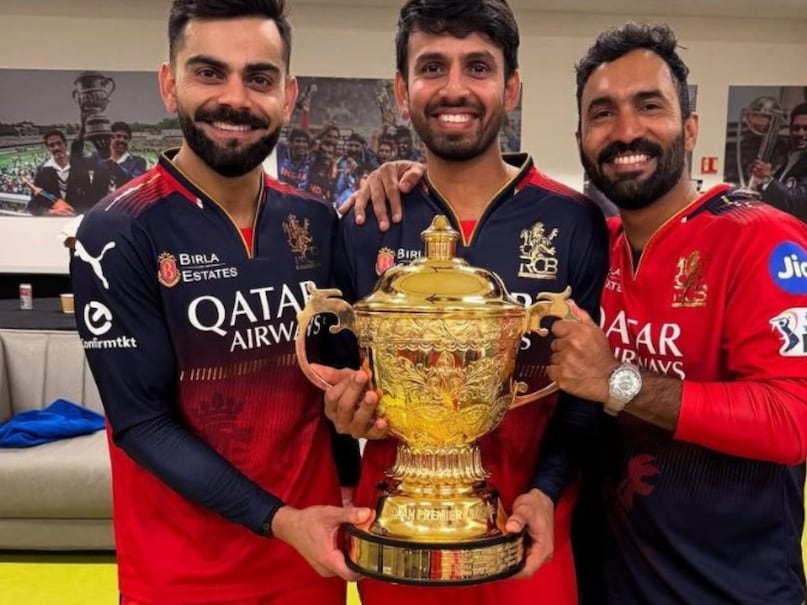
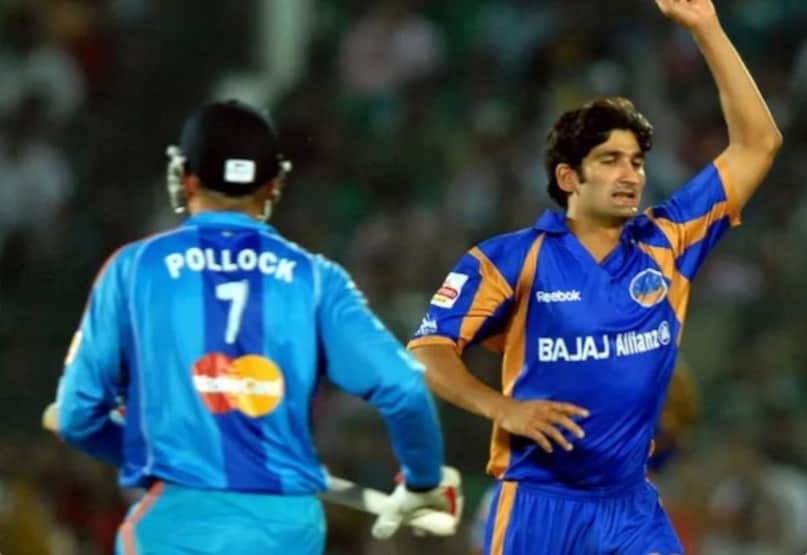
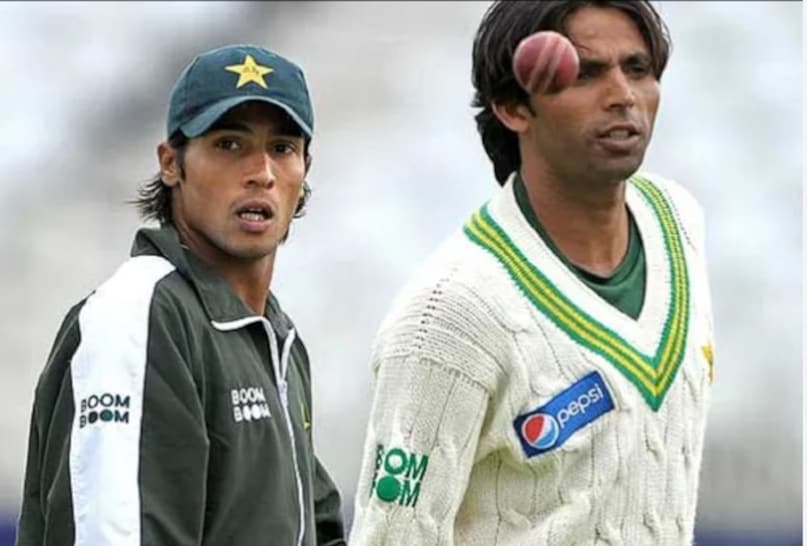
1. Sohail Tanvir (Rajasthan Royals): Left arm fast bowler Sohail Tanvir was the best performer among the Pakistani players in IPL 2008. While playing for Rajasthan Royals, he took 22 wickets in 11 matches and won the Purple Cap (highest wicket taker of the season). His best performance was 6/14 against Chennai Super Kings. Tanveer is the only Pakistani to win the IPL trophy.

Add News18 as
Preferred Source on Google

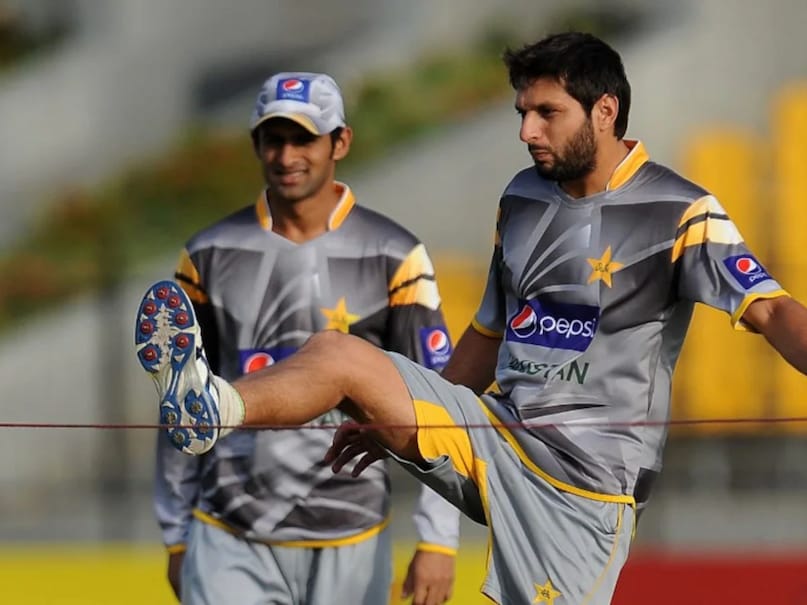
2. Shahid Afridi (Deccan Chargers): Global T20 superstar Shahid Afridi played for Deccan Chargers, but could not leave much of an impact. He scored only 81 runs in 10 matches and took 9 wickets with his leg spin.

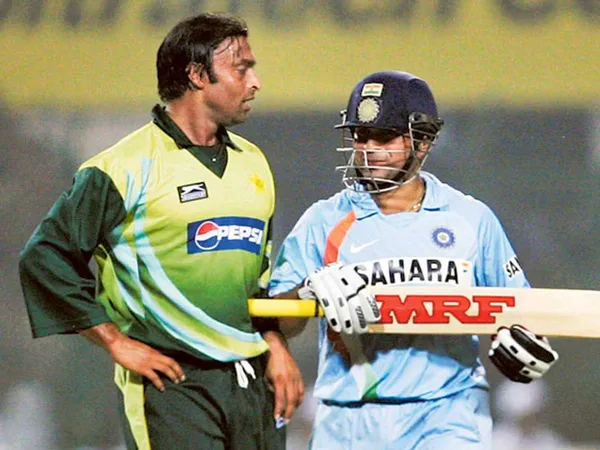
3. Shoaib Akhtar (Kolkata Knight Riders): ‘Rawalpindi Express’ Shoaib Akhtar played only three matches for Kolkata Knight Riders, but left his mark by taking five wickets. Bowled brilliantly 4/11 against Delhi Daredevils.

4. Shoaib Malik (Delhi Daredevils): Former Pakistan captain Shoaib Malik played for Delhi Daredevils (now Delhi Capitals). He scored 52 runs in seven matches and took two wickets.

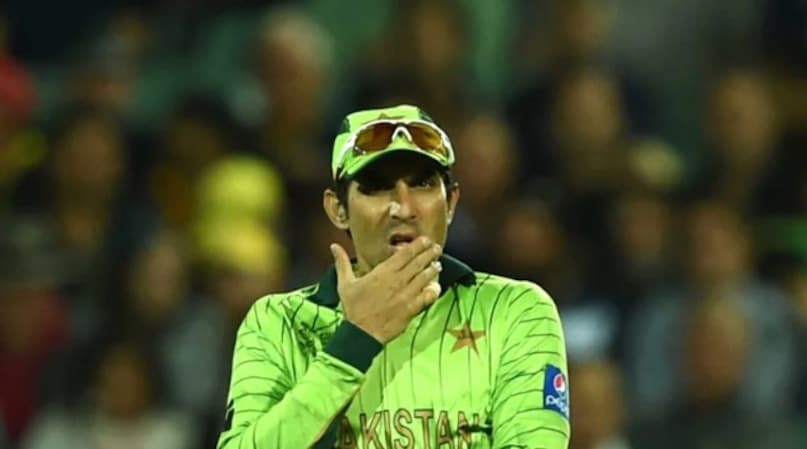
5. Misbah-ul-Haq (Royal Challengers Bangalore): Future Pakistan captain Misbah-ul-Haq played for Royal Challengers Bangalore. He scored 117 runs in eight matches, but could not leave any big impact.

6. Mohammad Asif (Delhi Daredevils): Skilled swing bowler Mohammad Asif took eight wickets in eight matches while playing for Delhi Daredevils. However, his career soon became mired in controversies.

7. Umar Gul (Kolkata Knight Riders): One of the best T20 bowlers of that time, Umar Gul took 12 wickets in six matches while playing for KKR.

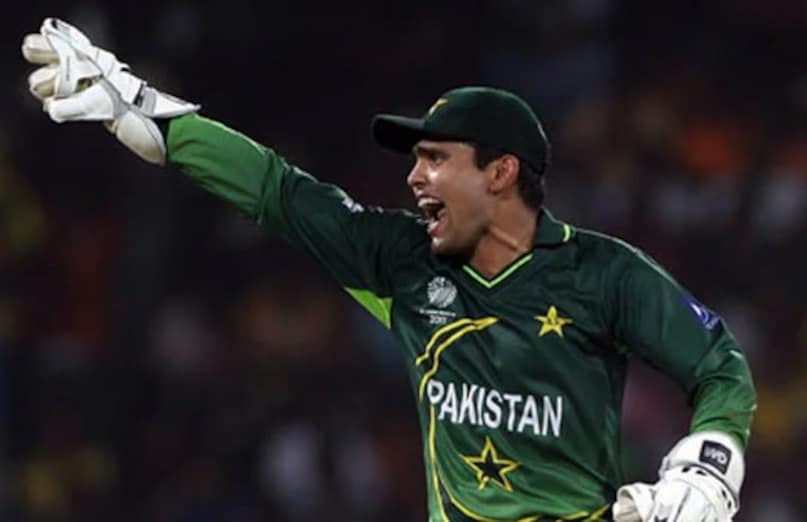
8. Kamran Akmal (Rajasthan Royals): Wicketkeeper-batsman Kamran Akmal scored 128 runs in six matches for Rajasthan Royals and played some important innings in the middle order.

9. Salman Butt (Kolkata Knight Riders): Left-handed opener Salman Butt scored 193 runs in seven matches for KKR, but could not perform consistently.

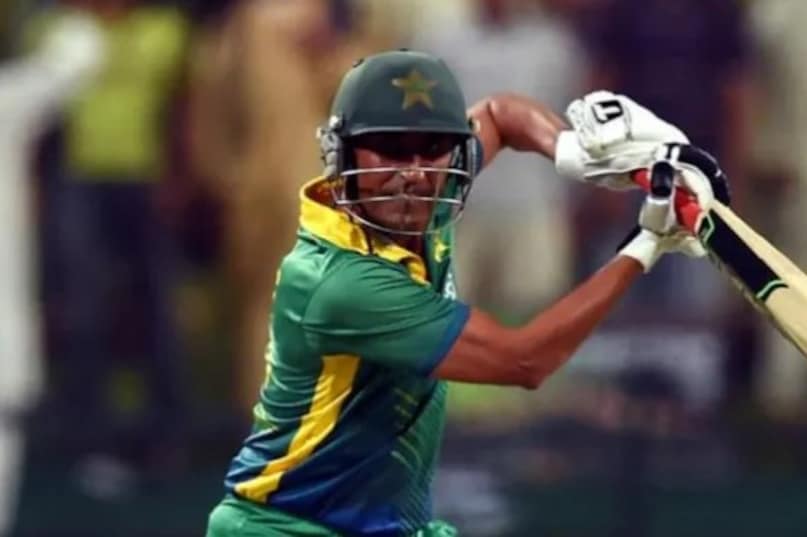
10. Younis Khan (Rajasthan Royals): Younis Khan, one of the best batsmen of Pakistan, played only one match for Rajasthan Royals and scored three runs.

11. Mohammad Hafeez (Kolkata Knight Riders): Before becoming Pakistan’s T20 star, Mohammad Hafeez played eight matches for KKR, scoring 64 runs and taking two wickets.

Iran continues intensified attacks across Gulf in US-Israel war fallout | US-Israel war on Iran News

0

Strikes target multiple countries, including Saudi Arabia and Qatar, overnight with interceptions reported.

Iran has pressed on with sustained missile and drone attacks across the Gulf region, despite repeated protests from its neighbours, in ongoing retaliation in the war launched by the United States and Israel.

Tehran’s strikes targeted multiple countries, including Saudi Arabia and Qatar, late on Friday and in the early hours of Saturday.

Recommended Stories

list of 4 itemsend of list

Saudi Arabia’s Ministry of Defence said in multiple statements that several drones were intercepted and destroyed in the east and north of the country as it fended off attacks.

The ministry also said late on Friday that the country’s armed forces intercepted a ballistic missile launched towards the al-Kharj governorate.

Meanwhile, The Wall Street Journal (WSJ) reported on Saturday that five US Air Force refuelling planes were damaged in recent days while on the ground at an airbase in Saudi Arabia.

According to the WSJ, quoting unnamed US officials, the aircraft were damaged in an Iranian attack.

It did not say when the attack occurred, adding that US Central Command (CENTCOM) declined to comment on the report.

Meanwhile, Qatar’s Ministry of Defence reported missile attacks and issued temporary evacuation measures.

An intercepted missile strike was announced at about 2am (11:00 GMT), while another one was reported later in the morning.

Separately, Qatar’s Ministry of Interior shared an update advising that temporary precautionary evacuation measures issued only apply to “residents in the specified areas who received notifications through the National Alert System”.

“Safe alternative accommodations have been provided for those affected, while some have chosen to move to safe places of their own choice, until the security threat passes,” the ministry said.

Blast over Doha

Al Jazeera’s Dmitry Medvedenko, reporting from Doha, said that there was a large blast over the skies above the city at about 1:30am on Saturday (22:30 GMT on Friday).

“It was felt all across the city,” Medvedenko said, adding: “For the first time in two weeks of this conflict, certain parts of the city actually received evacuation orders about an hour before the attack happened.”

“Many people had to spend a few hours in basements, not allowed to return to their homes. This was unprecedented,” our correspondent also said.

Meanwhile, the Kuwait National Guard shot down a drone “in one of the areas under its responsibility for securing the country”, the Government Communication Centre said.

“This action comes as part of ongoing efforts to enhance security, protect vital sites, and counter any potential threats,” the communications centre said in a post on X.

The Dubai Media Office said that falling debris struck the facade of a building in its central area, after an attack was “successfully” shot down.

No fire occurred and no injuries were reported, and the situation was now contained, the media office said, without specifying if it was caused by a missile or a drone.

Iran has been launching missile and drone attacks across the Gulf region, targeting US assets and military bases as well as commercial and civilian sites.


Source link

Inside datacenter where day starts with cerebrospinal fluid • The Register

0

At the start of the working day at Cortical Labs’ datacenter in Melbourne, Australia, technicians top up the resident computers with a liquid modelled on the cerebrospinal fluid that surrounds the human brain.

“We remove the fluid every 24 hours,” Cortical Labs CEO and founder Hon Weng Chong told The Register, because the living neurons that power the company’s computers deplete the level of oxygen and glucose in the liquid. An employee therefore starts the day by adding fluid to the biological computers in the company’s datacenter.

Those admins also adjust the mixture of gases in the computers. Chong said the company adds nitrogen and carbon dioxide so the atmosphere around its computers comprises around five percent oxygen – prime conditions for biological computers to operate.

Biological computing is in its very early stages, but Chong claims the neurons in biological computers can learn about the simulated environments they inhabit and devise novel approaches to challenges the face within them. The CEO says they can do that faster than classical computers, create original ideas instead of regurgitating and re-ordering information like LLMs, and do it all while using less energy than conventional datacenters.

But few organizations provide cells or know how to handle them. Chong told The Register the nascent biological computing industry awaits the arrival of a cell foundry to provide its equivalent of TSMC and make biological computers accessible to the rest of us.

Cortical Labs has therefore launched a cloud service. The company racked and stacked 120 CL1 units and created an API and interface that allows users to create a Jupyter Notebook or upload python code, and have it run on a biological computer.

Users pay for the cloud with a credit card, but the similarities with hyperscalers end there, as it takes Cortical Labs around a week to prep its machines for each job. The company must source whatever cells a customer desires, then set up the physical environment so they’re ready for work. Chong said most users will rent three or four CL 1 units, because their work is experimental and they will need to duplicate results and run a control group.

The CEO therefore expects that early users of the cloud will either be scientific labs that can’t run their own CL1, or organizations that have unusual computing needs and decide to explore biological computing so they develop experience in the technology before more practical services become available. The Register shared an example of an Australian bank making very early investments in quantum computers. Chong said that’s the kind of early customer he hopes will dabble with Cortical’s cloud.

Readers may recall that we covered Cortical Labs recently after the company showed its machines learned how to play DOOM.

The methods the company used to achieve that feat derive from techniques described in a 2022 paper [PDF], titled “In vitro neurons learn and exhibit sentience when embodied in a simulated game-world.”

The paper explains how researchers placed a biological neural network (BNN) composed of human and rodent stem cells on high-density multielectrode arrays.

“This system … can leverage the inherent property of neurons to share a ‘language’ of electrical activity to link silicon and BNN systems through electrophysiological stimulation and recording,” the paper explains. That work saw neurons learn how to play Pong. Cortical Labs refined it and productized it into a device called the CL1 which is now on sale.

Cortical Labs' CL1 biological computer

Cortical Labs’ CL1 biological computer – Click to enlarge

To use a CL1, you’ll need to choose a line of cells with genetic traits suited to a particular computing job – then do all that messing about with gases and peculiar fluids to prep the machine for work.

One day, he hopes automation will remove the need for messy work with fluids and gases. For now, Chong is content to have a colleague get hands-on with CL1 units every day because he thinks users will tolerate that. He also half-jokingly told The Register that he’s also just a little uncomfortable with giving biological computers the chance to control their own destiny. ®


Source link

North Korea fires ballistic missiles as US-South Korea hold military drills | News

0

Seoul’s Joint Chiefs of Staff say approximately 10 ballistic missiles were fired by Pyongyang.

North Korea has fired multiple ballistic missiles from its west coast as the United States and South Korean forces stage their annual military exercises, according to Japanese and South Korean defence forces.

Japan’s Ministry of Defence said on Saturday that the missiles were fired at about 1:34pm local time (04:34 GMT) in a northeastern direction, according to a statement posted on X.

Recommended Stories

list of 4 itemsend of list

Japan estimates that the missiles reached a maximum altitude of 80 kilometres (50 miles) and flew approximately 340 kilometres before landing near the east coast of the Korean Peninsula, outside Tokyo’s exclusive economic zone.

Early reports indicate that no damage has been reported by nearby aircraft or ships, the post said.


South Korea’s Joint Chiefs of Staff separately confirmed that Pyongyang had fired approximately 10 ballistic missiles towards the East Sea, which is also known as the Sea of Japan, according to Yonhap News Agency.

The JCS said the incident marks the third time North Korea has fired ballistic missiles since the start of the year.

South Korean, Japanese and US forces remain in a “heightened surveillance posture against additional launches,” the South Korean news agency said.

Pyongyang often fires missiles and other projectiles to signal anger at its neighbours.

The launches on Saturday come as the world is focused on the war ignited in the Middle East by the US-Israel attacks on Iran and Tehran’s retaliatory strikes across the region.

The North earlier this week protested the start of the 10-day Freedom Shield exercises, which involve thousands of troops from South Korea and the US and run until March 19.

Kim Yo Jong, the powerful sister of North Korean leader Kim Jong Un, accused Seoul and Washington of “destroying the stability” of the Korean Peninsula and “muscle flexing” near its border with their display of military power.

Earlier this week, North Korea also fired cruise missiles from a new naval destroyer.

The latest ballistic missile launches follow renewed speculation that US President Donald Trump may seek a meeting with Kim. The two leaders held summits during Trump’s first term in office – though high on spectacle, they yielded no substantive progress. They met three times. Their last meeting was in 2019, when the two leaders visited the Demilitarized Zone dividing the Korean Peninsula.

South Korean Prime Minister Kim Min-seok said on Friday that Trump “remained positive about the resumption of dialogue” with the North on the sidelines of a meeting between the two leaders in Washington, according to Yonhap.

“He said, ‘Meeting [Kim] is something good. But it could come during the period of my visit to China. It may not happen [during the visit] or could take place afterward,’” the prime minister told reporters, according to Yonhap.


Source link

‘Kill the people’: How men were left to starve in a South African gold mine | Features

0

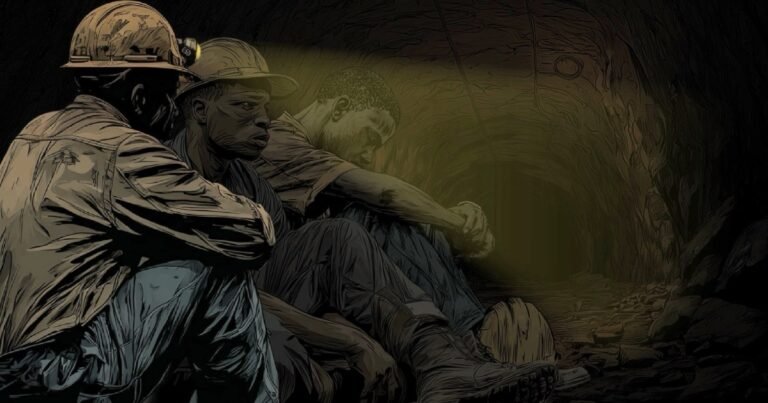
Below ground, men were gathering at the hollowed-out area at a depth of about 1,300 metres in Shaft 11.

Patrick had made his way there in November, having heard there might be food, as the men around him in Shaft 10 tried to survive on salt and toothpaste mixed with water collected at the bottom of the rock face. On his way to the passage, he had seen a body hanging from the shadowed mass of steel girders above him. The man had fallen from the upper levels while trying to escape.

As he half-crawled, half-staggered along the passage, he felt he heard his children telling him: “You’re not going to die here. This is not going to be your grave.”

But now in Shaft 11, panic was growing. The rescues were too slow. Not enough food or water was coming down. Patrick was finding it hard to cling to hope. The miners were growing weaker and had only the stagnant water oozing out of the rock to sustain themselves. Over two days, seven people had died.

Below the men, the shaft stretched even deeper into blackness filled with water to an unknown depth.

One day, a miner looked at Patrick with frightened eyes: “You know what?” he gasped. “I’m going to throw myself down this shaft.”

Patrick pleaded with him.

“No, man, you can’t do that,” Patrick told him. “It’s not our time to die here. We must believe in God. Our graves are not going to be this deep. We will go out. We’ve got families outside.”

The man didn’t jump, but his despair affected Patrick deeply. He still believed in his own survival, but the atmosphere among the men starving and dying in Shaft 11 was too much to bear.

On December 22, he decided to return to Shaft 10 and climb the girders. It was dangerous, but he had to do something to survive.

He had barely entered the passageway that led back to Shaft 10 when, somewhere in the darkness, he heard a voice.

“Do you want to buy some meat? Some pork?” the voice asked. “There are people selling it if you want some.”

He then saw men cooking over a fire.

Patrick returned to Shaft 11, reporting to the leaders that people were eating some kind of meat. They found the man who had approached Patrick, and he showed them the meat. It was human flesh. Then they found the man who had sold it to him. He admitted he’d taken it from the bodies of people who had fallen and died while trying to climb out.

The leaders were horrified. “You are not supposed to eat human flesh,” they said.

“We are hungry. What can we do? We are not killing these people. These people, they are falling, and we find them hanging,” the men told them.

Patrick was surprised that the men were not punished, but neither could he condemn them. It was the only way they had found to survive. But the horror of it spurred him on. He returned to Shaft 10 and began to climb.

On December 25, Christmas Day, he was almost blinded by the sunlight as he climbed out of the shaft. He’d climbed for more than 1km (0.6 miles) over three days, cutting his arms on sharp protruding steel, and come across nine bodies hanging from the girders.

He saw a flash of blue out of the corner of his eye and a glint of steel. A policeman grabbed him, forced his hands behind his back and handcuffed him. He was dimly aware of a small crowd watching and the hubbub of their angry voices as the police shoved him into a white van.

Mandla and Johannes watched as their friend Patrick was handcuffed and led away. Four miners had come up early that morning. After giving her mother her medication, Zinzi went to Shaft 10 to see if there was any news about her brother. There was nothing to celebrate this Christmas, she thought.

But there were still sounds coming from inside the shaft, and men were climbing up. Four more miners surfaced over the course of the morning. There was no sign of Zinzi’s brother, Ayanda.

‘We have to get you to your families’

In late December, police removed the anchoring rocks for the rope pulley at Shaft 11.

Against a backdrop of court actions as rights groups pushed for the government to rescue the miners, Johannes, Mandla and others pleaded with the police at the shaft entrance.

“Let us not bury them alive,” Johannes urged. “Let us help them to resurface. Then the law must take its course. Arrest them, do whatever you want to do, but save those lives.”

With no supplies going down since Christmas, on January 9, the community rebuilt the pulley system, and two handwritten notes were brought up.

“Mothers and fathers, we come in peace. People around us are dying by the hour, and currently, 109 people have died,” read the first.

The second began: “Greetings parents please be aware there are a lot of decompose bodies here also know even today there will be bodies to be retrieved, know the food you have sent can’t feed all the people who are here.”

The next day, Judge Ronel Tolmay of the High Court in Pretoria ordered the government to rescue the men.

But on January 13, Mine Rescue Services refused to descend, believing the men underground could be heavily armed or a kingpin and his cohorts were holding miners against their will.

Mandla and another community leader volunteered to go down in the red rescue cage to confirm there were no weapons, that it was safe for the rescue to proceed and to organise the men underground.

It took 25 minutes to descend through the darkness to the trapped miners. Mandla could smell the corpses before he reached the starving and sick men and dozens of wrapped bodies. He felt sorrow as he told the survivors, “I did try to fight with our government and told them that they are killing you, but they didn’t listen to us.”

“But we’re here to save your bones at least. We have to get you to your families.”

Only six men could properly fit in the cage, but Mandla helped more get in, as many as 12.

Over the next three days, Zinzi watched the cage come up and go down. Each time the cage surfaced, she felt hope surge through her, thinking that she would find her brother in it alive.

On January 16, 2025, when the last cage surfaced, Zinzi, who had stayed strong for her family, collapsed mentally.

Eighty-six bodies were retrieved from the mine while 246 miners were brought up alive. Zinzi’s brother, Ayanda, was not among them, nor was Nthatisi’s boyfriend, Bahlekase.

After the rescue, seven more people died in the hospital, bringing the death toll to 93.

MACUA, which represents the Stilfontein community’s interests, blamed the government and police for the deaths. They have requested that parliament instigate an inquiry, which has been referred to the Portfolio Committee on Mineral and Petroleum Resources. No investigation has begun. MACUA questions why there has not been an Independent Police Investigative Directorate (IPID) inquiry and notes the silence from most government bodies.

“The operation, which was approved at cabinet level, must ultimately be held to account and pay reparations,” Christopher Rutledge, executive director at MACUA, told Al Jazeera.

The South African Human Rights Commission investigated the events at Stilfontein in September 2025. They concluded that depriving the miners of essential supplies violated their human rights. They held another inquiry in February this year and are expected to present their findings in May.

The police have not released the names of the deceased, although 38 people were identified. At least 30 individuals among the unclaimed bodies were given funerals.

About 1,800 miners surfaced and were arrested at Stilfontein, about 1,500 of whom were deported, while 27 foreign children were handed over to the Department of Social Development. The youngest was 14 years old.

Al Jazeera reached out to the South African Police Service, the president’s office, and the Department of Mineral Resources and Energy with questions, but did not receive a response.

The township of Khuma, meanwhile, is largely quiet, the dusty streets almost deserted.

The nearby shafts have been sealed, and the police presence has returned to routine local patrols.

In February, protests erupted briefly. Roads were barricaded with logs, stones and burning tyres while the residents manning them demanded jobs and better service delivery.

The economy of the township has collapsed with no money in circulation. Many people stay at home, waiting, uncertain about what is next for them. Some gather to talk about their situation at the local taverns. There is little else to do.


Source link