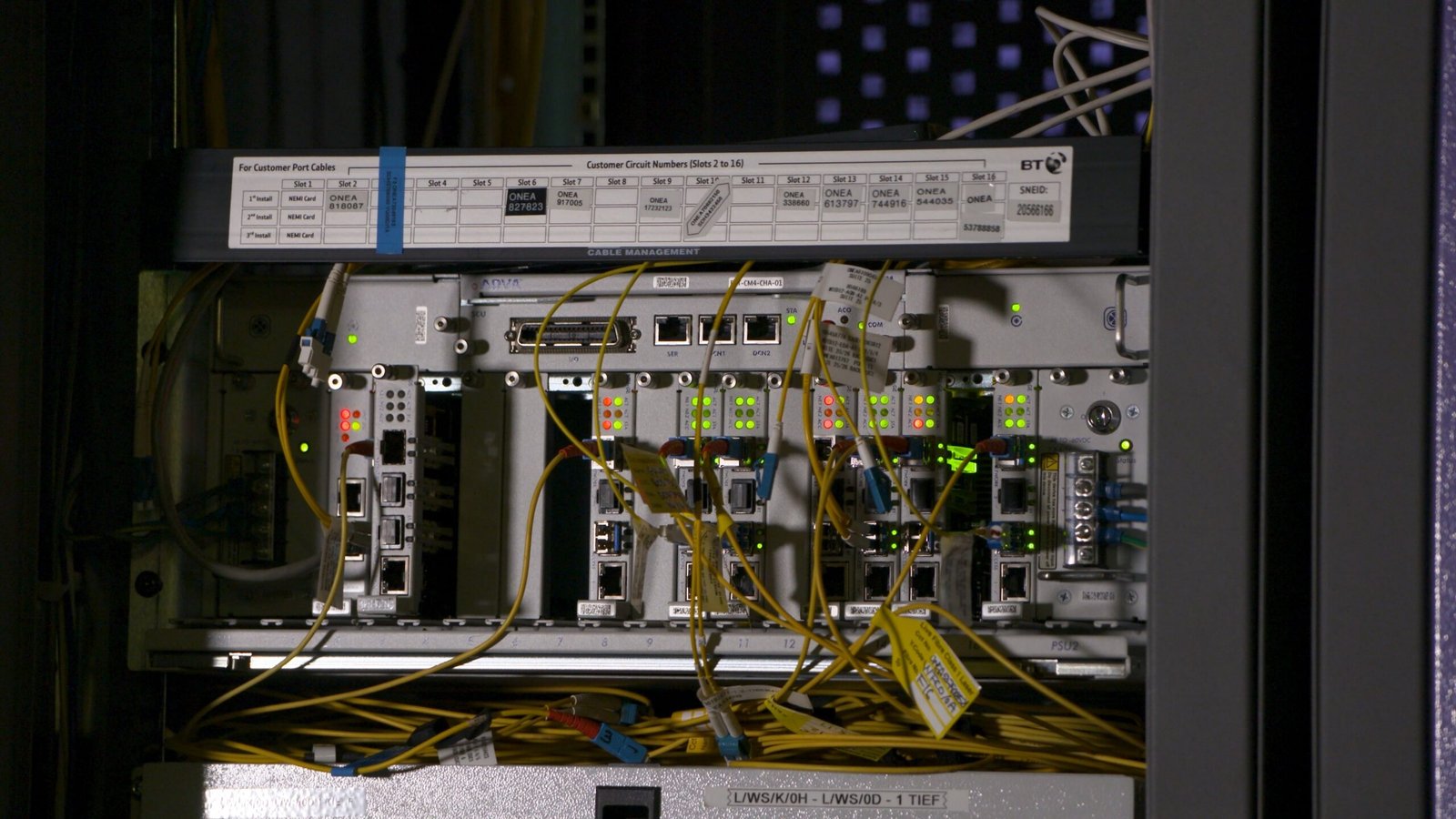
Openreach claims its fiber network infrastructure can detect leaks in nearby water supply pipes, which could save millions of liters of the precious fluid… if the water companies can be bothered to fix them.
The infrastructure arm of Britain’s former state-owned telco BT says it has conducted a trial with Affinity Water and the developer of the technology, Lightsonic.
According to Openreach, the pilot demonstrated that its fiber-optic cables can double as sensors to detect and pinpoint any leaks from water pipes in the surrounding subterranean environment.
Dubbed Distributed Acoustic Sensing (DAS) by Lightsonic, the technique works by analyzing changes induced in the light beams carried by the fiber-optic cables, caused by vibrations from a nearby leak or other disturbance in the ground.
Machine learning pinpoints the exact source of the vibration, trained to distinguish genuine leaks from background noise such as traffic or roadworks.
Openreach says the pilot platform was tested in five trial locations in Affinity Water’s area of coverage near London, including Walton-on-Thames, Hemel Hempstead, Luton, Chesham/Amersham, and Ware, from which the system was able to monitor 650 km of pipes.
In three months of operation, Openreach says the sensing technology located more than 100 leaks, saving an estimated 2 million liters of water a day – or enough H2O to supply 10,000 people for a year.
“Transforming the telecom fiber-optic network into a continuous sensing layer unlocks entirely new ways to monitor utilities,” said Lightsonic CEO Tommy Langnes.
“This collaboration demonstrates how fiber sensing can deliver measurable environmental impact today, while creating solutions for wider utility monitoring in the future.”
One touted advantage is continuous monitoring. Traditional leak detection relies on targeted surveys and field teams manually traversing the network, meaning fiber sensing could catch leaks far sooner.
Affinity Water says it is enhancing its existing detection program with DAS providing continuous monitoring, helping its teams target areas of interest.
The technology support “better planning and reduced disruption for customers – all by using fiber that’s already in the ground,” said Head of Leakage James Curtis.
Those are the benefits, but about the downsides? We asked Openreach if there is an extra cost in deploying the DAS kit in its exchanges, and who pays for this. We also asked if using the fiber-optic cabling in this way might have any undesirable effect on the signal quality, but Openreach had not answered by the time of publication.
An Openreach spokesperson informed The Register that the DAS box plugs into the network via the Optical Line Terminal (OLT) at the exchange. They said it is difficult to put a cost on it currently, as this is still a pilot, but insisted it is cost effective because it uses the existing infrastructure.
There is no signal interference, as the trial uses spare fibers, and Openreach claims it has plenty across its network to operate DAS – but also told us it is investigating running it across live cables carrying internet traffic.
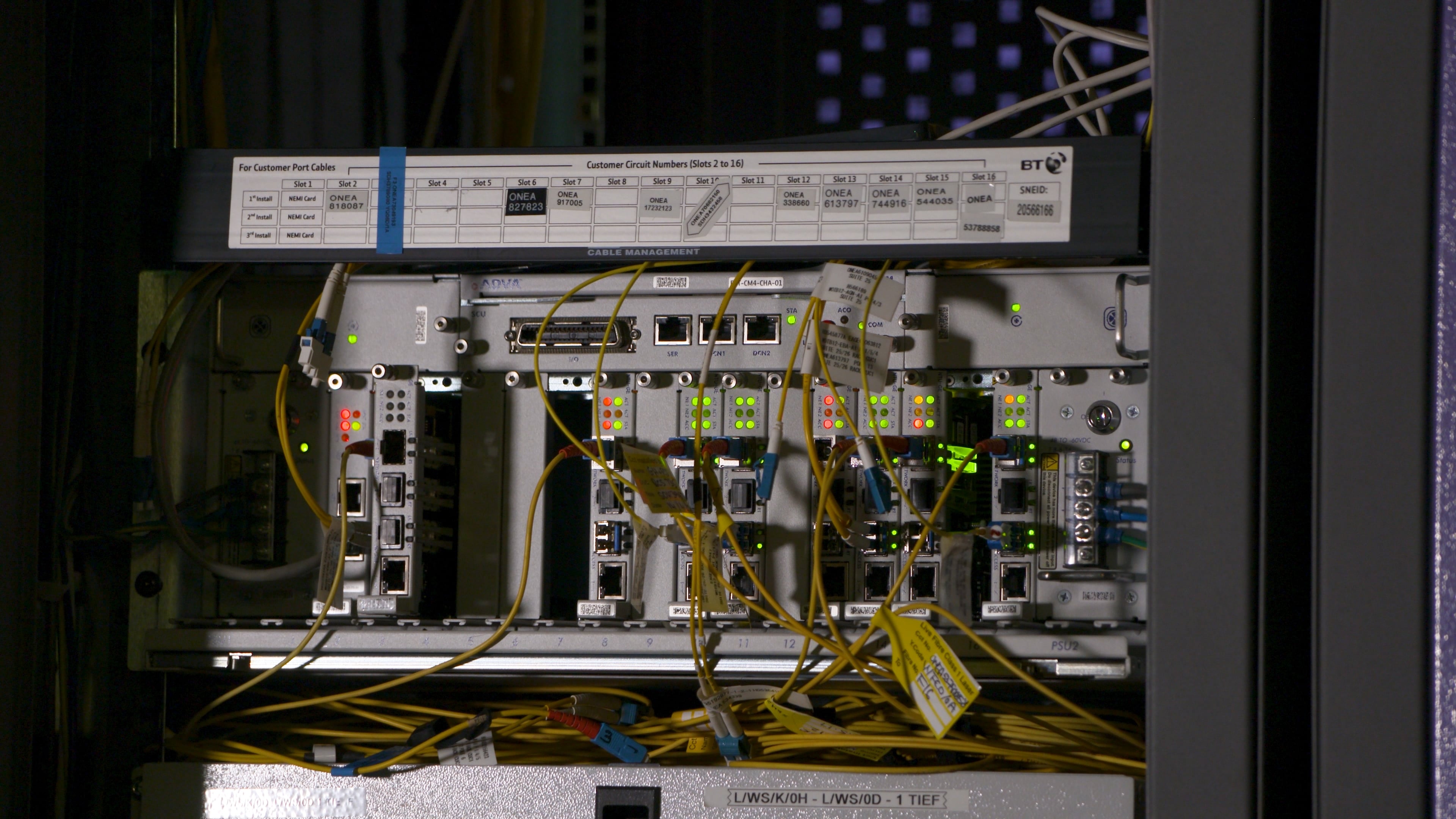
Openreach DAS exchange kit – lick to enlarge
Openreach also points out that thanks to the nationwide reach of its fiber infrastructure network, the system piloted here could scaled across the UK. That all depends on whether the torpid privatized water firms in England and Wales view detecting leaks as a priority.
We asked Openreach if it received any further expressions of interest in adopting DAS technology.
“Yes, there’s definitely positive noises coming from the water industry about adopting this service,” the spokesperson told us. “Affinity are keen to contract with us once the trial is up.” ®