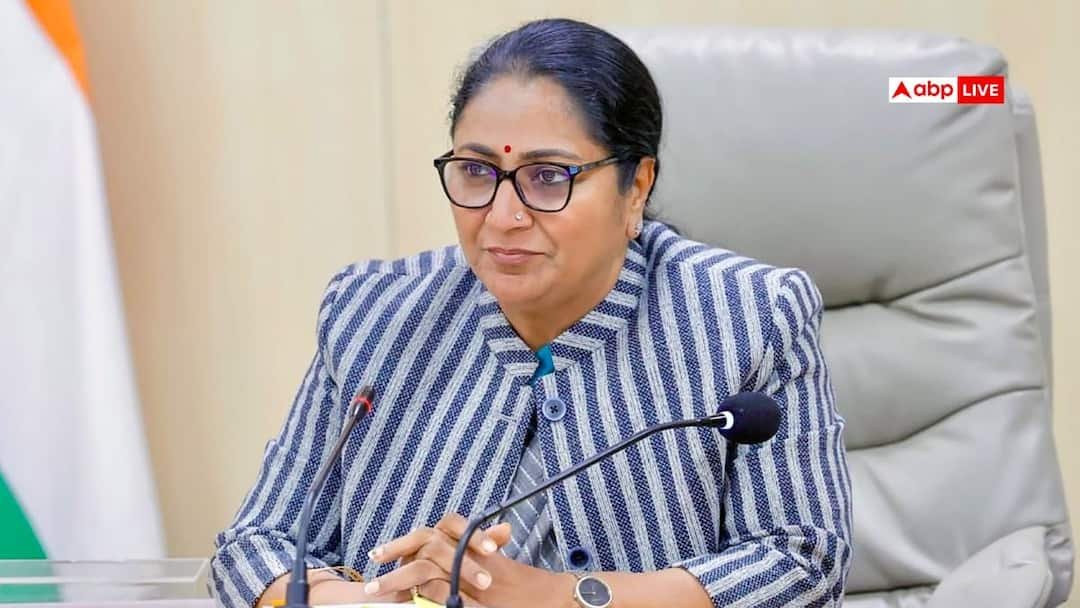
In view of the increasing pressure of biomedical waste in Delhi, the government has taken decisive initiatives towards strengthening the environmental infrastructure. Under the leadership of Chief Minister Rekha Gupta, work on the plan to set up a new Common Bio-Medical Waste Treatment Facility (CBWTF) in the capital has intensified. Environment Minister Manjinder Singh Sirsa has started the process of finalizing the outline of this project by holding a high-level meeting with senior officials.
Regarding this important project, Environment Minister Manjinder Singh Sirsa held a detailed review meeting with senior officials of National Productivity Council (NPC), Environment Department and Delhi Pollution Control Committee (DPCC). In the meeting, a presentation was given on the current status of biomedical waste, projected future growth, technical standards and implementation roadmap. Officials said that it has now become mandatory to develop additional capacity for scientific disposal of waste generated from different parts of the capital.
40 tons of biomedical waste daily in Delhi
The presentation revealed that about 40 tonnes of biomedical waste is being generated every day from East, North, West, South and Central areas of Delhi. With the increasing number of hospitals, clinics and labs, this figure is likely to increase further in the future. Experts warned that if new facilities are not developed in time, there may be additional pressure on existing plants.
Preparation of modern plant with capacity of 46 tons per day
Keeping in mind the future needs, the capacity of the proposed new CBWTF has been fixed at 46 tonnes per day. This will be equivalent to disposal of approximately 2300 kg of waste per hour. The plants will be operated 20 hours a day to ensure maximum efficiency. Officials said that earlier only two plants were covering the entire Delhi, due to which the workload was high. New plants will reduce this pressure and better area-wise management will be possible.
Waste will be treated with state-of-the-art technology
Modern processes like autoclaving, shredding and safe landfill will be used in the proposed plants. This will ensure scientific and safe disposal of different categories of waste. Separate plants have been proposed for West, South-West and Central regions along with East, North-East and Shahdara. This will reduce transportation time and risk will also reduce.
Initiative in line with ‘zero tolerance’ policy towards pollution
Minister Sirsa clarified that the government will give opportunities only to those companies which have state-of-the-art technology and follow all the statutory environmental standards. The tender process will be started soon. He said that proper disposal of biomedical waste is very important for the health of the citizens. Uncontrolled waste can become a serious threat and the government will not tolerate it at any cost.
Monitoring dashboard will be made for transparency
Under the project, digital dashboards will also be set up for daily monitoring. With this, the quantity of waste, disposal process and operation of the plants can be continuously monitored. The government believes that the basis of a clean and healthy Delhi is a strong waste management system. The new biomedical waste treatment plant will prove to be an important step in this direction.