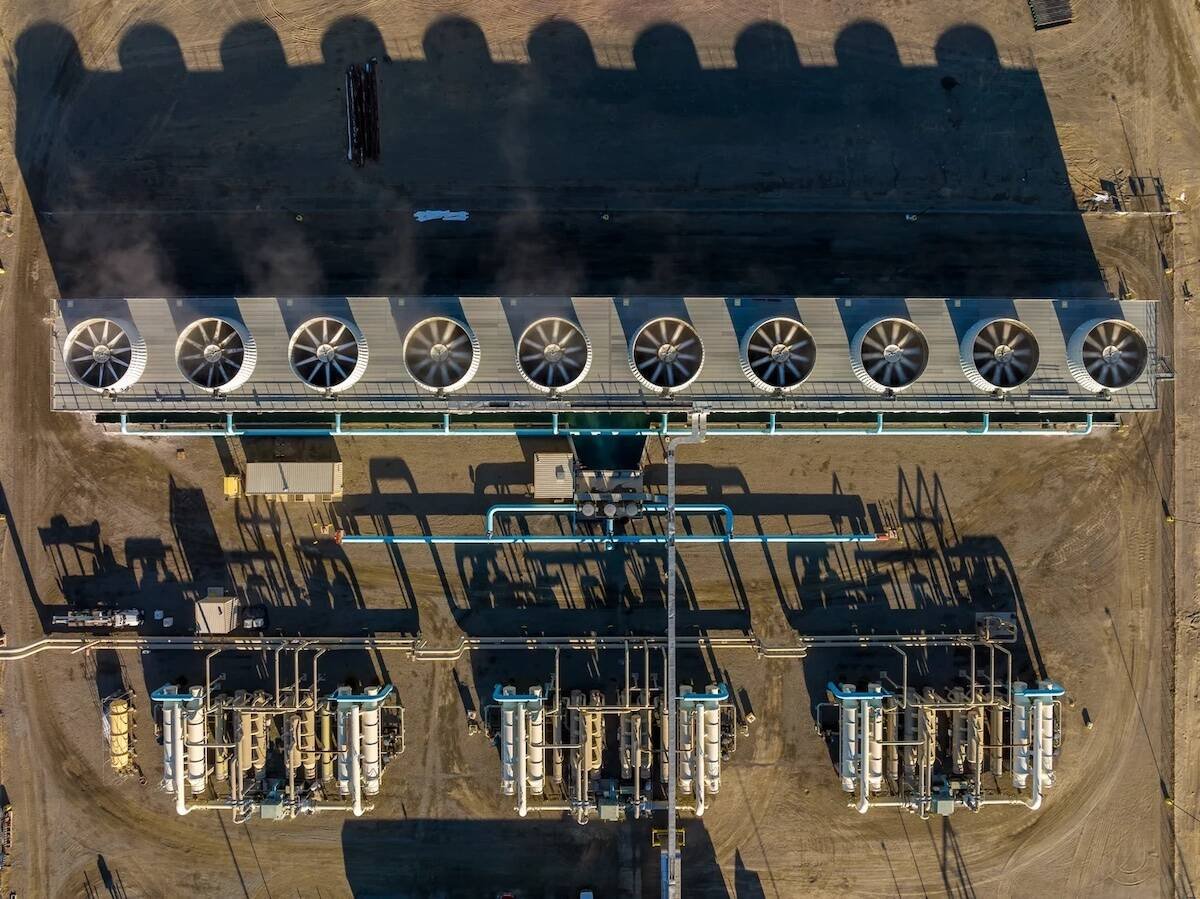
Datacenter power consumption has surged amid the AI boom, forcing builders to get creative in order to prevent their capex-heavy bit barns from running out of steam. But at least in some parts of the world, the answer to abundant clean energy may be hiding just a few thousand feet below the surface of the earth.
This week, Ormat Technologies, a company specializing in geothermal energy generation, announced an agreement with Nevada’s NV Energy to supply an additional 150 megawatts to the grid to support Google’s datacenter expansion in the region.
The Chocolate Factory was among the first US hyperscalers to embrace geothermal energy as a means of offsetting its datacenter carbon footprint going back to at least 2008.
In 2023, Google partner Fervo Energy brought its first “enhanced geothermal plant” online. The facility, also located in Nevada, uses heat generated by the Earth’s crust to convert water into steam which, like in most other power plants, is converted into energy using turbines.
The challenge is getting the water deep enough to generate steam. At least in the case of the Fervo trial, this involved technologies originally developed by the oil and gas industry to bore two parallel wells to a depth of 8,000 feet (2,438 meters). The rock was then fractured to allow water to pass between the two wells where it was heated to temperatures exceeding 190 degrees Celsius.
This initial trial was quite small, generating around 3.5 megawatts. A year later, Fervo and Google expanded their collaboration, signing an agreement to supply an additional 115 megawatts of power to the grid. That’s plenty for a conventional datacenter campus of a few years ago, but pales in comparison to the power required by modern AI datacenters, which are expected to exceed a gigawatt of compute capacity within the next couple years.
Ormat’s agreement with NV Energy will more than double the supply of geothermal energy – if the company gets the green light from the state Public Utilities Commission later this year. Barring any delays, Ormat expects the geothermal plants to begin producing power between 2028 and 2030, and continue operating for at least 15 years after.
Google isn’t the only hyperscaler investing in geothermal power. Meta has also explored the tech. In 2024, the company struck a deal with Sage Geosystems to deliver up to 150 megawatts of power harvested from the Earth.
While the tech isn’t without its challenges, experts believe that it could address a sizable portion of datacenter demand going forward.
A report published by the think tank Rhodium Group estimated that geothermal power could meet up to 64 percent of expected datacenter growth by the early 2030s. However, for the tech to be economically viable, bit barn operators will have to be willing to pay a 20 percent premium over regional power sources, and hope that tax credits on geothermal power aren’t cut. ®