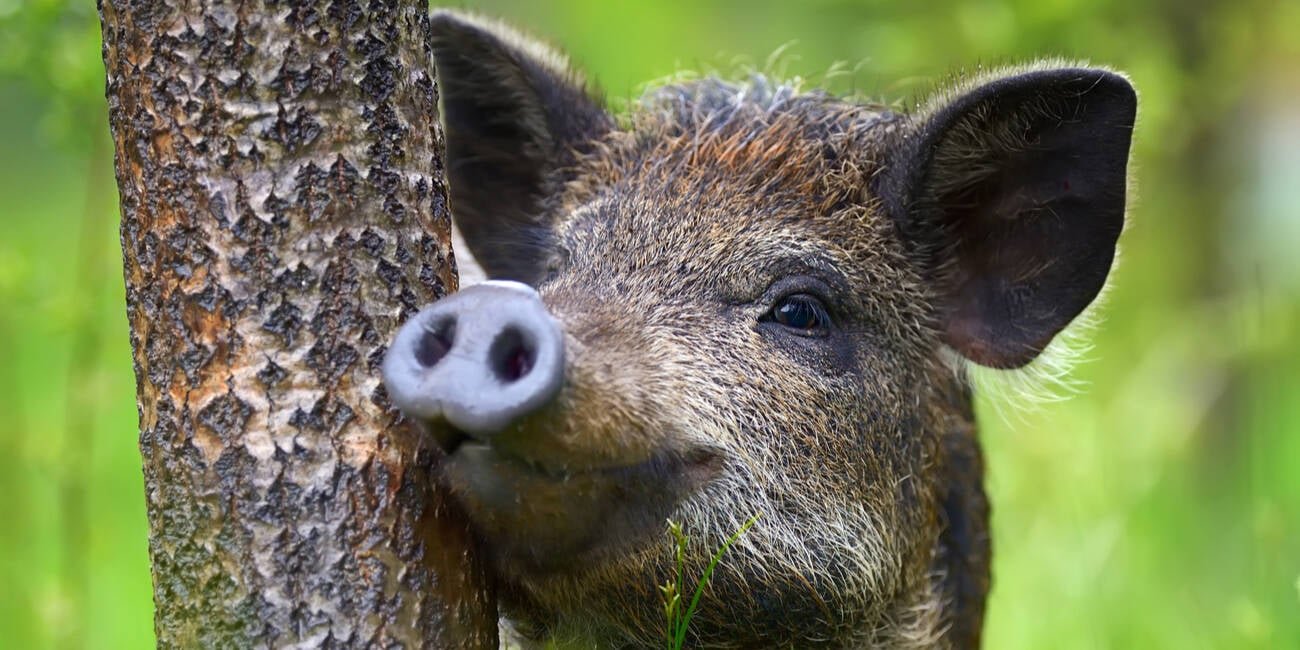
Back in 2021, in the thick of pandemic mania, The Register gleefully reported that “radioactive hybrid terror pigs” were thriving in Japan’s Fukushima exclusion zone.
The image of feral swine exposed to 300 times the safe human dose of cesium-137 after the 2011 nuclear meltdown, interbreeding with wild boar and roaming a post-apocalyptic hellscape, proved unusually popular with readers. It even spawned fan art. I suppose we were all extremely bored.
As the old saying goes, never let the truth get in the way of a good headline. However, new research into the Fukushima fiefdom suggests the reality is less mutant horror hog and more brisk genetics.
A team analyzing DNA from pigs and boar inside and around the evacuation zone has found that, while domestic pig genes initially mixed freely with wild boar, they’re now being steadily diluted as the hybrids backcross with the local population. In other words, the “hybrid” bit is fading.
What hasn’t faded is mom’s influence.
The study, led by Professor Shingo Kaneko of Fukushima University along with co-author Donovan Anderson from Hirosaki University and published in the Journal of Forest Research, reports that mitochondrial DNA – inherited down the maternal line – shows domestic sows played a key role in the early hybridization.
More intriguingly, the researchers say the rapid, year-round reproductive pattern typical of domestic pigs in the care of humans appears to have accelerated generational turnover in the population. In contrast, wild boar naturally breed only once per year.
So while the hybrids are increasingly boar-like again in their nuclear DNA, the initial domestic infusion may have put the local gene pool on fast-forward.
“While it has been previously suggested that hybridization between rewilded swine and wild boars can contribute to population growth, this study demonstrates – through the analysis of a large-scale hybridization event following the Fukushima nuclear accident – that the rapid reproductive cycle of domestic swine is inherited through the maternal lineage,” said Kaneko.
Rather than evidence of radiation-induced superpowers – as we humorously suggested all those years ago – it’s an example of what can happen when farm animals are abruptly released into the wild and left to get on with it for more than a decade. The Fukushima evacuation zone, largely depopulated for years after the nuclear disaster, provided the conditions. The pigs provided the enthusiasm.
The researchers say the findings could apply more broadly wherever feral pigs and wild boar interbreed – a growing issue in parts of Europe, North America, and Asia – and may help wildlife managers understand how quickly hybrid traits spread, and how quickly they disappear.
“We wish to emphasize that this mechanism likely occurs in other regions worldwide where feral pigs and wild boars interbreed,” Anderson noted.
Kaneko added, “The findings can be applied to wildlife management and damage control strategies for invasive species. By understanding that maternal swine lineages accelerate generation turnover, authorities can better predict population explosion risks.”
As for the “terror” bit in “radioactive hybrid terror pigs,” check out this picture of them, replete with coloring inherited from their domesticated ancestors – I think they’re kind of cute. And probably delicious, radiation levels be damned. ®