The proposal to encourage strong hybrid vehicles has become the biggest hurdle in the process of finalizing the new EV Policy 2.0 of the Delhi government. According to sources, a consensus has not been reached on this issue in the group of ministers.
One party is in favor of giving up to 50 percent rebate in road tax and registration fees to strong hybrid vehicles up to Rs 30 lakh, while the other party is advocating limiting government incentives only to battery-based electric vehicles (EVs). Due to this difference of opinion, a final decision on EV Policy 2.0 could not be taken.
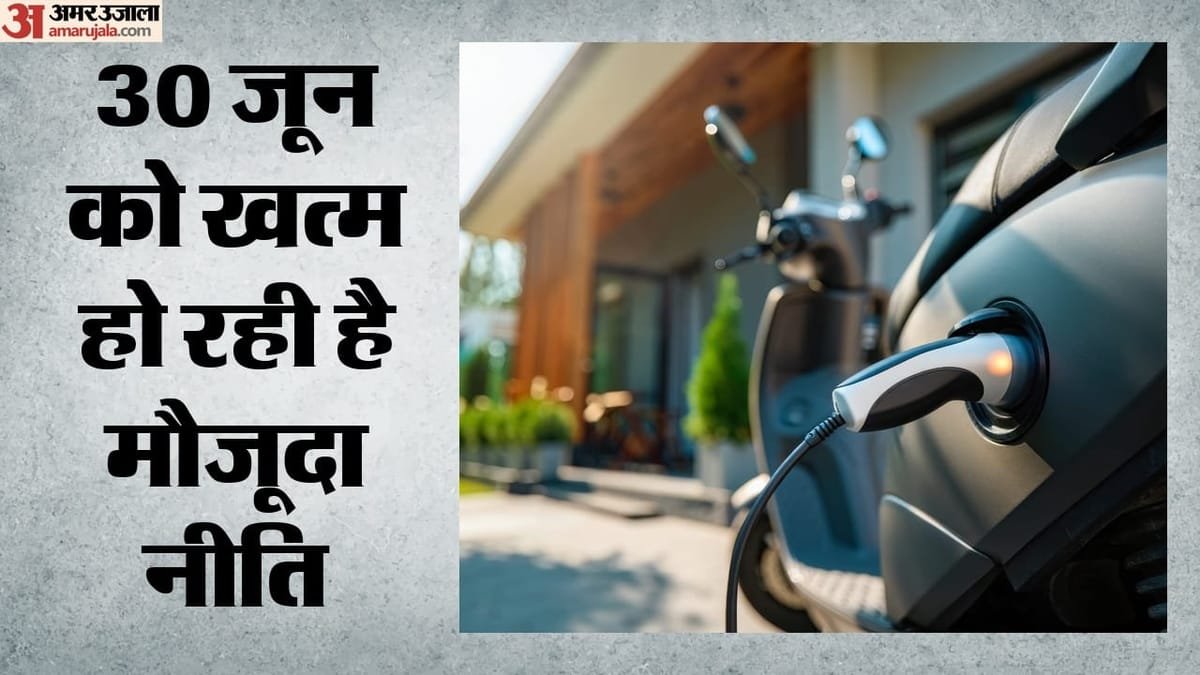
The existing Delhi EV policy is expiring on June 30 and the government is preparing to implement the new policy immediately. It will remain effective till 2030. According to official data, as of June 12, hybrid vehicles have become the second largest category after petrol in Delhi.
Their share in total vehicle registrations is about 11 percent, while the share of electric vehicles was 10.3 percent and that of diesel vehicles was five percent. The share of hybrid vehicles in the year 2021 was 4.5 percent. At the same time, the share of electric vehicles has also increased from 1.1 percent to more than 10 percent.
There is a consensus within the government that strong hybrid vehicles are a viable option for those who are currently hesitant to switch to fully electric vehicles due to reasons such as charging infrastructure, driving range and initial cost.
Officials believe that hybrid vehicles consume less fuel, emit less emissions than conventional petrol-diesel vehicles and are not completely dependent on public charging networks. In such a situation, these can be seen as the direction of clean transportation.
Some experts believe that the main objective of the policy should be to promote zero emission vehicles. They suggest that government resources be focused on developing battery technology, charging networks and other zero-emission technologies. Officials say that the Delhi Cabinet has to take the final decision on EV Policy 2:0.