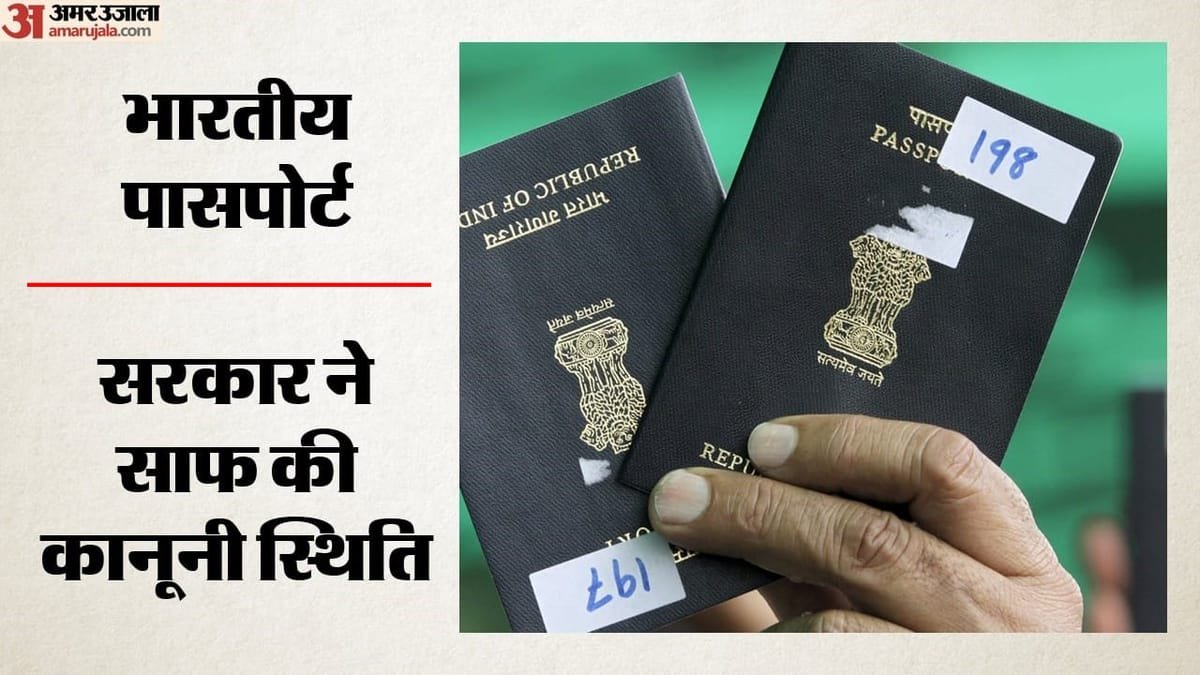
The government has clearly said on Thursday that passport has never been a proof of citizenship. It was also made clear that there has been no change in this decision in the last 12 years. For this, the government has also cited Section 20 of the Passport Act, 1967 and the 2013 decision of the Bombay High Court.
What did the government say in its explanation?
According to Section 20 of the Passport Act, 1967, ‘If the Government considers that it is necessary in the public interest so to do, the Central Government may issue, or cause to be issued, a passport to any person who is not a citizen of India.’ The government also referred to a decision of the Bombay High Court, in which it was made clear that a person cannot be considered an Indian citizen merely by having a passport.
Why did the government have to give clarification?
Actually, Rajya Sabha MP Kapil Sibal had posted a post on social media on Wednesday, in which he had mentioned a statement of the Ministry of External Affairs. Kapil Sibal wrote, ‘As per the statement of the Ministry of External Affairs dated 24 June 2026, passport is a travel document and is not a proof of citizenship. Then which document is the proof of citizenship? In such a situation, the BLO can doubt my citizenship and deprive me of voting. The result will be that BJP will win the elections. Now only the Supreme Court should say something on this.
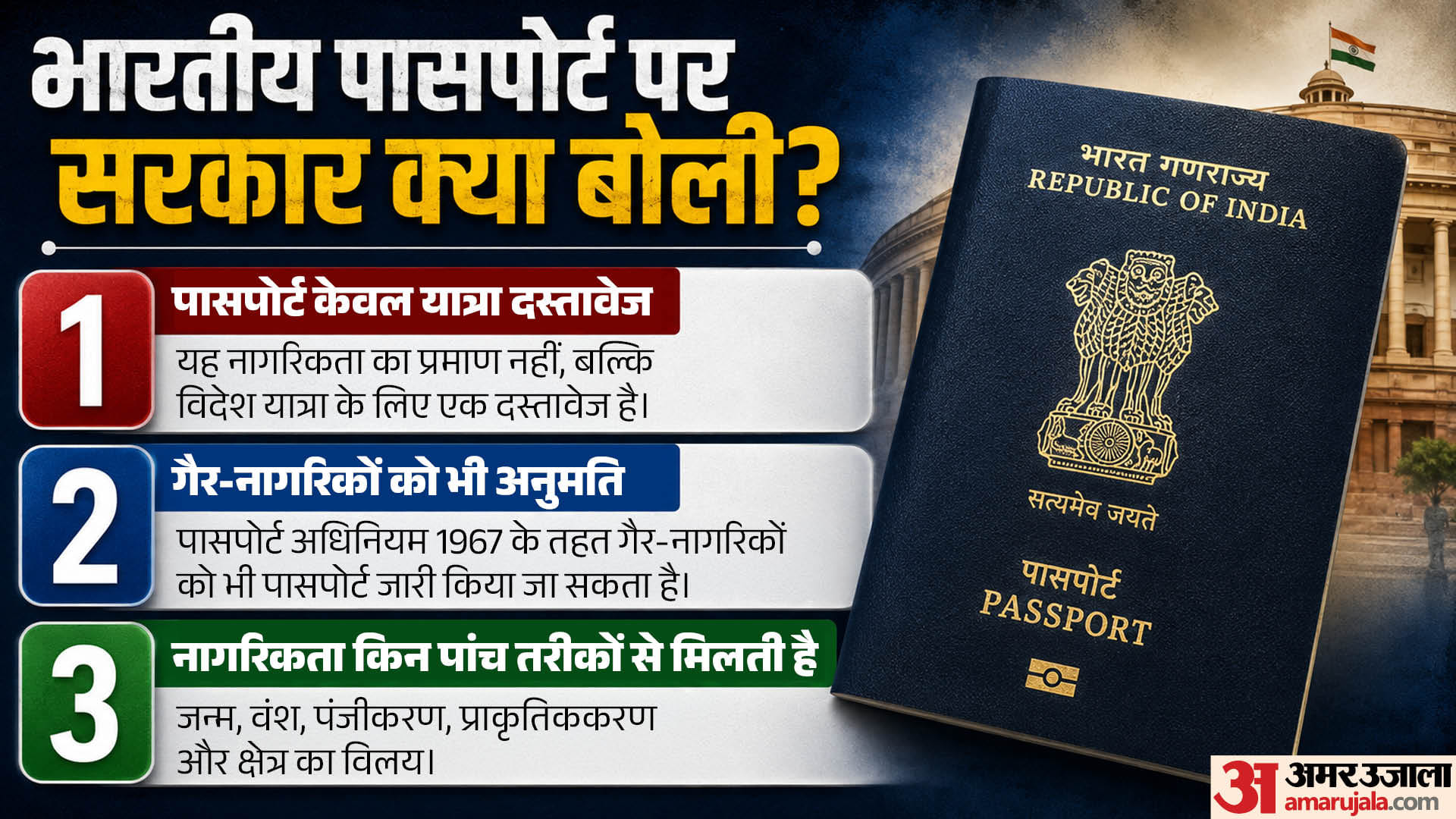
Amit Malviya targeted Sibal’s statement
Amit Malviya wrote in the post, ‘Here is an explanation for the group that will not show papers, expressing their displeasure over the statement of the Ministry of External Affairs that passport is not a proof of citizenship. The Ministry of External Affairs has now not formulated any new policy but has merely reiterated an established legal position. The Bombay High Court had made it clear in 2013 that citizenship is determined on the basis of the Citizenship Act, 1955. Citizenship in India is established through birth certificates, citizenship records of parents, school records, names in voter lists, government service records, land and residence records, passports and other documents. This is legally clear.