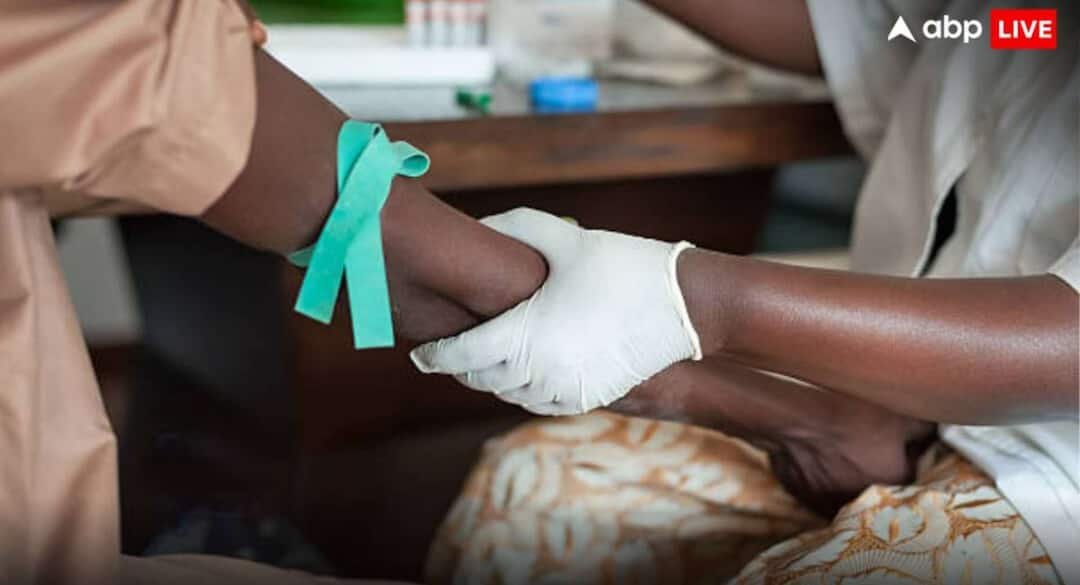
Ebola Virus: The World Health Organization (WHO) has declared the rapidly spreading Ebola virus in the Democratic Republic of Congo (DRC) and Uganda an international public health emergency. This infection is spreading due to Bundibugyo virus, which is considered a dangerous strain of Ebola virus.
This strain is different from the previously spread Zaire strain. The Bundibugyo strain first appeared in the Bundibugyo district of Uganda in 2007-2008. At that time this virus had infected more than 116 people and about 34 to 40 percent of the patients died. Now, for the 17th time, Ebola outbreak has occurred in Ituri province of DRC, but this time the concern has increased due to the different type of virus. The biggest challenge is that no specific vaccine or medicine is yet available for this strain.
Different strains of Ebola, but threat remains
According to experts, there are many types of Ebola virus, but large-scale infection in humans spreads mainly through Zaire, Sudan and Bundibugyo strains. The Zaire strain is considered to be the most deadly, with a mortality rate of 60 to 90 percent. Whereas Bundibugyo strain is considered relatively less fatal, but in this also 32 to 40 percent deaths have been recorded. In some cases this figure has reached 50 percent. Health experts say that the death rate can change depending on the patient’s age, health condition, availability of treatment and severity of the infection.
Virus spreads through forests
According to the report, this virus is naturally present in the dense tropical forests of DRC. Scientists believe that wild animals like bats can be the main source of this virus. This virus can spread very fast and can kill many people if timely treatment is not received.
flu like initial symptoms
The symptoms of all strains of Ebola are almost similar. Initially the patient feels high fever, headache, body and joint pain, weakness and fatigue. After a few days, problems like vomiting, diarrhea, stomach ache and sore throat start. As the disease progresses, bleeding starts from the eyes, gums and other parts of the body. In many cases, injury-like marks appear on the body and the patient starts having difficulty in breathing. In serious conditions, organs may stop functioning. Symptoms of infection may appear within 2 to 21 days.
Ebola virus spreads through direct contact with an infected person’s body fluids such as blood, vomit, diarrhea and saliva. The risk of infection remains high even when touching the dead body of a dead person or during rituals related to the last rites. However, this virus does not spread through air, water or insects.
No treatment, only care, support
There is currently no specific antiviral drug or vaccine available for the Bundibugyo strain. Treatment is mainly based on patient care. Doctors compensate for the deficiency of water and electrolytes in the patient’s body. Medicines for fever and pain are given. Antibiotics, oxygen support and blood transfusion are also done if needed. Experts say that if the patient is kept in isolation in the hospital and treatment is started at the initial stage, then his chances of survival increase significantly.
WHO increased monitoring
WHO and local health agencies are emphasizing on identifying people who came in contact with infected people, isolating patients and ensuring safe funerals. The organization has said that instead of banning international travel, there is a need to increase screening, border monitoring and awareness. People coming from infected areas have been advised to be monitored for 21 days.
Increased concern in border areas
Experts say that security challenges exist in the areas bordering DRC and Uganda, which may affect investigation and control operations. Concern has increased due to some cases being reported in big cities like Kinshasa and Kampala. WHO has instructed all neighboring countries to remain alert. Although it is not considered a global epidemic at present, health agencies have appealed to people to exercise caution.