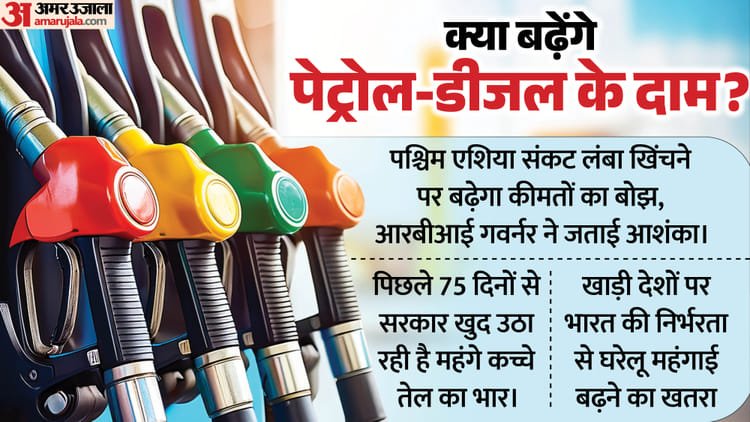
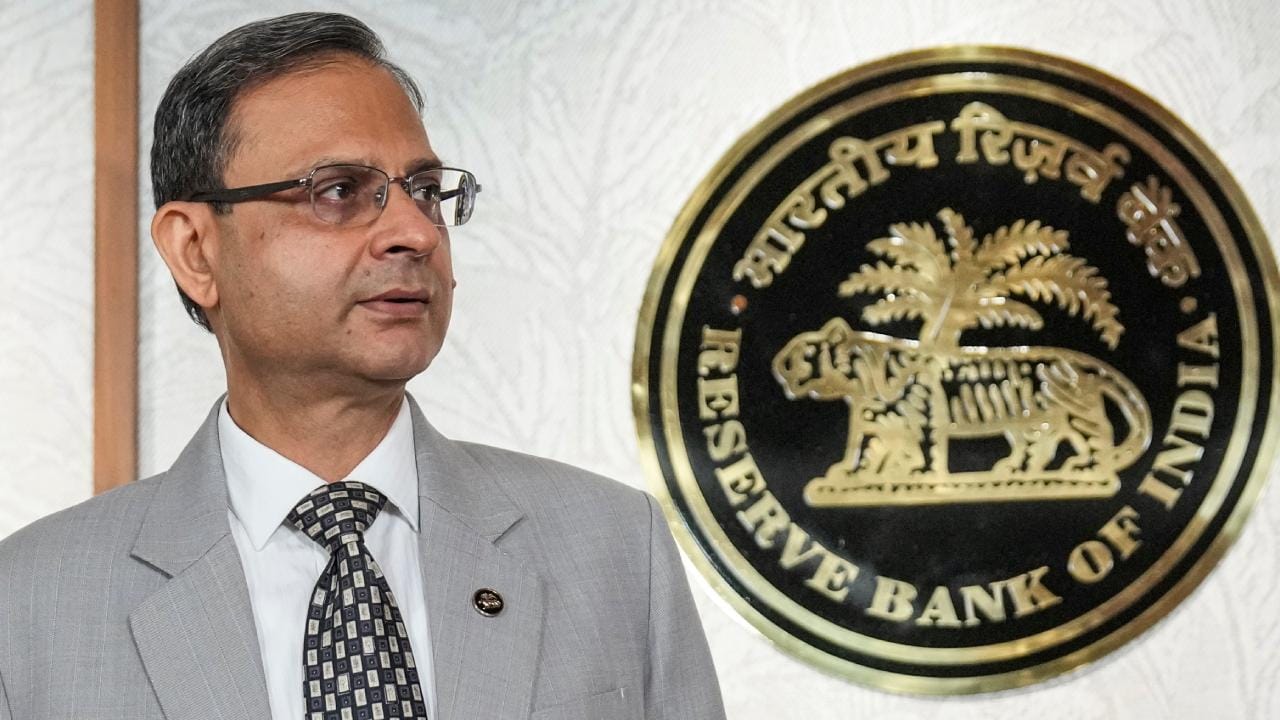
The impact of ongoing geopolitical tensions at the global level is now clearly visible on the Indian economy. Reserve Bank of India (RBI) Governor Sanjay Malhotra has given an important statement in the 12th high-level conference organized by the International Monetary Fund (IMF) and the Swiss National Bank in Zurich. He has clarified that the government is still bearing the burden of the huge rise in international crude oil prices due to the ongoing crisis in West Asia. But, if this global disruption drags on for a long time, common consumers may have to face increased fuel prices.
Increasing pressure on the government and possible rise in prices
Despite the huge rise in crude oil prices in the international market, the Indian government has so far kept the retail prices of petrol and diesel stable. For this, the government has taken steps like reducing duty and marginally increasing some controlled prices like gas. According to the RBI Governor, it will not be possible to maintain the current situation indefinitely due to this crisis that has continued for more than 75 days. He clarified that if this situation continues for a long time, it is only a matter of time that the government will pass on some part of these increased prices to consumers. However, he also appreciated that the government has successfully reduced the fiscal deficit, which had reached 9.2 percent during the pandemic, to about 4.3 percent by following fiscal prudence.
India’s deep economic dependence on West Asia
The region of West Asia is extremely important strategically and economically for the Indian economy. Citing figures, the RBI Governor said that one-sixth of India’s total imports and exports are related to this sector. Apart from this, 40 percent of the total remittances (money sent by emigrants) received by India, 40 percent of fertilizer imports and about 60 percent of gas supply are dependent on this sector. Due to this high dependency, any tension or geopolitical instability in the Middle East poses a direct risk to India’s supply chain and economy.
Inflation risks and policy challenges
These shocks in the supply chain have a direct impact on domestic inflation. This risk is even greater for India because the share of food items in the Consumer Price Index (CPI) basket is still around 40 percent. The Governor acknowledged that monetary policy alone may not be sufficient to deal with large supply-side shocks. However, he stressed that policy makers should adopt a strong and cautious approach. If the impact of supply disruptions begins to spread to other sectors of the economy and inflation becomes widespread, policymakers will inevitably have to intervene.
This statement of the RBI Governor is an indication that India cannot remain completely untouched by global crises. The government has so far tried to protect the general public from the direct blow of inflation, but if the uncertainty in West Asia continues for a long time, an increase in fuel prices in the domestic market may become an inevitable step. In such a complex environment, the RBI will need to remain extremely flexible and agile in its monetary policy as per domestic and global circumstances.