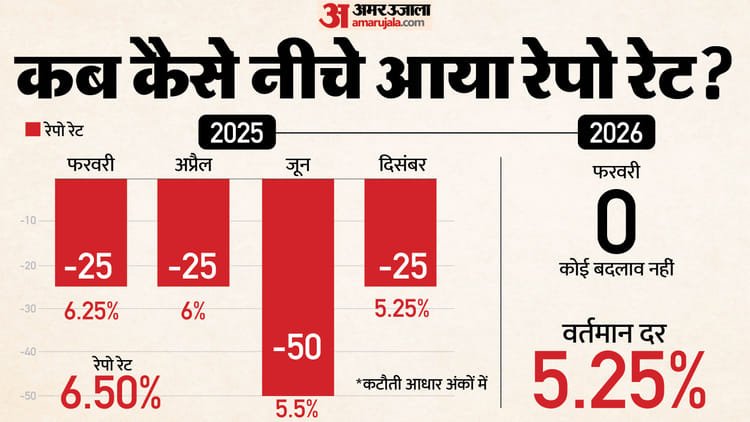
Amidst the conflict in West Asia, the rising prices of crude oil have changed the picture of the global economy, which is now likely to have a direct impact on the domestic market. Borrowers expecting a cut in interest rates from the Reserve Bank of India (RBI) in the upcoming Monetary Policy Committee meeting may be disappointed. According to experts and economists, to strike a perfect balance between the pace of growth and inflation, this time the Central Bank will adopt the strategy of ‘wait and watch’ and will keep the repo rate as it is.
When is the RBI MPC meeting to be held?
Amid tensions in West Asia and rising crude oil prices, the market is eyeing the first bi-monthly monetary policy review for the financial year 2026-27, for which the Monetary Policy Committee of the Reserve Bank of India will meet from 6 to 8 April 2026. The outcome of this important meeting and the final decision of the Reserve Bank on the main policy rates (repo rates) will be announced on April 8, 2026. Many challenges have arisen before the Reserve Bank due to Brent crude oil becoming costlier by 55% in foreign markets and domestic manufacturing PMI falling to its lowest level in four years.
Let us know what RBI’s outlook is going to be for the country’s economy and your wallet amid the current geopolitical tensions and supply chain disruptions.
The Reserve Bank of India (RBI)’s previous monetary policy announcement in February 2026, following free trade agreements with India with several countries, was decided in the context of good inflation outlook, good pace of domestic economy growth and improving external prospects, experts and economists say. However, there has been a lot of change in the global economy since the monetary policy meeting, with the ongoing conflict in West Asia threatening global energy trade. At the same time, there has been a huge increase in energy prices.
Crude oil and liquefied natural gas prices have increased by 55% and 90% respectively since the beginning of the conflict in West Asia. Apart from this, the impact of the deteriorating geopolitical situation is being felt in global commodity prices, currency movements and broader financial markets. Overall, the conflict has raised concerns not only about rising global energy prices but also about disruptions in supply chains, which could weigh on growth and inflation.
RBI will proceed on wait and watch strategy
Rajni Sinha, chief economist at CareEdge rating agency, said, “Amidst this highly volatile global environment, we expect the RBI’s stance on repo rate cuts to remain the same.” He said that the central bank will keep an eye on the changing geopolitical developments in the upcoming meeting. According to Sinha, the wait and watch strategy will help the RBI to estimate the risks to growth and inflation, take informed decisions on future interest rates and maintain flexibility. He says the upcoming policy will be closely watched for the RBI’s growth and inflation outlook for FY2027.