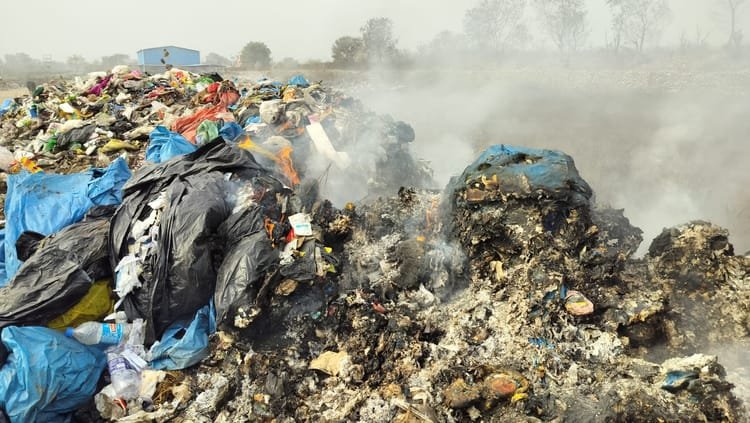
The world is rapidly moving towards a waste crisis that could pose a serious threat to the environment, health and economy in the coming decades. According to the latest reports of the World Bank and United Nations Environment Program (UNEP), about 2.6 billion tonnes of waste was generated globally in the year 2022, which may increase to 3.9 billion tonnes by 2050. At the same time, according to UNEP’s Food Waste Index report, about 1 billion tons of food is being wasted every year, of which about 60 percent comes from household level only.
UNEP figures show that about one-fifth of all food produced in the world is wasted. The largest share in this is of houses. Restaurants, hotels and retail sectors also contribute to this. But according to the report, the center of destruction is at the domestic level, which is deepening this crisis. According to the report, if waste management is not taken care of, humans and nature may have to suffer serious consequences. This spreads cancer, asthma and respiratory diseases.
It affects the food products by contaminating the underground soil, which is directly related to the health of the people. In the last few years, it has been seen that various types of diseases have arisen due to pollution. Despite this, minimal attention is being paid to this. The report also states that improper disposal of waste is also posing a threat to the environment. Decomposing organic waste releases greenhouse gases like methane, which accelerate climate change.
impact on economy
Poor waste management has a direct impact on health and economy. According to reports, this increases the risk of diseases and affects the quality of the land. Tourism and agricultural sectors suffer losses and pressure on natural resources increases. Experts believe that investment in waste management should not be seen as an expense but as a long-term solution. According to the World Bank, the situation of waste management in low-income countries is most worrying. The amount of waste is increasing with rapidly increasing population, but there is not enough infrastructure to handle it. The report indicates that these countries will need massive investment to improve waste management over the next 25 years.
It is important to understand personal responsibility along with policies.
Both UNEP and the World Bank emphasize that multi-level efforts are necessary to tackle this crisis. While governments need to increase investment in waste management infrastructure and implement effective policies, common people also need to adopt habits of reducing food wastage, consuming as per need and proper separation and recycling of waste. The indications from the reports are clear that if current trends do not change, the waste crisis could become even more serious globally in the coming decades.