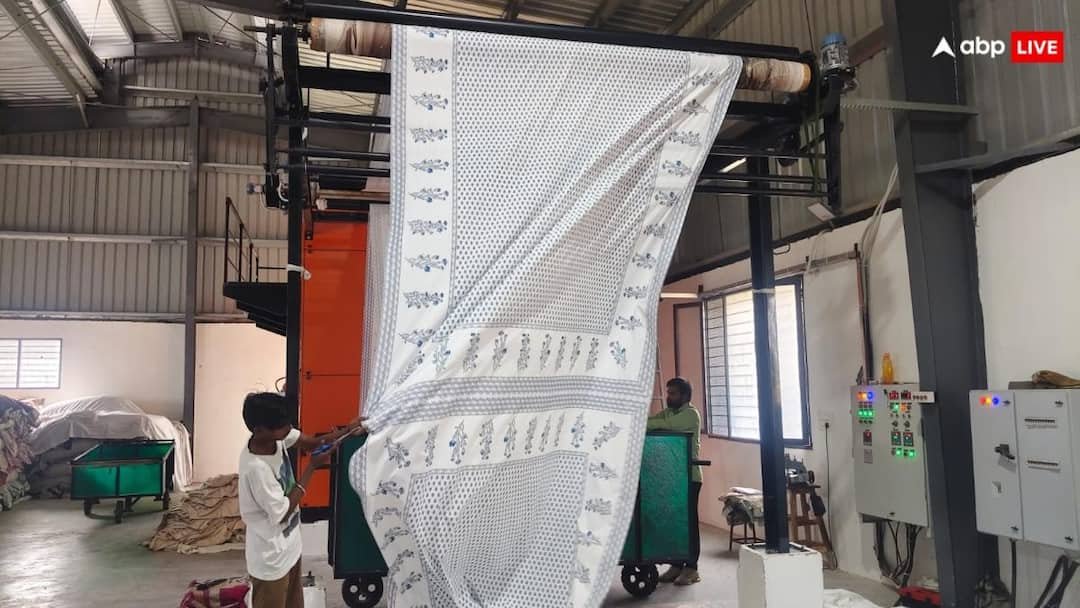
The major impact of the LPG crisis that has arisen across the country due to the war going on in West Asia, is also being seen in Jaipur, the capital of Rajasthan, which is called the Pink City. These days, almost ninety percent of the more than a thousand textile printing factories operating in the Sanganer Industrial area of Jaipur are closed due to non-availability of commercial LPG cylinders. Production is completely at a standstill. Businessmen are incurring losses worth lakhs every day while the workers working here are sitting empty handed. After Corona, the laborers are now facing migration for the second time.
The Sanganer area of Jaipur, where these more than one thousand textile printing factories operate, falls in the constituency of the Chief Minister of the state, Bhajanlal Sharma. Businessmen and laborers are now requesting CM Bhajanlal Sharma to provide commercial cylinders.
The factory operators have ordered the workers to return home if the situation does not become normal within two days. After this order the workers are in a state of despair. There is a possibility of double burden on them. On the other hand, they will have to be unemployed for a few days, while on the other hand, they will have to spend thousands of rupees separately on commuting home. Due to the LPG crisis, the printing work of around 12 to 15 lakh meters of clothes is not being done here every day.
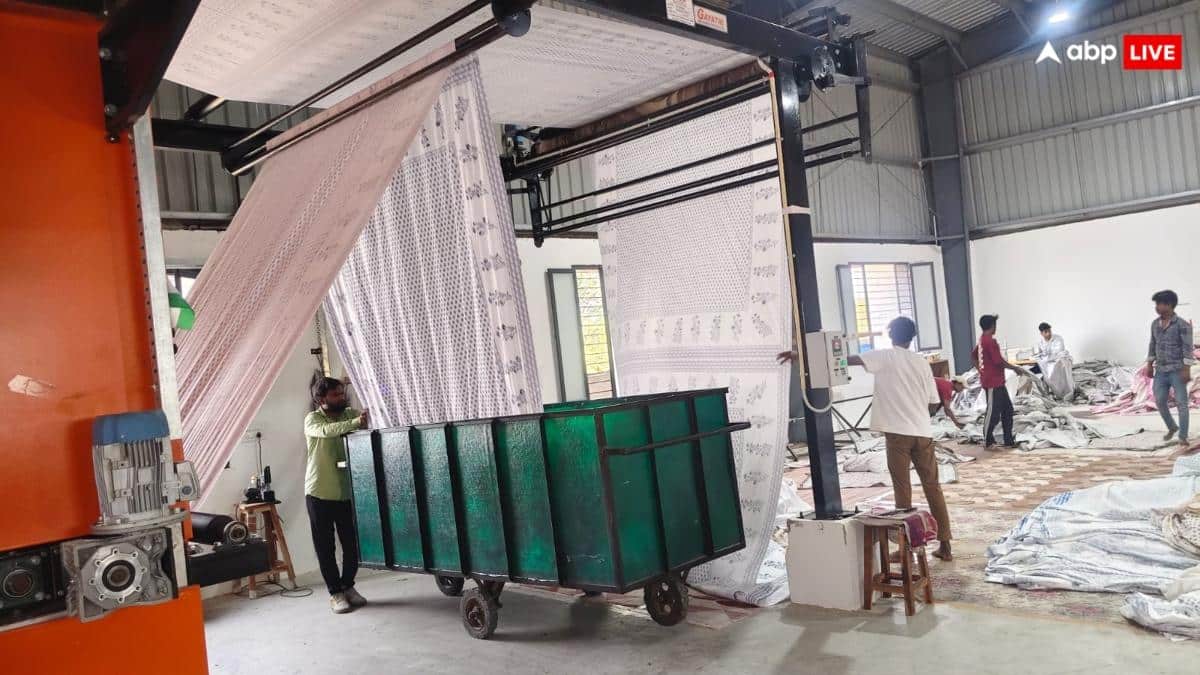
More than a thousand small and big textile printing factories run in Sanganer Industrial Area of Jaipur. All these factories are completely dependent on commercial LPG. Actually, the dryer that dries clothes after printing runs either on LPG or on electric boiler. Electric boilers are not installed even in ten percent of the factories. Barring a few, almost all the dryers in printing factories run on LPG.
Every factory requires ten to twenty commercial gas cylinders containing 45 kg LPG daily. Along with drying the clothes, the machines for confirming the color of printed clothes and preparing them for cutting also run on LPG.

Some factories operating here had stock for three days and some had stock for four days. After the beginning of the LPG crisis, some factories have been closed for ten days and some for 12 and 15 days. Due to the closure of the factory, the laborers and other employees working here are sitting idle. The factory operators have told the workers that if the gas supply situation does not become normal within two days, they will not be able to meet their expenses and will have to return to their homes.
There is disappointment among the workers after this order of the factory operators. Most of the laborers come from Bengal and Bihar and work here. Now once again the situation of migration has arisen before them. Seeing the situation, the workers have packed their belongings. Tickets are being searched in trains and buses.
The workers say that they needed more money in this wedding season but now they are going to be hit double. The food of the workers is also now being cooked on wood instead of cooking gas. While the workers are facing the threat of job loss and migration, the same operators are worried about what will happen if the war drags on and the LPG crisis does not end.

Normally 12 to 15 lakh meters of cloth was printed daily in Sanganer, but due to non-availability of LPG, currently only one lakh meters of cloth is being printed. Flat-belt printing machines in factories cannot run without LPG. A cylinder is also required to dry clothes. The machines are lying closed due to lack of gas. According to Deepa Khushlani, director of Geeta Textiles, this is the second time after Corona, when production has come to a complete standstill. Deepa has requested CM Bhajanlal Sharma to provide some relief in this regard.
The increasing tension between Israel-Iran-America in West Asia has badly affected the LPG supply chain. Imports have reduced and its direct impact is now falling on big industries like Sanganer. Businessmen are continuously appealing to the administration to restore the supply, but till now there has been no improvement in the situation. There is a possibility of loss of crores of rupees to the industry every day.