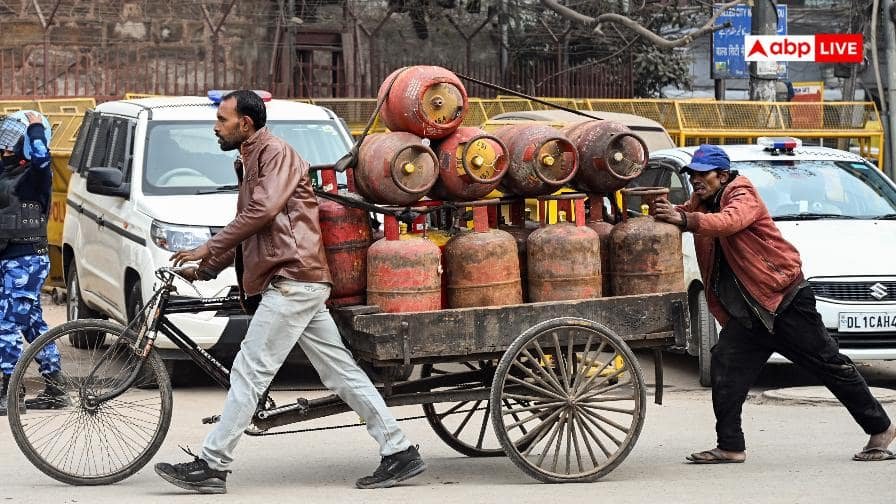
The impact of shortage of LPG cylinders in the capital Delhi is no longer limited to just homes, but has also reached community kitchens, temples and small food shops running outside hospitals. Its impact is clearly visible on the free food provided to poor patients and their families.
Food carts reduced outside hospitals
Outside Delhi’s AIIMS and Safdarjung Hospital, many social organizations and NGOs provide free food to the families of patients every day. But due to shortage of cylinders, these services have started decreasing.
According to the servants, earlier about 15 to 17 carts used to bring food here every day, but now this number has reduced to 7 to 8 carts. This is directly impacting those poor families who stay outside the hospital for several days to get their patients treated and depend on these services.
A serviceman said that due to non-availability of gas cylinders, cooking has become difficult at many places, hence many vehicles have now stopped.
Support of wood stove in ISKCON kitchen
The kitchen of ISKCON temple, famous for its food service in Delhi, is also not untouched by this problem. People associated with the temple say that gas cylinder is not available for the last four days, due to which they are forced to cook food on wood stove.
Although the temple is making arrangements to provide food to the people, the work has become very difficult due to shortage of gas.
Temples and shops were also affected
The impact of the cylinder crisis is also being seen on the food shops outside many temples in Delhi. Shopkeepers say that at present they are making do with the leftover stock.
Things like shortbread and vegetables are the most sold, but due to unavailability of gas, many shopkeepers are serving the vegetables cold instead of heating them.
Its impact is visible not only on namkeen or food shops, but also on shops making sweets and prasad. Due to shortage of gas cylinders, production has had to be reduced at many places, due to which shopkeepers are also facing losses.
Overall, the effect of cylinder shortage in the capital is now gradually becoming visible at many places. If the situation does not improve soon, it may impact the poor and the families of the patients the most.