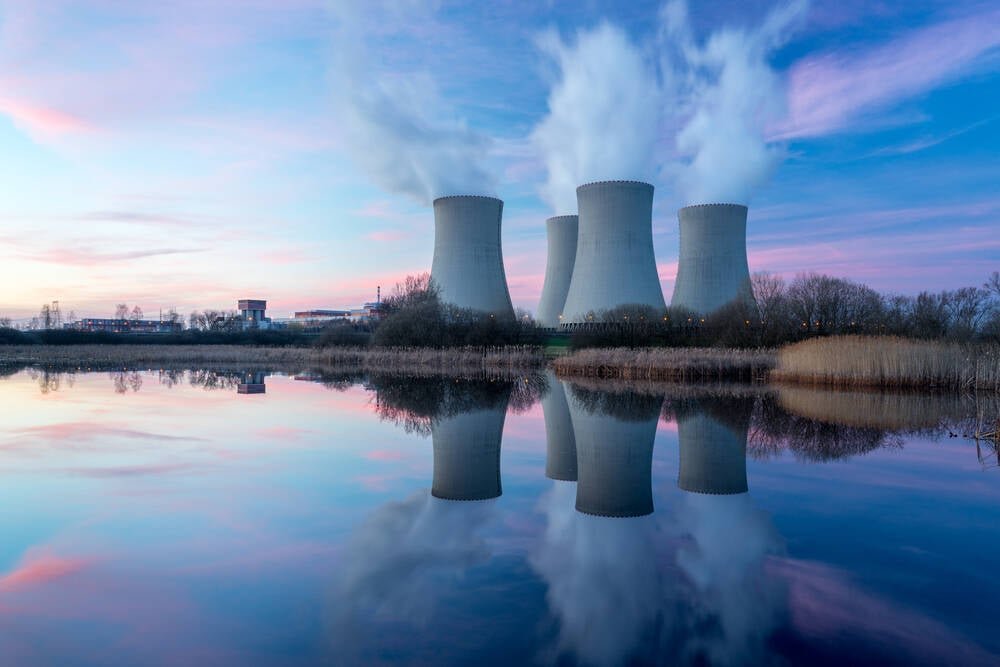
Britain’s government is pushing ahead with nuclear planning and regulatory reforms, aiming to accelerate atomic projects that will power homes and datacenters.

The government intends to act on recommendations the the Nuclear Regulatory Taskforce published last year. As ever, it wants to slash red tape it believes is holding back the progress of private industry.
Among the recommendations The Register noted at the time are: reforming environmental and planning regimes to make it easier for new projects to get approval; limiting legal challenges to projects deemed nationally important; less conservative radiation limits for workers; and modifying rules intended to protect vulnerable natural sites to cut costs.
The Nuclear Regulatory Taskforce, led by John Fingleton, found an “overly complex” and “bureaucratic” system that favored process over safe outcomes, according to the government.
Fingleton, a former CEO of the Office of Fair Trading, runs a company “advising and supporting clients on successful resolution of complex and novel regulatory problems.”
The core of the plan, we are told, is to move towards smarter regulation. By this, the government means proportionate, focused on real risk, rooted in evidence, and designed to effectively protect nature and biodiversity.
This plan is touted as supporting “safe, cost effective, and rapid delivery” across the entire civil and defense nuclear operations. Which puts us in mind of the old adage “Good, fast, cheap – you can have two.”
Echoes across the pond
In this latest move, Britain’s government finds itself oddly in tune with the Trump administration on the other side of the Atlantic. Earlier this year, the US Department of Energy encouraged individual states to play host to new atomic sites, while reports claimed it had rewritten nuclear safety directives to significantly water down the rules.
Nonprofit media organization NPR said “hundreds of pages” of requirements relating to security at reactors were cut, while the level of radiation a worker can receive before an official accident investigation gets triggered has increased, and protections relating to groundwater and the environment weakened.
In the UK, at least, the government wants to get the country off its dependence on volatile fossil fuel markets that have driven up fuel prices, and onto cleaner homegrown power. Both countries see the need for more nuclear in the mix, with an eye on the burgeoning energy demands coming from AI datacenters, plus electric vehicles and the electrification of industry.
But as noted before, any new atomic generating facilities are unlikely to come online before the next decade. Until then, gas turbines, renewable energy from wind and solar, and the country’s existing nuclear sites will continue to generate electricity.
The Nuclear Industry Association naturally welcomes the move. Chief exec Tom Greatrex said the ambitious regulatory reforms are the most important thing the UK can do to cut deployment times and costs, and rebuild energy security.
“We need more proportionate regulation that recognizes the vital contribution nuclear makes to the nation’s core interests, and driving through these recommendations offers our best chance in a generation of achieving that.”
Completion of all reforms is expected by the end of 2027, subject to legislative timelines. ®