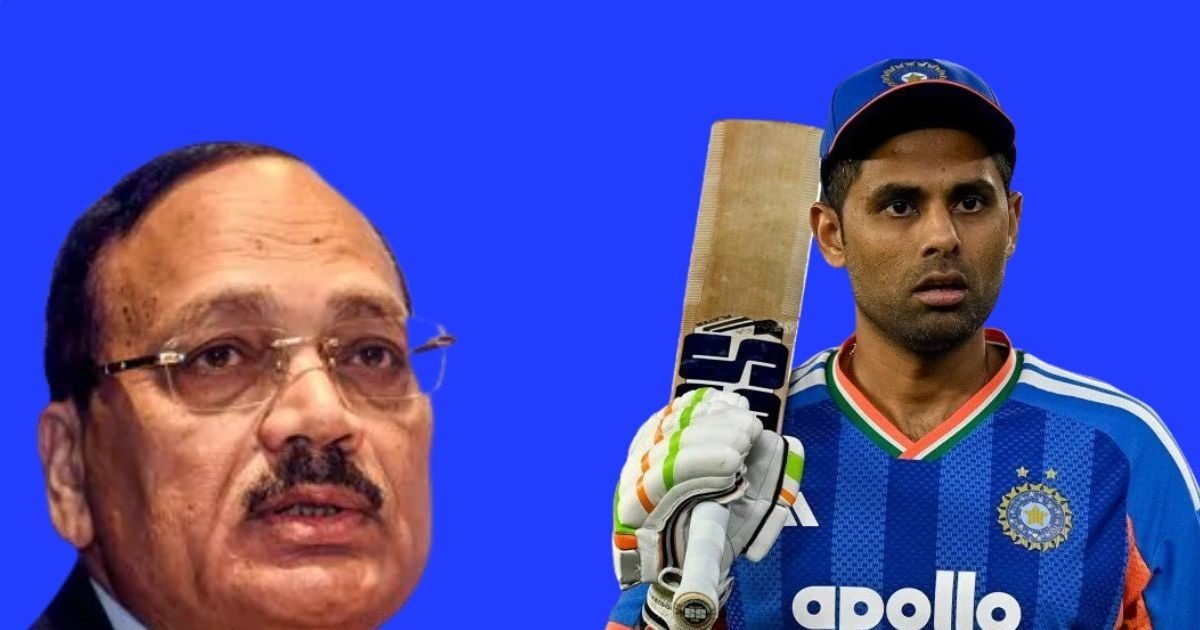
Surya cannot be expected to bowl in the death overs, why did CJI give this example?
Last Updated:
CJI Suryakant Latest News: In the convocation ceremony of GNUL, CJI Suryakant gave the example of T20 cricket to explain the importance of professional specialization to the young lawyers. He said that just as Suryakumar Yadav is not expected to bowl in the death overs, similarly in law too, every lawyer cannot be expected to do every work.
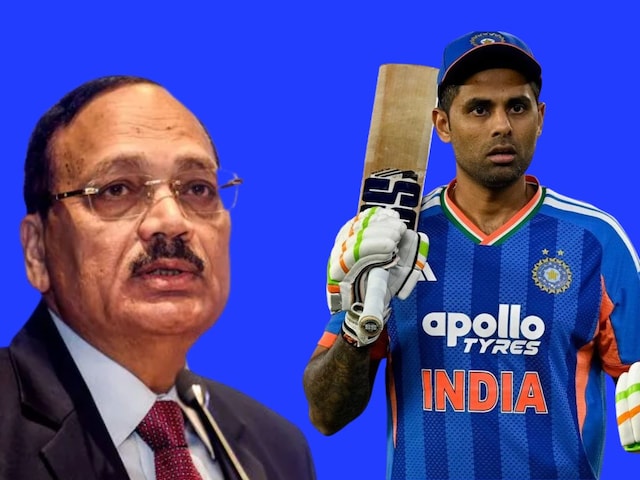

Why did CJI Surya Kant give the example of Surya Kumar Yadav?
New Delhi. Chief Justice of the Supreme Court (CJI) Justice Surya Kant gave an interesting example of cricket to teach important lessons of professional life to young lawyers. He said that just as every player is not expected to play every role in T20 cricket, similarly in the legal profession every lawyer cannot be equally proficient in all areas.
While addressing the 16th convocation of Gujarat National Law University (GNLU), Gandhinagar on 28 February, CJI Surya Kant stressed the need for professional specialization. He said that successful teams, whether in cricket or the legal profession, are built around clarity of roles and individual strength.
What did the CJI say while giving the example of T20 cricket?
CJI Surya Kant said that no one expects that Surya Kumar Yadav will bowl in the death overs or Jasprit Bumrah will be asked to handle the batting chase. They are made to do only that work in which they are best. He explained that the same principle applies in the legal profession also. Lawyers who try to do everything equally get very little reward in this profession. On the contrary, those lawyers who identify with time which ‘natural discipline’ fits their thinking and abilities best, are the ones who make a name for themselves in the future.
CJI told who are successful lawyers?
CJI Surya Kant said that the question is where do I fit in this profession? Young lawyers should ask early and return to it again and again. According to him, successful lawyers are those who at some point give up trying to ‘do it all’ and start practicing deeply in one area. In his address he also talked about the difference between legal education and actual practice. He explained this as the difference between ‘learning a map and walking on the ground’. The CJI said that books teach theory, but real practice demands discipline, responsibility and ability to work within limits.
Professional credibility backbone of legal system: CJI
Along with this, he described honesty and professional credibility as the backbone of the legal system. The CJI said that the everyday decisions of lawyers can both strengthen and weaken trust in the justice system. At the end of the speech, he mentioned the sutra of Taittiriya Upanishad “Satyam Vad, Dharmam Char” and said that these values are the moral foundation of the legal profession. He told the graduates that this profession does not demand exceptional performance every day, but trust in difficult times and that trust makes a lawyer.