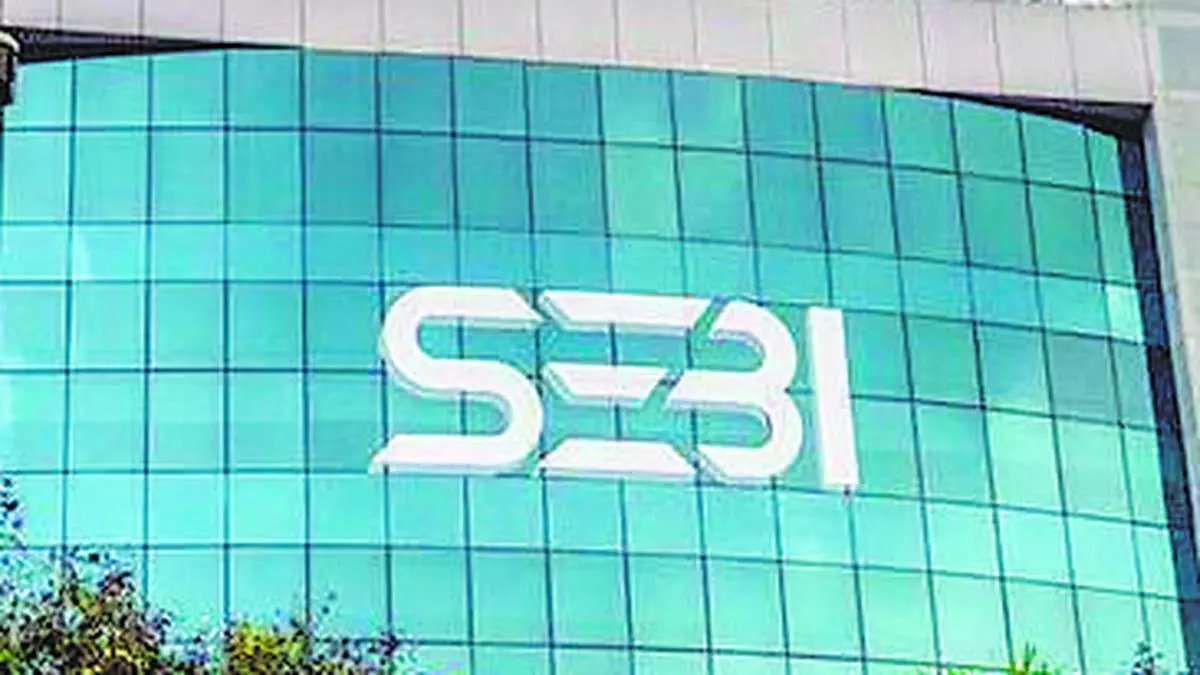

The Securities and Exchange Board of India (SEBI) headquarters building in Mumbai | Photo Credit: bl-online Administrator
The Securities and Exchange Board of India (SEBI) has proposed a sweeping overhaul of the ‘fit and proper person’ framework governing market intermediaries, seeking to ease compliance pressures while retaining safeguards around integrity and conduct.
The regulator proposed removing automatic disqualifications triggered merely by the filing of criminal complaints, FIRs or charge sheets in economic offense cases, arguing that such steps represent only the initiation of legal proceedings and should not, by themselves, bar individuals or entities from operating in the securities market.
Treating preliminary legal actions as rule-based disqualifications may run counter to the principle of “innocent until proven guilty” and could result in irreversible consequences such as forced exits of key personnel or divestment by controlling shareholders, even if the person is later acquitted, SEBI said in a draft paper on Wednesday, inviting public comments by February 25.
Instead, the regulator has proposed relying more on the principle-based assessment of integrity, reputation and conduct, allowing it to exercise discretion on a case-by-case basis where criminal proceedings are of a serious or egregious nature.
SEBI also plans to tighten the conviction threshold by explicitly including economic offenses and violations of securities laws within the disqualification framework, in addition to offenses involving moral turpitude, aligning the norms with those applicable to stock exchanges, clearing corporations and depositories.
IBC-related relief
The regulator also proposed easing norms linked to insolvency proceedings. Currently, intermediaries face disqualification once winding-up proceedings are initiated. This trigger may apply only when a winding-up order is actually passed, recognizing that insolvency resolution under the Insolvency and Bankruptcy Code can result in revival rather than liquidation.
The move is aimed at aligning regulatory thresholds across frameworks and avoiding penal outcomes at an early stage of corporate stress.
To streamline enforcement and remove procedural ambiguity, SEBI has also proposed inserting explicit provisions requiring intermediaries to disclose any event that could potentially attract disqualification within seven days. It has also proposed codifying the requirement that no person will be declared “not fit and proper” without being given a reasonable opportunity to be heard.
This is expected to bring greater transparency to the process and reduce disputes around regulatory action.
SEBI also plans to reduce the cooling-off period for fresh registration applications following the issuance of a show-cause notice from one year to six months, where proceedings relate to regulatory directions. The default five-year prohibition that automatically applies when an order does not specify a time bar may also be removed.
Published on February 4, 2026