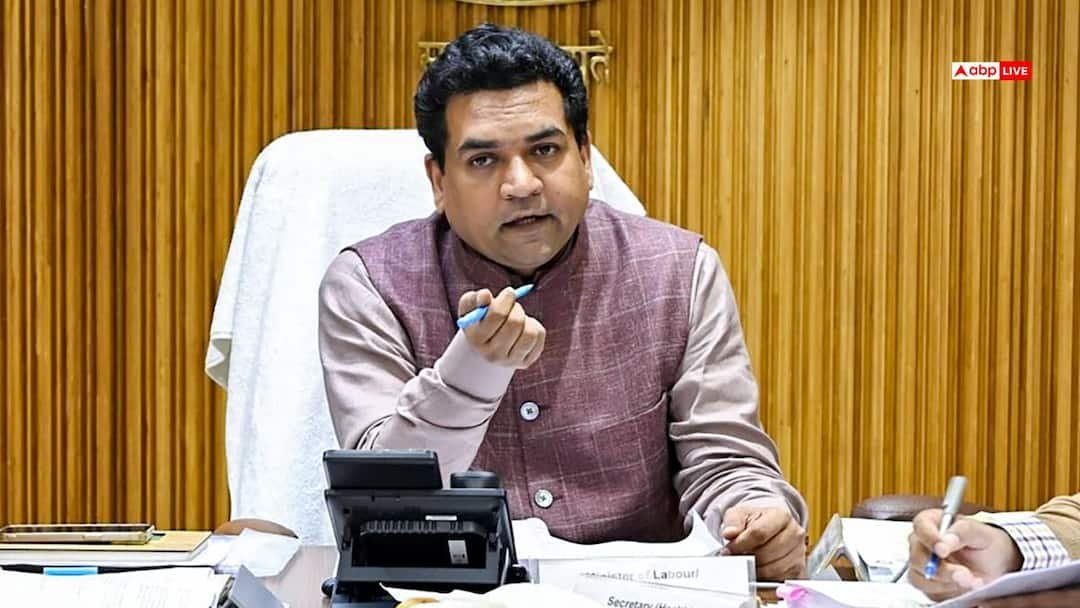
A case related to the proceedings of Delhi Assembly has gained momentum. Delhi Government Minister Kapil Mishra has written a formal letter to the Assembly Speaker making serious allegations of breach of privilege. The minister says that there has been interference in the assembly proceedings by the Punjab Police, which is not only unconstitutional but also against democratic traditions.
Minister Kapil Mishra said in his complaint that an FIR was registered for sharing a video related to the proceedings of the Delhi Assembly on social media, which he considers an attempt to intimidate and put pressure on an MLA. He alleged that the complainant Iqbal Singh and some officers of Punjab Police have taken this step together.
Article 361A and the logic of constitutional protection
In his letter, Minister Kapil Mishra has specifically mentioned Article 361A of the Indian Constitution. Under this article, it has been made clear that neither civil nor criminal action can be taken against any person for true and factual reporting of the proceedings of Parliament or any State Assembly, unless it is proved that the report has been published with malicious intent. That is, if the report is true and is not made with bad intentions, then it enjoys constitutional protection.
However, Article 361A also makes it clear that this protection does not apply to reporting related to secret meetings. But the minister claims that the video on which action was taken was related to general assembly proceedings and not to any secret session.
Position clear on form of proceedings
Minister Kapil Mishra has called this entire matter an attack on the dignity and rights of the Assembly. He has demanded that this matter be sent to the Privilege Committee of the Assembly, so that the entire matter can be investigated impartially. He also appealed to identify the guilty officers and the complainant and take strict action against them.
Demand for investigation from privileges committee
It is noteworthy that in India, the Legislative Assembly and Parliament have been given special powers so that the public representatives can raise the public’s concerns without fear. Interference by any external agency in matters related to the proceedings of the Assembly is always viewed seriously. Even before this, controversies related to assembly privileges have been coming up in many states of the country, which were later investigated by committees.
Debate on legislative rights and expression
This case has once again intensified the debate on constitutional rights, freedom of expression and the limits of democratic institutions. Now all eyes are on the next step of the Assembly Speaker and the decision of the Privileges Committee.