Now the company has made a new variant of this phone at a price of Rs 9,999 Asus Zenfone Max (2016) Has launched Like the biggest feature of your previous smartphone (battery life), this phone is expected to have a great battery life. Apart from this, the second specification has also been upgraded in the phone. Asus has also launched this new smartphone at the original price of original Zenfone Max. So now it will be interesting to see if Asus’s Zenfone series benefits from the new Zenfone Max. Today we will review the new Zenfone Max (2016) and know all the features and shortcomings of this phone.
Look and design
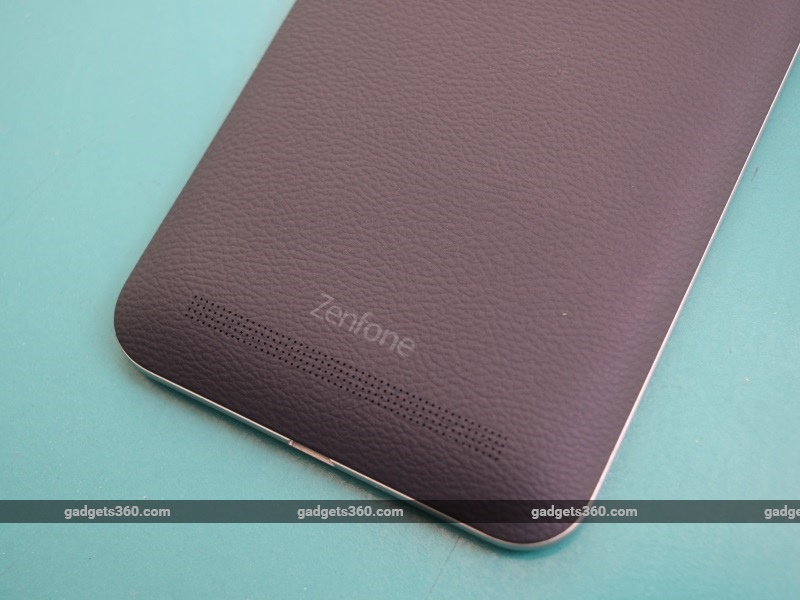
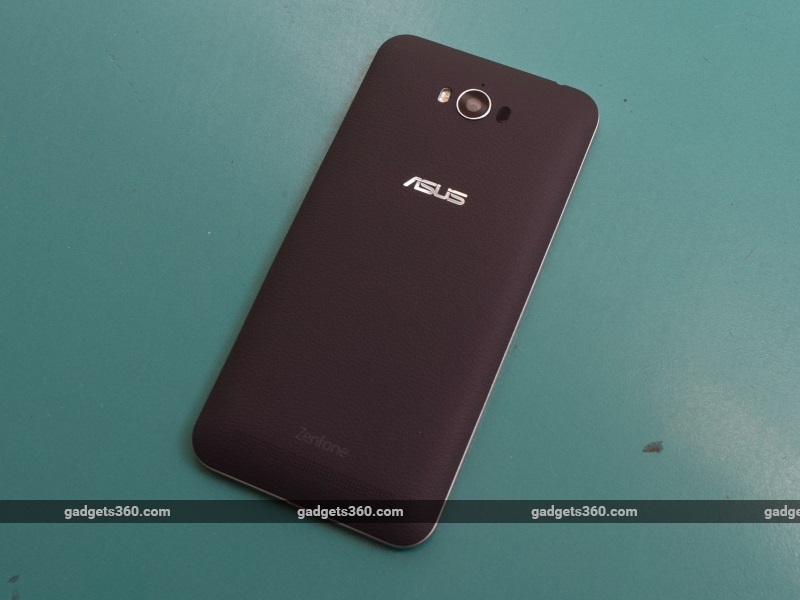
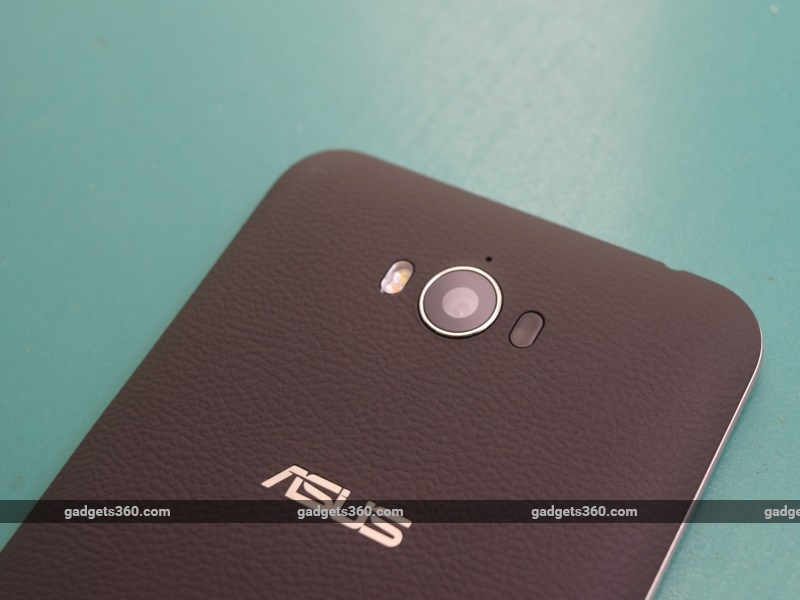
The look, body, design and texture of Zenfone Max (2016) is also similar to the previous Zenfone Max. This includes detachable rear covers, gold trim along the edges, and the dislikes of Asus. The 2016 variants will also be found in two new color variants Blue and Orange. If you take a black or white color variant, then you may not be able to differentiate between new and old Zenfone Max.
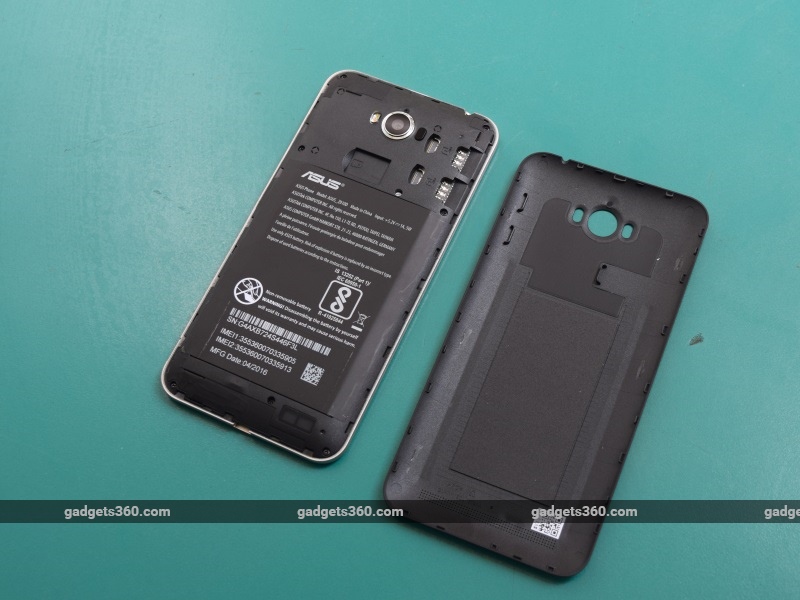
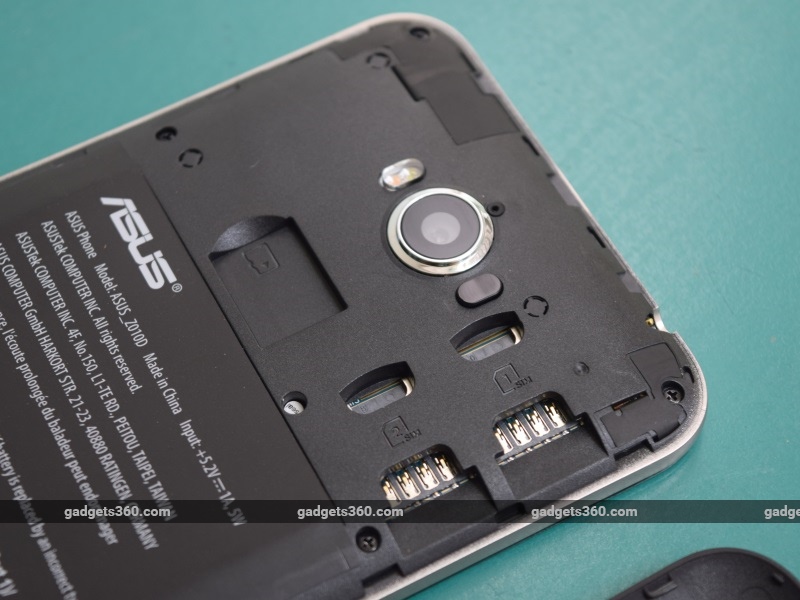
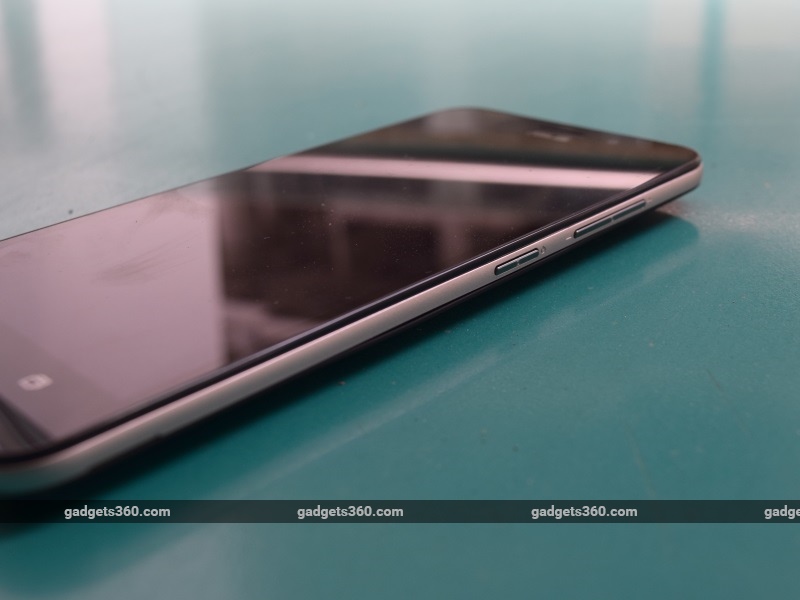
Talk about design and layout, then Zenfone Max (2016) has all the basic features. Power and volume buttons are on the right side. At the bottom, there is a micro-USB port and upward 3.5mm audio shock. The rear panel can be removing that on removal shows two SIM slots and an expandable storage slot. The battery is non-removable. Asus has not converted his well-known design in this phone in 2016.
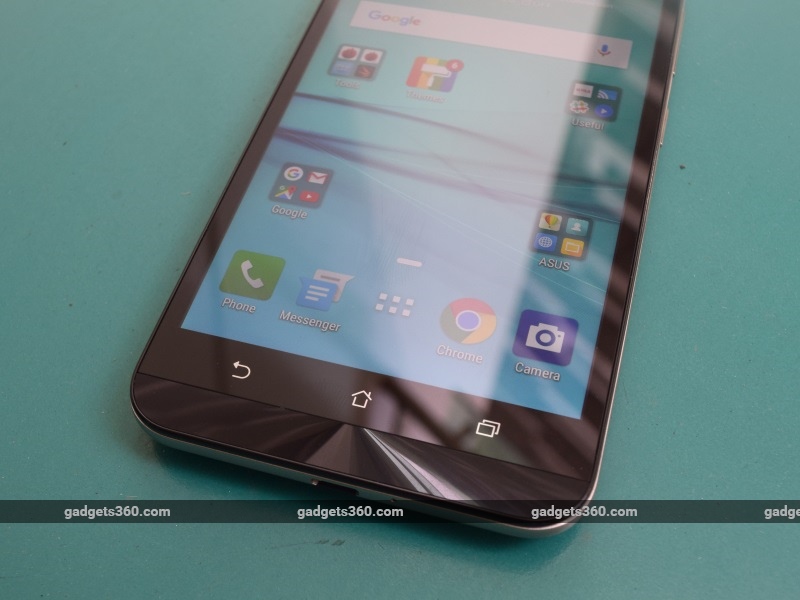
The 5.5 -inch IPA screen of 720×1280 pixels resolution given in the phone could be improved more. Despite the price of Rs 9,999 (price of 3 GB RAM variant at Rs 12,999) Asus has not given a good high-government screen in this phone. Other phones like Coolpad Note 3 Plus ,Review) It is disappointed when compared with full-HD display and 3 GB RAM at a low price. Apart from this, Zenfone Max (2016) also does not have a fingerprint sensor. The absence of a tough competition in the market also disappoints it.
The screen is the same as before and due to low resolution, battery life is definitely better. If the battery life matters the most for you, then low resolution and low detail screens may not be troublesome for you.
Specification and software
Asus can see a big difference as a specification on both generations of Asus Zenfone Max. The new Asus Zenfone Max (2016) has a more powerful Qualcomm Snapdragon 615 processor. However, now more new processors are also available, but Snapdragon 615 is definitely upgraded and better than Snapdragon 410 given in Old Zenfone Max. Apart from this, the second biggest difference is to increase from 16 GB of inbuilt storage to 32 GB. In a variant of the new Zenfone Max (2016), RAM is 2 GB but you can buy 3 GB RAM variants for a price of Rs 12,999. It is worth noting that you get only 1 GB RAM more than giving a higher price of Rs 3000 because apart from this there is no other difference between the two variants.
The new phone also has a 5000 mAh battery like the old Zenfone Max. However, the power adapter is better than before and it is 5.2 watts. But it is extremely low to charge a 5000 mAh battery. It takes 5 hours to make the phone full-charged with this charger. If you buy Zenfone Max (2016), then you will definitely want to buy another better charger.
The 2016 variant has Android Marshmallow. Asus had issued a list that the old Zenfone Max would get Android Marshmallow updates. All the main features of Android M are present in this phone including ‘Do not disturb mode’, ‘Dose mode’, ‘Now on tap’ and new design of app permission.
However, the user interface is still Asus ZenuI. For the first time, about 50 apps need to be updated immediately. Apart from this, app and service continuously gives notifications to activate the battery saver mode, such as an account setup, for some things. However, despite some problems, this interface also has some benefits.
Camera
In the old Zenfone Max, the same camera with a laser autofocus system was given as the Asus Zenfone laser. The price of the company was to give the best camera performance at the time of its launch. Now the 2016 variant has also been launched with the same camera. The Zenfone Max (2016) has a 13 -megapixel rear camera and a 5 -megapixel front camera. Dual-tone LED flash and laser autofocus have been given on the rear itself. A video of 1080 pixels -30 frame/second resolution can be recorded from both cameras.
The camera app in the new Zenfone has improved a bit than before. The setting menu has improved compared to earlier but most apps are the same as before. The phone has a lot of photography modes and the focus is very fast and accurate due to the lazor system.

The camera performance in this phone with the camera and focus system given in the previous two Asus phones is the same as before. Indoor and close-up shots are very spectacular. The outdoor shots are a little washed out but can be said to be better. Videos and photos with front cameras come fantastic, especially during recording on 1080 pixels -30 frames/seconds.

Performance
The biggest difference in the old Asus Zenfone Max and 2016 variants is the performance of the phone. While the old device runs on the budget Snapdragon 410 processor, the new device has a more powerful upgraded Snapdragon 615 processor. Snapdragon 615 processor has proved to be a better performance in the mid-range smartphone earlier this year and earlier this year. However, at present, this price phone is being given a much better and powerful options and many users may not like an old processor.
Asus in the benchmarking test from Asus Zenfone Max (2016) got good as expected. Most of the tasks can be done easily from playing games in the phone. The new phone figures were better than the old Asus Zenfone Max.
The phone provides good call quality. Apart from this, along with 4G connectivity, the phone works excellent on Wi-Fi and mobile networks. The single speaker given in the phone is a bit weak but the sound quality found while using the headphone is good.
Talk about battery life, Asus Zenfone Max (2016) meets our expectations. In our video loop test, the phone’s battery lasted for 18 hours, 4 minutes while Original Zenfone Max’s battery life lasted for 25 hours. This is probably due to Snapdragon 410 having more energy efficient of Snapdragon 615. But, the phone’s battery is still very good and the phone lasts for two days when charged once during normal use.
Our decision
Through the Asus Zenfone Max (2016), the company definitely try to collect more customers than its best-selling product. The performance in the new phone has improved than before, while the battery life and cameras do the same work as before. Although the battery life is little less than the original phone, it is still enough to attract customers.
However, Asus has not improved many other important features. The phone has not given a fingerprint sensor, with this feature, this phone could have given a tough competition to many other phones in this price. 3 GB RAM could be given at a price of Rs 9,999, but it disappoints no other difference other than 1 GB RAM by paying Rs 3,000 more. ZenuI is worse than being better. This could be improved further by giving full-HD display in the phone.
Despite all this, if the battery life matters to you, then Asus Zenfone Max (2016) is a great phone at a price of Rs 10,000. Despite the second improvement in the phone and lack of features, the performance of the phone is good. So if you are looking for a phone with a price of less than Rs 10,000, then Asus’s new Zenfone cannot ignore Max.