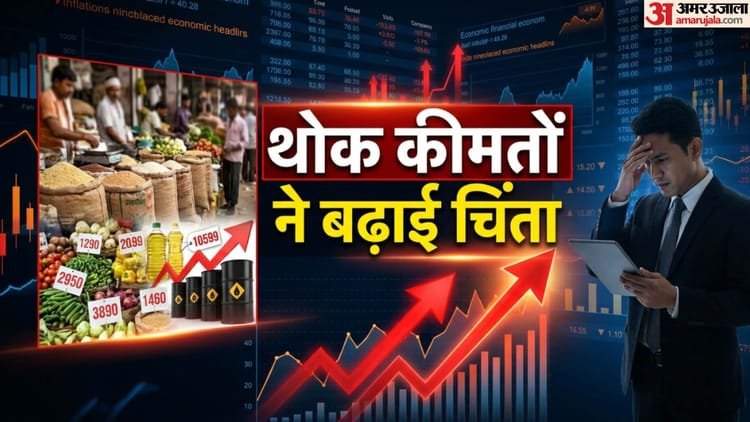
The genie of inflation has once again come out in the country, due to which it is certain that the back of the common man will be broken. Due to the ongoing tension in West Asia, the rise in crude oil prices in the international market has created a big crisis for the Indian economy. Due to the continuously weakening rupee and rising fuel prices, wholesale inflation has now reached its highest level in 42 months. This unexpected rise in the prices of LPG, electricity and petrol and diesel has indicated major economic shocks in the coming days.
How huge has the prices of fuel and petroleum increased?
According to the recent data released by the Commerce Ministry, the inflation rate of fuel and electricity has jumped to 24.71 percent in the month of April. This is the highest level in the last three and a half years. Talking about crude petroleum, its inflation rate has reached 88.06 percent, which is the highest in four and a half years. The most shocking jump has been seen in the prices of petrol and diesel. The inflation rate of petrol has directly increased from 2.50 percent in March to 32.40 percent, while the rate of diesel has also increased from 3.26 percent to 25.19 percent. LPG has also become costlier compared to March.
Is there going to be a big increase in the prices of petrol and diesel?
Despite global crude oil prices increasing by up to 50 per cent, the government has currently kept the prices of petrol and domestic cooking gas stable. The government was trying to save the public from this burden, but considering the huge losses being incurred by the petroleum companies, it does not seem possible for this relief to last for long. To compensate for the increasing losses of companies, the government may soon increase the prices of petrol and diesel. Apart from this, controlling inflation amid the effect of El Nino and fluctuations in grain prices has now become the biggest challenge for the Modi government.
What impact has this inflation had on the common man’s plate?
In this era of inflation, relief has been seen only on the vegetable front. According to the data, the inflation rate of potatoes, onions and other vegetables has declined. There has been a decline of about 26 percent in onion prices and 30 percent decline in potato prices on annual basis. The prices of pulses have also remained under control. However, an increase has been recorded in the prices of milk, fruits, eggs and meat-fish. Apart from food items, the inflation rate of chemicals and manufactured products (goods made in factories) has also increased, which means that other everyday items may also become expensive in the coming time.
What impact will this have on RBI and your bank loan?
The Reserve Bank of India (RBI) had estimated the average inflation for the entire year at 4.6 percent, but with wholesale inflation reaching 8.3 percent, RBI’s calculations have gone wrong. When companies’ costs (wholesale prices) increase, they pass the burden on to common customers. Experts believe that if inflation continues to rise like this, then RBI will have to increase the interest rates (repo rate). Currently the repo rate is 5.25 percent. If it increases, your home loan and personal loan installments (EMIs) will become costlier, causing a double blow to the middle class.
Other videos-